«
BROWSE ALL
Ukraine
Ukraine

Forget everything you know about Eastern European viticulture because this nation is currently rewriting the textbooks with fresh energy and sunshine. It is a land where ancient Greek heritage meets a modern wine renaissance, producing vibrant bottles that taste like a hidden Mediterranean treasure.
Forget everything you know about Eastern European viticulture because this nation is currently rewriting the textbooks with fresh energy and sunshine. It is a land where ancient Greek heritage meets a modern wine renaissance, producing vibrant bottles that taste like a hidden Mediterranean treasure.
Forget everything you know about Eastern European viticulture because this nation is currently rewriting the textbooks with fresh energy and sunshine. It is a land where ancient Greek heritage meets a modern wine renaissance, producing vibrant bottles that taste like a hidden Mediterranean treasure.

What it's about
Ancient Roots
Quality Pivot
Hidden gem
While neighbors lean on bulk production, this nation is forging a bold new identity through innovation. With a lineage stretching back to 4th century BC Crimea and ancient Greek settlements, the industry is pivoting from Soviet-era quantity to boutique quality. In the sunny south and Zakarpattia, winemakers are mastering unique terroirs and exporting award-winning bottles to London and Tokyo.
While neighbors lean on bulk production, this nation is forging a bold new identity through innovation. With a lineage stretching back to 4th century BC Crimea and ancient Greek settlements, the industry is pivoting from Soviet-era quantity to boutique quality. In the sunny south and Zakarpattia, winemakers are mastering unique terroirs and exporting award-winning bottles to London and Tokyo.
While neighbors lean on bulk production, this nation is forging a bold new identity through innovation. With a lineage stretching back to 4th century BC Crimea and ancient Greek settlements, the industry is pivoting from Soviet-era quantity to boutique quality. In the sunny south and Zakarpattia, winemakers are mastering unique terroirs and exporting award-winning bottles to London and Tokyo.
What they're proud of
Telti-Kuruk
Odesa Black
Indigenous Pride
Ukrainians champion their indigenous superstars. The white Telti-Kuruk, which miraculously survived the phylloxera epidemic, is a national treasure. But the real muscle comes from Odesa Black (Alibernet), a crossbreed that was once dismissed as a blending workhorse but has been tamed into a velvety, spicy flagship red that rivals the intensity of the people themselves.
Ukrainians champion their indigenous superstars. The white Telti-Kuruk, which miraculously survived the phylloxera epidemic, is a national treasure. But the real muscle comes from Odesa Black (Alibernet), a crossbreed that was once dismissed as a blending workhorse but has been tamed into a velvety, spicy flagship red that rivals the intensity of the people themselves.
Ukrainians champion their indigenous superstars. The white Telti-Kuruk, which miraculously survived the phylloxera epidemic, is a national treasure. But the real muscle comes from Odesa Black (Alibernet), a crossbreed that was once dismissed as a blending workhorse but has been tamed into a velvety, spicy flagship red that rivals the intensity of the people themselves.
WHAT'S TRENDING
Solidarity Exports
Craft Revolution
Dry Wines
Exports are skyrocketing as the world wakes up to their potential. Small, family-owned craft wineries are booming, moving away from semi-sweet traditions to crisp, mineral-driven dry whites and bold reds. There is a massive surge in 'heroic viticulture' marketing, where buying a bottle is seen as an act of solidarity, with regions like Bessarabia and Zakarpattia gaining cult status among adventurous sommeliers.
Exports are skyrocketing as the world wakes up to their potential. Small, family-owned craft wineries are booming, moving away from semi-sweet traditions to crisp, mineral-driven dry whites and bold reds. There is a massive surge in 'heroic viticulture' marketing, where buying a bottle is seen as an act of solidarity, with regions like Bessarabia and Zakarpattia gaining cult status among adventurous sommeliers.
Exports are skyrocketing as the world wakes up to their potential. Small, family-owned craft wineries are booming, moving away from semi-sweet traditions to crisp, mineral-driven dry whites and bold reds. There is a massive surge in 'heroic viticulture' marketing, where buying a bottle is seen as an act of solidarity, with regions like Bessarabia and Zakarpattia gaining cult status among adventurous sommeliers.
LOCAL TALES
The Prince's Stolen Cellar
The Prince's Stolen Cellar
The Prince's Stolen Cellar
Long before tanks rolled through, the Prince Trubetskoi Winery in the Kherson region was the crown jewel of local winemaking, established in 1896. Its Riesling even snagged a Grand Prix at the World Expo in Paris in 1900, proving they could play with the big boys. The historic chateau held a priceless collection of wines dating back over a century. Tragically, when occupation forces seized the estate in 2022, they didn't just drink the inventory - they looted seven specific bottles from the early 1900s that were pieces of history, not just beverages. The chateau survived two World Wars, but this modern conflict stripped it of its liquid heritage, leaving a scar that winemakers vow to heal.
Long before tanks rolled through, the Prince Trubetskoi Winery in the Kherson region was the crown jewel of local winemaking, established in 1896. Its Riesling even snagged a Grand Prix at the World Expo in Paris in 1900, proving they could play with the big boys. The historic chateau held a priceless collection of wines dating back over a century. Tragically, when occupation forces seized the estate in 2022, they didn't just drink the inventory - they looted seven specific bottles from the early 1900s that were pieces of history, not just beverages. The chateau survived two World Wars, but this modern conflict stripped it of its liquid heritage, leaving a scar that winemakers vow to heal.
Suitcases of Gold
Suitcases of Gold
Suitcases of Gold
How do you win a world-class wine competition when your airspace is closed and logistics are frozen? You improvise. In 2022, as the invasion halted standard shipping, the team at Beykush Winery knew they had a special vintage of Reserve Chardonnay. Refusing to let the war silence them, they managed to smuggle sample bottles out of the country in the suitcases of friends traveling overland to Hungary. From there, the precious cargo made its way to London for the Decanter World Wine Awards. The result? A shocking and triumphant Gold Medal. This rare victory proved that even under fire, their terroir speaks loudly.
How do you win a world-class wine competition when your airspace is closed and logistics are frozen? You improvise. In 2022, as the invasion halted standard shipping, the team at Beykush Winery knew they had a special vintage of Reserve Chardonnay. Refusing to let the war silence them, they managed to smuggle sample bottles out of the country in the suitcases of friends traveling overland to Hungary. From there, the precious cargo made its way to London for the Decanter World Wine Awards. The result? A shocking and triumphant Gold Medal. This rare victory proved that even under fire, their terroir speaks loudly.
The Fox That Survived
The Fox That Survived
The Fox That Survived
In the sandy soils of the Shabo region, there lives a grape that cheated death. Telti-Kuruk, which translates from Turkish as "Fox Tail" due to the unique shape of its clusters, is a rare autochthonous variety that has been growing here for centuries. When the phylloxera louse decimated nearly all of Europe's vineyards in the 19th century, this grape survived. Why? Because the pest hates sand. Today, these are some of the few self-rooted vines left on the continent, having never been grafted onto American rootstock. Drinking it offers a taste of pre-phylloxera history - a crisp, floral time capsule that simply refused to die out, much like the culture that nurtures it.
In the sandy soils of the Shabo region, there lives a grape that cheated death. Telti-Kuruk, which translates from Turkish as "Fox Tail" due to the unique shape of its clusters, is a rare autochthonous variety that has been growing here for centuries. When the phylloxera louse decimated nearly all of Europe's vineyards in the 19th century, this grape survived. Why? Because the pest hates sand. Today, these are some of the few self-rooted vines left on the continent, having never been grafted onto American rootstock. Drinking it offers a taste of pre-phylloxera history - a crisp, floral time capsule that simply refused to die out, much like the culture that nurtures it.
REGIONS

Odessa Oblast
Welcome to the Riviera of Ukraine, where sun-seekers and vine-lovers collide. This powerhouse region produces the lion's share of the country's juice, blending seaside vibes with serious historical roots dating back to ancient Greece.
Welcome to the Riviera of Ukraine, where sun-seekers and vine-lovers collide. This powerhouse region produces the lion's share of the country's juice, blending seaside vibes with serious historical roots dating back to ancient Greece.

Kherson Oblast
Located where the mighty Dnipro River kisses the Black Sea, this area is an absolute furnace of sunshine. It is agricultural gold where fruit ripens faster than you can say cheers and winemaking is undergoing a serious renaissance.
Located where the mighty Dnipro River kisses the Black Sea, this area is an absolute furnace of sunshine. It is agricultural gold where fruit ripens faster than you can say cheers and winemaking is undergoing a serious renaissance.
WINE STYLES
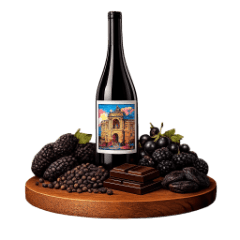
Odesa Black Red
This Ukrainian powerhouse brings the drama with flesh as dark as its skin. It is like sipping on a brooding mystery wrapped in spices, delivering a punch of dark fruit that stains your teeth and soul.
This Ukrainian powerhouse brings the drama with flesh as dark as its skin. It is like sipping on a brooding mystery wrapped in spices, delivering a punch of dark fruit that stains your teeth and soul.
This Ukrainian powerhouse brings the drama with flesh as dark as its skin. It is like sipping on a brooding mystery wrapped in spices, delivering a punch of dark fruit that stains your teeth and soul.
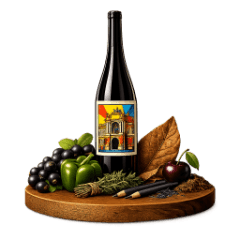
Odesa Cabernet Sauvignon
Grown on the sundrenched steppes near the coast, Cabernet Sauvignon here takes on a distinct savory edge. It swaps the polite French attitude for a rugged, wind-swept intensity that packs a serious herbal punch.
Grown on the sundrenched steppes near the coast, Cabernet Sauvignon here takes on a distinct savory edge. It swaps the polite French attitude for a rugged, wind-swept intensity that packs a serious herbal punch.
Grown on the sundrenched steppes near the coast, Cabernet Sauvignon here takes on a distinct savory edge. It swaps the polite French attitude for a rugged, wind-swept intensity that packs a serious herbal punch.
LATEST REVIEWS