«
Lebanon

Mount Lebanon
Mount Lebanon
Mount Lebanon
History's High Ground
Perched above the Mediterranean, this appellation takes viticulture to dizzying heights literally and historically. It is not just about altitude here but attitude, mixing ancient traditions with a cool climate that makes bottles pop with freshness.
Perched above the Mediterranean, this appellation takes viticulture to dizzying heights literally and historically. It is not just about altitude here but attitude, mixing ancient traditions with a cool climate that makes bottles pop with freshness.
Perched above the Mediterranean, this appellation takes viticulture to dizzying heights literally and historically. It is not just about altitude here but attitude, mixing ancient traditions with a cool climate that makes bottles pop with freshness.


Why it's unique
Ancient viticulture
Monastic traditions
Indigenous varieties
Forget everything you know about Middle Eastern heat because here it gets chilly. This area holds the title for some of the oldest continuous viticulture on Earth. While wars and empires have come and gone, vignerons have stubbornly kept pressing juice in monasteries and family estates. It creates a stunning mix of indigenous varieties like Obaideh alongside international superstars that somehow feel right at home.
Forget everything you know about Middle Eastern heat because here it gets chilly. This area holds the title for some of the oldest continuous viticulture on Earth. While wars and empires have come and gone, vignerons have stubbornly kept pressing juice in monasteries and family estates. It creates a stunning mix of indigenous varieties like Obaideh alongside international superstars that somehow feel right at home.
Forget everything you know about Middle Eastern heat because here it gets chilly. This area holds the title for some of the oldest continuous viticulture on Earth. While wars and empires have come and gone, vignerons have stubbornly kept pressing juice in monasteries and family estates. It creates a stunning mix of indigenous varieties like Obaideh alongside international superstars that somehow feel right at home.
Terroir
High altitude
Limestone sponge
Cool nights
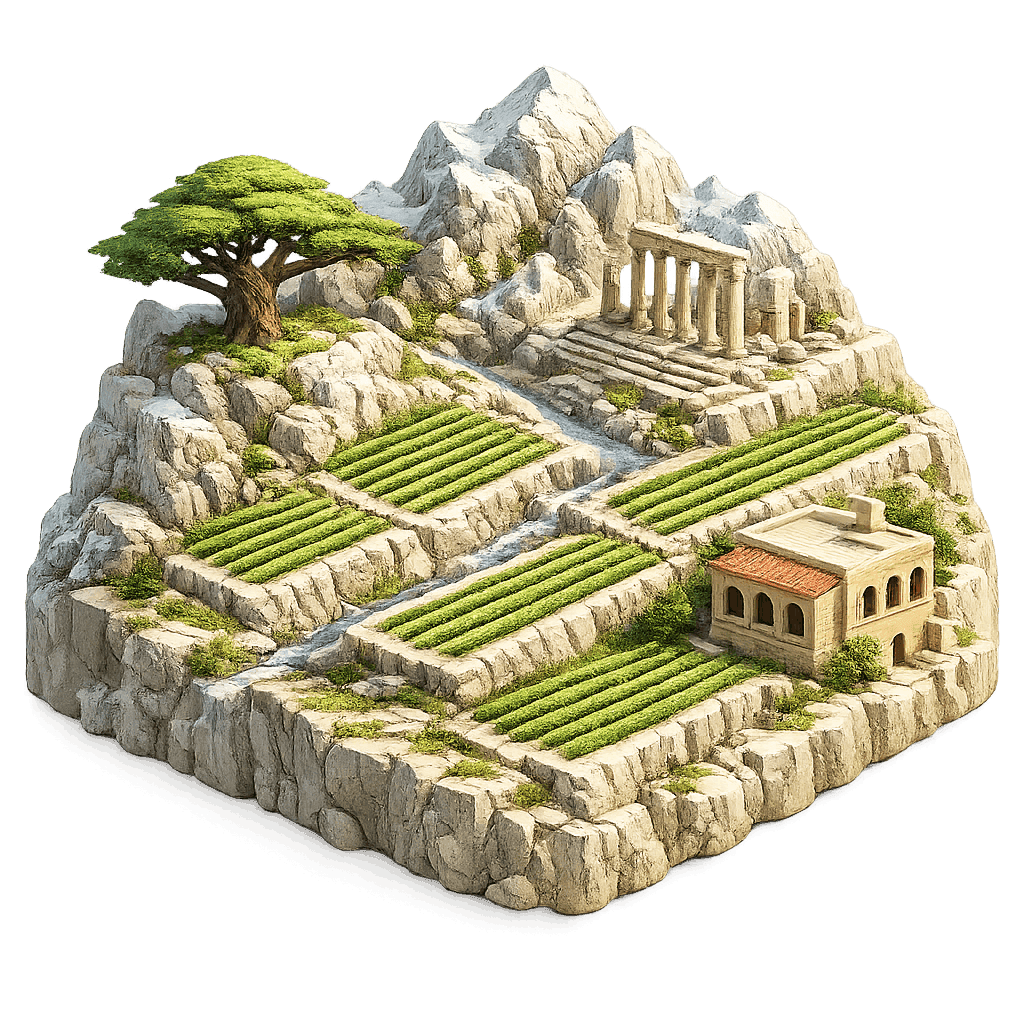
Snow-capped peaks act like nature's air conditioning unit for the vineyards below. Limestone soils act as a giant sponge to hold water during dry summers while adding that mineral zip everyone loves. Sharp temperature drops between day and night preserve acidity, ensuring the final product tastes crisp rather than like jam cooked on a sidewalk.
Snow-capped peaks act like nature's air conditioning unit for the vineyards below. Limestone soils act as a giant sponge to hold water during dry summers while adding that mineral zip everyone loves. Sharp temperature drops between day and night preserve acidity, ensuring the final product tastes crisp rather than like jam cooked on a sidewalk.
Snow-capped peaks act like nature's air conditioning unit for the vineyards below. Limestone soils act as a giant sponge to hold water during dry summers while adding that mineral zip everyone loves. Sharp temperature drops between day and night preserve acidity, ensuring the final product tastes crisp rather than like jam cooked on a sidewalk.
You gotta try
Native whites
Elegant Cinsault
Creamy Obaideh
Search immediately for a crisp white made from Obaideh or Merwah. These native gems offer a creamy texture mixed with citrus zest that you won't find anywhere else. If you prefer red, Cinsault from the nearby Bekaa loses its rustic edge and becomes elegant and perfumed. It is the perfect liquid proof that this region is having a massive renaissance right now.
Search immediately for a crisp white made from Obaideh or Merwah. These native gems offer a creamy texture mixed with citrus zest that you won't find anywhere else. If you prefer red, Cinsault from the nearby Bekaa loses its rustic edge and becomes elegant and perfumed. It is the perfect liquid proof that this region is having a massive renaissance right now.
Search immediately for a crisp white made from Obaideh or Merwah. These native gems offer a creamy texture mixed with citrus zest that you won't find anywhere else. If you prefer red, Cinsault from the nearby Bekaa loses its rustic edge and becomes elegant and perfumed. It is the perfect liquid proof that this region is having a massive renaissance right now.
LOCAL TALES
The Original Influencers
The Original Influencers
The Original Influencers
Long before social media influencers were posting bottle shots, the Phoenicians were the original wine marketers of the ancient world. They didn't just drink the stuff they realized everyone else wanted it too. Operating from these very slopes, they mastered the art of grafting and pruning while their ships carried amphorae filled with Mount Lebanon wine across the Mediterranean to Egypt and Rome. It was considered the luxury beverage of the time, basically the Champagne of antiquity. If you were a Pharaoh throwing a party and didn't serve wine from these high hills, were you even really ruling? They put this place on the map over 4,000 years ago.
Long before social media influencers were posting bottle shots, the Phoenicians were the original wine marketers of the ancient world. They didn't just drink the stuff they realized everyone else wanted it too. Operating from these very slopes, they mastered the art of grafting and pruning while their ships carried amphorae filled with Mount Lebanon wine across the Mediterranean to Egypt and Rome. It was considered the luxury beverage of the time, basically the Champagne of antiquity. If you were a Pharaoh throwing a party and didn't serve wine from these high hills, were you even really ruling? They put this place on the map over 4,000 years ago.
Long before social media influencers were posting bottle shots, the Phoenicians were the original wine marketers of the ancient world. They didn't just drink the stuff they realized everyone else wanted it too. Operating from these very slopes, they mastered the art of grafting and pruning while their ships carried amphorae filled with Mount Lebanon wine across the Mediterranean to Egypt and Rome. It was considered the luxury beverage of the time, basically the Champagne of antiquity. If you were a Pharaoh throwing a party and didn't serve wine from these high hills, were you even really ruling? They put this place on the map over 4,000 years ago.
Wine Under Fire
Wine Under Fire
Wine Under Fire
Imagine making wine while shells are falling around you. That is the reality Serge Hochar faced at Chateau Musar in Ghazir. During the brutal 15-year civil war, he stubbornly drove through checkpoints and dodged bullets just to ensure the fermentation finished correctly. In 1984, the fighting was so bad he couldn't even transport the grapes from the Bekaa to the winery in Mount Lebanon, losing nearly the whole vintage. But he never quit. He famously told the world that wine was his answer to war. Because of his sheer stubbornness and charm, he became Decanter's first Man of the Year, proving that passion for fermentation can literally survive gunfire.
Imagine making wine while shells are falling around you. That is the reality Serge Hochar faced at Chateau Musar in Ghazir. During the brutal 15-year civil war, he stubbornly drove through checkpoints and dodged bullets just to ensure the fermentation finished correctly. In 1984, the fighting was so bad he couldn't even transport the grapes from the Bekaa to the winery in Mount Lebanon, losing nearly the whole vintage. But he never quit. He famously told the world that wine was his answer to war. Because of his sheer stubbornness and charm, he became Decanter's first Man of the Year, proving that passion for fermentation can literally survive gunfire.
Imagine making wine while shells are falling around you. That is the reality Serge Hochar faced at Chateau Musar in Ghazir. During the brutal 15-year civil war, he stubbornly drove through checkpoints and dodged bullets just to ensure the fermentation finished correctly. In 1984, the fighting was so bad he couldn't even transport the grapes from the Bekaa to the winery in Mount Lebanon, losing nearly the whole vintage. But he never quit. He famously told the world that wine was his answer to war. Because of his sheer stubbornness and charm, he became Decanter's first Man of the Year, proving that passion for fermentation can literally survive gunfire.
Hiding in the Still
Hiding in the Still
Hiding in the Still
For decades, everyone thought the only way to make 'serious' wine was to plant Cabernet Sauvignon and pretend to be Bordeaux. Local farmers had these weird old vines called Obaideh and Merwah hanging around, mostly used for making Arak, the anise-flavored spirit that knocks your socks off. But recently, a new generation of winemakers looked at these gnarled, ancient stumps and had a lightbulb moment. They looked beyond the still and started vinifying them. The result was mind-blowing. Suddenly, the wine world realized Lebanon had its own flavor profile - smelling like wild herbs, honeycomb, and lemons - that had been hiding in plain sight inside Arak stills for centuries.
For decades, everyone thought the only way to make 'serious' wine was to plant Cabernet Sauvignon and pretend to be Bordeaux. Local farmers had these weird old vines called Obaideh and Merwah hanging around, mostly used for making Arak, the anise-flavored spirit that knocks your socks off. But recently, a new generation of winemakers looked at these gnarled, ancient stumps and had a lightbulb moment. They looked beyond the still and started vinifying them. The result was mind-blowing. Suddenly, the wine world realized Lebanon had its own flavor profile - smelling like wild herbs, honeycomb, and lemons - that had been hiding in plain sight inside Arak stills for centuries.
For decades, everyone thought the only way to make 'serious' wine was to plant Cabernet Sauvignon and pretend to be Bordeaux. Local farmers had these weird old vines called Obaideh and Merwah hanging around, mostly used for making Arak, the anise-flavored spirit that knocks your socks off. But recently, a new generation of winemakers looked at these gnarled, ancient stumps and had a lightbulb moment. They looked beyond the still and started vinifying them. The result was mind-blowing. Suddenly, the wine world realized Lebanon had its own flavor profile - smelling like wild herbs, honeycomb, and lemons - that had been hiding in plain sight inside Arak stills for centuries.
LOCAL WINE STYLES
Lebanese Red Blend
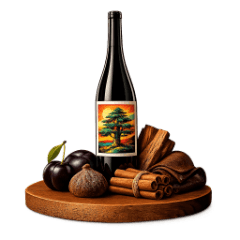
Imagine Bordeaux went on a summer vacation to the Mediterranean and decided to stay forever. These blends mix international muscle like Cabernet Sauvignon with local spice, creating a sun-drenched, herb-infused experience that defies expectations.
Imagine Bordeaux went on a summer vacation to the Mediterranean and decided to stay forever. These blends mix international muscle like Cabernet Sauvignon with local spice, creating a sun-drenched, herb-infused experience that defies expectations.
Imagine Bordeaux went on a summer vacation to the Mediterranean and decided to stay forever. These blends mix international muscle like Cabernet Sauvignon with local spice, creating a sun-drenched, herb-infused experience that defies expectations.
Lebanese White Blend
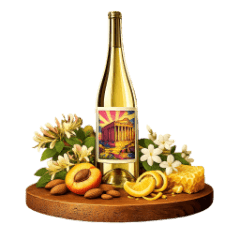
Indigenous Obeideh and Merwah often team up with French grapes here. Expect a textured, slightly waxy mouthful that feels like biting into history while lounging on a Mediterranean beach - savory, honeyed, and utterly fascinating.
Indigenous Obeideh and Merwah often team up with French grapes here. Expect a textured, slightly waxy mouthful that feels like biting into history while lounging on a Mediterranean beach - savory, honeyed, and utterly fascinating.
Indigenous Obeideh and Merwah often team up with French grapes here. Expect a textured, slightly waxy mouthful that feels like biting into history while lounging on a Mediterranean beach - savory, honeyed, and utterly fascinating.
LATEST REVIEWS