«
BROWSE ALL
Lebanon
Lebanon

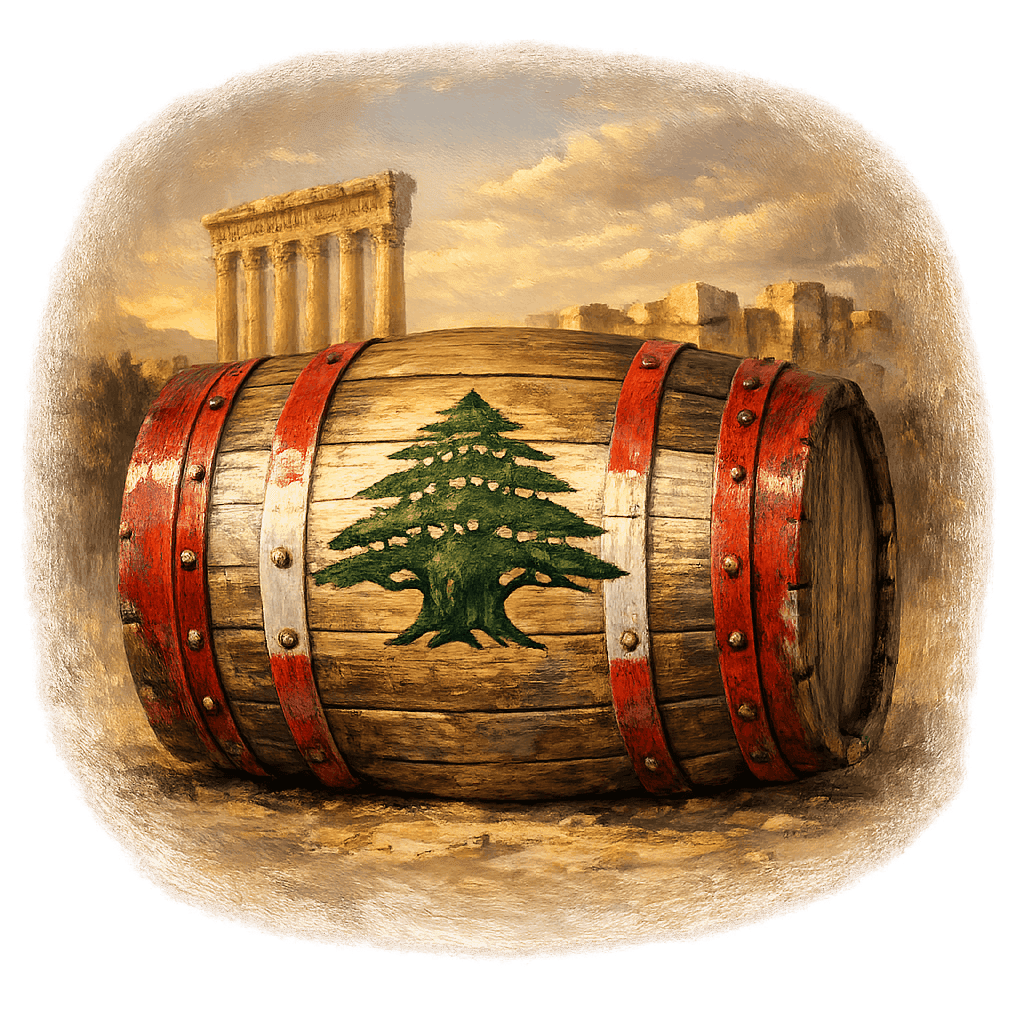
History and gunpowder mix in this tiny Mediterranean powerhouse where winemakers literally dodge bullets to harvest grapes. It is a miraculous blend of ancient Phoenician heritage and sophisticated French influence that refuses to die.
History and gunpowder mix in this tiny Mediterranean powerhouse where winemakers literally dodge bullets to harvest grapes. It is a miraculous blend of ancient Phoenician heritage and sophisticated French influence that refuses to die.
History and gunpowder mix in this tiny Mediterranean powerhouse where winemakers literally dodge bullets to harvest grapes. It is a miraculous blend of ancient Phoenician heritage and sophisticated French influence that refuses to die.
What it's about
Bekaa Valley
Conflict survival
Export focus
Located at the crossroads of East and West, this nation produces around 8 to 9 million bottles annually, mostly from the high-altitude Bekaa Valley. It is a miracle of survival, where ancient traditions dating back to the Phoenicians meet modern techniques brought by French Jesuits. Despite frequent conflict and economic instability, they export nearly half their production, delivering robust reds and surprising whites to sophisticated tables in the UK and US.
Located at the crossroads of East and West, this nation produces around 8 to 9 million bottles annually, mostly from the high-altitude Bekaa Valley. It is a miracle of survival, where ancient traditions dating back to the Phoenicians meet modern techniques brought by French Jesuits. Despite frequent conflict and economic instability, they export nearly half their production, delivering robust reds and surprising whites to sophisticated tables in the UK and US.
Located at the crossroads of East and West, this nation produces around 8 to 9 million bottles annually, mostly from the high-altitude Bekaa Valley. It is a miracle of survival, where ancient traditions dating back to the Phoenicians meet modern techniques brought by French Jesuits. Despite frequent conflict and economic instability, they export nearly half their production, delivering robust reds and surprising whites to sophisticated tables in the UK and US.
What they're proud of
Unbreakable spirit
Chateau Musar
Bacchus Temple
Nothing beats their sheer resilience, making wine here is an act of defiance against war. They are incredibly honored by the legacy of Chateau Musar, which put them on the global map when Serge Hochar kept producing through the civil war. They also boast the Temple of Bacchus in Baalbek, arguably the best-preserved Roman temple in the world, proving that wine worship has been in their DNA for millennia.
Nothing beats their sheer resilience, making wine here is an act of defiance against war. They are incredibly honored by the legacy of Chateau Musar, which put them on the global map when Serge Hochar kept producing through the civil war. They also boast the Temple of Bacchus in Baalbek, arguably the best-preserved Roman temple in the world, proving that wine worship has been in their DNA for millennia.
Nothing beats their sheer resilience, making wine here is an act of defiance against war. They are incredibly honored by the legacy of Chateau Musar, which put them on the global map when Serge Hochar kept producing through the civil war. They also boast the Temple of Bacchus in Baalbek, arguably the best-preserved Roman temple in the world, proving that wine worship has been in their DNA for millennia.
WHAT'S TRENDING
Indigenous whites
Lighter styles
Organic shift
Gone are the days of heavy, oak-dominated international blends, the cool kids are now obsessing over indigenous white grapes like Obeidi and Merwah. Winemakers are crafting fresh, lighter-bodied wines that speak of limestone and salt rather than just power. There is also a surging interest in organic farming and natural wine, with producers proving that even in a chaotic region, you can farm responsibly and drink purely.
Gone are the days of heavy, oak-dominated international blends, the cool kids are now obsessing over indigenous white grapes like Obeidi and Merwah. Winemakers are crafting fresh, lighter-bodied wines that speak of limestone and salt rather than just power. There is also a surging interest in organic farming and natural wine, with producers proving that even in a chaotic region, you can farm responsibly and drink purely.
Gone are the days of heavy, oak-dominated international blends, the cool kids are now obsessing over indigenous white grapes like Obeidi and Merwah. Winemakers are crafting fresh, lighter-bodied wines that speak of limestone and salt rather than just power. There is also a surging interest in organic farming and natural wine, with producers proving that even in a chaotic region, you can farm responsibly and drink purely.
LOCAL TALES
The Man Who Outlasted the Bombs
The Man Who Outlasted the Bombs
The Man Who Outlasted the Bombs
During the brutal 15-year civil war, the legendary Serge Hochar of Chateau Musar refused to stop making wine, famously persisting even as he lost 90 percent of his local market to the chaos. One year, with shelling surrounding the winery, he waited until the fighting paused, raced to the vineyards, and harvested whatever he could before the shooting resumed. When asked why he risked his life for fermented grape juice, he simply replied that wine was a response to the mystery of existence. He would bottle vintages while electricity was cut and militia roadblocks were the norm, effectively proving that you can shell a building, but you can’t kill a vintage.
During the brutal 15-year civil war, the legendary Serge Hochar of Chateau Musar refused to stop making wine, famously persisting even as he lost 90 percent of his local market to the chaos. One year, with shelling surrounding the winery, he waited until the fighting paused, raced to the vineyards, and harvested whatever he could before the shooting resumed. When asked why he risked his life for fermented grape juice, he simply replied that wine was a response to the mystery of existence. He would bottle vintages while electricity was cut and militia roadblocks were the norm, effectively proving that you can shell a building, but you can’t kill a vintage.
The Original Wine Merchants
The Original Wine Merchants
The Original Wine Merchants
Long before French monks arrived, the Phoenicians were the world's first true wine salesmen, operating from the coastal cities of Byblos, Sidon, and Tyre. They didn't just drink the stuff, they built massive ships to export their 'fragrant wine of Lebanon' to Egypt, Greece, and beyond, effectively teaching the Mediterranean how to drink. They were so successful that they invented the alphabet partly to keep better track of their wine receipts. It is said they introduced viticulture to Europe, so every time you sip a glass of French or Italian red, you should technically probably be raising a toast to these ancient maritime hustlers.
Long before French monks arrived, the Phoenicians were the world's first true wine salesmen, operating from the coastal cities of Byblos, Sidon, and Tyre. They didn't just drink the stuff, they built massive ships to export their 'fragrant wine of Lebanon' to Egypt, Greece, and beyond, effectively teaching the Mediterranean how to drink. They were so successful that they invented the alphabet partly to keep better track of their wine receipts. It is said they introduced viticulture to Europe, so every time you sip a glass of French or Italian red, you should technically probably be raising a toast to these ancient maritime hustlers.
Harvesting Under Fire
Harvesting Under Fire
Harvesting Under Fire
In more recent conflicts, the dedication of Lebanese winemakers has bordered on insanity. During the 2006 war, harvest time coincided with heavy bombardment, yet producers in the Bekaa Valley were undeterred. One famous story involves a winemaker who drove his truck between the vines with a large white flag taped to the roof, hoping fighter jets above would recognize he was hauling Cinsault, not munitions. Drivers had to navigate cratered roads at night, headlights off, to get grapes to the winery before they spoiled. It gives a whole new meaning to the term 'terroir' when your soil analysis includes shrapnel and your vintage report mentions airstrikes.
In more recent conflicts, the dedication of Lebanese winemakers has bordered on insanity. During the 2006 war, harvest time coincided with heavy bombardment, yet producers in the Bekaa Valley were undeterred. One famous story involves a winemaker who drove his truck between the vines with a large white flag taped to the roof, hoping fighter jets above would recognize he was hauling Cinsault, not munitions. Drivers had to navigate cratered roads at night, headlights off, to get grapes to the winery before they spoiled. It gives a whole new meaning to the term 'terroir' when your soil analysis includes shrapnel and your vintage report mentions airstrikes.
REGIONS
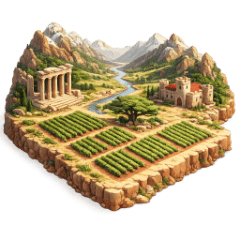
Bekaa Valley
Most people don't associate active conflict zones with world-class Cabernet, but Lebanon defies logic. This valley is the spiritual home of winemaking, pumping out Bordeaux blends that scream elegance despite the chaos that often surrounds them.
Most people don't associate active conflict zones with world-class Cabernet, but Lebanon defies logic. This valley is the spiritual home of winemaking, pumping out Bordeaux blends that scream elegance despite the chaos that often surrounds them.

Mount Lebanon
Perched above the Mediterranean, this appellation takes viticulture to dizzying heights literally and historically. It is not just about altitude here but attitude, mixing ancient traditions with a cool climate that makes bottles pop with freshness.
Perched above the Mediterranean, this appellation takes viticulture to dizzying heights literally and historically. It is not just about altitude here but attitude, mixing ancient traditions with a cool climate that makes bottles pop with freshness.
WINE STYLES
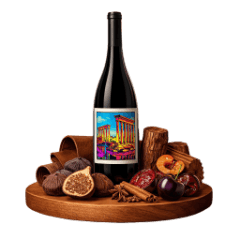
Bekaa Valley Red
Imagine biting into a sun-dried fig while standing in a cedar forest. This style blends French finesse with Middle Eastern heat, delivering robust reds that survived empires and conflict to land in your glass.
Imagine biting into a sun-dried fig while standing in a cedar forest. This style blends French finesse with Middle Eastern heat, delivering robust reds that survived empires and conflict to land in your glass.
Imagine biting into a sun-dried fig while standing in a cedar forest. This style blends French finesse with Middle Eastern heat, delivering robust reds that survived empires and conflict to land in your glass.
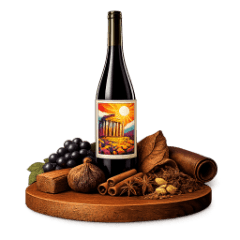
Bekaa Valley Bordeaux Blend
Think of this as a classic French aristocrat who moved to the Middle East and got a really deep tan. It is all the structure you love from Bordeaux but packed with spicy, sun-baked warmth and history.
Think of this as a classic French aristocrat who moved to the Middle East and got a really deep tan. It is all the structure you love from Bordeaux but packed with spicy, sun-baked warmth and history.
Think of this as a classic French aristocrat who moved to the Middle East and got a really deep tan. It is all the structure you love from Bordeaux but packed with spicy, sun-baked warmth and history.
LATEST REVIEWS