«
BROWSE ALL
Chile
Chile

Stretching endlessly down South America’s spine, this nation offers a kaleidoscope of terroirs protected by natural barriers. It is a winemaker’s playground where ungrafted roots dig deep and every valley tells a distinct, flavorful story.
Stretching endlessly down South America’s spine, this nation offers a kaleidoscope of terroirs protected by natural barriers. It is a winemaker’s playground where ungrafted roots dig deep and every valley tells a distinct, flavorful story.
Stretching endlessly down South America’s spine, this nation offers a kaleidoscope of terroirs protected by natural barriers. It is a winemaker’s playground where ungrafted roots dig deep and every valley tells a distinct, flavorful story.

What it's about
Export giant
Going high-end
Diverse climates
Global markets rely heavily on this export giant, which currently ranks as the fourth-largest exporter worldwide. It is a production powerhouse, churning out consistent value bottles while increasingly dazzling critics with high-end, terroir-driven gems. From the arid Atacama north to the rainy southern frontiers, the country offers diversity that few can match, selling massive volumes to thirsty buyers in Brazil, the UK, and the USA.
Global markets rely heavily on this export giant, which currently ranks as the fourth-largest exporter worldwide. It is a production powerhouse, churning out consistent value bottles while increasingly dazzling critics with high-end, terroir-driven gems. From the arid Atacama north to the rainy southern frontiers, the country offers diversity that few can match, selling massive volumes to thirsty buyers in Brazil, the UK, and the USA.
Global markets rely heavily on this export giant, which currently ranks as the fourth-largest exporter worldwide. It is a production powerhouse, churning out consistent value bottles while increasingly dazzling critics with high-end, terroir-driven gems. From the arid Atacama north to the rainy southern frontiers, the country offers diversity that few can match, selling massive volumes to thirsty buyers in Brazil, the UK, and the USA.
What they're proud of
natural shields
Ungrafted roots
carmenere revival
Their vineyards are a fortress, naturally shielded from phylloxera by deserts, mountains, and oceans, allowing stocks to grow on their own original roots - a rarity globally. Locals also beam with pride over Carmenere, a Bordeaux survivor that found a safe haven here after being presumed extinct. This signature red, along with ancient, dry-farmed bush vines in Maule, defines their unique contribution to viticulture.
Their vineyards are a fortress, naturally shielded from phylloxera by deserts, mountains, and oceans, allowing stocks to grow on their own original roots - a rarity globally. Locals also beam with pride over Carmenere, a Bordeaux survivor that found a safe haven here after being presumed extinct. This signature red, along with ancient, dry-farmed bush vines in Maule, defines their unique contribution to viticulture.
Their vineyards are a fortress, naturally shielded from phylloxera by deserts, mountains, and oceans, allowing stocks to grow on their own original roots - a rarity globally. Locals also beam with pride over Carmenere, a Bordeaux survivor that found a safe haven here after being presumed extinct. This signature red, along with ancient, dry-farmed bush vines in Maule, defines their unique contribution to viticulture.
WHAT'S TRENDING
Cool climate
Pais revival
growing carignan
Cool coastal breezes are all the rage now. Winemakers are fleeing the hot central plains for the chilly lips of the Pacific or the rainy deep south, crafting razor-sharp Sauvignon Blanc and Pinot Noir. There is also a massive revival of "peasant" ancestors like Pais and Carignan; while Pais enjoys its own renaissance, Carignan is the star of the VIGNO movement, celebrated for its rustic, authentic charm and incredible old-vine resilience.
Cool coastal breezes are all the rage now. Winemakers are fleeing the hot central plains for the chilly lips of the Pacific or the rainy deep south, crafting razor-sharp Sauvignon Blanc and Pinot Noir. There is also a massive revival of "peasant" ancestors like Pais and Carignan; while Pais enjoys its own renaissance, Carignan is the star of the VIGNO movement, celebrated for its rustic, authentic charm and incredible old-vine resilience.
Cool coastal breezes are all the rage now. Winemakers are fleeing the hot central plains for the chilly lips of the Pacific or the rainy deep south, crafting razor-sharp Sauvignon Blanc and Pinot Noir. There is also a massive revival of "peasant" ancestors like Pais and Carignan; while Pais enjoys its own renaissance, Carignan is the star of the VIGNO movement, celebrated for its rustic, authentic charm and incredible old-vine resilience.
LOCAL TALES
The Case of the Imposter Merlot
The Case of the Imposter Merlot
The Case of the Imposter Merlot
For decades, Chilean growers were baffled by some of their Merlot. It ripened weeks later than it should have, turned bright red in autumn, and tasted distinctly spicy. They just shrugged and called it "Chilean Merlot," assuming the local soil was acting funky. It wasn't until 1994 that French ampelographer Jean-Michel Boursiquot took a stroll through a Maipo vineyard and noticed a twisted stamen that looked suspiciously familiar. He dropped a bombshell: this wasn't Merlot at all. It was Carmenere, a variety thought to be extinct since the phylloxera plague wiped it off the map in Bordeaux a century earlier. Chile had accidentally preserved a ghost, turning a case of mistaken identity into a national treasure.
For decades, Chilean growers were baffled by some of their Merlot. It ripened weeks later than it should have, turned bright red in autumn, and tasted distinctly spicy. They just shrugged and called it "Chilean Merlot," assuming the local soil was acting funky. It wasn't until 1994 that French ampelographer Jean-Michel Boursiquot took a stroll through a Maipo vineyard and noticed a twisted stamen that looked suspiciously familiar. He dropped a bombshell: this wasn't Merlot at all. It was Carmenere, a variety thought to be extinct since the phylloxera plague wiped it off the map in Bordeaux a century earlier. Chile had accidentally preserved a ghost, turning a case of mistaken identity into a national treasure.
Fortress Against the Louse
Fortress Against the Louse
Fortress Against the Louse
While the rest of the wine world was frantically grafting European scions onto American rootstocks to survive the phylloxera apocalypse in the late 1800s, Chile just kept calm and carried on. Thanks to the country’s absurd geography, the deadly louse never made it in. Protected by the freezing Patagonian ice fields to the south, the bone-dry Atacama Desert to the north, the towering Andes to the east, and the Pacific Ocean to the west, the central valleys became a natural bunker. To this day, you can find Cabernet Sauvignon and other noble French imports growing on their own original roots, offering a purity of fruit and connection to the soil that is virtually impossible to find anywhere else on Earth.
While the rest of the wine world was frantically grafting European scions onto American rootstocks to survive the phylloxera apocalypse in the late 1800s, Chile just kept calm and carried on. Thanks to the country’s absurd geography, the deadly louse never made it in. Protected by the freezing Patagonian ice fields to the south, the bone-dry Atacama Desert to the north, the towering Andes to the east, and the Pacific Ocean to the west, the central valleys became a natural bunker. To this day, you can find Cabernet Sauvignon and other noble French imports growing on their own original roots, offering a purity of fruit and connection to the soil that is virtually impossible to find anywhere else on Earth.
The Earthquake Survivor
The Earthquake Survivor
The Earthquake Survivor
In 1939, a devastating earthquake ripped through southern Chile, leaving destruction and poverty in its wake. To help farmers get back on their feet, the government encouraged planting Carignan, a high-yield workhorse that could survive without irrigation. For years, this rustic fruit was blended away into cheap bulk wine, unloved and underappreciated. But recently, a group of maverick winemakers realized these now-ancient, gnarly bush vines were actually producing liquid gold. They formed VIGNO, a club dedicated to preserving these old survivors in Maule. Now, the "ugly duckling" planted to save farmers from ruin has transformed into one of the country's most exciting, high-acid, premium reds, proving that disasters can sometimes plant the seeds of future glory.
In 1939, a devastating earthquake ripped through southern Chile, leaving destruction and poverty in its wake. To help farmers get back on their feet, the government encouraged planting Carignan, a high-yield workhorse that could survive without irrigation. For years, this rustic fruit was blended away into cheap bulk wine, unloved and underappreciated. But recently, a group of maverick winemakers realized these now-ancient, gnarly bush vines were actually producing liquid gold. They formed VIGNO, a club dedicated to preserving these old survivors in Maule. Now, the "ugly duckling" planted to save farmers from ruin has transformed into one of the country's most exciting, high-acid, premium reds, proving that disasters can sometimes plant the seeds of future glory.
REGIONS
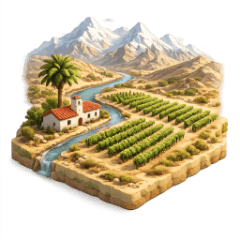
Aconcagua Valley
Located in the shadow of the Americas' tallest mountain, this valley isn't just a climbing base camp. It is a powerhouse for big, bold red wines that soak up the sun while keeping their cool thanks to mountain breezes.
Located in the shadow of the Americas' tallest mountain, this valley isn't just a climbing base camp. It is a powerhouse for big, bold red wines that soak up the sun while keeping their cool thanks to mountain breezes.

Casablanca Valley
Prepare for a chilly reception, but in the best way possible. This spot is Chile's original cool-climate poster child, offering a breezy escape from the heat where crisp whites reign supreme and morning fog is the daily guest.
Prepare for a chilly reception, but in the best way possible. This spot is Chile's original cool-climate poster child, offering a breezy escape from the heat where crisp whites reign supreme and morning fog is the daily guest.
SUB-REGIONS

Aconcagua Costa
(
Aconcagua Valley
)
Just twelve kilometers from the Pacific Ocean, this specific zone trades heat for shivering morning fogs. It is where Chardonnay and Pinot Noir get serious, digging deep into metamorphic rock to produce absolute electricity in a glass.
Just twelve kilometers from the Pacific Ocean, this specific zone trades heat for shivering morning fogs. It is where Chardonnay and Pinot Noir get serious, digging deep into metamorphic rock to produce absolute electricity in a glass.
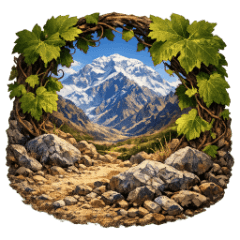
Aconcagua Andes
(
Aconcagua Valley
)
While the coast chills out, this inland area flexes its biceps against the mountain ridges. It is the spiritual home of Chile's iconic red blends, offering heat during the day and shivering nights that lock in flavor.
While the coast chills out, this inland area flexes its biceps against the mountain ridges. It is the spiritual home of Chile's iconic red blends, offering heat during the day and shivering nights that lock in flavor.
WINE STYLES
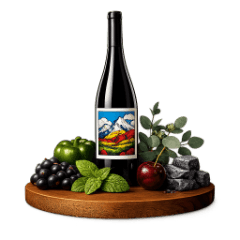
Chilean Cabernet Sauvignon
Imagine sipping a glass of bold dark fruit while standing in a eucalyptus forest. It brings serious structure without the hefty price tag found in Napa, mixing savory green pepper notes with ripe blackcurrants effortlessly.
Imagine sipping a glass of bold dark fruit while standing in a eucalyptus forest. It brings serious structure without the hefty price tag found in Napa, mixing savory green pepper notes with ripe blackcurrants effortlessly.
Imagine sipping a glass of bold dark fruit while standing in a eucalyptus forest. It brings serious structure without the hefty price tag found in Napa, mixing savory green pepper notes with ripe blackcurrants effortlessly.
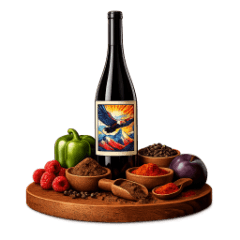
Chilean Carménère
Once thought extinct in Europe, this red found a secret hideout in South America. It is famous for mixing savory herbal notes with plush red fruit, making it the ultimate barbecue wingman for veggies and meats alike.
Once thought extinct in Europe, this red found a secret hideout in South America. It is famous for mixing savory herbal notes with plush red fruit, making it the ultimate barbecue wingman for veggies and meats alike.
Once thought extinct in Europe, this red found a secret hideout in South America. It is famous for mixing savory herbal notes with plush red fruit, making it the ultimate barbecue wingman for veggies and meats alike.
LATEST REVIEWS