«
Uruguay

Maldonado
Maldonado
Maldonado
Atlantic Breeze Glamour
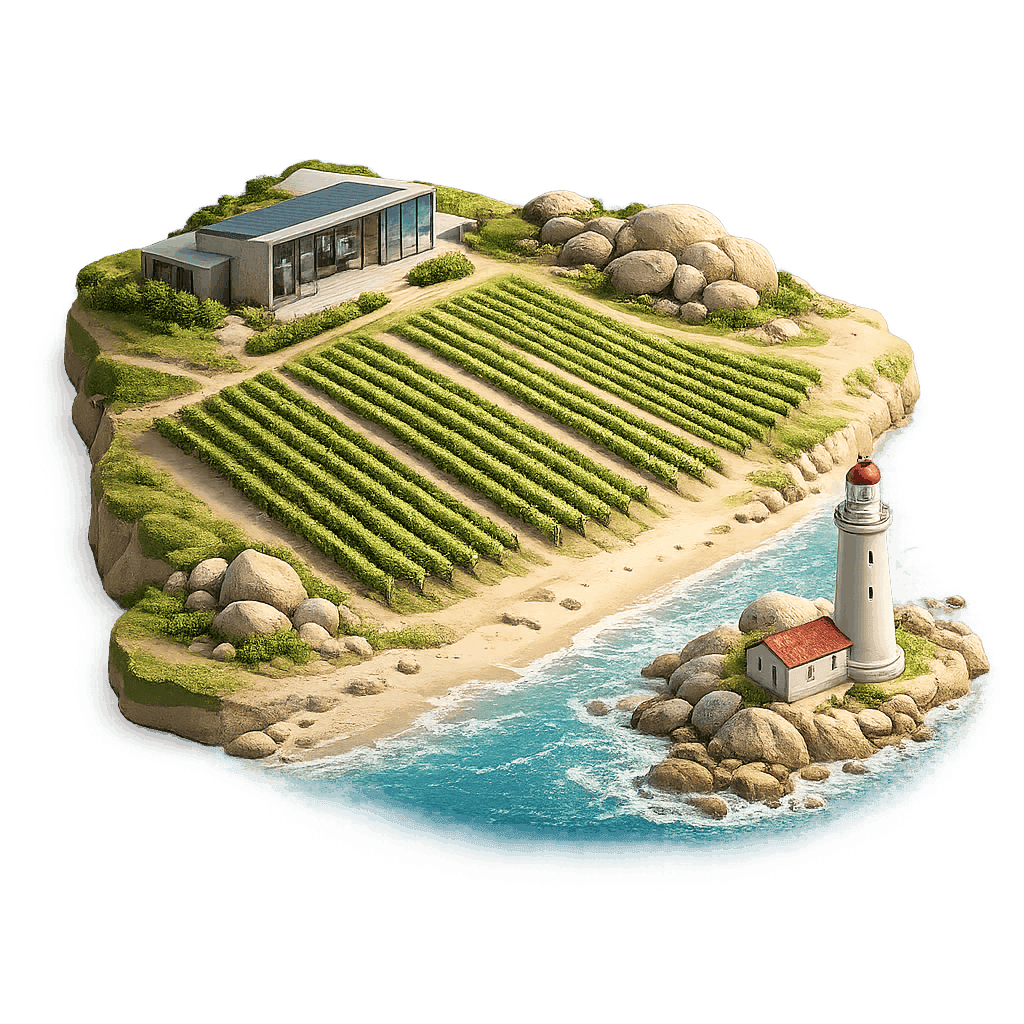
This is where Uruguay puts on its tuxedo. Forget rustic traditions, here, ocean spray meets serious investment to create a scene that is part yacht club elegance and part cutting-edge viticulture lab.
This is where Uruguay puts on its tuxedo. Forget rustic traditions, here, ocean spray meets serious investment to create a scene that is part yacht club elegance and part cutting-edge viticulture lab.
This is where Uruguay puts on its tuxedo. Forget rustic traditions, here, ocean spray meets serious investment to create a scene that is part yacht club elegance and part cutting-edge viticulture lab.








Why it's unique
Modern Style
Big Investment
Granite Soils
Most people think of Tannat as a heavy hitter, but here, everything chills out. It is the new frontier, a playground for ambitious billionaires and flying winemakers turning granite hills into liquid gold. This spot hosts the glitzy Punta del Este crowd, meaning the bottles are as polished as the clientele, focusing on distinct minerality rather than just fruit power.
Most people think of Tannat as a heavy hitter, but here, everything chills out. It is the new frontier, a playground for ambitious billionaires and flying winemakers turning granite hills into liquid gold. This spot hosts the glitzy Punta del Este crowd, meaning the bottles are as polished as the clientele, focusing on distinct minerality rather than just fruit power.
Most people think of Tannat as a heavy hitter, but here, everything chills out. It is the new frontier, a playground for ambitious billionaires and flying winemakers turning granite hills into liquid gold. This spot hosts the glitzy Punta del Este crowd, meaning the bottles are as polished as the clientele, focusing on distinct minerality rather than just fruit power.
Terroir
Constant Wind
Decomposed Granite
Cool Climate
Atlantic winds act like a giant air conditioner that never shuts off, ensuring the fruit ripens slowly while keeping razor-sharp acidity. Underneath the vines, you have got ancient ballast, specifically decomposed granite, which forces roots to dig deep for survival. This struggle creates wines with a salty, savory edge that screams "ocean" louder than a seagull stealing your chips.
Atlantic winds act like a giant air conditioner that never shuts off, ensuring the fruit ripens slowly while keeping razor-sharp acidity. Underneath the vines, you have got ancient ballast, specifically decomposed granite, which forces roots to dig deep for survival. This struggle creates wines with a salty, savory edge that screams "ocean" louder than a seagull stealing your chips.
Atlantic winds act like a giant air conditioner that never shuts off, ensuring the fruit ripens slowly while keeping razor-sharp acidity. Underneath the vines, you have got ancient ballast, specifically decomposed granite, which forces roots to dig deep for survival. This struggle creates wines with a salty, savory edge that screams "ocean" louder than a seagull stealing your chips.
You gotta try
Salty Albariño
Floral Tannat
Cabernet Franc
You really cannot leave without tasting Albariño. It loves the granite and ocean air so much you might think you are in Galicia. For reds, Tannat behaves differently here - it is fresher, more floral, and less of a tannin monster. Also, keep an eye out for spicy Cabernet Franc or even a zesty Pinot Noir that thrives in the wind.
You really cannot leave without tasting Albariño. It loves the granite and ocean air so much you might think you are in Galicia. For reds, Tannat behaves differently here - it is fresher, more floral, and less of a tannin monster. Also, keep an eye out for spicy Cabernet Franc or even a zesty Pinot Noir that thrives in the wind.
You really cannot leave without tasting Albariño. It loves the granite and ocean air so much you might think you are in Galicia. For reds, Tannat behaves differently here - it is fresher, more floral, and less of a tannin monster. Also, keep an eye out for spicy Cabernet Franc or even a zesty Pinot Noir that thrives in the wind.
LOCAL TALES
The Billionaire's Granite Gamble
The Billionaire's Granite Gamble
The Billionaire's Granite Gamble
Alejandro Bulgheroni, a guy with pockets deeper than the ocean, looked at these windy, rocky hills where nothing but eucalyptus grew and said, "I want wine here." Everyone thought he was nuts. The wind is fierce, the soil is basically solid rock, and it is far from the traditional wine hubs. But he brought in heavy hitters like consultant Alberto Antonini, blasted through the granite bedrock, and planted thousands of distinct plots. Now, Bodega Garzón is arguably the most famous winery in the country. It was not just a vineyard planting, it was terraforming a luxury destination from scratch, proving that money cannot buy happiness, but it can definitely buy award-winning Tannat.
Alejandro Bulgheroni, a guy with pockets deeper than the ocean, looked at these windy, rocky hills where nothing but eucalyptus grew and said, "I want wine here." Everyone thought he was nuts. The wind is fierce, the soil is basically solid rock, and it is far from the traditional wine hubs. But he brought in heavy hitters like consultant Alberto Antonini, blasted through the granite bedrock, and planted thousands of distinct plots. Now, Bodega Garzón is arguably the most famous winery in the country. It was not just a vineyard planting, it was terraforming a luxury destination from scratch, proving that money cannot buy happiness, but it can definitely buy award-winning Tannat.
Alejandro Bulgheroni, a guy with pockets deeper than the ocean, looked at these windy, rocky hills where nothing but eucalyptus grew and said, "I want wine here." Everyone thought he was nuts. The wind is fierce, the soil is basically solid rock, and it is far from the traditional wine hubs. But he brought in heavy hitters like consultant Alberto Antonini, blasted through the granite bedrock, and planted thousands of distinct plots. Now, Bodega Garzón is arguably the most famous winery in the country. It was not just a vineyard planting, it was terraforming a luxury destination from scratch, proving that money cannot buy happiness, but it can definitely buy award-winning Tannat.
Battling the Whale Hills
Battling the Whale Hills
Battling the Whale Hills
Before the big corporate money arrived, a daring couple decided to plant vines on the Sierra de la Ballena (Whale Hills). Neighbors told them the Atlantic winds would shred the leaves and the salt would kill the vines in a heartbeat. It was a classic "man versus nature" showdown. They did not have infinite budgets, just a hunch that the granite and the cool air were magical. They planted Merlot and Tannat facing the sea. The first few years were brutal, with gales whipping the young plants, but the vines adapted by developing thicker skins. Today, that wind stress is exactly what makes their wine so intense. Nature tried to bully them, but they just made better wine out of spite.
Before the big corporate money arrived, a daring couple decided to plant vines on the Sierra de la Ballena (Whale Hills). Neighbors told them the Atlantic winds would shred the leaves and the salt would kill the vines in a heartbeat. It was a classic "man versus nature" showdown. They did not have infinite budgets, just a hunch that the granite and the cool air were magical. They planted Merlot and Tannat facing the sea. The first few years were brutal, with gales whipping the young plants, but the vines adapted by developing thicker skins. Today, that wind stress is exactly what makes their wine so intense. Nature tried to bully them, but they just made better wine out of spite.
Before the big corporate money arrived, a daring couple decided to plant vines on the Sierra de la Ballena (Whale Hills). Neighbors told them the Atlantic winds would shred the leaves and the salt would kill the vines in a heartbeat. It was a classic "man versus nature" showdown. They did not have infinite budgets, just a hunch that the granite and the cool air were magical. They planted Merlot and Tannat facing the sea. The first few years were brutal, with gales whipping the young plants, but the vines adapted by developing thicker skins. Today, that wind stress is exactly what makes their wine so intense. Nature tried to bully them, but they just made better wine out of spite.
The Spanish Twin Discovery
The Spanish Twin Discovery
The Spanish Twin Discovery
For decades, Uruguay was the land of Tannat and nothing else really mattered. But Maldonado changed the script entirely. Winemakers realized their local climate was shockingly similar to Rías Baixas in Spain - wet, windy, and full of granite. So, they imported Albariño cuttings to see what would happen. The results were explosive. Albariño took to the soil like it was returning home after a long vacation. Suddenly, blind tastings were happening where experts could not tell if they were drinking a bottle from Uruguay or Spain. It was a white wine revolution that gave the country a white wine flagship to stand beside their red champion, creating a perfect pairing for the local seafood scene.
For decades, Uruguay was the land of Tannat and nothing else really mattered. But Maldonado changed the script entirely. Winemakers realized their local climate was shockingly similar to Rías Baixas in Spain - wet, windy, and full of granite. So, they imported Albariño cuttings to see what would happen. The results were explosive. Albariño took to the soil like it was returning home after a long vacation. Suddenly, blind tastings were happening where experts could not tell if they were drinking a bottle from Uruguay or Spain. It was a white wine revolution that gave the country a white wine flagship to stand beside their red champion, creating a perfect pairing for the local seafood scene.
For decades, Uruguay was the land of Tannat and nothing else really mattered. But Maldonado changed the script entirely. Winemakers realized their local climate was shockingly similar to Rías Baixas in Spain - wet, windy, and full of granite. So, they imported Albariño cuttings to see what would happen. The results were explosive. Albariño took to the soil like it was returning home after a long vacation. Suddenly, blind tastings were happening where experts could not tell if they were drinking a bottle from Uruguay or Spain. It was a white wine revolution that gave the country a white wine flagship to stand beside their red champion, creating a perfect pairing for the local seafood scene.
LOCAL WINE STYLES
Uruguayan Tannat
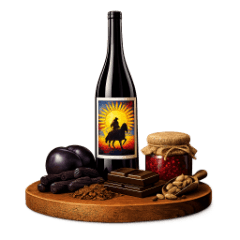
Forget everything you know about aggressive French tannins because Uruguay has tamed this beast into something remarkably approachable. These wines offer power without the pain, delivering lush dark fruit wrapped in a surprisingly velvety texture.
Forget everything you know about aggressive French tannins because Uruguay has tamed this beast into something remarkably approachable. These wines offer power without the pain, delivering lush dark fruit wrapped in a surprisingly velvety texture.
Forget everything you know about aggressive French tannins because Uruguay has tamed this beast into something remarkably approachable. These wines offer power without the pain, delivering lush dark fruit wrapped in a surprisingly velvety texture.
Uruguayan Albariño
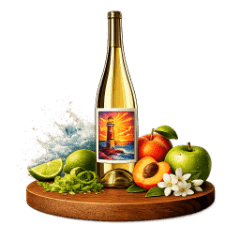
Everyone thinks Spain owns this crisp white, but Uruguay said "hold my mate" and made it their own. It is like biting into a peach while surfing Atlantic waves. Refreshing, surprising, and totally electric.
Everyone thinks Spain owns this crisp white, but Uruguay said "hold my mate" and made it their own. It is like biting into a peach while surfing Atlantic waves. Refreshing, surprising, and totally electric.
Everyone thinks Spain owns this crisp white, but Uruguay said "hold my mate" and made it their own. It is like biting into a peach while surfing Atlantic waves. Refreshing, surprising, and totally electric.
LATEST REVIEWS