«
BROWSE ALL
Uruguay
Uruguay
This wine region that feels more like Bordeaux than the Andes. This tiny nation punches well above its weight, swapping high-altitude deserts for breezy coastal hills where ocean winds shape every bottle.
This wine region that feels more like Bordeaux than the Andes. This tiny nation punches well above its weight, swapping high-altitude deserts for breezy coastal hills where ocean winds shape every bottle.
This wine region that feels more like Bordeaux than the Andes. This tiny nation punches well above its weight, swapping high-altitude deserts for breezy coastal hills where ocean winds shape every bottle.
What it's about
Maritime Climate
Family Owned
Artisanal Scale
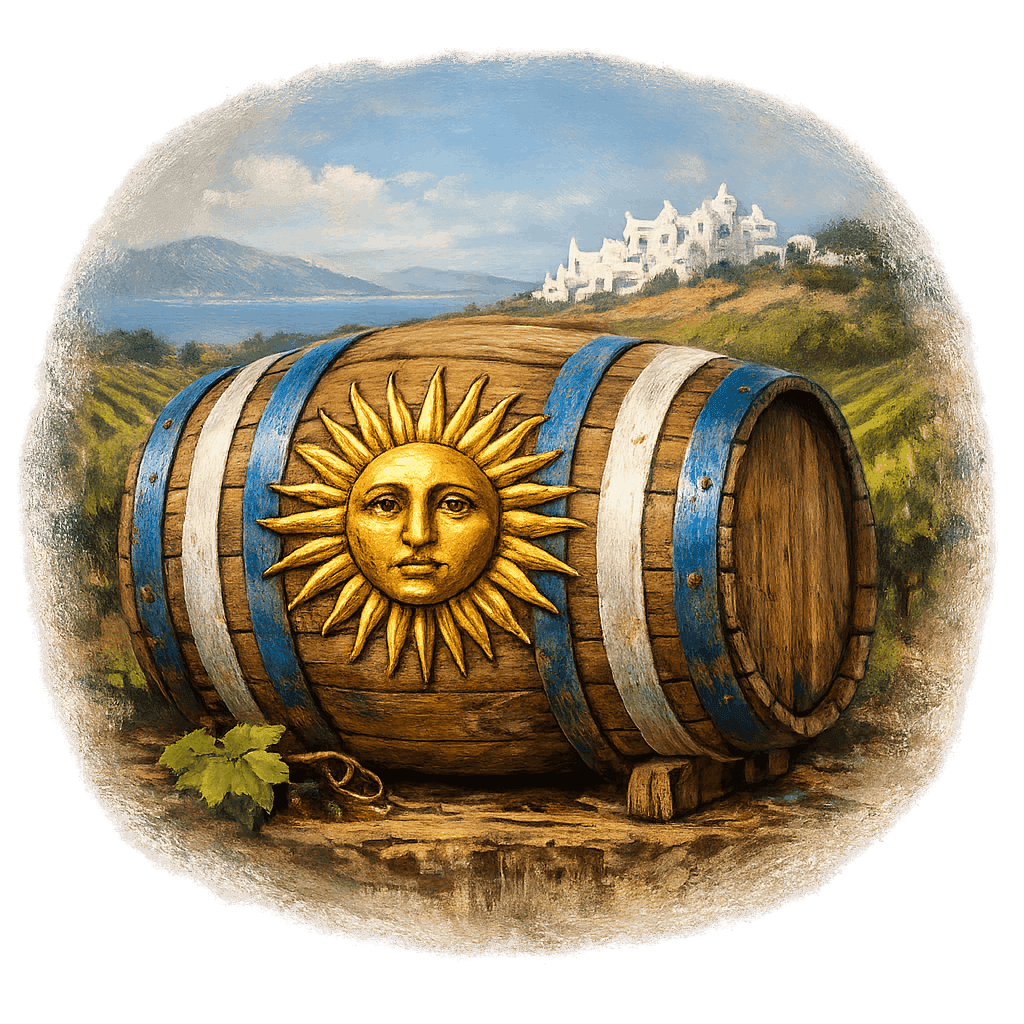
While neighbors Argentina and Chile boast massive outputs, this coastal gem focuses on artisanal scale. It ranks fourth in South American production but operates differently, with a wet, maritime climate similar to France’s southwest. Here, over 160 predominantly family-owned bodegas craft wines influenced by the Atlantic Ocean, resulting in fresh, lower-alcohol styles that contrast sharply with the ripe, fruit-forward bombs found elsewhere on the continent.
While neighbors Argentina and Chile boast massive outputs, this coastal gem focuses on artisanal scale. It ranks fourth in South American production but operates differently, with a wet, maritime climate similar to France’s southwest. Here, over 160 predominantly family-owned bodegas craft wines influenced by the Atlantic Ocean, resulting in fresh, lower-alcohol styles that contrast sharply with the ripe, fruit-forward bombs found elsewhere on the continent.
While neighbors Argentina and Chile boast massive outputs, this coastal gem focuses on artisanal scale. It ranks fourth in South American production but operates differently, with a wet, maritime climate similar to France’s southwest. Here, over 160 predominantly family-owned bodegas craft wines influenced by the Atlantic Ocean, resulting in fresh, lower-alcohol styles that contrast sharply with the ripe, fruit-forward bombs found elsewhere on the continent.
What they're proud of
Tamed Tannat
National Sustainability
Green Viticulture
Tannat is the undisputed king here. Locals took this rustic, high-tannin monster from France and tamed it into something velvety and elegant. Beyond their signature red, producers beam about their sustainability credentials, the country boasts one of the most comprehensive, nationally monitored sustainable viticulture programs in the world, ensuring that their green, rolling hills stay green for generations to come.
Tannat is the undisputed king here. Locals took this rustic, high-tannin monster from France and tamed it into something velvety and elegant. Beyond their signature red, producers beam about their sustainability credentials, the country boasts one of the most comprehensive, nationally monitored sustainable viticulture programs in the world, ensuring that their green, rolling hills stay green for generations to come.
Tannat is the undisputed king here. Locals took this rustic, high-tannin monster from France and tamed it into something velvety and elegant. Beyond their signature red, producers beam about their sustainability credentials, the country boasts one of the most comprehensive, nationally monitored sustainable viticulture programs in the world, ensuring that their green, rolling hills stay green for generations to come.
WHAT'S TRENDING
Coastal Albariño
Fresh Reds
Maldonado Region
Albariño is having a massive moment, proving to be the perfect white counterpart to the humid coastal weather. Winemakers are also loosening up, experimenting with lighter, unoaked reds and Pet-Nats that appeal to younger drinkers. Regionally, the spotlight is shifting east towards Maldonado, where rocky soils and intense ocean breezes are producing some of the most exciting, mineral-driven bottles in the Southern Hemisphere.
Albariño is having a massive moment, proving to be the perfect white counterpart to the humid coastal weather. Winemakers are also loosening up, experimenting with lighter, unoaked reds and Pet-Nats that appeal to younger drinkers. Regionally, the spotlight is shifting east towards Maldonado, where rocky soils and intense ocean breezes are producing some of the most exciting, mineral-driven bottles in the Southern Hemisphere.
Albariño is having a massive moment, proving to be the perfect white counterpart to the humid coastal weather. Winemakers are also loosening up, experimenting with lighter, unoaked reds and Pet-Nats that appeal to younger drinkers. Regionally, the spotlight is shifting east towards Maldonado, where rocky soils and intense ocean breezes are producing some of the most exciting, mineral-driven bottles in the Southern Hemisphere.
LOCAL TALES
The Butcher's gamble
The Butcher's gamble
The Butcher's gamble
Before he was a wine legend, Pascual Harriague was just a teenager working in a *saladero* - a meat-curing facility. Arriving from the Basque Country in 1838, he spent years processing cattle before getting the itch to farm. His first attempts with local cuttings were a disaster, producing nothing drinkable. Undeterred, he secured cuttings of Tannat from a neighbor who had them. These thick-skinned berries, native to Madiran, thrived where others rotted. Harriague didn't just find a crop, he found the one survivor tough enough for the humid climate, transforming a butcher’s side hustle into a national identity.
Before he was a wine legend, Pascual Harriague was just a teenager working in a *saladero* - a meat-curing facility. Arriving from the Basque Country in 1838, he spent years processing cattle before getting the itch to farm. His first attempts with local cuttings were a disaster, producing nothing drinkable. Undeterred, he secured cuttings of Tannat from a neighbor who had them. These thick-skinned berries, native to Madiran, thrived where others rotted. Harriague didn't just find a crop, he found the one survivor tough enough for the humid climate, transforming a butcher’s side hustle into a national identity.
Armor against the wet
Armor against the wet
Armor against the wet
It’s no accident that Tannat became the national champion. In a land where humidity and rain are constant threats - unlike the dry deserts of Mendoza - vines need armor. Tannat has incredibly thick skins, designed by nature to resist rot and fungal diseases. For decades, this was purely a survival choice, farmers grew it because it didn't die. It wasn't until modern winemakers learned to manage those skins in the cellar, softening the aggressive tannins, that they realized their survivalist crop was actually capable of making world-class luxury wines.
It’s no accident that Tannat became the national champion. In a land where humidity and rain are constant threats - unlike the dry deserts of Mendoza - vines need armor. Tannat has incredibly thick skins, designed by nature to resist rot and fungal diseases. For decades, this was purely a survival choice, farmers grew it because it didn't die. It wasn't until modern winemakers learned to manage those skins in the cellar, softening the aggressive tannins, that they realized their survivalist crop was actually capable of making world-class luxury wines.
The Galician connection
The Galician connection
The Galician connection
For years, producers tried to make Chardonnay and Sauvignon Blanc the stars, but the humid weather often fought back. Then, modern winemakers looked to their Galician heritage. They introduced Albariño, a white grape born to survive in damp, salty air. It wasn't an old survivor, but a brilliant new bet that the local climate was practically a mirror image of northwestern Spain. Today, it’s not just a trend, it’s widely considered the best white wine terroir in South America, purely because the weather finally met its match.
For years, producers tried to make Chardonnay and Sauvignon Blanc the stars, but the humid weather often fought back. Then, modern winemakers looked to their Galician heritage. They introduced Albariño, a white grape born to survive in damp, salty air. It wasn't an old survivor, but a brilliant new bet that the local climate was practically a mirror image of northwestern Spain. Today, it’s not just a trend, it’s widely considered the best white wine terroir in South America, purely because the weather finally met its match.
REGIONS

Canelones
Here is where the real magic happens in Uruguay. It is not just about beef - this place pumps out the vast majority of the country's wine with a distinctively fresh, oceanic vibe that separates it from its neighbors.
Here is where the real magic happens in Uruguay. It is not just about beef - this place pumps out the vast majority of the country's wine with a distinctively fresh, oceanic vibe that separates it from its neighbors.
Montevideo
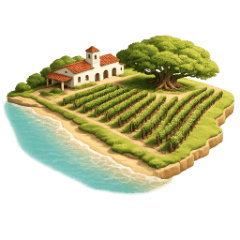
Imagine sipping a glass of red while technically being inside a bustling capital city. It’s where concrete meets Tannat, and historic family wineries hold their ground against urban sprawl with surprising elegance.
Imagine sipping a glass of red while technically being inside a bustling capital city. It’s where concrete meets Tannat, and historic family wineries hold their ground against urban sprawl with surprising elegance.
WINE STYLES
Uruguayan Tannat
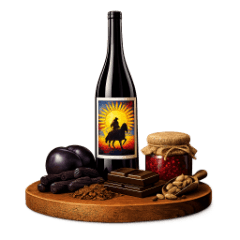
Forget everything you know about aggressive French tannins because Uruguay has tamed this beast into something remarkably approachable. These wines offer power without the pain, delivering lush dark fruit wrapped in a surprisingly velvety texture.
Forget everything you know about aggressive French tannins because Uruguay has tamed this beast into something remarkably approachable. These wines offer power without the pain, delivering lush dark fruit wrapped in a surprisingly velvety texture.
Forget everything you know about aggressive French tannins because Uruguay has tamed this beast into something remarkably approachable. These wines offer power without the pain, delivering lush dark fruit wrapped in a surprisingly velvety texture.
Uruguayan Albariño
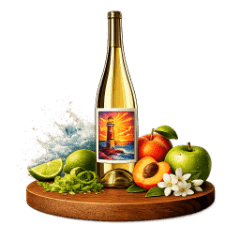
Everyone thinks Spain owns this crisp white, but Uruguay said "hold my mate" and made it their own. It is like biting into a peach while surfing Atlantic waves. Refreshing, surprising, and totally electric.
Everyone thinks Spain owns this crisp white, but Uruguay said "hold my mate" and made it their own. It is like biting into a peach while surfing Atlantic waves. Refreshing, surprising, and totally electric.
Everyone thinks Spain owns this crisp white, but Uruguay said "hold my mate" and made it their own. It is like biting into a peach while surfing Atlantic waves. Refreshing, surprising, and totally electric.
LATEST REVIEWS