«
Chile

Maipo Valley
Maipo Valley
Maipo Valley
Cabernet's Dusty Throne
Picture the aristocracy of Chilean wine where history meets heavy reds. Being right next to Santiago means urban sprawl fights against ancient cellars, but those dusty bottles hold absolute world-class juice worthy of royalty.
Picture the aristocracy of Chilean wine where history meets heavy reds. Being right next to Santiago means urban sprawl fights against ancient cellars, but those dusty bottles hold absolute world-class juice worthy of royalty.
Picture the aristocracy of Chilean wine where history meets heavy reds. Being right next to Santiago means urban sprawl fights against ancient cellars, but those dusty bottles hold absolute world-class juice worthy of royalty.
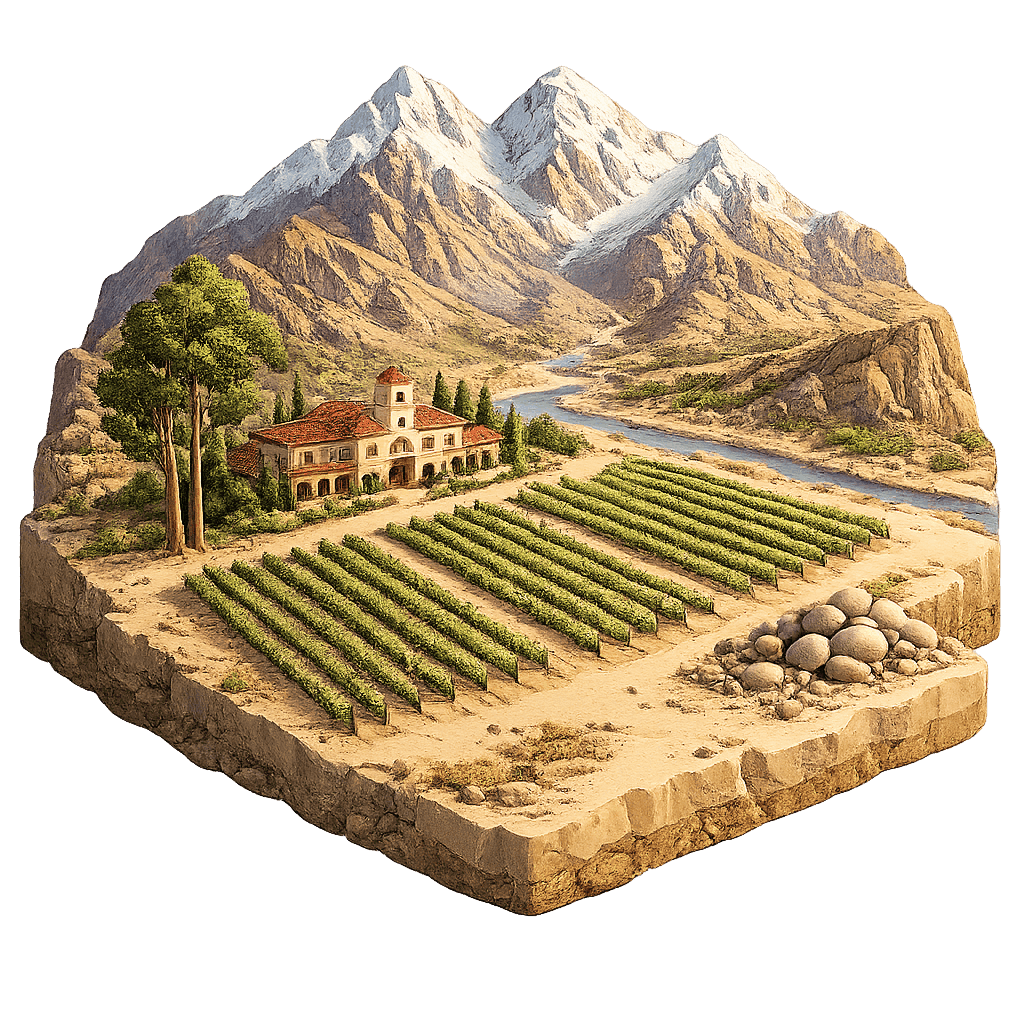
LEADERS

HELPERS






Why it's unique
Heritage estates
Bordeaux influence
Prestige focus
Often dubbed the Bordeaux of South America, this area is where the big guns play. It is famous for hosting heritage wineries that put the country on the map. You have centuries-old estates established by wealthy families who brought French clippings over before phylloxera ruined Europe's party. It represents the definition of traditional prestige and power within the Chilean viticultural scene.
Often dubbed the Bordeaux of South America, this area is where the big guns play. It is famous for hosting heritage wineries that put the country on the map. You have centuries-old estates established by wealthy families who brought French clippings over before phylloxera ruined Europe's party. It represents the definition of traditional prestige and power within the Chilean viticultural scene.
Often dubbed the Bordeaux of South America, this area is where the big guns play. It is famous for hosting heritage wineries that put the country on the map. You have centuries-old estates established by wealthy families who brought French clippings over before phylloxera ruined Europe's party. It represents the definition of traditional prestige and power within the Chilean viticultural scene.
Terroir
Andes cooling
Rocky gravel
Minty notes
Altitude acts as the secret sauce here. Divided into three sections, the best stuff hails from the Alto Maipo where the Andes provide cooling breezes to balance the sun. Rocky, free-draining gravel forces roots to dig deep for nutrients. This struggle creates concentrated, structured wines with that signature minty eucalyptus note everyone talks about but few can replicate perfectly.
Altitude acts as the secret sauce here. Divided into three sections, the best stuff hails from the Alto Maipo where the Andes provide cooling breezes to balance the sun. Rocky, free-draining gravel forces roots to dig deep for nutrients. This struggle creates concentrated, structured wines with that signature minty eucalyptus note everyone talks about but few can replicate perfectly.
Altitude acts as the secret sauce here. Divided into three sections, the best stuff hails from the Alto Maipo where the Andes provide cooling breezes to balance the sun. Rocky, free-draining gravel forces roots to dig deep for nutrients. This struggle creates concentrated, structured wines with that signature minty eucalyptus note everyone talks about but few can replicate perfectly.
You gotta try
Alto Cabernet
Spicy Carmenere
Icon blends
Cabernet Sauvignon acts as the undisputed king here, so grab a bottle from the higher altitudes to experience that perfect mix of ripe black fruit and menthol freshness. Carmenere is also fantastic, offering a spicy, herbal alternative. Don't skip the Bordeaux-style blends, often called "icon wines," which rival the best from Napa or France at a fraction of the cost.
Cabernet Sauvignon acts as the undisputed king here, so grab a bottle from the higher altitudes to experience that perfect mix of ripe black fruit and menthol freshness. Carmenere is also fantastic, offering a spicy, herbal alternative. Don't skip the Bordeaux-style blends, often called "icon wines," which rival the best from Napa or France at a fraction of the cost.
Cabernet Sauvignon acts as the undisputed king here, so grab a bottle from the higher altitudes to experience that perfect mix of ripe black fruit and menthol freshness. Carmenere is also fantastic, offering a spicy, herbal alternative. Don't skip the Bordeaux-style blends, often called "icon wines," which rival the best from Napa or France at a fraction of the cost.
LOCAL TALES
The Devil in the Details
The Devil in the Details
The Devil in the Details
Don Melchor de Concha y Toro had a serious problem back in the late 19th century. He was crafting some of the finest wines in the valley, but his best bottles kept vanishing from the cellar. He suspected light-fingered locals were enjoying his private stash, but he lacked the manpower to guard the door 24/7. Being a creative genius, Don Melchor started a rumor that the devil himself inhabited the depths of his winery. The superstitious locals were terrified, and the thefts stopped immediately. Today, Casillero del Diablo is a global brand, but it all started because one guy decided that scaring the neighbors with satanic folklore was cheaper than hiring security.
Don Melchor de Concha y Toro had a serious problem back in the late 19th century. He was crafting some of the finest wines in the valley, but his best bottles kept vanishing from the cellar. He suspected light-fingered locals were enjoying his private stash, but he lacked the manpower to guard the door 24/7. Being a creative genius, Don Melchor started a rumor that the devil himself inhabited the depths of his winery. The superstitious locals were terrified, and the thefts stopped immediately. Today, Casillero del Diablo is a global brand, but it all started because one guy decided that scaring the neighbors with satanic folklore was cheaper than hiring security.
Don Melchor de Concha y Toro had a serious problem back in the late 19th century. He was crafting some of the finest wines in the valley, but his best bottles kept vanishing from the cellar. He suspected light-fingered locals were enjoying his private stash, but he lacked the manpower to guard the door 24/7. Being a creative genius, Don Melchor started a rumor that the devil himself inhabited the depths of his winery. The superstitious locals were terrified, and the thefts stopped immediately. Today, Casillero del Diablo is a global brand, but it all started because one guy decided that scaring the neighbors with satanic folklore was cheaper than hiring security.
A Living Museum of Vines
A Living Museum of Vines
A Living Museum of Vines
While Europe was panicking in the mid-1800s because a tiny louse called phylloxera was destroying every vineyard in sight, Maipo was sitting pretty. Wealthy Chilean travelers had just returned from France with suitcases full of vine cuttings-Cabernet Sauvignon, Merlot, and Carmenere-planting them in the healthy Andean soils right before the plague hit the Old World. Because Chile is geographically isolated by deserts, mountains, and oceans, the pest never arrived. Consequently, Maipo became a living museum of pre-phylloxera genetics. When you drink these reds, you are effectively tasting the original, unadulterated French vines that went extinct in their homeland over a century ago.
While Europe was panicking in the mid-1800s because a tiny louse called phylloxera was destroying every vineyard in sight, Maipo was sitting pretty. Wealthy Chilean travelers had just returned from France with suitcases full of vine cuttings-Cabernet Sauvignon, Merlot, and Carmenere-planting them in the healthy Andean soils right before the plague hit the Old World. Because Chile is geographically isolated by deserts, mountains, and oceans, the pest never arrived. Consequently, Maipo became a living museum of pre-phylloxera genetics. When you drink these reds, you are effectively tasting the original, unadulterated French vines that went extinct in their homeland over a century ago.
While Europe was panicking in the mid-1800s because a tiny louse called phylloxera was destroying every vineyard in sight, Maipo was sitting pretty. Wealthy Chilean travelers had just returned from France with suitcases full of vine cuttings-Cabernet Sauvignon, Merlot, and Carmenere-planting them in the healthy Andean soils right before the plague hit the Old World. Because Chile is geographically isolated by deserts, mountains, and oceans, the pest never arrived. Consequently, Maipo became a living museum of pre-phylloxera genetics. When you drink these reds, you are effectively tasting the original, unadulterated French vines that went extinct in their homeland over a century ago.
The French Aristocracy Arrives
The French Aristocracy Arrives
The French Aristocracy Arrives
The moment the world really started taking this region seriously happened in 1997. Baroness Philippine de Rothschild, the matriarch of the Mouton dynasty, teamed up with Concha y Toro to create a "Primer Orden" wine. They called it Almaviva. The goal was to mix French winemaking expertise with the exceptional Chilean terroir. They built a stunning winery that married native wood with futuristic curves and produced a blend that silenced critics who thought Chile was only good for cheap supermarket plonk. It proved that Maipo could produce wines that stand toe-to-toe with the fanciest Grand Crus, changing the global perception of South American wine forever.
The moment the world really started taking this region seriously happened in 1997. Baroness Philippine de Rothschild, the matriarch of the Mouton dynasty, teamed up with Concha y Toro to create a "Primer Orden" wine. They called it Almaviva. The goal was to mix French winemaking expertise with the exceptional Chilean terroir. They built a stunning winery that married native wood with futuristic curves and produced a blend that silenced critics who thought Chile was only good for cheap supermarket plonk. It proved that Maipo could produce wines that stand toe-to-toe with the fanciest Grand Crus, changing the global perception of South American wine forever.
The moment the world really started taking this region seriously happened in 1997. Baroness Philippine de Rothschild, the matriarch of the Mouton dynasty, teamed up with Concha y Toro to create a "Primer Orden" wine. They called it Almaviva. The goal was to mix French winemaking expertise with the exceptional Chilean terroir. They built a stunning winery that married native wood with futuristic curves and produced a blend that silenced critics who thought Chile was only good for cheap supermarket plonk. It proved that Maipo could produce wines that stand toe-to-toe with the fanciest Grand Crus, changing the global perception of South American wine forever.
SUB-REGIONS
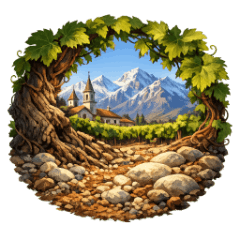
Maipo Alto
(
Maipo Valley
)
Perched right near the Andes, this area sits high up in elevation and acts like the VIP section of Chilean viticulture. It is where rocky soils and cool mountain air conspire to produce legendary reds.
Perched right near the Andes, this area sits high up in elevation and acts like the VIP section of Chilean viticulture. It is where rocky soils and cool mountain air conspire to produce legendary reds.
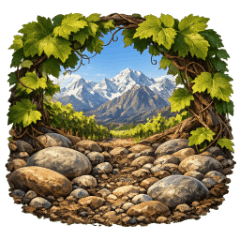
Puente Alto
(
Maipo Valley
)
This isn't just a vineyard area, it's the holy grail of Chilean Cabernet Sauvignon. Situated right where the city meets the Andes, it produces the most expensive and celebrated bottles in the entire country.
This isn't just a vineyard area, it's the holy grail of Chilean Cabernet Sauvignon. Situated right where the city meets the Andes, it produces the most expensive and celebrated bottles in the entire country.
LOCAL WINE STYLES
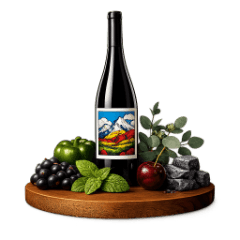
Chilean Cabernet Sauvignon
Imagine sipping a glass of bold dark fruit while standing in a eucalyptus forest. It brings serious structure without the hefty price tag found in Napa, mixing savory green pepper notes with ripe blackcurrants effortlessly.
Imagine sipping a glass of bold dark fruit while standing in a eucalyptus forest. It brings serious structure without the hefty price tag found in Napa, mixing savory green pepper notes with ripe blackcurrants effortlessly.
Imagine sipping a glass of bold dark fruit while standing in a eucalyptus forest. It brings serious structure without the hefty price tag found in Napa, mixing savory green pepper notes with ripe blackcurrants effortlessly.
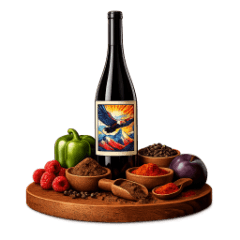
Chilean Carménère
Once thought extinct in Europe, this red found a secret hideout in South America. It is famous for mixing savory herbal notes with plush red fruit, making it the ultimate barbecue wingman for veggies and meats alike.
Once thought extinct in Europe, this red found a secret hideout in South America. It is famous for mixing savory herbal notes with plush red fruit, making it the ultimate barbecue wingman for veggies and meats alike.
Once thought extinct in Europe, this red found a secret hideout in South America. It is famous for mixing savory herbal notes with plush red fruit, making it the ultimate barbecue wingman for veggies and meats alike.
LATEST REVIEWS