«
Israel

Galilee
Galilee
Galilee
Holy Land Heights
Forget everything you think you know about desert wine because this place breaks all the rules. Up here, it is all about high elevations, lush green mountains, and boutique wineries turning water into award-winning Cabernet Sauvignon.
Forget everything you think you know about desert wine because this place breaks all the rules. Up here, it is all about high elevations, lush green mountains, and boutique wineries turning water into award-winning Cabernet Sauvignon.
Forget everything you think you know about desert wine because this place breaks all the rules. Up here, it is all about high elevations, lush green mountains, and boutique wineries turning water into award-winning Cabernet Sauvignon.
LEADERS



HELPERS






Why it's unique
Ancient Roots
Modern Tech
Quality Hub
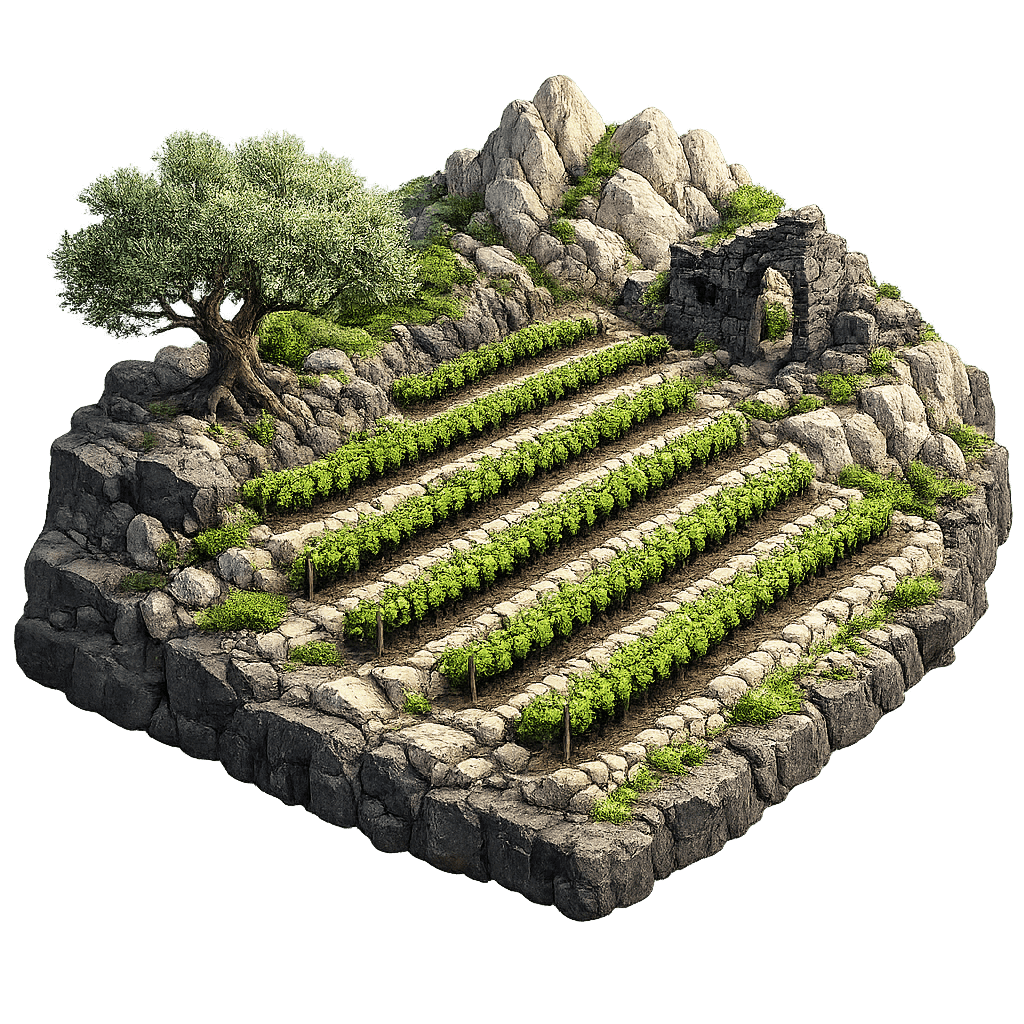
History runs deep here, but the winemaking is shockingly modern. You have vineyards sitting on ancient terraces where biblical figures probably walked, yet the cellars are full of stainless steel and state-of-the-art tech. It is the powerhouse of quality Israeli viticulture, constantly proving that the Mediterranean climate can produce reds with serious structure and whites that do not taste like baked apples.
History runs deep here, but the winemaking is shockingly modern. You have vineyards sitting on ancient terraces where biblical figures probably walked, yet the cellars are full of stainless steel and state-of-the-art tech. It is the powerhouse of quality Israeli viticulture, constantly proving that the Mediterranean climate can produce reds with serious structure and whites that do not taste like baked apples.
History runs deep here, but the winemaking is shockingly modern. You have vineyards sitting on ancient terraces where biblical figures probably walked, yet the cellars are full of stainless steel and state-of-the-art tech. It is the powerhouse of quality Israeli viticulture, constantly proving that the Mediterranean climate can produce reds with serious structure and whites that do not taste like baked apples.
Terroir
High Altitude
Volcanic Soil
Cool Breezes
Elevation is the secret sauce in this recipe. While the rest of the country bakes, Upper Galilee enjoys cool breezes and even snowy winters. Volcanic basalt and limestone soils act like a mineral buffet for the roots. This contrast between warm days and chilly nights locks in acidity, meaning the fruit ripens fully without turning into jam.
Elevation is the secret sauce in this recipe. While the rest of the country bakes, Upper Galilee enjoys cool breezes and even snowy winters. Volcanic basalt and limestone soils act like a mineral buffet for the roots. This contrast between warm days and chilly nights locks in acidity, meaning the fruit ripens fully without turning into jam.
Elevation is the secret sauce in this recipe. While the rest of the country bakes, Upper Galilee enjoys cool breezes and even snowy winters. Volcanic basalt and limestone soils act like a mineral buffet for the roots. This contrast between warm days and chilly nights locks in acidity, meaning the fruit ripens fully without turning into jam.
You gotta try
Bold Cabernet
Crisp Sauvignon
Meaty Syrah
Cabernet Sauvignon is the undisputed king of the hill here, offering bold dark fruit and spicy notes that rival California. For something fresher, hunt down a Sauvignon Blanc from the highest plots. Syrah also loves these volcanic soils, producing wines that are meaty, peppery, and packed with enough personality to stand up to a heavy Shabbat dinner.
Cabernet Sauvignon is the undisputed king of the hill here, offering bold dark fruit and spicy notes that rival California. For something fresher, hunt down a Sauvignon Blanc from the highest plots. Syrah also loves these volcanic soils, producing wines that are meaty, peppery, and packed with enough personality to stand up to a heavy Shabbat dinner.
Cabernet Sauvignon is the undisputed king of the hill here, offering bold dark fruit and spicy notes that rival California. For something fresher, hunt down a Sauvignon Blanc from the highest plots. Syrah also loves these volcanic soils, producing wines that are meaty, peppery, and packed with enough personality to stand up to a heavy Shabbat dinner.
LOCAL TALES
The Baron's Big Gamble
The Baron's Big Gamble
The Baron's Big Gamble
Baron Edmond de Rothschild usually gets credit for kickstarting modern Israeli wine in the late 19th century, but the Galilee had a quieter, ancient rhythm long before he arrived. Archeologists keep digging up wine presses that date back thousands of years, proving that locals were fermentation experts while most of Europe was still figuring out basic hygiene. The real turning point for quality did not happen until the Golan Heights Winery revolution in the 1980s spilled over into the Galilee. Suddenly, people realized these high-altitude spots weren't just for goats and mystics. They planted international vines, brought in cold-fermentation tanks, and turned a thousands-year-old tradition into a modern success story that finally put the region on the fine wine map.
Baron Edmond de Rothschild usually gets credit for kickstarting modern Israeli wine in the late 19th century, but the Galilee had a quieter, ancient rhythm long before he arrived. Archeologists keep digging up wine presses that date back thousands of years, proving that locals were fermentation experts while most of Europe was still figuring out basic hygiene. The real turning point for quality did not happen until the Golan Heights Winery revolution in the 1980s spilled over into the Galilee. Suddenly, people realized these high-altitude spots weren't just for goats and mystics. They planted international vines, brought in cold-fermentation tanks, and turned a thousands-year-old tradition into a modern success story that finally put the region on the fine wine map.
Baron Edmond de Rothschild usually gets credit for kickstarting modern Israeli wine in the late 19th century, but the Galilee had a quieter, ancient rhythm long before he arrived. Archeologists keep digging up wine presses that date back thousands of years, proving that locals were fermentation experts while most of Europe was still figuring out basic hygiene. The real turning point for quality did not happen until the Golan Heights Winery revolution in the 1980s spilled over into the Galilee. Suddenly, people realized these high-altitude spots weren't just for goats and mystics. They planted international vines, brought in cold-fermentation tanks, and turned a thousands-year-old tradition into a modern success story that finally put the region on the fine wine map.
Garage Winemakers Gone Wild
Garage Winemakers Gone Wild
Garage Winemakers Gone Wild
If you throw a stone in the Upper Galilee, you will probably hit a boutique winemaker or a tech guy who decided to buy a vineyard. This region became the Silicon Valley of Israeli wine. In the early 2000s, a massive wave of small, family-owned operations popped up, driven by obsession rather than profit margins. These aren't massive industrial factories. We are talking about garages converted into cellars and tasting rooms built on porches. This explosion of micro-wineries created a fierce but friendly competition where neighbors constantly try to outdo each other with obscure blends and single-vineyard bottlings. It transformed the area from a bulk wine supplier into a hunter's paradise for collectors seeking limited-run bottles.
If you throw a stone in the Upper Galilee, you will probably hit a boutique winemaker or a tech guy who decided to buy a vineyard. This region became the Silicon Valley of Israeli wine. In the early 2000s, a massive wave of small, family-owned operations popped up, driven by obsession rather than profit margins. These aren't massive industrial factories. We are talking about garages converted into cellars and tasting rooms built on porches. This explosion of micro-wineries created a fierce but friendly competition where neighbors constantly try to outdo each other with obscure blends and single-vineyard bottlings. It transformed the area from a bulk wine supplier into a hunter's paradise for collectors seeking limited-run bottles.
If you throw a stone in the Upper Galilee, you will probably hit a boutique winemaker or a tech guy who decided to buy a vineyard. This region became the Silicon Valley of Israeli wine. In the early 2000s, a massive wave of small, family-owned operations popped up, driven by obsession rather than profit margins. These aren't massive industrial factories. We are talking about garages converted into cellars and tasting rooms built on porches. This explosion of micro-wineries created a fierce but friendly competition where neighbors constantly try to outdo each other with obscure blends and single-vineyard bottlings. It transformed the area from a bulk wine supplier into a hunter's paradise for collectors seeking limited-run bottles.
Breaking the Kosher Stereotype
Breaking the Kosher Stereotype
Breaking the Kosher Stereotype
For decades, the world assumed that if a bottle had Hebrew letters on the label, it was sweet, boiled sacramental juice fit only for religious ceremonies. The Galilee winemakers took that stereotype personally. They started making Kosher wines that were indistinguishable from top-tier French or American bottles. By treating the certification as a rigorous standard of purity rather than a limitation, they proved that strict supervision results in pristine, flawless wines. Today, blind taste tests frequently see Galilee wines beating famous secular competitors. It turns out that following ancient dietary laws does not mean you cannot make a killer Merlot that creates a buzz among serious sommeliers worldwide.
For decades, the world assumed that if a bottle had Hebrew letters on the label, it was sweet, boiled sacramental juice fit only for religious ceremonies. The Galilee winemakers took that stereotype personally. They started making Kosher wines that were indistinguishable from top-tier French or American bottles. By treating the certification as a rigorous standard of purity rather than a limitation, they proved that strict supervision results in pristine, flawless wines. Today, blind taste tests frequently see Galilee wines beating famous secular competitors. It turns out that following ancient dietary laws does not mean you cannot make a killer Merlot that creates a buzz among serious sommeliers worldwide.
For decades, the world assumed that if a bottle had Hebrew letters on the label, it was sweet, boiled sacramental juice fit only for religious ceremonies. The Galilee winemakers took that stereotype personally. They started making Kosher wines that were indistinguishable from top-tier French or American bottles. By treating the certification as a rigorous standard of purity rather than a limitation, they proved that strict supervision results in pristine, flawless wines. Today, blind taste tests frequently see Galilee wines beating famous secular competitors. It turns out that following ancient dietary laws does not mean you cannot make a killer Merlot that creates a buzz among serious sommeliers worldwide.
LOCAL WINE STYLES
Galilee Cabernet Sauvignon
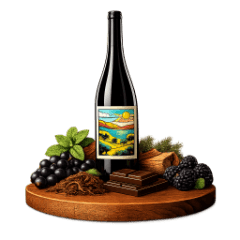
High altitude meets intense sunshine in northern Israel, creating a red that is ripped like an action hero but wears a tailored suit. It offers ripe fruit bombast without losing its cool composure or balance.
High altitude meets intense sunshine in northern Israel, creating a red that is ripped like an action hero but wears a tailored suit. It offers ripe fruit bombast without losing its cool composure or balance.
High altitude meets intense sunshine in northern Israel, creating a red that is ripped like an action hero but wears a tailored suit. It offers ripe fruit bombast without losing its cool composure or balance.
Israeli Cabernet Sauvignon
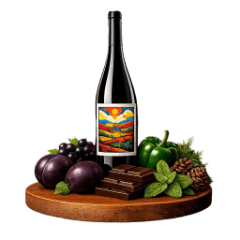
Big, bold, and unapologetically ripe, this juice proves that a hot Mediterranean climate loves Bordeaux superstars. It packs a massive punch of dark fruit and oak, showing the world that serious reds aren't exclusive to France.
Big, bold, and unapologetically ripe, this juice proves that a hot Mediterranean climate loves Bordeaux superstars. It packs a massive punch of dark fruit and oak, showing the world that serious reds aren't exclusive to France.
Big, bold, and unapologetically ripe, this juice proves that a hot Mediterranean climate loves Bordeaux superstars. It packs a massive punch of dark fruit and oak, showing the world that serious reds aren't exclusive to France.
LATEST REVIEWS