«
BROWSE ALL
Israel
Israel

Biblical roots meet high-tech precision in a land where winemaking is both a religious tradition and a cutting-edge agricultural miracle. From the snowy Golan Heights to the arid Negev, every bottle tells a survival story.
Biblical roots meet high-tech precision in a land where winemaking is both a religious tradition and a cutting-edge agricultural miracle. From the snowy Golan Heights to the arid Negev, every bottle tells a survival story.
Biblical roots meet high-tech precision in a land where winemaking is both a religious tradition and a cutting-edge agricultural miracle. From the snowy Golan Heights to the arid Negev, every bottle tells a survival story.

What it's about
Technological powerhouse
kosher wine
massive Revival
Imagine a wine scene that sat dormant for centuries under Ottoman rule, only to explode into a technological powerhouse. Israel isn't just about kosher sacramental juice anymore, it is a serious player producing roughly 40 million bottles annually. With over 300 wineries packed into a tiny strip of land, this industry blends Old World heritage with New World innovation, exporting premium Cabernet Sauvignon and Syrah to top restaurants globally.
Imagine a wine scene that sat dormant for centuries under Ottoman rule, only to explode into a technological powerhouse. Israel isn't just about kosher sacramental juice anymore, it is a serious player producing roughly 40 million bottles annually. With over 300 wineries packed into a tiny strip of land, this industry blends Old World heritage with New World innovation, exporting premium Cabernet Sauvignon and Syrah to top restaurants globally.
Imagine a wine scene that sat dormant for centuries under Ottoman rule, only to explode into a technological powerhouse. Israel isn't just about kosher sacramental juice anymore, it is a serious player producing roughly 40 million bottles annually. With over 300 wineries packed into a tiny strip of land, this industry blends Old World heritage with New World innovation, exporting premium Cabernet Sauvignon and Syrah to top restaurants globally.
What they're proud of
Desert Viticulture
Indigenous varieties
King David legacy
Winemakers here beam when discussing their desert viticulture. They have literally turned sand into vineyards using drip irrigation technology that the rest of the world now copies. Beyond that technical wizardry, there is immense pride in the revival of indigenous varieties like Marawi and Bittuni. After decades of relying on French imports, they are finally bottling liquid history from the same vines King David likely knew.
Winemakers here beam when discussing their desert viticulture. They have literally turned sand into vineyards using drip irrigation technology that the rest of the world now copies. Beyond that technical wizardry, there is immense pride in the revival of indigenous varieties like Marawi and Bittuni. After decades of relying on French imports, they are finally bottling liquid history from the same vines King David likely knew.
Winemakers here beam when discussing their desert viticulture. They have literally turned sand into vineyards using drip irrigation technology that the rest of the world now copies. Beyond that technical wizardry, there is immense pride in the revival of indigenous varieties like Marawi and Bittuni. After decades of relying on French imports, they are finally bottling liquid history from the same vines King David likely knew.
WHAT'S TRENDING
Mediterranean shift
wild garagistes
leaving oak-bombs
Mediterranean grapes are having a massive moment as producers realize their climate has more in common with the Rhone Valley than Bordeaux. Syrah, Carignan, and Grenache are replacing thirsty Cabernet Sauvignon in many vineyards. You will also see a surge in ‘garagiste’ winemakers experimenting with wild ferments and petal-thin skins, moving away from the heavy, oak-bomb style that defined the region’s quality revolution in the nineties.
Mediterranean grapes are having a massive moment as producers realize their climate has more in common with the Rhone Valley than Bordeaux. Syrah, Carignan, and Grenache are replacing thirsty Cabernet Sauvignon in many vineyards. You will also see a surge in ‘garagiste’ winemakers experimenting with wild ferments and petal-thin skins, moving away from the heavy, oak-bomb style that defined the region’s quality revolution in the nineties.
Mediterranean grapes are having a massive moment as producers realize their climate has more in common with the Rhone Valley than Bordeaux. Syrah, Carignan, and Grenache are replacing thirsty Cabernet Sauvignon in many vineyards. You will also see a surge in ‘garagiste’ winemakers experimenting with wild ferments and petal-thin skins, moving away from the heavy, oak-bomb style that defined the region’s quality revolution in the nineties.
LOCAL TALES
The Baron's expensive hobby
The Baron's expensive hobby
The Baron's expensive hobby
Back in the late 19th century, Baron Edmond de Rothschild decided the Holy Land needed a proper wine industry, much like his family’s estates in Bordeaux. He poured millions into planting French vines and building massive cellars in Rishon LeZion and Zichron Ya'akov. But he made one critical error: he didn't check the climate. His French agronomists treated the humid Levantine coast like the cool Medoc, leading to disease and disaster. Yet, the Baron was stubborn. He switched to resilient varieties and kept writing checks. While he eventually handed the project over to the growers, his relentless funding built the infrastructure that kept Israeli wine alive until the quality revolution finally arrived a century later.
Back in the late 19th century, Baron Edmond de Rothschild decided the Holy Land needed a proper wine industry, much like his family’s estates in Bordeaux. He poured millions into planting French vines and building massive cellars in Rishon LeZion and Zichron Ya'akov. But he made one critical error: he didn't check the climate. His French agronomists treated the humid Levantine coast like the cool Medoc, leading to disease and disaster. Yet, the Baron was stubborn. He switched to resilient varieties and kept writing checks. While he eventually handed the project over to the growers, his relentless funding built the infrastructure that kept Israeli wine alive until the quality revolution finally arrived a century later.
Resurrecting the dead
Resurrecting the dead
Resurrecting the dead
Dr. Shivi Drori is not your average winemaker, he is an agricultural Indiana Jones. Convinced that the ancient Israelites didn't drink Cabernet Sauvignon, he spent years scouring the countryside for feral vines growing wild near old wine presses. He found hundreds of unidentifiable DNA samples. Collaborating with Palestinian farmers who had preserved some of these local varieties for table grapes, Drori helped identify and revive Marawi and Bittuni. The first commercial release of Marawi was a sensation - a white wine that tasted of history, citrus, and stone. It was the first time in nearly 2,000 years that anyone had sipped the true indigenous flavors of this land.
Dr. Shivi Drori is not your average winemaker, he is an agricultural Indiana Jones. Convinced that the ancient Israelites didn't drink Cabernet Sauvignon, he spent years scouring the countryside for feral vines growing wild near old wine presses. He found hundreds of unidentifiable DNA samples. Collaborating with Palestinian farmers who had preserved some of these local varieties for table grapes, Drori helped identify and revive Marawi and Bittuni. The first commercial release of Marawi was a sensation - a white wine that tasted of history, citrus, and stone. It was the first time in nearly 2,000 years that anyone had sipped the true indigenous flavors of this land.
Miracle in the sands
Miracle in the sands
Miracle in the sands
Farming in the Negev Desert sounds like a joke, but for local viticulturists, it is serious business. The region receives almost no rain, temperatures soar, and the nights are freezing. Yet, intrepid farmers realized that this stress makes for incredible fruit concentration. They use salty brackish water from deep underground aquifers to irrigate the vines. Surprisingly, the salt shocks the plants just enough to control their vigor and produce smaller, sweeter berries. Today, you can visit vineyards that look like green mirages floating in a sea of beige dust. It is the ultimate flex of Israeli agricultural muscle - forcing vines to thrive where arguably nothing should grow at all.
Farming in the Negev Desert sounds like a joke, but for local viticulturists, it is serious business. The region receives almost no rain, temperatures soar, and the nights are freezing. Yet, intrepid farmers realized that this stress makes for incredible fruit concentration. They use salty brackish water from deep underground aquifers to irrigate the vines. Surprisingly, the salt shocks the plants just enough to control their vigor and produce smaller, sweeter berries. Today, you can visit vineyards that look like green mirages floating in a sea of beige dust. It is the ultimate flex of Israeli agricultural muscle - forcing vines to thrive where arguably nothing should grow at all.
REGIONS
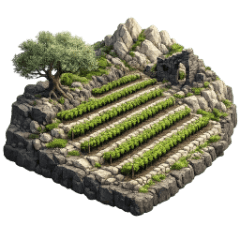
Galilee
Forget everything you think you know about desert wine because this place breaks all the rules. Up here, it is all about high elevations, lush green mountains, and boutique wineries turning water into award-winning Cabernet Sauvignon.
Forget everything you think you know about desert wine because this place breaks all the rules. Up here, it is all about high elevations, lush green mountains, and boutique wineries turning water into award-winning Cabernet Sauvignon.

Golan Heights
This plateau is the audacious pioneer of Israeli wine regions. It broke onto the scene in the 80s and proved that high altitude plus ancient lava flows equal serious viticultural magic.
This plateau is the audacious pioneer of Israeli wine regions. It broke onto the scene in the 80s and proved that high altitude plus ancient lava flows equal serious viticultural magic.
WINE STYLES
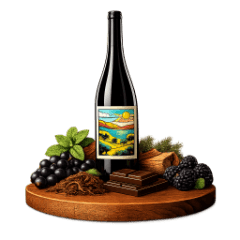
Galilee Cabernet Sauvignon
High altitude meets intense sunshine in northern Israel, creating a red that is ripped like an action hero but wears a tailored suit. It offers ripe fruit bombast without losing its cool composure or balance.
High altitude meets intense sunshine in northern Israel, creating a red that is ripped like an action hero but wears a tailored suit. It offers ripe fruit bombast without losing its cool composure or balance.
High altitude meets intense sunshine in northern Israel, creating a red that is ripped like an action hero but wears a tailored suit. It offers ripe fruit bombast without losing its cool composure or balance.
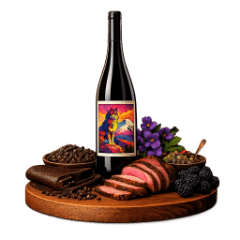
Golan Heights Syrah
Perched on a volcanic plateau, Syrah finds its happy place in the chilly winds. It drops the heavy jamminess found elsewhere for a sleek, savory profile loaded with cracked pepper, dark fruit, and a surprising amount of elegance.
Perched on a volcanic plateau, Syrah finds its happy place in the chilly winds. It drops the heavy jamminess found elsewhere for a sleek, savory profile loaded with cracked pepper, dark fruit, and a surprising amount of elegance.
Perched on a volcanic plateau, Syrah finds its happy place in the chilly winds. It drops the heavy jamminess found elsewhere for a sleek, savory profile loaded with cracked pepper, dark fruit, and a surprising amount of elegance.
LATEST REVIEWS