«
Uruguay

Canelones
Canelones
Canelones
Atlantic Tannat HQ
Here is where the real magic happens in Uruguay. It is not just about beef - this place pumps out the vast majority of the country's wine with a distinctively fresh, oceanic vibe that separates it from its neighbors.
Here is where the real magic happens in Uruguay. It is not just about beef - this place pumps out the vast majority of the country's wine with a distinctively fresh, oceanic vibe that separates it from its neighbors.
Here is where the real magic happens in Uruguay. It is not just about beef - this place pumps out the vast majority of the country's wine with a distinctively fresh, oceanic vibe that separates it from its neighbors.

LEADERS



HELPERS









Why it's unique
Sea level
Tannat spiritual home
Fresh structure
Everyone assumes South America is all about high-altitude Malbec, but Canelones flips the script. This region sits near sea level and embraces humidity rather than fighting aridity. It is the spiritual home of Tannat, a French expat that found its true calling here. You get wines with serious structure that somehow remain fresh enough to drink while grilling a massive steak on the beach.
Everyone assumes South America is all about high-altitude Malbec, but Canelones flips the script. This region sits near sea level and embraces humidity rather than fighting aridity. It is the spiritual home of Tannat, a French expat that found its true calling here. You get wines with serious structure that somehow remain fresh enough to drink while grilling a massive steak on the beach.
Everyone assumes South America is all about high-altitude Malbec, but Canelones flips the script. This region sits near sea level and embraces humidity rather than fighting aridity. It is the spiritual home of Tannat, a French expat that found its true calling here. You get wines with serious structure that somehow remain fresh enough to drink while grilling a massive steak on the beach.
Terroir
Heavy clay
Atlantic breezes
Preserved acidity
Mud boots are essential here because we are talking about rich, heavy clay soils that love to hold onto water. Unlike the desert vineyards next door in Argentina, Canelones feels the cool breath of the Atlantic Ocean and the Rio de la Plata. This combination of dense dirt and cool breezes prevents the harvest from cooking, preserving zesty acidity even in the biggest reds.
Mud boots are essential here because we are talking about rich, heavy clay soils that love to hold onto water. Unlike the desert vineyards next door in Argentina, Canelones feels the cool breath of the Atlantic Ocean and the Rio de la Plata. This combination of dense dirt and cool breezes prevents the harvest from cooking, preserving zesty acidity even in the biggest reds.
Mud boots are essential here because we are talking about rich, heavy clay soils that love to hold onto water. Unlike the desert vineyards next door in Argentina, Canelones feels the cool breath of the Atlantic Ocean and the Rio de la Plata. This combination of dense dirt and cool breezes prevents the harvest from cooking, preserving zesty acidity even in the biggest reds.
You gotta try
Velvet Tannat
Salty Albariño
Coastal whites
Tannat is non-negotiable here. Old-school versions were tough enough to tan leather, but modern producers are making velvety, approachable reds that still pack a punch. If red teeth aren't your thing, grab a bottle of Albariño. This white superstar loves the coastal air and tastes like biting into a salty peach. It is rapidly becoming the region's second favorite child for very good reasons.
Tannat is non-negotiable here. Old-school versions were tough enough to tan leather, but modern producers are making velvety, approachable reds that still pack a punch. If red teeth aren't your thing, grab a bottle of Albariño. This white superstar loves the coastal air and tastes like biting into a salty peach. It is rapidly becoming the region's second favorite child for very good reasons.
Tannat is non-negotiable here. Old-school versions were tough enough to tan leather, but modern producers are making velvety, approachable reds that still pack a punch. If red teeth aren't your thing, grab a bottle of Albariño. This white superstar loves the coastal air and tastes like biting into a salty peach. It is rapidly becoming the region's second favorite child for very good reasons.
LOCAL TALES
The Basque Pioneer
The Basque Pioneer
The Basque Pioneer
Back in the late 19th century, a Basque immigrant named Pascal Harriague arrived in Uruguay looking for opportunity. He wasn't looking for gold - he brought cuttings of a rugged, thick-skinned survivor from Madiran, France. While everyone else was betting on softer options, Pascal saw potential in this glorious monster. He planted it in Salto, nurtured it, and accidentally created the national identity of Uruguayan wine. Locals originally called it "Harriague" in his honor before switching back to the official name. Without his gamble on such an intense, tannic contender, Canelones would likely just be growing corn today.
Back in the late 19th century, a Basque immigrant named Pascal Harriague arrived in Uruguay looking for opportunity. He wasn't looking for gold - he brought cuttings of a rugged, thick-skinned survivor from Madiran, France. While everyone else was betting on softer options, Pascal saw potential in this glorious monster. He planted it in Salto, nurtured it, and accidentally created the national identity of Uruguayan wine. Locals originally called it "Harriague" in his honor before switching back to the official name. Without his gamble on such an intense, tannic contender, Canelones would likely just be growing corn today.
Back in the late 19th century, a Basque immigrant named Pascal Harriague arrived in Uruguay looking for opportunity. He wasn't looking for gold - he brought cuttings of a rugged, thick-skinned survivor from Madiran, France. While everyone else was betting on softer options, Pascal saw potential in this glorious monster. He planted it in Salto, nurtured it, and accidentally created the national identity of Uruguayan wine. Locals originally called it "Harriague" in his honor before switching back to the official name. Without his gamble on such an intense, tannic contender, Canelones would likely just be growing corn today.
Taming The Beast
Taming The Beast
Taming The Beast
For decades, drinking local reds here was considered an extreme sport. The juice was so tannic it could practically chew your food for you. But recently, a revolution happened in the cellars of Canelones. Winemakers stopped treating their harvest like it was invincible and started using gentler extraction methods and better oak management. They realized that you don't need to punch the drinker in the face to make a statement. Now, instead of aggressive astringency, we get plush, elegant wines that still have backbone but won't require a ten-year nap in the cellar before opening.
For decades, drinking local reds here was considered an extreme sport. The juice was so tannic it could practically chew your food for you. But recently, a revolution happened in the cellars of Canelones. Winemakers stopped treating their harvest like it was invincible and started using gentler extraction methods and better oak management. They realized that you don't need to punch the drinker in the face to make a statement. Now, instead of aggressive astringency, we get plush, elegant wines that still have backbone but won't require a ten-year nap in the cellar before opening.
For decades, drinking local reds here was considered an extreme sport. The juice was so tannic it could practically chew your food for you. But recently, a revolution happened in the cellars of Canelones. Winemakers stopped treating their harvest like it was invincible and started using gentler extraction methods and better oak management. They realized that you don't need to punch the drinker in the face to make a statement. Now, instead of aggressive astringency, we get plush, elegant wines that still have backbone but won't require a ten-year nap in the cellar before opening.
Ocean Or River?
Ocean Or River?
Ocean Or River?
Visitors often get confused when looking at the water here. Is it a river? Is it the sea? Technically, it is the Rio de la Plata, the widest estuary in the world, but it acts like a massive air conditioner for the vineyards. This creates a strange paradox where the humidity is high - usually a nightmare for fungus - but the constant "river" winds keep the canopy dry and healthy. This specific geographical quirk is the secret weapon that allows fresh whites like Albariño to thrive in a latitude that really should be too hot for them.
Visitors often get confused when looking at the water here. Is it a river? Is it the sea? Technically, it is the Rio de la Plata, the widest estuary in the world, but it acts like a massive air conditioner for the vineyards. This creates a strange paradox where the humidity is high - usually a nightmare for fungus - but the constant "river" winds keep the canopy dry and healthy. This specific geographical quirk is the secret weapon that allows fresh whites like Albariño to thrive in a latitude that really should be too hot for them.
Visitors often get confused when looking at the water here. Is it a river? Is it the sea? Technically, it is the Rio de la Plata, the widest estuary in the world, but it acts like a massive air conditioner for the vineyards. This creates a strange paradox where the humidity is high - usually a nightmare for fungus - but the constant "river" winds keep the canopy dry and healthy. This specific geographical quirk is the secret weapon that allows fresh whites like Albariño to thrive in a latitude that really should be too hot for them.
LOCAL WINE STYLES
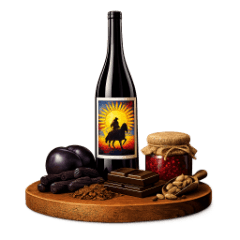
Uruguayan Tannat
Forget everything you know about aggressive French tannins because Uruguay has tamed this beast into something remarkably approachable. These wines offer power without the pain, delivering lush dark fruit wrapped in a surprisingly velvety texture.
Forget everything you know about aggressive French tannins because Uruguay has tamed this beast into something remarkably approachable. These wines offer power without the pain, delivering lush dark fruit wrapped in a surprisingly velvety texture.
Forget everything you know about aggressive French tannins because Uruguay has tamed this beast into something remarkably approachable. These wines offer power without the pain, delivering lush dark fruit wrapped in a surprisingly velvety texture.
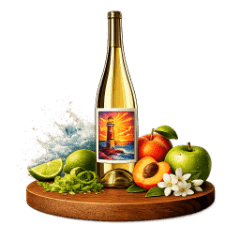
Uruguayan Albariño
Everyone thinks Spain owns this crisp white, but Uruguay said "hold my mate" and made it their own. It is like biting into a peach while surfing Atlantic waves. Refreshing, surprising, and totally electric.
Everyone thinks Spain owns this crisp white, but Uruguay said "hold my mate" and made it their own. It is like biting into a peach while surfing Atlantic waves. Refreshing, surprising, and totally electric.
Everyone thinks Spain owns this crisp white, but Uruguay said "hold my mate" and made it their own. It is like biting into a peach while surfing Atlantic waves. Refreshing, surprising, and totally electric.
LATEST REVIEWS