«
Chile

Cachapoal Valley
Cachapoal Valley
Cachapoal Valley
Red Wine Corridor
Tucked tightly between the Andes and the coastal range, this valley is often overshadowed by its noisy southern neighbor but delivers red wines that punch way above their weight class. It is small, focused, and absolutely obsessed with quality.
Tucked tightly between the Andes and the coastal range, this valley is often overshadowed by its noisy southern neighbor but delivers red wines that punch way above their weight class. It is small, focused, and absolutely obsessed with quality.
Tucked tightly between the Andes and the coastal range, this valley is often overshadowed by its noisy southern neighbor but delivers red wines that punch way above their weight class. It is small, focused, and absolutely obsessed with quality.






Why it's unique
Narrow Valley
Elegant Reds
Carmenere Capital
While everyone rushes south to Colchagua, savvy drinkers stop right here. Effectively the northern half of the Rapel Valley, this area is a narrow funnel where mountains squeeze the land. This geography creates a cozy shelter where red wines develop a distinctively fresh yet spicy personality. It is arguably the best place on earth for growing Carmenere that actually tastes like fruit rather than green peppers.
While everyone rushes south to Colchagua, savvy drinkers stop right here. Effectively the northern half of the Rapel Valley, this area is a narrow funnel where mountains squeeze the land. This geography creates a cozy shelter where red wines develop a distinctively fresh yet spicy personality. It is arguably the best place on earth for growing Carmenere that actually tastes like fruit rather than green peppers.
While everyone rushes south to Colchagua, savvy drinkers stop right here. Effectively the northern half of the Rapel Valley, this area is a narrow funnel where mountains squeeze the land. This geography creates a cozy shelter where red wines develop a distinctively fresh yet spicy personality. It is arguably the best place on earth for growing Carmenere that actually tastes like fruit rather than green peppers.
Terroir
Thermal Shifts
Mountain Gravel
Fertile Clay
Cool breezes from the Pacific collide with cold air tumbling down the Andes, creating a thermal rollercoaster. Days get warm, but nights are brisk, which locks in acidity. The soils range from mineral-rich gravel near the mountains to fertile clay near the river, giving the wines structure without them becoming overly heavy. It is a Goldilocks zone for ripening late-harvest reds perfectly.
Cool breezes from the Pacific collide with cold air tumbling down the Andes, creating a thermal rollercoaster. Days get warm, but nights are brisk, which locks in acidity. The soils range from mineral-rich gravel near the mountains to fertile clay near the river, giving the wines structure without them becoming overly heavy. It is a Goldilocks zone for ripening late-harvest reds perfectly.
Cool breezes from the Pacific collide with cold air tumbling down the Andes, creating a thermal rollercoaster. Days get warm, but nights are brisk, which locks in acidity. The soils range from mineral-rich gravel near the mountains to fertile clay near the river, giving the wines structure without them becoming overly heavy. It is a Goldilocks zone for ripening late-harvest reds perfectly.
You gotta try
Lush Carmenere
Structured Cabernet
Meaty Syrah
Grab a bottle of Cabernet Sauvignon if you want structure, but the real star here is Carmenere. Unlike the vegetal versions of the past, Cachapoal produces lush, fruity examples with notes of chocolate and pepper. Also, keep an eye out for Syrah growing in the cooler pockets - it is zesty, meaty, and basically a barbecue in a glass.
Grab a bottle of Cabernet Sauvignon if you want structure, but the real star here is Carmenere. Unlike the vegetal versions of the past, Cachapoal produces lush, fruity examples with notes of chocolate and pepper. Also, keep an eye out for Syrah growing in the cooler pockets - it is zesty, meaty, and basically a barbecue in a glass.
Grab a bottle of Cabernet Sauvignon if you want structure, but the real star here is Carmenere. Unlike the vegetal versions of the past, Cachapoal produces lush, fruity examples with notes of chocolate and pepper. Also, keep an eye out for Syrah growing in the cooler pockets - it is zesty, meaty, and basically a barbecue in a glass.
LOCAL TALES
The Case of Mistaken Identity
The Case of Mistaken Identity
The Case of Mistaken Identity
For decades, farmers in this valley were scratching their heads over their "Merlot." It ripened weirdly late, had spicy kick, and just didn't behave like the Merlot back in France. It turns out, they were sitting on a goldmine of Carmenere, a variety thought to be extinct in Europe. When a visiting French expert exposed the imposter in 1994, Cachapoal didn't panic; they pivoted. Specifically, the Peumo sub-zone embraced this wayward vine, proving that their specific mix of clay soils and warm sun was exactly what this finicky plant needed to shed its green, herbal reputation and become a lush, velvety superstar.
For decades, farmers in this valley were scratching their heads over their "Merlot." It ripened weirdly late, had spicy kick, and just didn't behave like the Merlot back in France. It turns out, they were sitting on a goldmine of Carmenere, a variety thought to be extinct in Europe. When a visiting French expert exposed the imposter in 1994, Cachapoal didn't panic; they pivoted. Specifically, the Peumo sub-zone embraced this wayward vine, proving that their specific mix of clay soils and warm sun was exactly what this finicky plant needed to shed its green, herbal reputation and become a lush, velvety superstar.
For decades, farmers in this valley were scratching their heads over their "Merlot." It ripened weirdly late, had spicy kick, and just didn't behave like the Merlot back in France. It turns out, they were sitting on a goldmine of Carmenere, a variety thought to be extinct in Europe. When a visiting French expert exposed the imposter in 1994, Cachapoal didn't panic; they pivoted. Specifically, the Peumo sub-zone embraced this wayward vine, proving that their specific mix of clay soils and warm sun was exactly what this finicky plant needed to shed its green, herbal reputation and become a lush, velvety superstar.
The French Invasion
The French Invasion
The French Invasion
You might notice some very fancy, French-sounding names on the winery gates here. That is not an accident. In the mid-90s, big-shot producers from Bordeaux and Alsace took a look at the terroir here and saw dollar signs-or rather, potential for world-class reds. They realized the Andean foothills offered the kind of drainage and climate control that winemakers in Europe pray for. They brought their barrels and blending techniques, teaming up with local families. This influx of foreign know-how helped transition the region from making simple table wine to crafting "Icon Wines" that now command serious prices on the international market.
You might notice some very fancy, French-sounding names on the winery gates here. That is not an accident. In the mid-90s, big-shot producers from Bordeaux and Alsace took a look at the terroir here and saw dollar signs-or rather, potential for world-class reds. They realized the Andean foothills offered the kind of drainage and climate control that winemakers in Europe pray for. They brought their barrels and blending techniques, teaming up with local families. This influx of foreign know-how helped transition the region from making simple table wine to crafting "Icon Wines" that now command serious prices on the international market.
You might notice some very fancy, French-sounding names on the winery gates here. That is not an accident. In the mid-90s, big-shot producers from Bordeaux and Alsace took a look at the terroir here and saw dollar signs-or rather, potential for world-class reds. They realized the Andean foothills offered the kind of drainage and climate control that winemakers in Europe pray for. They brought their barrels and blending techniques, teaming up with local families. This influx of foreign know-how helped transition the region from making simple table wine to crafting "Icon Wines" that now command serious prices on the international market.
The Great Label Divorce
The Great Label Divorce
The Great Label Divorce
For the longest time, bottles from here just said "Rapel Valley," which was a bit like saying "New York" when you specifically mean Manhattan. It lumped Cachapoal in with its massive, sprawling southern sibling, Colchagua. The producers here got fed up. They knew their wines had a distinct freshness and elegance due to the proximity to the Andes that the warmer, broader southern plains lacked. They fought for their own appellation status, effectively divorcing their neighbor on labels. Now, when you see the valley name on a bottle, it is a declaration of independence, promising a specific style of crisp, structured red that you won't find further south.
For the longest time, bottles from here just said "Rapel Valley," which was a bit like saying "New York" when you specifically mean Manhattan. It lumped Cachapoal in with its massive, sprawling southern sibling, Colchagua. The producers here got fed up. They knew their wines had a distinct freshness and elegance due to the proximity to the Andes that the warmer, broader southern plains lacked. They fought for their own appellation status, effectively divorcing their neighbor on labels. Now, when you see the valley name on a bottle, it is a declaration of independence, promising a specific style of crisp, structured red that you won't find further south.
For the longest time, bottles from here just said "Rapel Valley," which was a bit like saying "New York" when you specifically mean Manhattan. It lumped Cachapoal in with its massive, sprawling southern sibling, Colchagua. The producers here got fed up. They knew their wines had a distinct freshness and elegance due to the proximity to the Andes that the warmer, broader southern plains lacked. They fought for their own appellation status, effectively divorcing their neighbor on labels. Now, when you see the valley name on a bottle, it is a declaration of independence, promising a specific style of crisp, structured red that you won't find further south.
SUB-REGIONS

Peumo
(
Cachapoal Valley
)
Located right where the Cachapoal River winds through the Coastal Range, this pocket creates the absolute perfect conditions for ripening late-blooming reds. It is essentially where Carmenere finally found its groove after years of mistaken identity.
Located right where the Cachapoal River winds through the Coastal Range, this pocket creates the absolute perfect conditions for ripening late-blooming reds. It is essentially where Carmenere finally found its groove after years of mistaken identity.

Rengo
(
Cachapoal Valley
)
Tucked right in the middle of the valley, this spot churns out red wines that have more muscle than a gym junkie. It is arguably the engine room where serious structure meets serious value.
Tucked right in the middle of the valley, this spot churns out red wines that have more muscle than a gym junkie. It is arguably the engine room where serious structure meets serious value.
LOCAL WINE STYLES
Chilean Cabernet Sauvignon
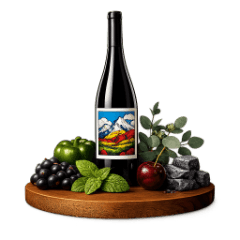
Imagine sipping a glass of bold dark fruit while standing in a eucalyptus forest. It brings serious structure without the hefty price tag found in Napa, mixing savory green pepper notes with ripe blackcurrants effortlessly.
Imagine sipping a glass of bold dark fruit while standing in a eucalyptus forest. It brings serious structure without the hefty price tag found in Napa, mixing savory green pepper notes with ripe blackcurrants effortlessly.
Imagine sipping a glass of bold dark fruit while standing in a eucalyptus forest. It brings serious structure without the hefty price tag found in Napa, mixing savory green pepper notes with ripe blackcurrants effortlessly.
Chilean Carménère
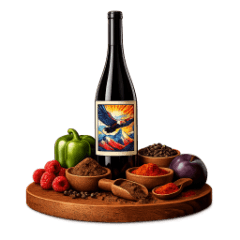
Once thought extinct in Europe, this red found a secret hideout in South America. It is famous for mixing savory herbal notes with plush red fruit, making it the ultimate barbecue wingman for veggies and meats alike.
Once thought extinct in Europe, this red found a secret hideout in South America. It is famous for mixing savory herbal notes with plush red fruit, making it the ultimate barbecue wingman for veggies and meats alike.
Once thought extinct in Europe, this red found a secret hideout in South America. It is famous for mixing savory herbal notes with plush red fruit, making it the ultimate barbecue wingman for veggies and meats alike.
LATEST REVIEWS