«
Cachapoal Valley
,
Chile

Peumo
Carmenere's Spiritual Home
Located right where the Cachapoal River winds through the Coastal Range, this pocket creates the absolute perfect conditions for ripening late-blooming reds. It is essentially where Carmenere finally found its groove after years of mistaken identity.
Located right where the Cachapoal River winds through the Coastal Range, this pocket creates the absolute perfect conditions for ripening late-blooming reds. It is essentially where Carmenere finally found its groove after years of mistaken identity.
Located right where the Cachapoal River winds through the Coastal Range, this pocket creates the absolute perfect conditions for ripening late-blooming reds. It is essentially where Carmenere finally found its groove after years of mistaken identity.




Taste profile
Velvety texture
Chocolate notes
Sweet tannins
Forget those green pepper notes you might associate with Chilean reds from the 90s. Here, Carmenere gets ripe enough to taste like chocolate-covered cherries and velvety plums. Tannins are sweet and round, making the wines feel like a warm hug rather than a slap in the face. It is all about plush texture, floral hints, and a finish that sticks around for ages without being heavy.
Forget those green pepper notes you might associate with Chilean reds from the 90s. Here, Carmenere gets ripe enough to taste like chocolate-covered cherries and velvety plums. Tannins are sweet and round, making the wines feel like a warm hug rather than a slap in the face. It is all about plush texture, floral hints, and a finish that sticks around for ages without being heavy.
Forget those green pepper notes you might associate with Chilean reds from the 90s. Here, Carmenere gets ripe enough to taste like chocolate-covered cherries and velvety plums. Tannins are sweet and round, making the wines feel like a warm hug rather than a slap in the face. It is all about plush texture, floral hints, and a finish that sticks around for ages without being heavy.
The vibe
River corridor
Frost-free
Natural greenhouse
Sheltered from the harshest heat by hills but kept fresh by the river corridor, this area feels like a natural greenhouse. It is surprisingly humid compared to the rest of the valley, preventing frost and allowing fruit to hang on the vines until late May. You will see old farmhouses and endless rows of vines soaking up the sun in a very relaxed, pastoral setting.
Sheltered from the harshest heat by hills but kept fresh by the river corridor, this area feels like a natural greenhouse. It is surprisingly humid compared to the rest of the valley, preventing frost and allowing fruit to hang on the vines until late May. You will see old farmhouses and endless rows of vines soaking up the sun in a very relaxed, pastoral setting.
Sheltered from the harshest heat by hills but kept fresh by the river corridor, this area feels like a natural greenhouse. It is surprisingly humid compared to the rest of the valley, preventing frost and allowing fruit to hang on the vines until late May. You will see old farmhouses and endless rows of vines soaking up the sun in a very relaxed, pastoral setting.
Who's who
Concha y Toro
Santa Carolina
Undurraga
Big guns rule the roost here because they recognized the potential ages ago. Concha y Toro makes their icon wine here, proving this spot is world-class. Santa Carolina and Undurraga also have significant stakes in the ground, churning out top-tier bottles that consistently score high points. Smaller growers exist, but the heavy hitters definitely dominate the conversation with their premium releases.
Big guns rule the roost here because they recognized the potential ages ago. Concha y Toro makes their icon wine here, proving this spot is world-class. Santa Carolina and Undurraga also have significant stakes in the ground, churning out top-tier bottles that consistently score high points. Smaller growers exist, but the heavy hitters definitely dominate the conversation with their premium releases.
Big guns rule the roost here because they recognized the potential ages ago. Concha y Toro makes their icon wine here, proving this spot is world-class. Santa Carolina and Undurraga also have significant stakes in the ground, churning out top-tier bottles that consistently score high points. Smaller growers exist, but the heavy hitters definitely dominate the conversation with their premium releases.
LOCAL TALES
The Case of the Imposter
The Case of the Imposter
The Case of the Imposter
For the longest time, farmers in Peumo thought they were growing a weird clone of Merlot. They called it Merlot Chileno because it ripened late and looked a bit different. It wasn't until 1994 that a French ampelographer visiting Maipo realized everyone had been wrong for over a century. It was Carmenere, which everyone thought was extinct after phylloxera wiped it out in Europe. Peumo turned out to be the lifeboat for this lost cultivar. Once they figured out what they had, winemakers stopped treating it like Merlot and started giving it the long hang-time it desperately needed. Now, it is the absolute crown jewel of the region.
For the longest time, farmers in Peumo thought they were growing a weird clone of Merlot. They called it Merlot Chileno because it ripened late and looked a bit different. It wasn't until 1994 that a French ampelographer visiting Maipo realized everyone had been wrong for over a century. It was Carmenere, which everyone thought was extinct after phylloxera wiped it out in Europe. Peumo turned out to be the lifeboat for this lost cultivar. Once they figured out what they had, winemakers stopped treating it like Merlot and started giving it the long hang-time it desperately needed. Now, it is the absolute crown jewel of the region.
The Magic Corridor
The Magic Corridor
The Magic Corridor
Locals talk about the specific shape of the valley here as a sort of corridor or funnel. The Coastal Range usually blocks the cool ocean air, but the Cachapoal River cuts right through the mountains, creating a highway for breezes to sneak in. This airflow is magic. It keeps fungal diseases away despite the humidity and moderates the temperature so the berries do not bake into raisins. Because Peumo sits slightly lower in elevation and is protected by hills, it avoids the frost that plagues neighbors. It creates a mesoclimate so specific that stepping a few kilometers east or west completely changes the wine style. It is basically a VIP lounge for sensitive vines.
Locals talk about the specific shape of the valley here as a sort of corridor or funnel. The Coastal Range usually blocks the cool ocean air, but the Cachapoal River cuts right through the mountains, creating a highway for breezes to sneak in. This airflow is magic. It keeps fungal diseases away despite the humidity and moderates the temperature so the berries do not bake into raisins. Because Peumo sits slightly lower in elevation and is protected by hills, it avoids the frost that plagues neighbors. It creates a mesoclimate so specific that stepping a few kilometers east or west completely changes the wine style. It is basically a VIP lounge for sensitive vines.
Breaking the Glass Ceiling
Breaking the Glass Ceiling
Breaking the Glass Ceiling
Before the 2000s, nobody thought Carmenere could be a luxury wine. It was the fun, cheap stuff you brought to a barbecue. Then came Carmin de Peumo. Concha y Toro decided to throw everything they had at a plot in this sub-region to prove a point. They lowered yields, pampered the vines, and priced the result higher than almost anything else in Chile at the time. Critics lost their minds. It became the highest-rated Carmenere in history and forced the rest of the world to take it seriously. It put Peumo on the map not just as a bulk provider, but as a terroir capable of producing investment-grade bottles that rival Bordeaux.
Before the 2000s, nobody thought Carmenere could be a luxury wine. It was the fun, cheap stuff you brought to a barbecue. Then came Carmin de Peumo. Concha y Toro decided to throw everything they had at a plot in this sub-region to prove a point. They lowered yields, pampered the vines, and priced the result higher than almost anything else in Chile at the time. Critics lost their minds. It became the highest-rated Carmenere in history and forced the rest of the world to take it seriously. It put Peumo on the map not just as a bulk provider, but as a terroir capable of producing investment-grade bottles that rival Bordeaux.
LOCAL WINE STYLES
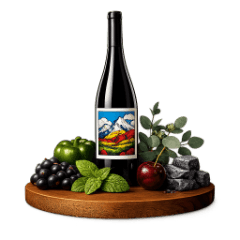
Chilean Cabernet Sauvignon
Imagine sipping a glass of bold dark fruit while standing in a eucalyptus forest. It brings serious structure without the hefty price tag found in Napa, mixing savory green pepper notes with ripe blackcurrants effortlessly.
Imagine sipping a glass of bold dark fruit while standing in a eucalyptus forest. It brings serious structure without the hefty price tag found in Napa, mixing savory green pepper notes with ripe blackcurrants effortlessly.
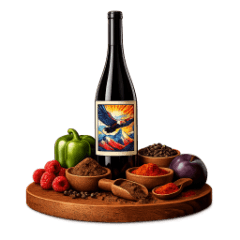
Chilean Carménère
Once thought extinct in Europe, this red found a secret hideout in South America. It is famous for mixing savory herbal notes with plush red fruit, making it the ultimate barbecue wingman for veggies and meats alike.
Once thought extinct in Europe, this red found a secret hideout in South America. It is famous for mixing savory herbal notes with plush red fruit, making it the ultimate barbecue wingman for veggies and meats alike.
LATEST REVIEWS