«
Mexico

Baja California
Baja California
Baja California
Tacos Surf Tannins
Forget everything you know about Tequila country because this strip of land focuses entirely on bold reds and salty breezes. It is where gritty desert vibes meet premium winemaking in a surprisingly lush valley setting.
Forget everything you know about Tequila country because this strip of land focuses entirely on bold reds and salty breezes. It is where gritty desert vibes meet premium winemaking in a surprisingly lush valley setting.
Forget everything you know about Tequila country because this strip of land focuses entirely on bold reds and salty breezes. It is where gritty desert vibes meet premium winemaking in a surprisingly lush valley setting.
LEADERS





HELPERS










Why it's unique
No Rules
Wild Blends
Innovation
Everyone assumes Mexico just does beer, but Valle de Guadalupe is exploding with serious innovation. It is basically the Wild West of wine right now. There are no strict rules here, so winemakers blend whatever they want, creating crazy delicious combos like Nebbiolo mixed with Cabernet Sauvignon. It feels like Napa used to before it got too expensive and fancy.
Everyone assumes Mexico just does beer, but Valle de Guadalupe is exploding with serious innovation. It is basically the Wild West of wine right now. There are no strict rules here, so winemakers blend whatever they want, creating crazy delicious combos like Nebbiolo mixed with Cabernet Sauvignon. It feels like Napa used to before it got too expensive and fancy.
Everyone assumes Mexico just does beer, but Valle de Guadalupe is exploding with serious innovation. It is basically the Wild West of wine right now. There are no strict rules here, so winemakers blend whatever they want, creating crazy delicious combos like Nebbiolo mixed with Cabernet Sauvignon. It feels like Napa used to before it got too expensive and fancy.
Terroir
Maritime Desert
Granite Soil
Ocean Breeze
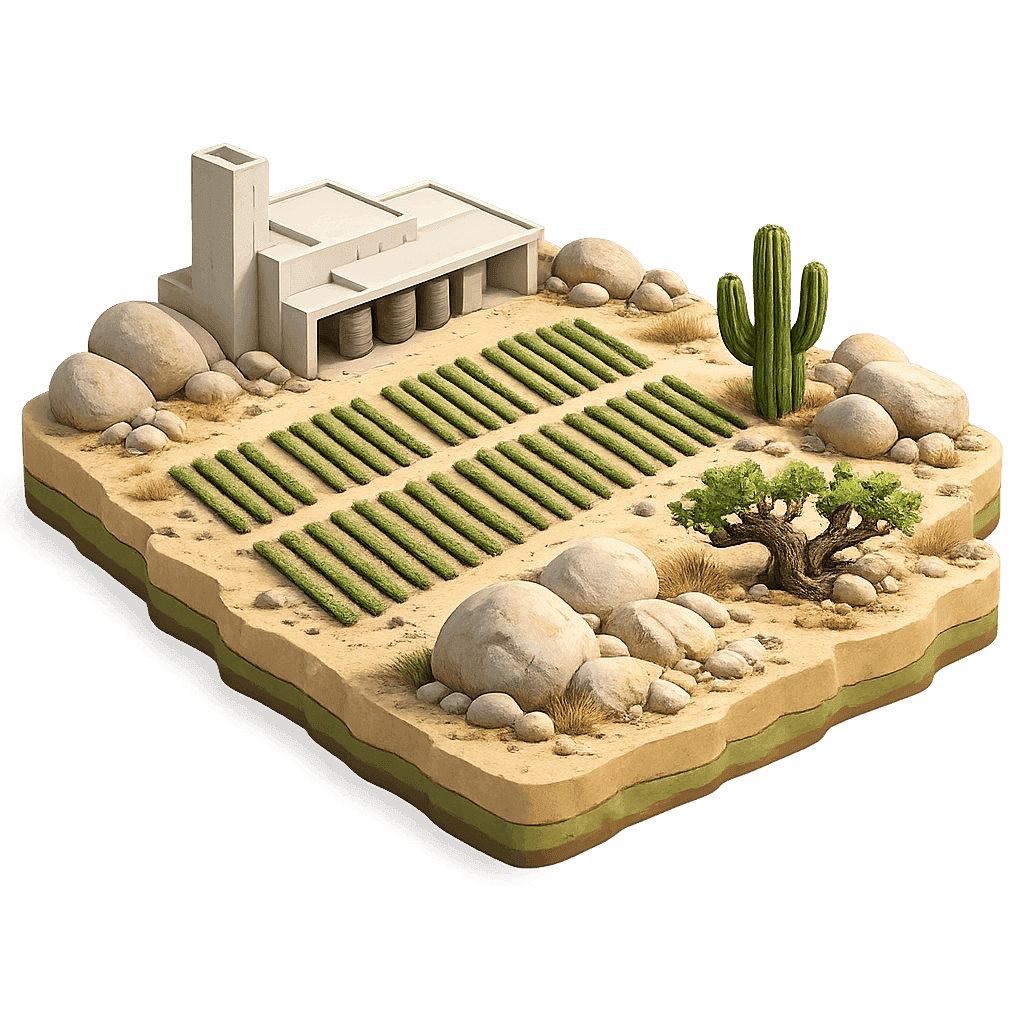
Hot days bake the skins to perfection, but icy winds from the Pacific Ocean slam into the vineyards at night to keep acidity fresh. The soil is a mix of granite and sand, forcing roots to dig deep for water in this arid landscape. This distinct maritime desert climate creates wines that are incredibly concentrated yet retain a salty freshness.
Hot days bake the skins to perfection, but icy winds from the Pacific Ocean slam into the vineyards at night to keep acidity fresh. The soil is a mix of granite and sand, forcing roots to dig deep for water in this arid landscape. This distinct maritime desert climate creates wines that are incredibly concentrated yet retain a salty freshness.
Hot days bake the skins to perfection, but icy winds from the Pacific Ocean slam into the vineyards at night to keep acidity fresh. The soil is a mix of granite and sand, forcing roots to dig deep for water in this arid landscape. This distinct maritime desert climate creates wines that are incredibly concentrated yet retain a salty freshness.
You gotta try
Mexican Nebbiolo
Chenin Blanc
Jammy Reds
Nebbiolo is the absolute king down here, but it tastes totally different from its Italian cousins. Mexican Nebbiolo is dark, jammy, and full of cocoa notes. Also, keep an eye out for Chenin Blanc. It manages to stay crisp despite the heat, offering a perfect refreshment after a long day of tasting in the dust.
Nebbiolo is the absolute king down here, but it tastes totally different from its Italian cousins. Mexican Nebbiolo is dark, jammy, and full of cocoa notes. Also, keep an eye out for Chenin Blanc. It manages to stay crisp despite the heat, offering a perfect refreshment after a long day of tasting in the dust.
Nebbiolo is the absolute king down here, but it tastes totally different from its Italian cousins. Mexican Nebbiolo is dark, jammy, and full of cocoa notes. Also, keep an eye out for Chenin Blanc. It manages to stay crisp despite the heat, offering a perfect refreshment after a long day of tasting in the dust.
LOCAL TALES
Mission Grapes Only
Mission Grapes Only
Mission Grapes Only
Way back in the late 1600s, Spanish missionaries showed up and decided they needed wine for mass, so they planted the very first vines. They used a specific cultivar called Mission which is tough as nails and can survive almost anything. For the longest time, winemaking was strictly a church activity, and commercial production was actually banned by the Spanish crown to protect producers back home in Europe. It took over a century for the region to finally break free from religious constraints and start making booze for the sheer joy of drinking it.
Way back in the late 1600s, Spanish missionaries showed up and decided they needed wine for mass, so they planted the very first vines. They used a specific cultivar called Mission which is tough as nails and can survive almost anything. For the longest time, winemaking was strictly a church activity, and commercial production was actually banned by the Spanish crown to protect producers back home in Europe. It took over a century for the region to finally break free from religious constraints and start making booze for the sheer joy of drinking it.
Way back in the late 1600s, Spanish missionaries showed up and decided they needed wine for mass, so they planted the very first vines. They used a specific cultivar called Mission which is tough as nails and can survive almost anything. For the longest time, winemaking was strictly a church activity, and commercial production was actually banned by the Spanish crown to protect producers back home in Europe. It took over a century for the region to finally break free from religious constraints and start making booze for the sheer joy of drinking it.
The Russian Refugee
The Russian Refugee
The Russian Refugee
In the early 1900s, a group of Molokans - basically Russian pacifists fleeing the Tsar - landed in this valley. They were looking for a place to live simply and farm in peace. They brought their agricultural skills and turned the valley into a regional breadbasket, laying the fertile groundwork for the vineyards that eventually took over. Many of the old estates you see today owe their existence to these Russian families who turned a dusty scrubland into a fertile agricultural haven. Their legacy is still visible in the local architecture and some family names.
In the early 1900s, a group of Molokans - basically Russian pacifists fleeing the Tsar - landed in this valley. They were looking for a place to live simply and farm in peace. They brought their agricultural skills and turned the valley into a regional breadbasket, laying the fertile groundwork for the vineyards that eventually took over. Many of the old estates you see today owe their existence to these Russian families who turned a dusty scrubland into a fertile agricultural haven. Their legacy is still visible in the local architecture and some family names.
In the early 1900s, a group of Molokans - basically Russian pacifists fleeing the Tsar - landed in this valley. They were looking for a place to live simply and farm in peace. They brought their agricultural skills and turned the valley into a regional breadbasket, laying the fertile groundwork for the vineyards that eventually took over. Many of the old estates you see today owe their existence to these Russian families who turned a dusty scrubland into a fertile agricultural haven. Their legacy is still visible in the local architecture and some family names.
From Dust to Michelin
From Dust to Michelin
From Dust to Michelin
Until recently, most people drove past Valle de Guadalupe on their way to Ensenada for fish tacos. But then, a few visionary chefs and winemakers decided to build architecturally stunning hotels and restaurants right in the middle of the desert. Suddenly, the area went from a sleepy farming community to a global hotspot for foodies. It happened so fast that the infrastructure is still catching up, meaning you might eat a world-class six-course meal after driving down a dirt road full of potholes. It is rough luxury at its finest.
Until recently, most people drove past Valle de Guadalupe on their way to Ensenada for fish tacos. But then, a few visionary chefs and winemakers decided to build architecturally stunning hotels and restaurants right in the middle of the desert. Suddenly, the area went from a sleepy farming community to a global hotspot for foodies. It happened so fast that the infrastructure is still catching up, meaning you might eat a world-class six-course meal after driving down a dirt road full of potholes. It is rough luxury at its finest.
Until recently, most people drove past Valle de Guadalupe on their way to Ensenada for fish tacos. But then, a few visionary chefs and winemakers decided to build architecturally stunning hotels and restaurants right in the middle of the desert. Suddenly, the area went from a sleepy farming community to a global hotspot for foodies. It happened so fast that the infrastructure is still catching up, meaning you might eat a world-class six-course meal after driving down a dirt road full of potholes. It is rough luxury at its finest.
LOCAL WINE STYLES
Valle de Guadalupe Red Blend
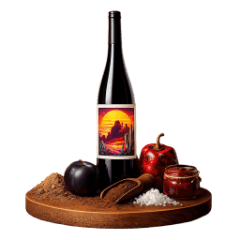
Imagine Napa Valley got lost in the desert and decided to listen to rock and roll. These blends are savory, saline, and unapologetically bold, often mixing French, Italian, and Spanish grapes without caring about traditional rules.
Imagine Napa Valley got lost in the desert and decided to listen to rock and roll. These blends are savory, saline, and unapologetically bold, often mixing French, Italian, and Spanish grapes without caring about traditional rules.
Imagine Napa Valley got lost in the desert and decided to listen to rock and roll. These blends are savory, saline, and unapologetically bold, often mixing French, Italian, and Spanish grapes without caring about traditional rules.
Valle de Guadalupe Cabernet Sauvignon
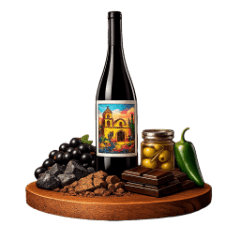
Cabernet Sauvignon thrives in the harsh Baja desert, delivering a unique savory profile that screams salinity and power. It is not your typical fruit bomb but rather an intense experience full of earthy character.
Cabernet Sauvignon thrives in the harsh Baja desert, delivering a unique savory profile that screams salinity and power. It is not your typical fruit bomb but rather an intense experience full of earthy character.
Cabernet Sauvignon thrives in the harsh Baja desert, delivering a unique savory profile that screams salinity and power. It is not your typical fruit bomb but rather an intense experience full of earthy character.
LATEST REVIEWS