«
BROWSE ALL
Mexico
Mexico
Forget everything you assume about New World wine history. This nation holds the title for the oldest winery on the continent, dating back to 1597. It is a dusting off of ancient roots combined with a modern, hipster explosion in Baja.
Forget everything you assume about New World wine history. This nation holds the title for the oldest winery on the continent, dating back to 1597. It is a dusting off of ancient roots combined with a modern, hipster explosion in Baja.
Forget everything you assume about New World wine history. This nation holds the title for the oldest winery on the continent, dating back to 1597. It is a dusting off of ancient roots combined with a modern, hipster explosion in Baja.
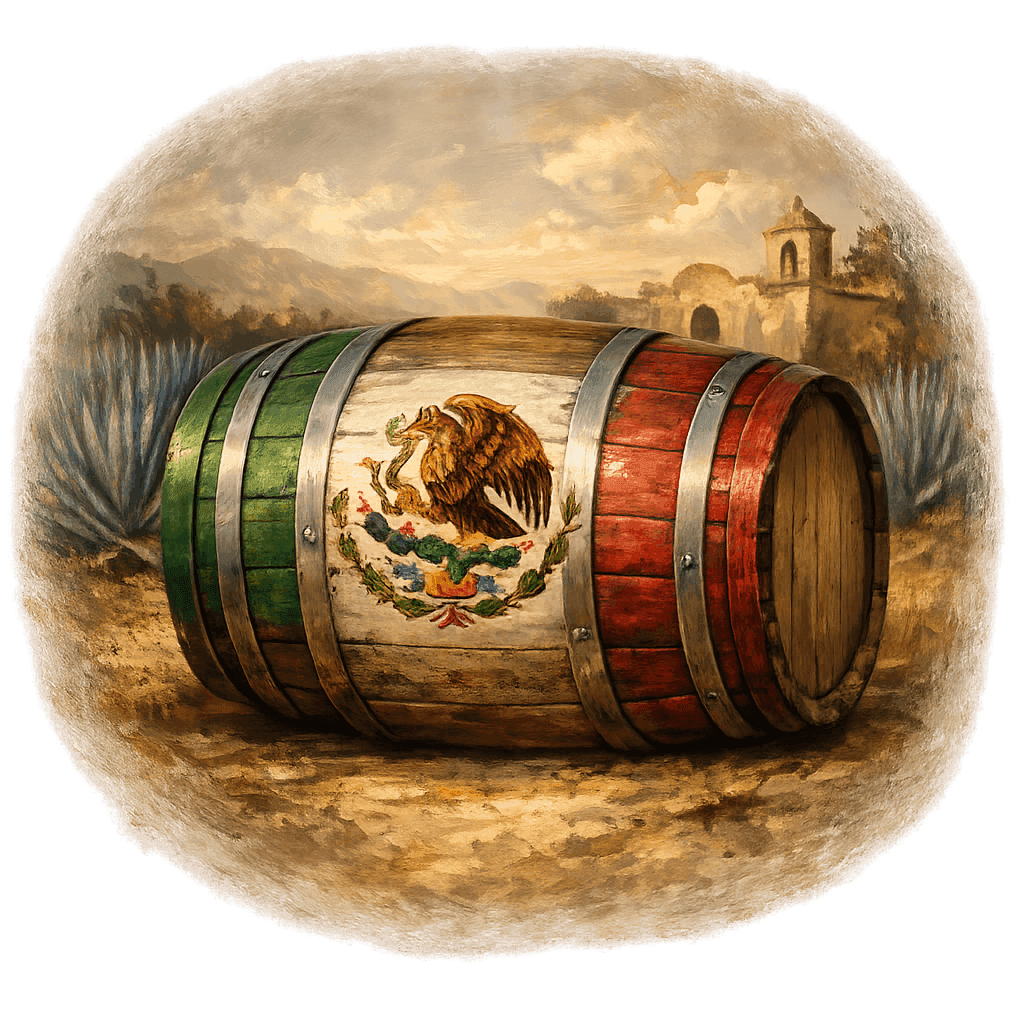
What it's about
Desert Viticulture
Domestic Focus
Baja Dominance
While agave spirits usually grab the microphone, the vinous reality here is much older and arguably more exciting. Production is relatively small but fiercely beloved domestically, meaning very little escapes the border. The heart beats in Baja California's Valle de Guadalupe, a region that feels like a lawless, creative blend of Tuscany and Mars with a serious culinary backbone. It is high-altitude, desert farming at its most extreme.
While agave spirits usually grab the microphone, the vinous reality here is much older and arguably more exciting. Production is relatively small but fiercely beloved domestically, meaning very little escapes the border. The heart beats in Baja California's Valle de Guadalupe, a region that feels like a lawless, creative blend of Tuscany and Mars with a serious culinary backbone. It is high-altitude, desert farming at its most extreme.
While agave spirits usually grab the microphone, the vinous reality here is much older and arguably more exciting. Production is relatively small but fiercely beloved domestically, meaning very little escapes the border. The heart beats in Baja California's Valle de Guadalupe, a region that feels like a lawless, creative blend of Tuscany and Mars with a serious culinary backbone. It is high-altitude, desert farming at its most extreme.
What they're proud of
Oldest Winery
Rogue Nebbiolo
Salty Chenin
Casa Madero in Parras Valley is their ace in the hole - the oldest continuously operating winery in the entire Americas, founded before the Pilgrims even packed their bags. Beyond that, they champion a rogue version of Nebbiolo that is dark, jammy, and nothing like its Italian cousin. They also love their Chenin Blanc, keeping it fresh, salty, and incredibly textural despite the intense desert heat.
Casa Madero in Parras Valley is their ace in the hole - the oldest continuously operating winery in the entire Americas, founded before the Pilgrims even packed their bags. Beyond that, they champion a rogue version of Nebbiolo that is dark, jammy, and nothing like its Italian cousin. They also love their Chenin Blanc, keeping it fresh, salty, and incredibly textural despite the intense desert heat.
Casa Madero in Parras Valley is their ace in the hole - the oldest continuously operating winery in the entire Americas, founded before the Pilgrims even packed their bags. Beyond that, they champion a rogue version of Nebbiolo that is dark, jammy, and nothing like its Italian cousin. They also love their Chenin Blanc, keeping it fresh, salty, and incredibly textural despite the intense desert heat.
WHAT'S TRENDING
Rule-Breaking Blends
Natural Movement
Valle Tourism
The cool kids are flocking to 'Valle' for natural wines and stunning architecture. There is a massive wave of experimentation where rules are treated as mere suggestions - expect wild blends like Cabernet mixed with Tempranillo and Barbera. Pet-Nats are exploding in popularity among the Mexico City youth, and wine tourism here has become a world-class pilgrimage for foodies who want Michelin-quality meals in the dust.
The cool kids are flocking to 'Valle' for natural wines and stunning architecture. There is a massive wave of experimentation where rules are treated as mere suggestions - expect wild blends like Cabernet mixed with Tempranillo and Barbera. Pet-Nats are exploding in popularity among the Mexico City youth, and wine tourism here has become a world-class pilgrimage for foodies who want Michelin-quality meals in the dust.
The cool kids are flocking to 'Valle' for natural wines and stunning architecture. There is a massive wave of experimentation where rules are treated as mere suggestions - expect wild blends like Cabernet mixed with Tempranillo and Barbera. Pet-Nats are exploding in popularity among the Mexico City youth, and wine tourism here has become a world-class pilgrimage for foodies who want Michelin-quality meals in the dust.
LOCAL TALES
The King's Envy
The King's Envy
The King's Envy
We often think of Mexico as a newcomer, but it was actually too successful too early. By the late 16th century, the vines planted by Spanish conquistadors were thriving so abundantly that exports from Spain to the New World began to tank. Threatened by this success, King Philip II of Spain threw a royal tantrum in 1595 and banned all new vineyard plantings in Mexico, ordering existing ones destroyed. However, the crafty winemakers at Casa Madero managed to secure a special grant in 1597 to produce wine for the church and brandy, essentially creating a loophole that kept the industry on life support for centuries until the ban was lifted.
We often think of Mexico as a newcomer, but it was actually too successful too early. By the late 16th century, the vines planted by Spanish conquistadors were thriving so abundantly that exports from Spain to the New World began to tank. Threatened by this success, King Philip II of Spain threw a royal tantrum in 1595 and banned all new vineyard plantings in Mexico, ordering existing ones destroyed. However, the crafty winemakers at Casa Madero managed to secure a special grant in 1597 to produce wine for the church and brandy, essentially creating a loophole that kept the industry on life support for centuries until the ban was lifted.
The Pacifist Planters
The Pacifist Planters
The Pacifist Planters
Valle de Guadalupe is the trendy hot spot today, but its vinous roots come from a surprising source: Russian pacifists. In 1905, a group of Molokans — a sect fleeing persecution from the Tsar — landed in Baja. They were strict pacifists seeking refuge, looking for religious freedom and fertile soil. They were brilliant farmers who realized the Mediterranean climate was perfect for viticulture. They planted extensive vineyards and produced their own rustic wines, laying the agricultural foundation for the entire region. While most of the Molokan community eventually left or assimilated, the Russian influence remains in local family names, a few museums, and the very existence of these desert vines.
Valle de Guadalupe is the trendy hot spot today, but its vinous roots come from a surprising source: Russian pacifists. In 1905, a group of Molokans — a sect fleeing persecution from the Tsar — landed in Baja. They were strict pacifists seeking refuge, looking for religious freedom and fertile soil. They were brilliant farmers who realized the Mediterranean climate was perfect for viticulture. They planted extensive vineyards and produced their own rustic wines, laying the agricultural foundation for the entire region. While most of the Molokan community eventually left or assimilated, the Russian influence remains in local family names, a few museums, and the very existence of these desert vines.
The Nebbiolo Mystery
The Nebbiolo Mystery
The Nebbiolo Mystery
If you order Nebbiolo here, don't expect the translucent, tannic elegance of Piedmont. Mexican Nebbiolo is a hulking, inky beast that tastes like blackberries dipped in dark chocolate. For years, this confused experts. Was it the terroir? The heat? Or was it an impostor? Genetic testing has hinted that some of these plantings might actually be related to Lambrusco or other varieties, while others are indeed Nebbiolo that has just mutated wildly in the Mexican desert. Nobody seems to care too much about the DNA results, though, because the resulting wine is lush, hedonistic, and entirely unique to the country.
If you order Nebbiolo here, don't expect the translucent, tannic elegance of Piedmont. Mexican Nebbiolo is a hulking, inky beast that tastes like blackberries dipped in dark chocolate. For years, this confused experts. Was it the terroir? The heat? Or was it an impostor? Genetic testing has hinted that some of these plantings might actually be related to Lambrusco or other varieties, while others are indeed Nebbiolo that has just mutated wildly in the Mexican desert. Nobody seems to care too much about the DNA results, though, because the resulting wine is lush, hedonistic, and entirely unique to the country.
REGIONS

Baja California
Forget everything you know about Tequila country because this strip of land focuses entirely on bold reds and salty breezes. It is where gritty desert vibes meet premium winemaking in a surprisingly lush valley setting.
Forget everything you know about Tequila country because this strip of land focuses entirely on bold reds and salty breezes. It is where gritty desert vibes meet premium winemaking in a surprisingly lush valley setting.

Coahuila
Here lie the roots of North American winemaking. Literally. While tourists flock to the coast, savvy drinkers head inland to find history in a glass, where vines have survived wars and revolutions since the 1500s.
Here lie the roots of North American winemaking. Literally. While tourists flock to the coast, savvy drinkers head inland to find history in a glass, where vines have survived wars and revolutions since the 1500s.
WINE STYLES
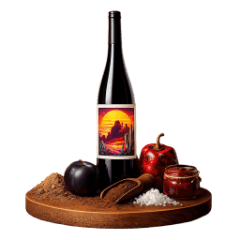
Valle de Guadalupe Red Blend
Imagine Napa Valley got lost in the desert and decided to listen to rock and roll. These blends are savory, saline, and unapologetically bold, often mixing French, Italian, and Spanish grapes without caring about traditional rules.
Imagine Napa Valley got lost in the desert and decided to listen to rock and roll. These blends are savory, saline, and unapologetically bold, often mixing French, Italian, and Spanish grapes without caring about traditional rules.
Imagine Napa Valley got lost in the desert and decided to listen to rock and roll. These blends are savory, saline, and unapologetically bold, often mixing French, Italian, and Spanish grapes without caring about traditional rules.
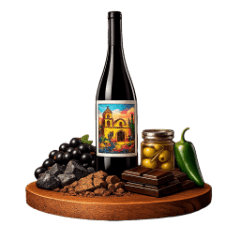
Valle de Guadalupe Cabernet Sauvignon
Cabernet Sauvignon thrives in the harsh Baja desert, delivering a unique savory profile that screams salinity and power. It is not your typical fruit bomb but rather an intense experience full of earthy character.
Cabernet Sauvignon thrives in the harsh Baja desert, delivering a unique savory profile that screams salinity and power. It is not your typical fruit bomb but rather an intense experience full of earthy character.
Cabernet Sauvignon thrives in the harsh Baja desert, delivering a unique savory profile that screams salinity and power. It is not your typical fruit bomb but rather an intense experience full of earthy character.
LATEST REVIEWS