«
Uruguay

Montevideo
Montevideo
Montevideo
Urban Heritage Vines
Imagine sipping a glass of red while technically being inside a bustling capital city. It’s where concrete meets Tannat, and historic family wineries hold their ground against urban sprawl with surprising elegance.
Imagine sipping a glass of red while technically being inside a bustling capital city. It’s where concrete meets Tannat, and historic family wineries hold their ground against urban sprawl with surprising elegance.
Imagine sipping a glass of red while technically being inside a bustling capital city. It’s where concrete meets Tannat, and historic family wineries hold their ground against urban sprawl with surprising elegance.






Why it's unique
Capital viticulture
Historic wineries
Immigration roots
While most capitals push farming far away, this place hugs its agricultural roots tight. You will find centennial wineries right on the edge of the city limits, offering a time-travel experience. It is the cradle of Uruguayan winemaking, where European immigrants first planted roots, quite literally. It’s small, scrappy, and incredibly personal compared to the vast neighbors.
While most capitals push farming far away, this place hugs its agricultural roots tight. You will find centennial wineries right on the edge of the city limits, offering a time-travel experience. It is the cradle of Uruguayan winemaking, where European immigrants first planted roots, quite literally. It’s small, scrappy, and incredibly personal compared to the vast neighbors.
While most capitals push farming far away, this place hugs its agricultural roots tight. You will find centennial wineries right on the edge of the city limits, offering a time-travel experience. It is the cradle of Uruguayan winemaking, where European immigrants first planted roots, quite literally. It’s small, scrappy, and incredibly personal compared to the vast neighbors.
Terroir
River breeze
Calcareous clay
Fresh acidity
Being right next to the Rio de la Plata means a constant refreshing breeze acts like natural air conditioning for the vines. The soil is largely calcareous clay, which keeps things cool and retains moisture. This combination prevents the fruit from cooking in the heat, preserving zippy acidity and keeping alcohol levels from skyrocketing into headache territory.
Being right next to the Rio de la Plata means a constant refreshing breeze acts like natural air conditioning for the vines. The soil is largely calcareous clay, which keeps things cool and retains moisture. This combination prevents the fruit from cooking in the heat, preserving zippy acidity and keeping alcohol levels from skyrocketing into headache territory.
Being right next to the Rio de la Plata means a constant refreshing breeze acts like natural air conditioning for the vines. The soil is largely calcareous clay, which keeps things cool and retains moisture. This combination prevents the fruit from cooking in the heat, preserving zippy acidity and keeping alcohol levels from skyrocketing into headache territory.
You gotta try
Crisp Albariño
Velvety Tannat
Old vines
Grab a bottle of Albariño if you want to see how this region handles white wines with crisp precision. Of course, Tannat is king here too, but look for the older vine examples that offer smoother, velvety textures rather than a punch to the face. These wines are perfect for a classic Uruguayan barbecue or just pretending you are sophisticated.
Grab a bottle of Albariño if you want to see how this region handles white wines with crisp precision. Of course, Tannat is king here too, but look for the older vine examples that offer smoother, velvety textures rather than a punch to the face. These wines are perfect for a classic Uruguayan barbecue or just pretending you are sophisticated.
Grab a bottle of Albariño if you want to see how this region handles white wines with crisp precision. Of course, Tannat is king here too, but look for the older vine examples that offer smoother, velvety textures rather than a punch to the face. These wines are perfect for a classic Uruguayan barbecue or just pretending you are sophisticated.
LOCAL TALES
The Urban Encroachment
The Urban Encroachment
The Urban Encroachment
Picture a vine struggling to breathe as skyscrapers pop up like mushrooms after rain. That was the reality for Montevideo’s winemakers in the 20th century. As the capital expanded, developers looked at vineyards and saw apartment complexes. Many historic estates were bulldozed to make way for progress, but a stubborn few dug their heels in. These family-run bodegas refused to sell out, creating a unique landscape where you can literally take a city bus to a vineyard. Today, these survivors are cherished cultural monuments, proving that sometimes, the best way to move forward is to stay exactly where you are and pour another glass.
Picture a vine struggling to breathe as skyscrapers pop up like mushrooms after rain. That was the reality for Montevideo’s winemakers in the 20th century. As the capital expanded, developers looked at vineyards and saw apartment complexes. Many historic estates were bulldozed to make way for progress, but a stubborn few dug their heels in. These family-run bodegas refused to sell out, creating a unique landscape where you can literally take a city bus to a vineyard. Today, these survivors are cherished cultural monuments, proving that sometimes, the best way to move forward is to stay exactly where you are and pour another glass.
Picture a vine struggling to breathe as skyscrapers pop up like mushrooms after rain. That was the reality for Montevideo’s winemakers in the 20th century. As the capital expanded, developers looked at vineyards and saw apartment complexes. Many historic estates were bulldozed to make way for progress, but a stubborn few dug their heels in. These family-run bodegas refused to sell out, creating a unique landscape where you can literally take a city bus to a vineyard. Today, these survivors are cherished cultural monuments, proving that sometimes, the best way to move forward is to stay exactly where you are and pour another glass.
The Basque Connection
The Basque Connection
The Basque Connection
When Basque and Italian immigrants stepped off the boats in Montevideo’s port during the late 19th century, they didn’t pack light. They brought their grandmothers' recipes and, more importantly, cuttings of their favorite vines. Unlike other regions where settlers had to trek for days to find land, these newcomers saw the rolling hills just outside the city center and said, 'Close enough.' They established a wine culture that was domestic and daily rather than elitist. Wine wasn't for collecting dust in a cellar, it was food, fuel, and a reminder of home. That working-class, table-wine spirit still haunts the region in the best possible way, keeping things unpretentious.
When Basque and Italian immigrants stepped off the boats in Montevideo’s port during the late 19th century, they didn’t pack light. They brought their grandmothers' recipes and, more importantly, cuttings of their favorite vines. Unlike other regions where settlers had to trek for days to find land, these newcomers saw the rolling hills just outside the city center and said, 'Close enough.' They established a wine culture that was domestic and daily rather than elitist. Wine wasn't for collecting dust in a cellar, it was food, fuel, and a reminder of home. That working-class, table-wine spirit still haunts the region in the best possible way, keeping things unpretentious.
When Basque and Italian immigrants stepped off the boats in Montevideo’s port during the late 19th century, they didn’t pack light. They brought their grandmothers' recipes and, more importantly, cuttings of their favorite vines. Unlike other regions where settlers had to trek for days to find land, these newcomers saw the rolling hills just outside the city center and said, 'Close enough.' They established a wine culture that was domestic and daily rather than elitist. Wine wasn't for collecting dust in a cellar, it was food, fuel, and a reminder of home. That working-class, table-wine spirit still haunts the region in the best possible way, keeping things unpretentious.
The Tannat Transformation
The Tannat Transformation
The Tannat Transformation
For decades, the local red wine was effectively rocket fuel - rough, high-alcohol juice meant to be diluted with soda water by thirsty workers. It was the quantity-over-quality era. But in the 1970s and 80s, a revolution brewed in the cellars of Montevideo. Winemakers realized their climate was actually perfect for making serious wine if they just stopped over-cropping. They introduced modern techniques to tame the wild Tannat, polishing its rustic tannins into something elegant. It was a Cinderella moment for the region. Suddenly, the wine that used to stain teeth and strip paint was winning gold medals abroad, transforming the capital from a bulk-wine factory into a boutique destination.
For decades, the local red wine was effectively rocket fuel - rough, high-alcohol juice meant to be diluted with soda water by thirsty workers. It was the quantity-over-quality era. But in the 1970s and 80s, a revolution brewed in the cellars of Montevideo. Winemakers realized their climate was actually perfect for making serious wine if they just stopped over-cropping. They introduced modern techniques to tame the wild Tannat, polishing its rustic tannins into something elegant. It was a Cinderella moment for the region. Suddenly, the wine that used to stain teeth and strip paint was winning gold medals abroad, transforming the capital from a bulk-wine factory into a boutique destination.
For decades, the local red wine was effectively rocket fuel - rough, high-alcohol juice meant to be diluted with soda water by thirsty workers. It was the quantity-over-quality era. But in the 1970s and 80s, a revolution brewed in the cellars of Montevideo. Winemakers realized their climate was actually perfect for making serious wine if they just stopped over-cropping. They introduced modern techniques to tame the wild Tannat, polishing its rustic tannins into something elegant. It was a Cinderella moment for the region. Suddenly, the wine that used to stain teeth and strip paint was winning gold medals abroad, transforming the capital from a bulk-wine factory into a boutique destination.
LOCAL WINE STYLES
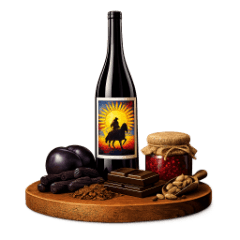
Uruguayan Tannat
Forget everything you know about aggressive French tannins because Uruguay has tamed this beast into something remarkably approachable. These wines offer power without the pain, delivering lush dark fruit wrapped in a surprisingly velvety texture.
Forget everything you know about aggressive French tannins because Uruguay has tamed this beast into something remarkably approachable. These wines offer power without the pain, delivering lush dark fruit wrapped in a surprisingly velvety texture.
Forget everything you know about aggressive French tannins because Uruguay has tamed this beast into something remarkably approachable. These wines offer power without the pain, delivering lush dark fruit wrapped in a surprisingly velvety texture.
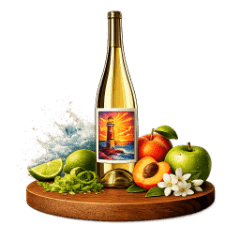
Uruguayan Albariño
Everyone thinks Spain owns this crisp white, but Uruguay said "hold my mate" and made it their own. It is like biting into a peach while surfing Atlantic waves. Refreshing, surprising, and totally electric.
Everyone thinks Spain owns this crisp white, but Uruguay said "hold my mate" and made it their own. It is like biting into a peach while surfing Atlantic waves. Refreshing, surprising, and totally electric.
Everyone thinks Spain owns this crisp white, but Uruguay said "hold my mate" and made it their own. It is like biting into a peach while surfing Atlantic waves. Refreshing, surprising, and totally electric.
LATEST REVIEWS