«
Trentino-Alto Adige / Südtirol
,
Italy

Südtirol
Alpine Precision Engineering
Welcome to the flip side of the coin where lederhosen are standard business attire and punctual winemaking is a religion. It is technically Italy, but the soul here speaks German and eats dumplings, not spaghetti.
Welcome to the flip side of the coin where lederhosen are standard business attire and punctual winemaking is a religion. It is technically Italy, but the soul here speaks German and eats dumplings, not spaghetti.
Welcome to the flip side of the coin where lederhosen are standard business attire and punctual winemaking is a religion. It is technically Italy, but the soul here speaks German and eats dumplings, not spaghetti.








Taste profile
Glacier purity
Perfumed punch
Velvety reds
Expect wines that cut through the noise like a diamond drill. We are talking about whites so pure and mineral-driven they might have been filtered through a glacier. Gewürztraminer brings the perfume shop, while Pinot Bianco offers focused elegance. On the red side, Lagrein delivers velvety punches of dark fruit, and Vernatsch keeps things light enough to chug during lunch.
Expect wines that cut through the noise like a diamond drill. We are talking about whites so pure and mineral-driven they might have been filtered through a glacier. Gewürztraminer brings the perfume shop, while Pinot Bianco offers focused elegance. On the red side, Lagrein delivers velvety punches of dark fruit, and Vernatsch keeps things light enough to chug during lunch.
Expect wines that cut through the noise like a diamond drill. We are talking about whites so pure and mineral-driven they might have been filtered through a glacier. Gewürztraminer brings the perfume shop, while Pinot Bianco offers focused elegance. On the red side, Lagrein delivers velvety punches of dark fruit, and Vernatsch keeps things light enough to chug during lunch.
The vibe
Tidy mountains
Tyrolean order
Dramatic alps
Everything here is immaculately groomed, from the flower boxes on wooden chalets to the rows of vines climbing steep slopes. You are in the Dolomites, so the backdrop is sheer drama, but the foreground is calm, orderly, and incredibly tidy. It feels like someone took an Austrian village and dropped it into a climate that actually allows for ripening fruit.
Everything here is immaculately groomed, from the flower boxes on wooden chalets to the rows of vines climbing steep slopes. You are in the Dolomites, so the backdrop is sheer drama, but the foreground is calm, orderly, and incredibly tidy. It feels like someone took an Austrian village and dropped it into a climate that actually allows for ripening fruit.
Everything here is immaculately groomed, from the flower boxes on wooden chalets to the rows of vines climbing steep slopes. You are in the Dolomites, so the backdrop is sheer drama, but the foreground is calm, orderly, and incredibly tidy. It feels like someone took an Austrian village and dropped it into a climate that actually allows for ripening fruit.
Who's who
Quality co-ops
Terlano legends
Disciplined teams
Cooperatives rule this roost, but banish the thought of bulk wine factories. These institutions, like Cantina Terlano and Tramin, operate with the discipline of a Swiss watchmaker and produce some of the world's longest-lived whites. Independent growers exist, but the "Kellerei" culture is the beating heart, turning out quality that embarrasses expensive private estates elsewhere.
Cooperatives rule this roost, but banish the thought of bulk wine factories. These institutions, like Cantina Terlano and Tramin, operate with the discipline of a Swiss watchmaker and produce some of the world's longest-lived whites. Independent growers exist, but the "Kellerei" culture is the beating heart, turning out quality that embarrasses expensive private estates elsewhere.
Cooperatives rule this roost, but banish the thought of bulk wine factories. These institutions, like Cantina Terlano and Tramin, operate with the discipline of a Swiss watchmaker and produce some of the world's longest-lived whites. Independent growers exist, but the "Kellerei" culture is the beating heart, turning out quality that embarrasses expensive private estates elsewhere.
LOCAL TALES
The Cooperative Miracle
The Cooperative Miracle
The Cooperative Miracle
Back in the late 19th century, this area was firmly Austrian, and winemakers were struggling under the weight of economic depression and changing borders. The solution was not to compete against each other but to band together. The first cooperatives were born out of sheer necessity, a way for tiny farmers with handkerchief-sized plots to survive. It wasn't about prestige back then - it was about not starving. But something funny happened on the way to survival. These collectives realized that by pooling resources, they could afford better tech than any rich baron. Today, this historical survival tactic has morphed into a powerhouse model where strict quality control is self-imposed by the growers to ensure everyone gets a fat paycheck.
Back in the late 19th century, this area was firmly Austrian, and winemakers were struggling under the weight of economic depression and changing borders. The solution was not to compete against each other but to band together. The first cooperatives were born out of sheer necessity, a way for tiny farmers with handkerchief-sized plots to survive. It wasn't about prestige back then - it was about not starving. But something funny happened on the way to survival. These collectives realized that by pooling resources, they could afford better tech than any rich baron. Today, this historical survival tactic has morphed into a powerhouse model where strict quality control is self-imposed by the growers to ensure everyone gets a fat paycheck.
Home of the Spicy One
Home of the Spicy One
Home of the Spicy One
You might struggle to pronounce Gewürztraminer after three glasses, but visiting its hometown is much easier. The village of Tramin is the spiritual and namesake motherland of this aromatic beast. While Gewürztraminer travels the globe, locals insist it never expresses itself quite like it does here. It is not just a wine, it is an identity. The entire town smells faintly of rose petals and lychee during harvest. They have even built architectural marvels like the new cellar at Kellerei Tramin, which looks like a giant green vine wrapping around a glass box, proving that this ancient, spicy variety has a very modern, very flashy bank account behind it.
You might struggle to pronounce Gewürztraminer after three glasses, but visiting its hometown is much easier. The village of Tramin is the spiritual and namesake motherland of this aromatic beast. While Gewürztraminer travels the globe, locals insist it never expresses itself quite like it does here. It is not just a wine, it is an identity. The entire town smells faintly of rose petals and lychee during harvest. They have even built architectural marvels like the new cellar at Kellerei Tramin, which looks like a giant green vine wrapping around a glass box, proving that this ancient, spicy variety has a very modern, very flashy bank account behind it.
The Immortal Whites
The Immortal Whites
The Immortal Whites
Most people treat Pinot Bianco like a cheap one-night stand - fun for now, forgotten by morning. Here, they treat it like a marriage commitment. The legendary archives at Cantina Terlano are the stuff of sommelier dreams. They have bottles of white wine dating back to the 1950s that are still fresh enough to slap you awake. It defies logic. For special reserves, they keep the liquid on the fine lees (the dead yeast cells) for decades, not months. It creates a texture and complexity that makes prestigious red wines look simple. If someone offers you a twenty-year-old white from this region, do not ask questions, just drink it.
Most people treat Pinot Bianco like a cheap one-night stand - fun for now, forgotten by morning. Here, they treat it like a marriage commitment. The legendary archives at Cantina Terlano are the stuff of sommelier dreams. They have bottles of white wine dating back to the 1950s that are still fresh enough to slap you awake. It defies logic. For special reserves, they keep the liquid on the fine lees (the dead yeast cells) for decades, not months. It creates a texture and complexity that makes prestigious red wines look simple. If someone offers you a twenty-year-old white from this region, do not ask questions, just drink it.
LOCAL WINE STYLES
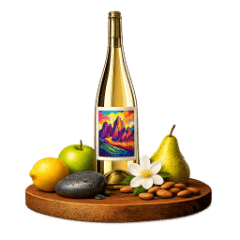
Northeastern Italy Pinot Grigio
Think of this as the ultimate refreshment button for your palate. Crisp, light, and undeniably popular, it delivers a clean rush of citrus that washes away the dust of a long day without asking difficult questions.
Think of this as the ultimate refreshment button for your palate. Crisp, light, and undeniably popular, it delivers a clean rush of citrus that washes away the dust of a long day without asking difficult questions.
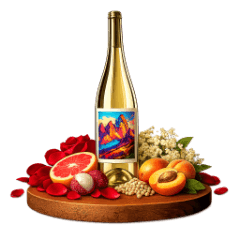
Alto Adige Aromatic White
High-altitude winemaking creates intensity you wouldn't expect. These bottles are bursting with smells that practically jump out of the glass to smack you in the face with flowers and spice before cooling you down with crisp acidity.
High-altitude winemaking creates intensity you wouldn't expect. These bottles are bursting with smells that practically jump out of the glass to smack you in the face with flowers and spice before cooling you down with crisp acidity.
LATEST REVIEWS