«
Puglia
,
Italy
Salento
Spicy Southern Soul
If the Italian boot were trying to kick a football, this specific spot is the high heel providing the leverage. It is a flat, sun-drenched peninsula acting as a bridge between two seas, famous for bulk reds that have turned classy.
If the Italian boot were trying to kick a football, this specific spot is the high heel providing the leverage. It is a flat, sun-drenched peninsula acting as a bridge between two seas, famous for bulk reds that have turned classy.
If the Italian boot were trying to kick a football, this specific spot is the high heel providing the leverage. It is a flat, sun-drenched peninsula acting as a bridge between two seas, famous for bulk reds that have turned classy.






Taste profile
Fruit Bombs
Earthy Spice
High Alcohol
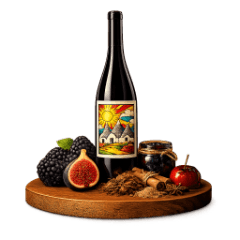
Expect a punch in the mouth, but a loving one. Negroamaro brings an earthy bitterness that balances out the sweet fruit, while Primitivo is just a straight-up fruit bomb explosion. You will find massive alcohol levels here, often hidden behind intense flavors of baked cherries, tobacco, and Mediterranean scrub. These bottles are not shy - they scream flavor at full volume and demand hearty food to soak it all up.
Expect a punch in the mouth, but a loving one. Negroamaro brings an earthy bitterness that balances out the sweet fruit, while Primitivo is just a straight-up fruit bomb explosion. You will find massive alcohol levels here, often hidden behind intense flavors of baked cherries, tobacco, and Mediterranean scrub. These bottles are not shy - they scream flavor at full volume and demand hearty food to soak it all up.
Expect a punch in the mouth, but a loving one. Negroamaro brings an earthy bitterness that balances out the sweet fruit, while Primitivo is just a straight-up fruit bomb explosion. You will find massive alcohol levels here, often hidden behind intense flavors of baked cherries, tobacco, and Mediterranean scrub. These bottles are not shy - they scream flavor at full volume and demand hearty food to soak it all up.
The vibe
Red Earth
Two Seas
Pizzica Rhythms
Flat as a pancake and hot enough to fry an egg on a stone wall. Driving through implies navigating endless stretches of red earth and ancient olive groves between two stunning coastlines. Life moves slower in the piazza, usually accompanied by the hypnotic beat of Pizzica music and enough food to feed an army. It feels isolated from the bustle of Rome but incredibly welcoming to anyone with a glass.
Flat as a pancake and hot enough to fry an egg on a stone wall. Driving through implies navigating endless stretches of red earth and ancient olive groves between two stunning coastlines. Life moves slower in the piazza, usually accompanied by the hypnotic beat of Pizzica music and enough food to feed an army. It feels isolated from the bustle of Rome but incredibly welcoming to anyone with a glass.
Flat as a pancake and hot enough to fry an egg on a stone wall. Driving through implies navigating endless stretches of red earth and ancient olive groves between two stunning coastlines. Life moves slower in the piazza, usually accompanied by the hypnotic beat of Pizzica music and enough food to feed an army. It feels isolated from the bustle of Rome but incredibly welcoming to anyone with a glass.
Who's who
Rosé Pioneers
Tuscan Money
Family Estates
While big bulk producers still exist, the real noise comes from legends like Leone de Castris, who basically invented Italian rosé. Keep an eye on Cantele for modern precision, or look for Tormaresca if you want to see what happens when Tuscan royalty (Antinori) invests serious cash in the south. Many small family plots are finally bottling their own gold instead of selling it off to industrial blenders.
While big bulk producers still exist, the real noise comes from legends like Leone de Castris, who basically invented Italian rosé. Keep an eye on Cantele for modern precision, or look for Tormaresca if you want to see what happens when Tuscan royalty (Antinori) invests serious cash in the south. Many small family plots are finally bottling their own gold instead of selling it off to industrial blenders.
While big bulk producers still exist, the real noise comes from legends like Leone de Castris, who basically invented Italian rosé. Keep an eye on Cantele for modern precision, or look for Tormaresca if you want to see what happens when Tuscan royalty (Antinori) invests serious cash in the south. Many small family plots are finally bottling their own gold instead of selling it off to industrial blenders.
LOCAL TALES
Beer Bottles and Rosé
Beer Bottles and Rosé
Beer Bottles and Rosé
During the chaos of World War II, a savvy winemaker named Piero Leone de Castris had a massive problem and a brilliant solution. He possessed excellent rosato wine but nowhere to sell it until General Charles Poletti's allied supply officers came knocking. They wanted wine, but glass bottles were totally unavailable. Piero improvised, bottling his bright pink juice in recycled beer bottles from the troops. He named it Five Roses after a contrada on his estate where several generations of his family had each raised five children. It became the very first bottled rosé in Italy, proving that necessity really is the mother of invention, or at least the mother of very good drinking during difficult times.
During the chaos of World War II, a savvy winemaker named Piero Leone de Castris had a massive problem and a brilliant solution. He possessed excellent rosato wine but nowhere to sell it until General Charles Poletti's allied supply officers came knocking. They wanted wine, but glass bottles were totally unavailable. Piero improvised, bottling his bright pink juice in recycled beer bottles from the troops. He named it Five Roses after a contrada on his estate where several generations of his family had each raised five children. It became the very first bottled rosé in Italy, proving that necessity really is the mother of invention, or at least the mother of very good drinking during difficult times.
The Ghostwriter of Europe
The Ghostwriter of Europe
The Ghostwriter of Europe
For decades, Salento was the secret engine room of European wine. Every day, massive tanker trains would chug northward, filled to the brim with dark, alcoholic juice destined for France and Northern Italy. Why? Because the wines up north were too thin and weak due to bad weather, so they needed a shot of Salento muscle to bulk them up. Winemakers here were essentially ghostwriters for famous labels. Eventually, the locals realized they were giving away the good stuff for pennies. They stopped the tankers, started bottling their own labels, and told the world that if they wanted the strength of the south, they would have to buy the bottle with the Salento name on it.
For decades, Salento was the secret engine room of European wine. Every day, massive tanker trains would chug northward, filled to the brim with dark, alcoholic juice destined for France and Northern Italy. Why? Because the wines up north were too thin and weak due to bad weather, so they needed a shot of Salento muscle to bulk them up. Winemakers here were essentially ghostwriters for famous labels. Eventually, the locals realized they were giving away the good stuff for pennies. They stopped the tankers, started bottling their own labels, and told the world that if they wanted the strength of the south, they would have to buy the bottle with the Salento name on it.
Nature's Air Conditioning
Nature's Air Conditioning
Nature's Air Conditioning
You might wonder how grapes survive here without turning into raisins on the vine given the intense African heat. The secret weapon is a constant tug-of-war between the Ionian and Adriatic seas. This peninsula is narrow enough that cool breezes constantly sweep across the vineyards, acting like a natural air conditioning system that dries off humidity and prevents rot. This allows growers to embrace organic farming almost by accident, simply because mold struggles to survive in this wind tunnel. It explains why Negroamaro manages to keep a surprising acidity even when the thermometer hits forty degrees. The wind does half the work, leaving the winemaker to take the credit for the freshness in the glass.
You might wonder how grapes survive here without turning into raisins on the vine given the intense African heat. The secret weapon is a constant tug-of-war between the Ionian and Adriatic seas. This peninsula is narrow enough that cool breezes constantly sweep across the vineyards, acting like a natural air conditioning system that dries off humidity and prevents rot. This allows growers to embrace organic farming almost by accident, simply because mold struggles to survive in this wind tunnel. It explains why Negroamaro manages to keep a surprising acidity even when the thermometer hits forty degrees. The wind does half the work, leaving the winemaker to take the credit for the freshness in the glass.
LATEST REVIEWS