«
Maipo Valley
,
Chile

Maipo Andes
Mountain Cabernet Royalty
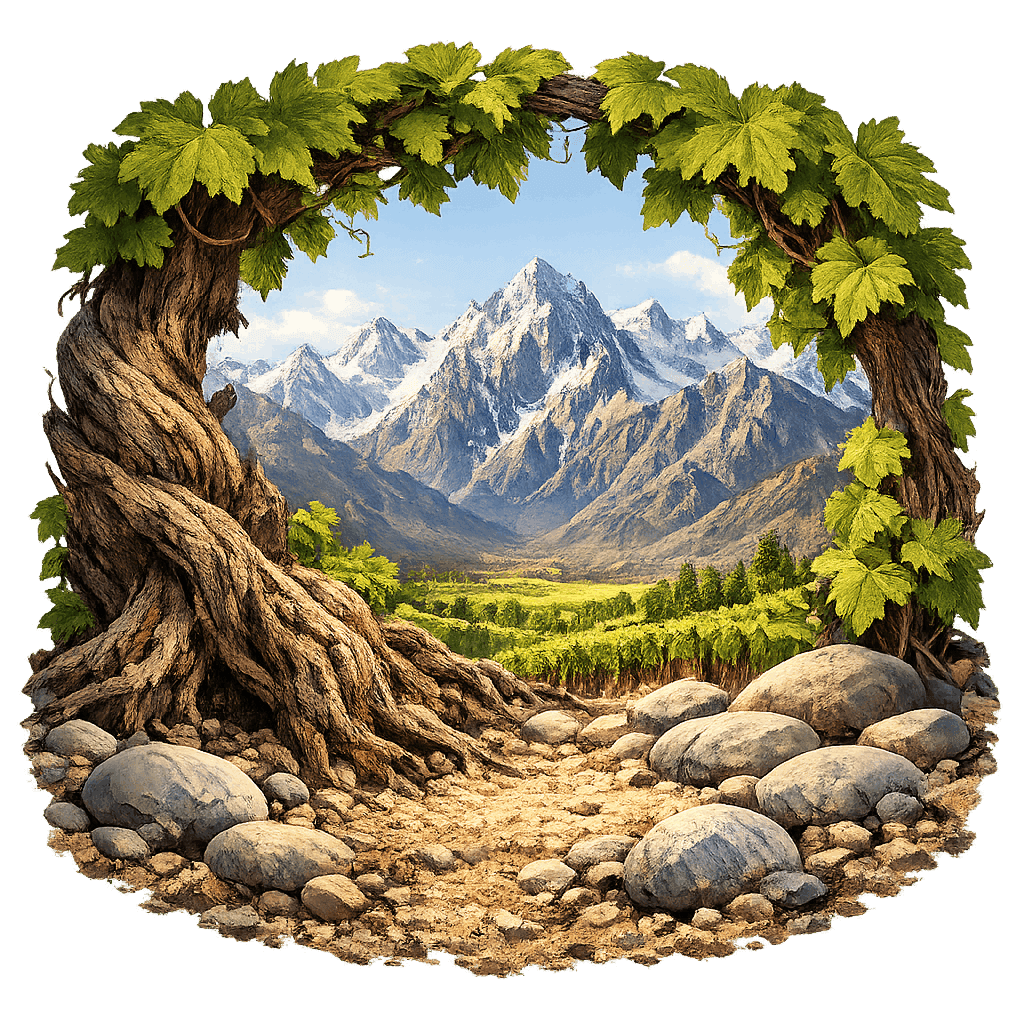
Perched right on the toes of the massive Andes mountains, this area defines Chilean elegance. It is where altitude meets attitude, producing reds that scream freshness while maintaining that classic power everyone loves.
Perched right on the toes of the massive Andes mountains, this area defines Chilean elegance. It is where altitude meets attitude, producing reds that scream freshness while maintaining that classic power everyone loves.
Perched right on the toes of the massive Andes mountains, this area defines Chilean elegance. It is where altitude meets attitude, producing reds that scream freshness while maintaining that classic power everyone loves.





Taste profile
Minty elegance
Fresh acidity
Herbal kick
Your palate is in for a high-altitude treat. Cabernet Sauvignon here ditches the jammy sweetness for savory herbs and a distinct eucalyptus kick. Cool mountain breezes lock in acidity, meaning these wines have a nervous energy and fine-grained tannins that feel like silk sheets. Expect red currants, black pepper, and that tell-tale menthol note that screams Maipo without needing a megaphone.
Your palate is in for a high-altitude treat. Cabernet Sauvignon here ditches the jammy sweetness for savory herbs and a distinct eucalyptus kick. Cool mountain breezes lock in acidity, meaning these wines have a nervous energy and fine-grained tannins that feel like silk sheets. Expect red currants, black pepper, and that tell-tale menthol note that screams Maipo without needing a megaphone.
Your palate is in for a high-altitude treat. Cabernet Sauvignon here ditches the jammy sweetness for savory herbs and a distinct eucalyptus kick. Cool mountain breezes lock in acidity, meaning these wines have a nervous energy and fine-grained tannins that feel like silk sheets. Expect red currants, black pepper, and that tell-tale menthol note that screams Maipo without needing a megaphone.
The vibe
Mountain air
Urban edge
Rocky grandeur
Standing here feels like you can touch the snowy peaks. The air is crisp, thinner, and filled with the smell of scrubland herbs. It is a mix of ancient estates and rugged, rocky terrain where vines struggle for survival in gravelly soils. You are literally on the edge of the city of Santiago yet a world away in terms of tranquility and view.
Standing here feels like you can touch the snowy peaks. The air is crisp, thinner, and filled with the smell of scrubland herbs. It is a mix of ancient estates and rugged, rocky terrain where vines struggle for survival in gravelly soils. You are literally on the edge of the city of Santiago yet a world away in terms of tranquility and view.
Standing here feels like you can touch the snowy peaks. The air is crisp, thinner, and filled with the smell of scrubland herbs. It is a mix of ancient estates and rugged, rocky terrain where vines struggle for survival in gravelly soils. You are literally on the edge of the city of Santiago yet a world away in terms of tranquility and view.
Who's who
Cult icons
Biodynamic stars
Mountain masters
Look out for legends like Aquitania in Peñalolén or the biodynamic pioneers at Antiyal. Perez Cruz creates architectural marvels in Huelquén that match their bold reds. If you want cult status, track down Domus Aurea from Quebrada de Macul, a bottle that changed the game for Chilean single-vineyard wines. It represents the old guard and new wave colliding beautifully.
Look out for legends like Aquitania in Peñalolén or the biodynamic pioneers at Antiyal. Perez Cruz creates architectural marvels in Huelquén that match their bold reds. If you want cult status, track down Domus Aurea from Quebrada de Macul, a bottle that changed the game for Chilean single-vineyard wines. It represents the old guard and new wave colliding beautifully.
Look out for legends like Aquitania in Peñalolén or the biodynamic pioneers at Antiyal. Perez Cruz creates architectural marvels in Huelquén that match their bold reds. If you want cult status, track down Domus Aurea from Quebrada de Macul, a bottle that changed the game for Chilean single-vineyard wines. It represents the old guard and new wave colliding beautifully.
LOCAL TALES
The Concrete Jungle Struggle
The Concrete Jungle Struggle
The Concrete Jungle Struggle
Back in the 19th century, the outskirts of Santiago were just endless haciendas and open fields. Wealthy mining magnates planted vines here because the gravelly soil reminded them of Bordeaux, just with better views. But unlike the flat Médoc, they had the Andes looming overhead. As Santiago expanded over the decades, concrete started eating up the green space. Today, historic spots like Cousiño Macul are essentially islands of vines surrounded by a sea of residential houses. It is a miracle these pockets survived the relentless real estate boom. Drinking wine here is literally tasting history that refused to be paved over for a shopping mall or a new highway.
Back in the 19th century, the outskirts of Santiago were just endless haciendas and open fields. Wealthy mining magnates planted vines here because the gravelly soil reminded them of Bordeaux, just with better views. But unlike the flat Médoc, they had the Andes looming overhead. As Santiago expanded over the decades, concrete started eating up the green space. Today, historic spots like Cousiño Macul are essentially islands of vines surrounded by a sea of residential houses. It is a miracle these pockets survived the relentless real estate boom. Drinking wine here is literally tasting history that refused to be paved over for a shopping mall or a new highway.
The Great Cough Drop Debate
The Great Cough Drop Debate
The Great Cough Drop Debate
Visitors often stick their nose in a glass of Maipo Andes Cabernet Sauvignon and ask if someone dropped a lozenge in it. That signature minty, eucalyptus note is the region's fingerprint. For years, people argued about why it happens. Is it the soil composition? The downdrafts from the mountains? Turns out, it might just be the actual eucalyptus trees lining the vineyards. Their oils vaporize in the heat and stick to the waxy skins of Cabernet Sauvignon. Some winemakers hate it and cut the trees down to be more generic, while others embrace it as the ultimate terroir marker. We say keep the trees and enjoy the freshness.
Visitors often stick their nose in a glass of Maipo Andes Cabernet Sauvignon and ask if someone dropped a lozenge in it. That signature minty, eucalyptus note is the region's fingerprint. For years, people argued about why it happens. Is it the soil composition? The downdrafts from the mountains? Turns out, it might just be the actual eucalyptus trees lining the vineyards. Their oils vaporize in the heat and stick to the waxy skins of Cabernet Sauvignon. Some winemakers hate it and cut the trees down to be more generic, while others embrace it as the ultimate terroir marker. We say keep the trees and enjoy the freshness.
Spaceships in the Foothills
Spaceships in the Foothills
Spaceships in the Foothills
You cannot talk about this area without mentioning the visual spectacle of the wineries themselves. Take Perez Cruz in the Huelquén sub-sector. The winery looks like a futuristic wooden spaceship landed in the foothills to harvest grapes. Built from local timber, its curved roof mimics the wind blowing through the trees and allows for natural air cooling. It is eco-friendly engineering at its finest. While others build faux French chateaus to look fancy, the producers here are building temples to nature that actually help make better wine. It is functional art that houses some serious juice, proving that good design tastes better.
You cannot talk about this area without mentioning the visual spectacle of the wineries themselves. Take Perez Cruz in the Huelquén sub-sector. The winery looks like a futuristic wooden spaceship landed in the foothills to harvest grapes. Built from local timber, its curved roof mimics the wind blowing through the trees and allows for natural air cooling. It is eco-friendly engineering at its finest. While others build faux French chateaus to look fancy, the producers here are building temples to nature that actually help make better wine. It is functional art that houses some serious juice, proving that good design tastes better.
LOCAL WINE STYLES
Chilean Cabernet Sauvignon
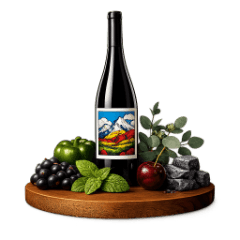
Imagine sipping a glass of bold dark fruit while standing in a eucalyptus forest. It brings serious structure without the hefty price tag found in Napa, mixing savory green pepper notes with ripe blackcurrants effortlessly.
Imagine sipping a glass of bold dark fruit while standing in a eucalyptus forest. It brings serious structure without the hefty price tag found in Napa, mixing savory green pepper notes with ripe blackcurrants effortlessly.
Chilean Carménère
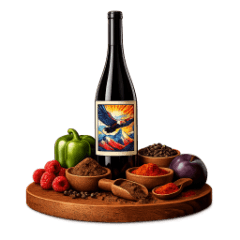
Once thought extinct in Europe, this red found a secret hideout in South America. It is famous for mixing savory herbal notes with plush red fruit, making it the ultimate barbecue wingman for veggies and meats alike.
Once thought extinct in Europe, this red found a secret hideout in South America. It is famous for mixing savory herbal notes with plush red fruit, making it the ultimate barbecue wingman for veggies and meats alike.
LATEST REVIEWS