«
Puglia
,
Italy

Gioia del Colle
Primitivo's Classy Ancestor
While the rest of the world chases sugar, this limestone plateau prefers sophistication. It serves as the historic birthplace of Primitivo, offering a version of the wine that wears a tuxedo instead of a Hawaiian shirt.
While the rest of the world chases sugar, this limestone plateau prefers sophistication. It serves as the historic birthplace of Primitivo, offering a version of the wine that wears a tuxedo instead of a Hawaiian shirt.
While the rest of the world chases sugar, this limestone plateau prefers sophistication. It serves as the historic birthplace of Primitivo, offering a version of the wine that wears a tuxedo instead of a Hawaiian shirt.


Taste profile
Wild cherry
Mineral kick
High acidity
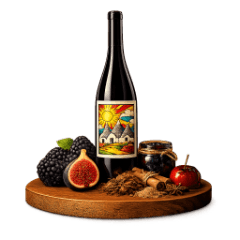
Expect a serious upgrade from the bargain bin juice you might know. Primitivo here tastes like wild cherries and blackberries wrapped in leather jackets. The altitude keeps acidity high, meaning you actually want a second glass. Mineral notes and spicy kicks define these reds, making them polished enough for fancy dinners but wild enough for pizza night.
Expect a serious upgrade from the bargain bin juice you might know. Primitivo here tastes like wild cherries and blackberries wrapped in leather jackets. The altitude keeps acidity high, meaning you actually want a second glass. Mineral notes and spicy kicks define these reds, making them polished enough for fancy dinners but wild enough for pizza night.
Expect a serious upgrade from the bargain bin juice you might know. Primitivo here tastes like wild cherries and blackberries wrapped in leather jackets. The altitude keeps acidity high, meaning you actually want a second glass. Mineral notes and spicy kicks define these reds, making them polished enough for fancy dinners but wild enough for pizza night.
The vibe
Rocky plateau
Windy hills
Slow pace
We are standing on the Murgia plateau where the air feels decidedly fresher than the sweaty coast. It is a rocky, windy landscape dotted with ancient stone walls and sturdy vines fighting for nutrients. Life moves slowly here, dictated by the seasons and the serious business of making wine that does not taste like strawberry jam.
We are standing on the Murgia plateau where the air feels decidedly fresher than the sweaty coast. It is a rocky, windy landscape dotted with ancient stone walls and sturdy vines fighting for nutrients. Life moves slowly here, dictated by the seasons and the serious business of making wine that does not taste like strawberry jam.
We are standing on the Murgia plateau where the air feels decidedly fresher than the sweaty coast. It is a rocky, windy landscape dotted with ancient stone walls and sturdy vines fighting for nutrients. Life moves slowly here, dictated by the seasons and the serious business of making wine that does not taste like strawberry jam.
Who's who
Polvanera
Tenute Chiaromonte
Plantamura
Polvanera leads the charge with organic farming and cellars carved from rock, ditching oak to show what Primitivo really tastes like. Tenute Chiaromonte makes bottles that score incredibly high points, while Plantamura keeps things strictly traditional. If you want to taste history in a glass, seek out Coppi for their aged reserves that prove these wines can live forever.
Polvanera leads the charge with organic farming and cellars carved from rock, ditching oak to show what Primitivo really tastes like. Tenute Chiaromonte makes bottles that score incredibly high points, while Plantamura keeps things strictly traditional. If you want to taste history in a glass, seek out Coppi for their aged reserves that prove these wines can live forever.
Polvanera leads the charge with organic farming and cellars carved from rock, ditching oak to show what Primitivo really tastes like. Tenute Chiaromonte makes bottles that score incredibly high points, while Plantamura keeps things strictly traditional. If you want to taste history in a glass, seek out Coppi for their aged reserves that prove these wines can live forever.
LOCAL TALES
The Observant Priest
The Observant Priest
The Observant Priest
Back in the late 1700s, a local priest named Don Francesco Filippo Indellicati was poking around his vineyard when he noticed a specific vine that ripened way before everything else. Being a man of observation, he christened it Primaticcio, derived from the Latin for first to ripen. He did not just hoard the good stuff for communion - he actively selected and propagated these early birds, essentially giving birth to the Primitivo we know today. While California tries to claim Zinfandel is their invention, DNA testing proved that Indellicati's discovery and the American icon are actually identical twins. So every time you sip a glass, you are technically toasting a very observant Italian clergyman.
Back in the late 1700s, a local priest named Don Francesco Filippo Indellicati was poking around his vineyard when he noticed a specific vine that ripened way before everything else. Being a man of observation, he christened it Primaticcio, derived from the Latin for first to ripen. He did not just hoard the good stuff for communion - he actively selected and propagated these early birds, essentially giving birth to the Primitivo we know today. While California tries to claim Zinfandel is their invention, DNA testing proved that Indellicati's discovery and the American icon are actually identical twins. So every time you sip a glass, you are technically toasting a very observant Italian clergyman.
Joy or Jewels?
Joy or Jewels?
Joy or Jewels?
Legends love a good jewelry mishap. The story goes that Bianca Lancia, the lover and eventual wife of Emperor Frederick II, lost a precious necklace in the area. When it was found, the joy was so immense they named the place Gioia, or Joy. Others argue Gioia simply means Jewel in an older dialect, referring to the beauty of the hilltop location. Regardless of lost accessories, the town is dominated by Frederick's massive castle. It is said he imprisoned her there due to jealousy, which sounds significantly less joyful than finding a necklace. Today, the real jewels are the ancient vines growing in the rocky soil surrounding those castle walls.
Legends love a good jewelry mishap. The story goes that Bianca Lancia, the lover and eventual wife of Emperor Frederick II, lost a precious necklace in the area. When it was found, the joy was so immense they named the place Gioia, or Joy. Others argue Gioia simply means Jewel in an older dialect, referring to the beauty of the hilltop location. Regardless of lost accessories, the town is dominated by Frederick's massive castle. It is said he imprisoned her there due to jealousy, which sounds significantly less joyful than finding a necklace. Today, the real jewels are the ancient vines growing in the rocky soil surrounding those castle walls.
Living on a Sponge
Living on a Sponge
Living on a Sponge
You cannot talk about this place without mentioning what lies beneath. The soil is red, but under that thin layer sits a massive block of limestone. This karst terrain is like Swiss cheese, full of underground caves and aquifers. The roots of Primitivo have to work incredibly hard to smash through the rock to find water, which creates that intense mineral flavor in your glass. Some winemakers, like the folks at Polvanera, actually carved their cellar directly into this limestone bedrock. It keeps the wines naturally cool without electricity, meaning the very earth that grew the grapes is also responsible for babysitting them while they age.
You cannot talk about this place without mentioning what lies beneath. The soil is red, but under that thin layer sits a massive block of limestone. This karst terrain is like Swiss cheese, full of underground caves and aquifers. The roots of Primitivo have to work incredibly hard to smash through the rock to find water, which creates that intense mineral flavor in your glass. Some winemakers, like the folks at Polvanera, actually carved their cellar directly into this limestone bedrock. It keeps the wines naturally cool without electricity, meaning the very earth that grew the grapes is also responsible for babysitting them while they age.
LATEST REVIEWS