«
Jerez
,
Spain

El Puerto de Santa María
Columbus's Liquid Launchpad
Located right at the mouth of the Guadalete river, this spot completes the holy trinity of the Sherry Triangle. It offers a perfect middle ground where ocean breezes meet historic cellars, creating wines that balance salinity with distinct body.
Located right at the mouth of the Guadalete river, this spot completes the holy trinity of the Sherry Triangle. It offers a perfect middle ground where ocean breezes meet historic cellars, creating wines that balance salinity with distinct body.
Located right at the mouth of the Guadalete river, this spot completes the holy trinity of the Sherry Triangle. It offers a perfect middle ground where ocean breezes meet historic cellars, creating wines that balance salinity with distinct body.



Taste profile
Salted almonds
Savory twist
Hybrid style
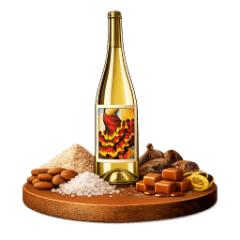
Expect a fascinating hybrid style here. Fino del Puerto bridges the gap between the razor-sharp salinity of Sanlúcar and the almond-heavy weight of inland Jerez. Drinkers will find a distinct nose of roasted nuts mixed with sea spray. It is less delicate than Manzanilla but still packs a refreshing punch, often finishing with a savory, bitter twist that screams for fried fish.
Expect a fascinating hybrid style here. Fino del Puerto bridges the gap between the razor-sharp salinity of Sanlúcar and the almond-heavy weight of inland Jerez. Drinkers will find a distinct nose of roasted nuts mixed with sea spray. It is less delicate than Manzanilla but still packs a refreshing punch, often finishing with a savory, bitter twist that screams for fried fish.
Expect a fascinating hybrid style here. Fino del Puerto bridges the gap between the razor-sharp salinity of Sanlúcar and the almond-heavy weight of inland Jerez. Drinkers will find a distinct nose of roasted nuts mixed with sea spray. It is less delicate than Manzanilla but still packs a refreshing punch, often finishing with a savory, bitter twist that screams for fried fish.
The vibe
Faded glamour
Living museum
Coastal breeze
History buffs and beach bums unite in this coastal town. It feels like a living museum with a suntan. Cobblestone streets wind past massive cathedral-style bodegas while the smell of low tide mingles with yeast. This is where wealthy merchants once traded spices and gold, and today it retains a faded, aristocratic glamour that feels incredibly relaxed and inviting for a glass of wine.
History buffs and beach bums unite in this coastal town. It feels like a living museum with a suntan. Cobblestone streets wind past massive cathedral-style bodegas while the smell of low tide mingles with yeast. This is where wealthy merchants once traded spices and gold, and today it retains a faded, aristocratic glamour that feels incredibly relaxed and inviting for a glass of wine.
History buffs and beach bums unite in this coastal town. It feels like a living museum with a suntan. Cobblestone streets wind past massive cathedral-style bodegas while the smell of low tide mingles with yeast. This is where wealthy merchants once traded spices and gold, and today it retains a faded, aristocratic glamour that feels incredibly relaxed and inviting for a glass of wine.
Who's who
Osborne titan
Gutiérrez Colosía
Caballero stocks
Osborne is the unmissable titan here, famous for those black bull silhouettes dotting the Spanish highways. For a more intimate look at the craft, Gutiérrez Colosía offers stunning wines right on the riverbank. Don't overlook Caballero either, as they hold the keys to the historic Lustau stocks in this specific area. It is a mix of massive commercial powerhouses and artisanal family gems.
Osborne is the unmissable titan here, famous for those black bull silhouettes dotting the Spanish highways. For a more intimate look at the craft, Gutiérrez Colosía offers stunning wines right on the riverbank. Don't overlook Caballero either, as they hold the keys to the historic Lustau stocks in this specific area. It is a mix of massive commercial powerhouses and artisanal family gems.
Osborne is the unmissable titan here, famous for those black bull silhouettes dotting the Spanish highways. For a more intimate look at the craft, Gutiérrez Colosía offers stunning wines right on the riverbank. Don't overlook Caballero either, as they hold the keys to the historic Lustau stocks in this specific area. It is a mix of massive commercial powerhouses and artisanal family gems.
LOCAL TALES
The Real Captain
The Real Captain
The Real Captain
Before Christopher Columbus sailed the ocean blue, he needed a serious cartographer. Enter Juan de la Cosa, a resident of El Puerto who drew the first map of the world including the Americas. He owned the flagship vessel, the Santa María, and served as its master. Locals love to remind you that while the Italian explorer gets the credit, the ship's owner and the maritime expertise were strictly homegrown. The town was a buzzing hive of exploration, funding, and provisioning, meaning barrels of local wine likely crossed the Atlantic long before anyone else thought to export the stuff. It is the ultimate claim to maritime fame.
Before Christopher Columbus sailed the ocean blue, he needed a serious cartographer. Enter Juan de la Cosa, a resident of El Puerto who drew the first map of the world including the Americas. He owned the flagship vessel, the Santa María, and served as its master. Locals love to remind you that while the Italian explorer gets the credit, the ship's owner and the maritime expertise were strictly homegrown. The town was a buzzing hive of exploration, funding, and provisioning, meaning barrels of local wine likely crossed the Atlantic long before anyone else thought to export the stuff. It is the ultimate claim to maritime fame.
The National Bull
The National Bull
The National Bull
Driving through Spain usually involves spotting a massive black bull silhouette on a hill. That isn't just random street art - it is the logo for Osborne, founded right here in 1772. Originally designed as a billboard in the 1950s to advertise their Brandy de Jerez, these metal beasts became so beloved that when laws banned roadside advertising, the public revolted. The government allowed the bulls to stay as cultural heritage, provided the brand name was painted over. Today, Osborne headquarters remains a pilgrimage site in El Puerto, proving that sometimes a marketing campaign is so good it becomes a national identity.
Driving through Spain usually involves spotting a massive black bull silhouette on a hill. That isn't just random street art - it is the logo for Osborne, founded right here in 1772. Originally designed as a billboard in the 1950s to advertise their Brandy de Jerez, these metal beasts became so beloved that when laws banned roadside advertising, the public revolted. The government allowed the bulls to stay as cultural heritage, provided the brand name was painted over. Today, Osborne headquarters remains a pilgrimage site in El Puerto, proving that sometimes a marketing campaign is so good it becomes a national identity.
Farming the Wind
Farming the Wind
Farming the Wind
Winemakers here are basically wind farmers. The bodegas in El Puerto are built tall with high windows, often described as cathedrals, specifically to catch the Poniente wind blowing off the Atlantic. This humidity is crucial for the survival of the flor - that magical layer of yeast protecting the wine. Unlike modern temperature-controlled warehouses, these ancient buildings rely on positioning and thermal inertia. You will often see the floor covered in albero sand, the same yellow dirt used in bullrings, which winemakers water down during hot summers to lower the ambient temperature. It is low-tech air conditioning at its finest and most effective.
Winemakers here are basically wind farmers. The bodegas in El Puerto are built tall with high windows, often described as cathedrals, specifically to catch the Poniente wind blowing off the Atlantic. This humidity is crucial for the survival of the flor - that magical layer of yeast protecting the wine. Unlike modern temperature-controlled warehouses, these ancient buildings rely on positioning and thermal inertia. You will often see the floor covered in albero sand, the same yellow dirt used in bullrings, which winemakers water down during hot summers to lower the ambient temperature. It is low-tech air conditioning at its finest and most effective.
LATEST REVIEWS