«
Trentino-Alto Adige / Südtirol
,
Italy
Alto Adige
Alpine Precision Bomb
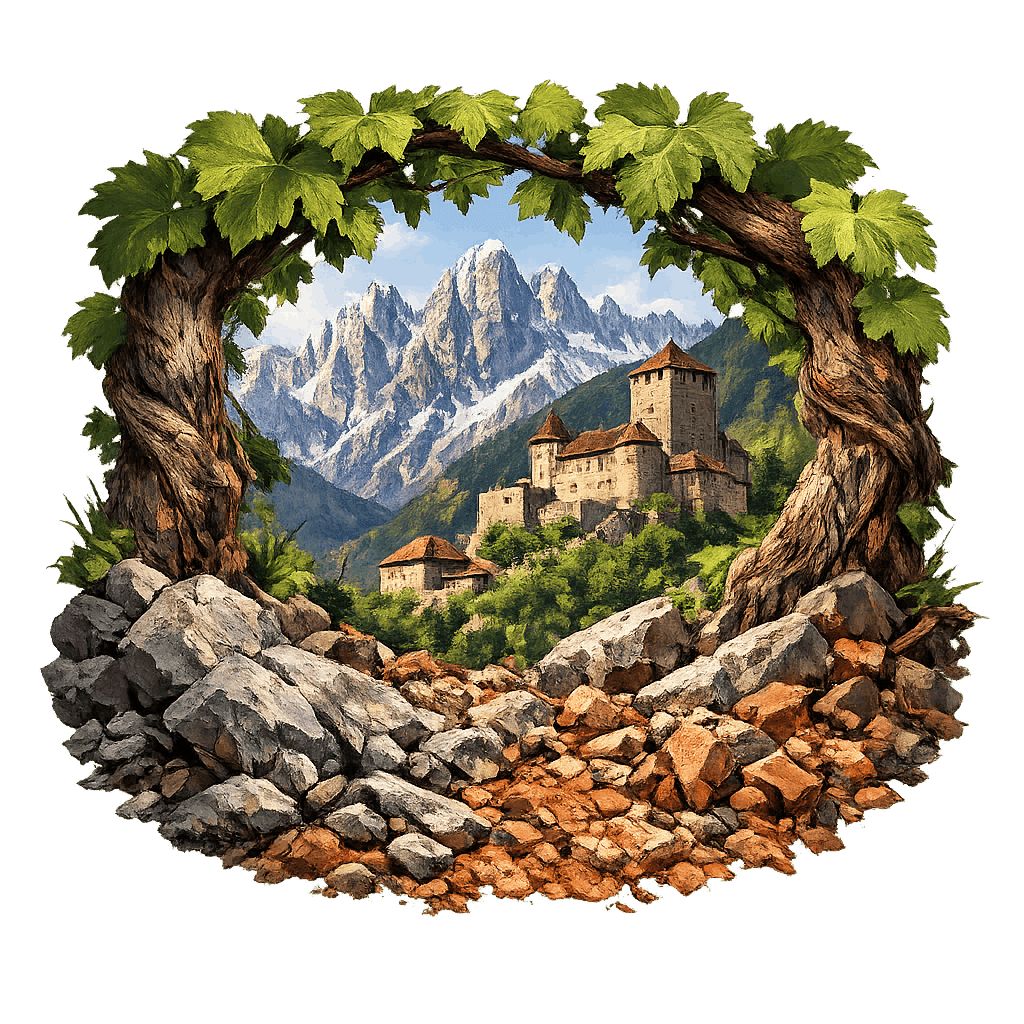
Forget everything you know about Mediterranean Italy because this is where lederhosen meets dolce vita. Tucked right up against the Austrian border, it offers razor-sharp white wines and red wines that actually taste refreshing.
Forget everything you know about Mediterranean Italy because this is where lederhosen meets dolce vita. Tucked right up against the Austrian border, it offers razor-sharp white wines and red wines that actually taste refreshing.
Forget everything you know about Mediterranean Italy because this is where lederhosen meets dolce vita. Tucked right up against the Austrian border, it offers razor-sharp white wines and red wines that actually taste refreshing.




Taste profile
Electric whites
Chillable reds
Laser acidity
Your palate is about to go mountaineering. White wines here are electric, vibrating with acidity that could cut glass. Pinot Grigio gets serious, while Gewürztraminer explodes with lychee perfume without being cloying. If you prefer red, Schiava is the ultimate chillable juice, smelling like strawberries and cotton candy, while Lagrein brings a bit more dark berry grit to the party.
Your palate is about to go mountaineering. White wines here are electric, vibrating with acidity that could cut glass. Pinot Grigio gets serious, while Gewürztraminer explodes with lychee perfume without being cloying. If you prefer red, Schiava is the ultimate chillable juice, smelling like strawberries and cotton candy, while Lagrein brings a bit more dark berry grit to the party.
Your palate is about to go mountaineering. White wines here are electric, vibrating with acidity that could cut glass. Pinot Grigio gets serious, while Gewürztraminer explodes with lychee perfume without being cloying. If you prefer red, Schiava is the ultimate chillable juice, smelling like strawberries and cotton candy, while Lagrein brings a bit more dark berry grit to the party.
The vibe
Bilingual bliss
Steep slopes
Mountain chic
Picture postcard villages where street signs are in two languages and the mountains loom large enough to give you vertigo. It feels incredibly organized here. Vineyards are manicured like golf courses, climbing steep slopes that would make a goat nervous. You are drinking wine in a place where people hike all day and eat dumplings all night.
Picture postcard villages where street signs are in two languages and the mountains loom large enough to give you vertigo. It feels incredibly organized here. Vineyards are manicured like golf courses, climbing steep slopes that would make a goat nervous. You are drinking wine in a place where people hike all day and eat dumplings all night.
Picture postcard villages where street signs are in two languages and the mountains loom large enough to give you vertigo. It feels incredibly organized here. Vineyards are manicured like golf courses, climbing steep slopes that would make a goat nervous. You are drinking wine in a place where people hike all day and eat dumplings all night.
Who's who
Elite Co-ops
Elena Walch
Alois Lageder
Unlike most of the world where cooperatives are synonymous with bulk swill, the co-ops here are absolute rockstars producing premium juice. Look for labels like Cantina Terlano or St. Michael-Eppan for reliability. Independent dynamos like Elena Walch and Alois Lageder are pushing boundaries with sustainability and single-vineyard focus. It is a mix of collective power and individual brilliance.
Unlike most of the world where cooperatives are synonymous with bulk swill, the co-ops here are absolute rockstars producing premium juice. Look for labels like Cantina Terlano or St. Michael-Eppan for reliability. Independent dynamos like Elena Walch and Alois Lageder are pushing boundaries with sustainability and single-vineyard focus. It is a mix of collective power and individual brilliance.
Unlike most of the world where cooperatives are synonymous with bulk swill, the co-ops here are absolute rockstars producing premium juice. Look for labels like Cantina Terlano or St. Michael-Eppan for reliability. Independent dynamos like Elena Walch and Alois Lageder are pushing boundaries with sustainability and single-vineyard focus. It is a mix of collective power and individual brilliance.
LOCAL TALES
The Identity Swap
The Identity Swap
The Identity Swap
Until 1918, this entire area was happily part of the Austro-Hungarian Empire, sipping beer and managing distinct vineyards. After World War I, borders shifted and suddenly Südtirol became Alto Adige. It created a fascinating identity crisis that actually benefitted the wine scene immensely. You have German precision in the cellar mixed with Italian flair for marketing and enjoying life. Winemakers speak German to their vines but sell them with Italian style. This duality saved the region from obscurity. Instead of just being another southern tip of the Germanic world, it became the northern jewel of Italy. It is a cultural mash-up that resulted in some of the cleanest winemaking in Europe.
Until 1918, this entire area was happily part of the Austro-Hungarian Empire, sipping beer and managing distinct vineyards. After World War I, borders shifted and suddenly Südtirol became Alto Adige. It created a fascinating identity crisis that actually benefitted the wine scene immensely. You have German precision in the cellar mixed with Italian flair for marketing and enjoying life. Winemakers speak German to their vines but sell them with Italian style. This duality saved the region from obscurity. Instead of just being another southern tip of the Germanic world, it became the northern jewel of Italy. It is a cultural mash-up that resulted in some of the cleanest winemaking in Europe.
Home of Spice
Home of Spice
Home of Spice
If you have ever struggled to pronounce Gewürztraminer without spitting on your friend, you can blame the tiny village of Tramin. This town claims to be the spiritual home of the spicy pink berries that took over the aromatic wine world. While the genetics are a bit messy - Savagnin Blanc is involved - the locals in Tramin do not care about DNA tests. They care about producing a wine that smells like a florist shop exploded inside a bakery. It is a point of massive local pride. Visits to Tramin usually involve an overwhelming amount of floral aromas and locals explaining that their version is not sweet syrup, but a structured, powerful beast that demands respect.
If you have ever struggled to pronounce Gewürztraminer without spitting on your friend, you can blame the tiny village of Tramin. This town claims to be the spiritual home of the spicy pink berries that took over the aromatic wine world. While the genetics are a bit messy - Savagnin Blanc is involved - the locals in Tramin do not care about DNA tests. They care about producing a wine that smells like a florist shop exploded inside a bakery. It is a point of massive local pride. Visits to Tramin usually involve an overwhelming amount of floral aromas and locals explaining that their version is not sweet syrup, but a structured, powerful beast that demands respect.
Socialism That Tastes Good
Socialism That Tastes Good
Socialism That Tastes Good
In France or California, seeing a cooperative label often implies you are buying bargain-bin fermented juice. Here, the script is flipped entirely. The landscape is so fragmented, with tiny plots of land passed down through families, that individual production makes zero financial sense. So, growers united with a shared obsession for quality over quantity. They pay farmers based on sugar levels and health of the crop, not just weight. This means a tiny grower with one hectare of Lagrein treats it like a grand cru garden. The result is that the local co-op bottle is often better than expensive estate wines from other regions. It is a community effort where everyone wins, especially your glass.
In France or California, seeing a cooperative label often implies you are buying bargain-bin fermented juice. Here, the script is flipped entirely. The landscape is so fragmented, with tiny plots of land passed down through families, that individual production makes zero financial sense. So, growers united with a shared obsession for quality over quantity. They pay farmers based on sugar levels and health of the crop, not just weight. This means a tiny grower with one hectare of Lagrein treats it like a grand cru garden. The result is that the local co-op bottle is often better than expensive estate wines from other regions. It is a community effort where everyone wins, especially your glass.
LOCAL WINE STYLES
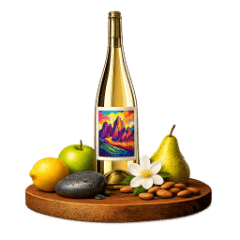
Northeastern Italy Pinot Grigio
Think of this as the ultimate refreshment button for your palate. Crisp, light, and undeniably popular, it delivers a clean rush of citrus that washes away the dust of a long day without asking difficult questions.
Think of this as the ultimate refreshment button for your palate. Crisp, light, and undeniably popular, it delivers a clean rush of citrus that washes away the dust of a long day without asking difficult questions.
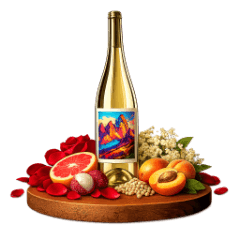
Alto Adige Aromatic White
High-altitude winemaking creates intensity you wouldn't expect. These bottles are bursting with smells that practically jump out of the glass to smack you in the face with flowers and spice before cooling you down with crisp acidity.
High-altitude winemaking creates intensity you wouldn't expect. These bottles are bursting with smells that practically jump out of the glass to smack you in the face with flowers and spice before cooling you down with crisp acidity.
LATEST REVIEWS