«
Italy
Umbria
Umbria
Umbria
Italy's Green Heart
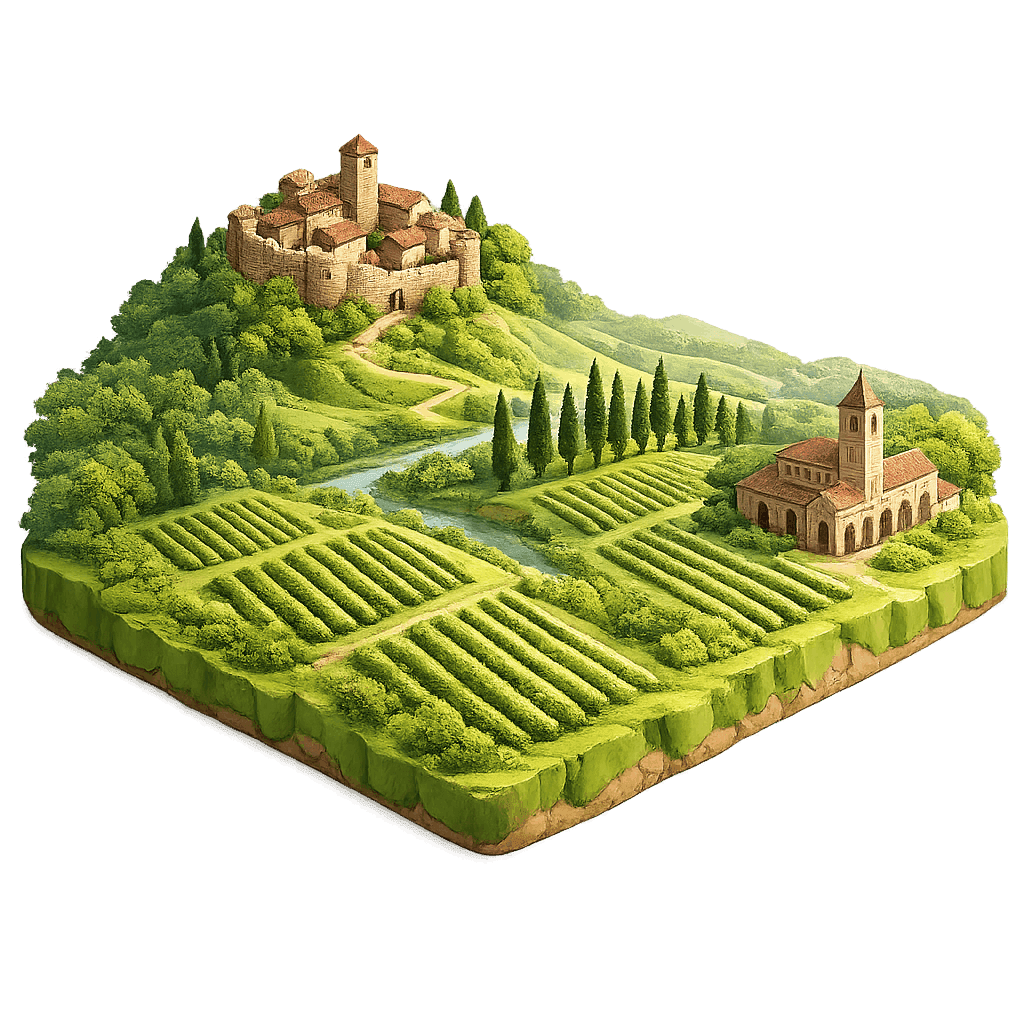
Shielded away from the sea, this region beats with a verdant rhythm. It remains the only Italian territory without a coastline or international border, focusing its entire energy inward on creating powerful reds and crisp, historical whites.
Shielded away from the sea, this region beats with a verdant rhythm. It remains the only Italian territory without a coastline or international border, focusing its entire energy inward on creating powerful reds and crisp, historical whites.
Shielded away from the sea, this region beats with a verdant rhythm. It remains the only Italian territory without a coastline or international border, focusing its entire energy inward on creating powerful reds and crisp, historical whites.





Why it's unique
Tannin King
Authentic Vibes
Extreme Flavors
While Tuscany gets all the glossy magazine covers, Umbria stays authentic and gritty. Sagrantino di Montefalco boasts more tannins than seemingly any other red on earth, requiring patience and a steak knife to tame. Yet, Orvieto keeps things light with ancient white blends. It is a land of extremes where spiritual silence meets loud, boisterous flavors that refuse to apologize for their intensity.
While Tuscany gets all the glossy magazine covers, Umbria stays authentic and gritty. Sagrantino di Montefalco boasts more tannins than seemingly any other red on earth, requiring patience and a steak knife to tame. Yet, Orvieto keeps things light with ancient white blends. It is a land of extremes where spiritual silence meets loud, boisterous flavors that refuse to apologize for their intensity.
While Tuscany gets all the glossy magazine covers, Umbria stays authentic and gritty. Sagrantino di Montefalco boasts more tannins than seemingly any other red on earth, requiring patience and a steak knife to tame. Yet, Orvieto keeps things light with ancient white blends. It is a land of extremes where spiritual silence meets loud, boisterous flavors that refuse to apologize for their intensity.
Terroir
Rolling Hills
Lake Effect
Fossil Soil
Gently rolling hills dominate the landscape, providing diverse exposures for vines. The Apennine mountains block the harshest weather, while Lake Trasimeno acts as a giant climate moderator, keeping things temperate. Soils vary wildly from the clay-rich earth that Sagrantino loves to the sandy, fossil-filled tuff around Orvieto that gives whites their distinct mineral kick. It is green for a reason, thanks to ample rainfall.
Gently rolling hills dominate the landscape, providing diverse exposures for vines. The Apennine mountains block the harshest weather, while Lake Trasimeno acts as a giant climate moderator, keeping things temperate. Soils vary wildly from the clay-rich earth that Sagrantino loves to the sandy, fossil-filled tuff around Orvieto that gives whites their distinct mineral kick. It is green for a reason, thanks to ample rainfall.
Gently rolling hills dominate the landscape, providing diverse exposures for vines. The Apennine mountains block the harshest weather, while Lake Trasimeno acts as a giant climate moderator, keeping things temperate. Soils vary wildly from the clay-rich earth that Sagrantino loves to the sandy, fossil-filled tuff around Orvieto that gives whites their distinct mineral kick. It is green for a reason, thanks to ample rainfall.
You gotta try
Sagrantino Red
Nutty Grechetto
Orvieto Classico
Start with Sagrantino di Montefalco if you enjoy having your palate wrestled by tannins. For something that won't require a ten-year nap, Grechetto offers nutty, crisp refreshment perfect for sunny afternoons. Don't skip Orvieto Classico, a historical white blend that has been quenching thirsts since the Etruscans were running the show. Even the modern Super Umbrian blends are giving their famous neighbors a serious run for the money.
Start with Sagrantino di Montefalco if you enjoy having your palate wrestled by tannins. For something that won't require a ten-year nap, Grechetto offers nutty, crisp refreshment perfect for sunny afternoons. Don't skip Orvieto Classico, a historical white blend that has been quenching thirsts since the Etruscans were running the show. Even the modern Super Umbrian blends are giving their famous neighbors a serious run for the money.
Start with Sagrantino di Montefalco if you enjoy having your palate wrestled by tannins. For something that won't require a ten-year nap, Grechetto offers nutty, crisp refreshment perfect for sunny afternoons. Don't skip Orvieto Classico, a historical white blend that has been quenching thirsts since the Etruscans were running the show. Even the modern Super Umbrian blends are giving their famous neighbors a serious run for the money.
LOCAL TALES
Underground Popes and Painters
Underground Popes and Painters
Underground Popes and Painters
Digging deep under the cliff-top city of Orvieto reveals a honeycomb of caves carved by Etruscans millennia ago. These weren't just for hiding from enemies or storing cheese, they acted as primitive temperature-controlled cellars. During the Renaissance, Popes fleeing trouble in Rome would hole up here, sipping the golden wine that eventually became known as the "Wine of Popes." Artists demanded it as part of their payment for painting cathedral frescoes. Luca Signorelli famously stipulated he couldn't paint properly without unlimited access to the local white. Today, those same tuff cliffs provide the mineral backbone that makes Orvieto one of Italy's most enduring and recognizable white wines.
Digging deep under the cliff-top city of Orvieto reveals a honeycomb of caves carved by Etruscans millennia ago. These weren't just for hiding from enemies or storing cheese, they acted as primitive temperature-controlled cellars. During the Renaissance, Popes fleeing trouble in Rome would hole up here, sipping the golden wine that eventually became known as the "Wine of Popes." Artists demanded it as part of their payment for painting cathedral frescoes. Luca Signorelli famously stipulated he couldn't paint properly without unlimited access to the local white. Today, those same tuff cliffs provide the mineral backbone that makes Orvieto one of Italy's most enduring and recognizable white wines.
Digging deep under the cliff-top city of Orvieto reveals a honeycomb of caves carved by Etruscans millennia ago. These weren't just for hiding from enemies or storing cheese, they acted as primitive temperature-controlled cellars. During the Renaissance, Popes fleeing trouble in Rome would hole up here, sipping the golden wine that eventually became known as the "Wine of Popes." Artists demanded it as part of their payment for painting cathedral frescoes. Luca Signorelli famously stipulated he couldn't paint properly without unlimited access to the local white. Today, those same tuff cliffs provide the mineral backbone that makes Orvieto one of Italy's most enduring and recognizable white wines.
From Sugar to Structure
From Sugar to Structure
From Sugar to Structure
Most people drinking Sagrantino today expect a dry red so powerful it could strip paint, but that is a modern invention. For centuries, farmers dried these grapes on straw mats to create a sweet, sacramental wine used for religious ceremonies. The name itself likely comes from "sacrestia" or sacristy. It was the wine of feast days, sweet enough to mask the massive tannins. It wasn't until the 1970s that bold winemakers realized if they fermented it fully dry, they created a structured monster capable of aging for decades. Now, the dry version dominates, but finding a rare bottle of the traditional sweet Passito is like tasting liquid history.
Most people drinking Sagrantino today expect a dry red so powerful it could strip paint, but that is a modern invention. For centuries, farmers dried these grapes on straw mats to create a sweet, sacramental wine used for religious ceremonies. The name itself likely comes from "sacrestia" or sacristy. It was the wine of feast days, sweet enough to mask the massive tannins. It wasn't until the 1970s that bold winemakers realized if they fermented it fully dry, they created a structured monster capable of aging for decades. Now, the dry version dominates, but finding a rare bottle of the traditional sweet Passito is like tasting liquid history.
Most people drinking Sagrantino today expect a dry red so powerful it could strip paint, but that is a modern invention. For centuries, farmers dried these grapes on straw mats to create a sweet, sacramental wine used for religious ceremonies. The name itself likely comes from "sacrestia" or sacristy. It was the wine of feast days, sweet enough to mask the massive tannins. It wasn't until the 1970s that bold winemakers realized if they fermented it fully dry, they created a structured monster capable of aging for decades. Now, the dry version dominates, but finding a rare bottle of the traditional sweet Passito is like tasting liquid history.
The Museum Builder
The Museum Builder
The Museum Builder
Before the 1960s, Umbria was largely seen as a bulk wine producer living in the shadow of its neighbor. Enter Giorgio Lungarotti. He didn't just make wine, he built a wine museum in Torgiano that would make history buffs weep with joy. Giorgio understood that to be taken seriously, you need to prove your pedigree. He created Torgiano Rosso Riserva, the first DOCG in the region, proving that Sangiovese here could stand toe-to-toe with Chianti. His legacy isn't just in the bottle but in how he forced the world to look at this green, landlocked region and realize it wasn't just a place to drive through, but a destination to savor.
Before the 1960s, Umbria was largely seen as a bulk wine producer living in the shadow of its neighbor. Enter Giorgio Lungarotti. He didn't just make wine, he built a wine museum in Torgiano that would make history buffs weep with joy. Giorgio understood that to be taken seriously, you need to prove your pedigree. He created Torgiano Rosso Riserva, the first DOCG in the region, proving that Sangiovese here could stand toe-to-toe with Chianti. His legacy isn't just in the bottle but in how he forced the world to look at this green, landlocked region and realize it wasn't just a place to drive through, but a destination to savor.
Before the 1960s, Umbria was largely seen as a bulk wine producer living in the shadow of its neighbor. Enter Giorgio Lungarotti. He didn't just make wine, he built a wine museum in Torgiano that would make history buffs weep with joy. Giorgio understood that to be taken seriously, you need to prove your pedigree. He created Torgiano Rosso Riserva, the first DOCG in the region, proving that Sangiovese here could stand toe-to-toe with Chianti. His legacy isn't just in the bottle but in how he forced the world to look at this green, landlocked region and realize it wasn't just a place to drive through, but a destination to savor.
SUB-REGIONS
Montefalco
(
Umbria
)
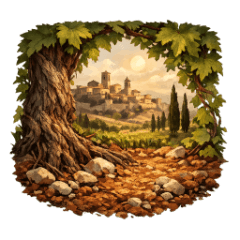
Forget everything you know about polite wines because this town wakes up and chooses violence - delicious violence. While neighbors sip soft blends, locals here worship the massive, brooding power of Sagrantino that demands patience and a hearty steak.
Forget everything you know about polite wines because this town wakes up and chooses violence - delicious violence. While neighbors sip soft blends, locals here worship the massive, brooding power of Sagrantino that demands patience and a hearty steak.
Orvieto
(
Umbria
)
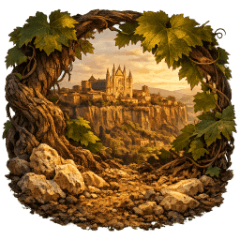
Perched high on a crumbling volcanic rock, this area produces the region's most famous whites. While neighbors obsess over tannin-heavy reds, Orvieto keeps things crisp, floral, and historically sweet with a serious mineral kick.
Perched high on a crumbling volcanic rock, this area produces the region's most famous whites. While neighbors obsess over tannin-heavy reds, Orvieto keeps things crisp, floral, and historically sweet with a serious mineral kick.
LATEST REVIEWS