«
Romania

Transylvania
Transylvania
Transylvania
Cool Highland Crispness
Everyone thinks of Dracula, but wine lovers should think of bracing acidity and aromatic whites. Located on a high plateau surrounded by the Carpathian arc, this area produces some of Romania's freshest, most vibrant bottles.
Everyone thinks of Dracula, but wine lovers should think of bracing acidity and aromatic whites. Located on a high plateau surrounded by the Carpathian arc, this area produces some of Romania's freshest, most vibrant bottles.
Everyone thinks of Dracula, but wine lovers should think of bracing acidity and aromatic whites. Located on a high plateau surrounded by the Carpathian arc, this area produces some of Romania's freshest, most vibrant bottles.
LEADERS



HELPERS




Why it's unique
White dominance
Alpine fortress
Slow ripening
While other Romanian regions flirt with big reds, this spot remains famously dedicated to white wines. It is basically an alpine fortress shielding the vines from hot winds. This creates slow ripening and massive acidity retention. You find old Saxon villages and fortified churches scattered among vineyards that specialize in aromatic powerhouses like Fetească Regală that sing with crispness.
While other Romanian regions flirt with big reds, this spot remains famously dedicated to white wines. It is basically an alpine fortress shielding the vines from hot winds. This creates slow ripening and massive acidity retention. You find old Saxon villages and fortified churches scattered among vineyards that specialize in aromatic powerhouses like Fetească Regală that sing with crispness.
While other Romanian regions flirt with big reds, this spot remains famously dedicated to white wines. It is basically an alpine fortress shielding the vines from hot winds. This creates slow ripening and massive acidity retention. You find old Saxon villages and fortified churches scattered among vineyards that specialize in aromatic powerhouses like Fetească Regală that sing with crispness.
Terroir
Mountain shield
High plateau
Cool autumns
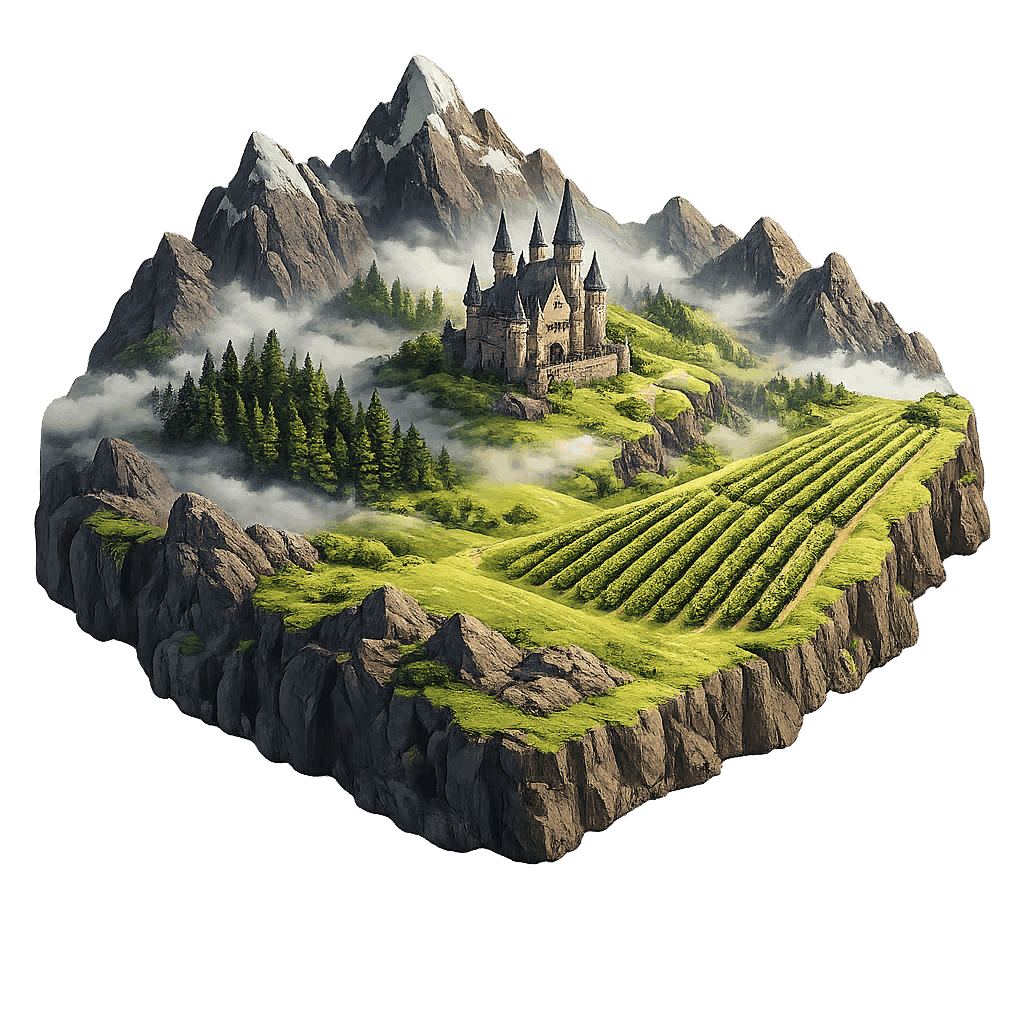
Imagine a giant bowl lifted high up in the mountains. That is the Transylvanian Plateau. The Carpathian Mountains act as a shield against the freezing continental winters and the scorching summer heat from the south. Vines enjoy long, cool autumns here. This extended hang-time allows sugar to accumulate while acid stays razor-sharp, resulting in wines with incredible balance and longevity.
Imagine a giant bowl lifted high up in the mountains. That is the Transylvanian Plateau. The Carpathian Mountains act as a shield against the freezing continental winters and the scorching summer heat from the south. Vines enjoy long, cool autumns here. This extended hang-time allows sugar to accumulate while acid stays razor-sharp, resulting in wines with incredible balance and longevity.
Imagine a giant bowl lifted high up in the mountains. That is the Transylvanian Plateau. The Carpathian Mountains act as a shield against the freezing continental winters and the scorching summer heat from the south. Vines enjoy long, cool autumns here. This extended hang-time allows sugar to accumulate while acid stays razor-sharp, resulting in wines with incredible balance and longevity.
You gotta try
Fetească Regală
Mineral Sauvignon
Late harvest
Start with Fetească Regală because it is the undisputed queen here, offering floral notes and crunchy apple vibes. If you crave something international, Sauvignon Blanc takes on a unique mineral edge in this soil. For the brave, hunt down some late-harvest sweet wines. They are liquid gold that perfectly balances sweetness with that legendary Transylvanian acidity.
Start with Fetească Regală because it is the undisputed queen here, offering floral notes and crunchy apple vibes. If you crave something international, Sauvignon Blanc takes on a unique mineral edge in this soil. For the brave, hunt down some late-harvest sweet wines. They are liquid gold that perfectly balances sweetness with that legendary Transylvanian acidity.
Start with Fetească Regală because it is the undisputed queen here, offering floral notes and crunchy apple vibes. If you crave something international, Sauvignon Blanc takes on a unique mineral edge in this soil. For the brave, hunt down some late-harvest sweet wines. They are liquid gold that perfectly balances sweetness with that legendary Transylvanian acidity.
LOCAL TALES
The Saxon Shield
The Saxon Shield
The Saxon Shield
Back in the 12th century, King Géza II of Hungary invited German Saxons to settle here to defend the borders. Being practical folks, they looked at the soil and immediately started planting vines. They built incredible fortified churches that doubled as defensive structures and community hubs. During sieges, the villagers would retreat inside these walls, often bringing their most valuable assets with them - cured meats and casks of wine. It turns out that defending a castle is much more bearable when you have a steady supply of Fetească. Their influence remains today, as the disciplined approach to viticulture laid the groundwork for the region's white wine dominance.
Back in the 12th century, King Géza II of Hungary invited German Saxons to settle here to defend the borders. Being practical folks, they looked at the soil and immediately started planting vines. They built incredible fortified churches that doubled as defensive structures and community hubs. During sieges, the villagers would retreat inside these walls, often bringing their most valuable assets with them - cured meats and casks of wine. It turns out that defending a castle is much more bearable when you have a steady supply of Fetească. Their influence remains today, as the disciplined approach to viticulture laid the groundwork for the region's white wine dominance.
Back in the 12th century, King Géza II of Hungary invited German Saxons to settle here to defend the borders. Being practical folks, they looked at the soil and immediately started planting vines. They built incredible fortified churches that doubled as defensive structures and community hubs. During sieges, the villagers would retreat inside these walls, often bringing their most valuable assets with them - cured meats and casks of wine. It turns out that defending a castle is much more bearable when you have a steady supply of Fetească. Their influence remains today, as the disciplined approach to viticulture laid the groundwork for the region's white wine dominance.
Bloody Good Marketing
Bloody Good Marketing
Bloody Good Marketing
You cannot talk about this place without mentioning the elephant - or the vampire - in the room. Bram Stoker never actually visited Romania, but his novel Dracula put the region on the map forever. Winemakers have a love-hate relationship with the Count. On one hand, tourists flock here looking for spooky castles and blood. On the other, they leave realizing the region's true liquid treasure is actually white wine. Some wineries lean into the kitsch with vampire-themed labels, while others roll their eyes and pour sophisticated glasses of Fetească Alba. It is a constant battle between gothic fiction and viticultural fact, but at least the scenery fits the drama.
You cannot talk about this place without mentioning the elephant - or the vampire - in the room. Bram Stoker never actually visited Romania, but his novel Dracula put the region on the map forever. Winemakers have a love-hate relationship with the Count. On one hand, tourists flock here looking for spooky castles and blood. On the other, they leave realizing the region's true liquid treasure is actually white wine. Some wineries lean into the kitsch with vampire-themed labels, while others roll their eyes and pour sophisticated glasses of Fetească Alba. It is a constant battle between gothic fiction and viticultural fact, but at least the scenery fits the drama.
You cannot talk about this place without mentioning the elephant - or the vampire - in the room. Bram Stoker never actually visited Romania, but his novel Dracula put the region on the map forever. Winemakers have a love-hate relationship with the Count. On one hand, tourists flock here looking for spooky castles and blood. On the other, they leave realizing the region's true liquid treasure is actually white wine. Some wineries lean into the kitsch with vampire-themed labels, while others roll their eyes and pour sophisticated glasses of Fetească Alba. It is a constant battle between gothic fiction and viticultural fact, but at least the scenery fits the drama.
The Castle Reinvention
The Castle Reinvention
The Castle Reinvention
In the heart of the Târnave vineyards stands the Bethlen-Haller Castle, often associated with the massive Jidvei winery. There is a legend about the 'Castle of Girls' nearby involving fairies protecting treasures, but the real story is the post-communist transformation. Under the state-run system, this area was industrialized for massive, quantity-focused production. After the 1989 revolution, privatization could have ruined everything. Instead, massive investments turned the region into a tech-forward winemaking hub. Today, it combines that old-school castle aesthetic with stainless steel tanks that look like they belong on a spaceship. It is a perfect example of how the region reinvented itself from bulk production to premium cool-climate elegance.
In the heart of the Târnave vineyards stands the Bethlen-Haller Castle, often associated with the massive Jidvei winery. There is a legend about the 'Castle of Girls' nearby involving fairies protecting treasures, but the real story is the post-communist transformation. Under the state-run system, this area was industrialized for massive, quantity-focused production. After the 1989 revolution, privatization could have ruined everything. Instead, massive investments turned the region into a tech-forward winemaking hub. Today, it combines that old-school castle aesthetic with stainless steel tanks that look like they belong on a spaceship. It is a perfect example of how the region reinvented itself from bulk production to premium cool-climate elegance.
In the heart of the Târnave vineyards stands the Bethlen-Haller Castle, often associated with the massive Jidvei winery. There is a legend about the 'Castle of Girls' nearby involving fairies protecting treasures, but the real story is the post-communist transformation. Under the state-run system, this area was industrialized for massive, quantity-focused production. After the 1989 revolution, privatization could have ruined everything. Instead, massive investments turned the region into a tech-forward winemaking hub. Today, it combines that old-school castle aesthetic with stainless steel tanks that look like they belong on a spaceship. It is a perfect example of how the region reinvented itself from bulk production to premium cool-climate elegance.
LOCAL WINE STYLES
Transylvanian White
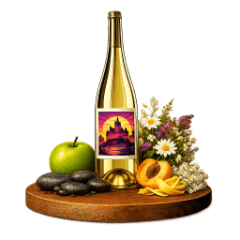
Imagine biting into a green apple while standing on a foggy mountain peak. These wines are razor-sharp, incredibly refreshing, and packed with floral energy that wakes up your palate instantly. It is pure alpine electricity in a glass.
Imagine biting into a green apple while standing on a foggy mountain peak. These wines are razor-sharp, incredibly refreshing, and packed with floral energy that wakes up your palate instantly. It is pure alpine electricity in a glass.
Imagine biting into a green apple while standing on a foggy mountain peak. These wines are razor-sharp, incredibly refreshing, and packed with floral energy that wakes up your palate instantly. It is pure alpine electricity in a glass.
Transylvanian Riesling
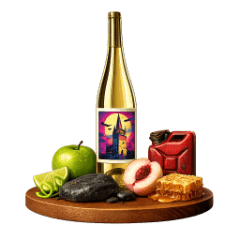
Transylvania isn't just about vampires - it is the birthplace of this electrifying potion that combines razor-sharp acidity with luscious fruit. It feels like biting into a cold green apple while standing on a foggy mountain peak.
Transylvania isn't just about vampires - it is the birthplace of this electrifying potion that combines razor-sharp acidity with luscious fruit. It feels like biting into a cold green apple while standing on a foggy mountain peak.
Transylvania isn't just about vampires - it is the birthplace of this electrifying potion that combines razor-sharp acidity with luscious fruit. It feels like biting into a cold green apple while standing on a foggy mountain peak.
LATEST REVIEWS