«
BROWSE ALL
Romania
Romania

Think ancient traditions meeting modern ambition in a land where winemaking predates the Romans. It is a powerhouse producer shaking off its bulk-wine past to showcase incredible indigenous varieties that you simply can't find anywhere else.
Think ancient traditions meeting modern ambition in a land where winemaking predates the Romans. It is a powerhouse producer shaking off its bulk-wine past to showcase incredible indigenous varieties that you simply can't find anywhere else.
Think ancient traditions meeting modern ambition in a land where winemaking predates the Romans. It is a powerhouse producer shaking off its bulk-wine past to showcase incredible indigenous varieties that you simply can't find anywhere else.

What it's about
Production Powerhouse
Quality Shift
Diverse Terroir
Ranking as one of the biggest producers in Europe, this nation is a sleeping giant that has finally woken up and poured itself a glass. While it used to be known for flooding markets with sweet, cheap beverages during the communist era, the focus has shifted dramatically toward premium quality. Sitting on the same latitude as Bordeaux, its diverse terroir ranges from sunny Black Sea coasts to cool Transylvanian plateaus, offering a perfect home for both international favorites and unique local stars.
Ranking as one of the biggest producers in Europe, this nation is a sleeping giant that has finally woken up and poured itself a glass. While it used to be known for flooding markets with sweet, cheap beverages during the communist era, the focus has shifted dramatically toward premium quality. Sitting on the same latitude as Bordeaux, its diverse terroir ranges from sunny Black Sea coasts to cool Transylvanian plateaus, offering a perfect home for both international favorites and unique local stars.
Ranking as one of the biggest producers in Europe, this nation is a sleeping giant that has finally woken up and poured itself a glass. While it used to be known for flooding markets with sweet, cheap beverages during the communist era, the focus has shifted dramatically toward premium quality. Sitting on the same latitude as Bordeaux, its diverse terroir ranges from sunny Black Sea coasts to cool Transylvanian plateaus, offering a perfect home for both international favorites and unique local stars.
What they're proud of
Fetească Trio
Ancient History
Cotnari Heritage
Winemakers here absolutely cherish their "Maidens" - specifically the Fetească trio (Regală, Albă, and Neagră). They boast about Fetească Neagră, a red grape that survived phylloxera and communism to become their flagship variety, capable of producing world-class, spicy reds. They also hold their sweet Cotnari wines in high regard, historically rivaling Tokaji and favored by Stephen the Great, proving their winemaking lineage is nothing short of royal.
Winemakers here absolutely cherish their "Maidens" - specifically the Fetească trio (Regală, Albă, and Neagră). They boast about Fetească Neagră, a red grape that survived phylloxera and communism to become their flagship variety, capable of producing world-class, spicy reds. They also hold their sweet Cotnari wines in high regard, historically rivaling Tokaji and favored by Stephen the Great, proving their winemaking lineage is nothing short of royal.
Winemakers here absolutely cherish their "Maidens" - specifically the Fetească trio (Regală, Albă, and Neagră). They boast about Fetească Neagră, a red grape that survived phylloxera and communism to become their flagship variety, capable of producing world-class, spicy reds. They also hold their sweet Cotnari wines in high regard, historically rivaling Tokaji and favored by Stephen the Great, proving their winemaking lineage is nothing short of royal.
WHAT'S TRENDING
Indigenous Revival
Rising Exports
Wine Tourism
Exports are climbing as the world discovers there is life beyond Cabernet. Producers are heavily investing in replanting vineyards with unique Romanian specialties like Negru de Drăgășani and Busuioacă de Bohotin to create a distinct national identity. There is also a massive surge in wine tourism, especially in the Dealu Mare region, where boutique wineries are popping up to offer experiences that rival Western Europe but at a fraction of the cost.
Exports are climbing as the world discovers there is life beyond Cabernet. Producers are heavily investing in replanting vineyards with unique Romanian specialties like Negru de Drăgășani and Busuioacă de Bohotin to create a distinct national identity. There is also a massive surge in wine tourism, especially in the Dealu Mare region, where boutique wineries are popping up to offer experiences that rival Western Europe but at a fraction of the cost.
Exports are climbing as the world discovers there is life beyond Cabernet. Producers are heavily investing in replanting vineyards with unique Romanian specialties like Negru de Drăgășani and Busuioacă de Bohotin to create a distinct national identity. There is also a massive surge in wine tourism, especially in the Dealu Mare region, where boutique wineries are popping up to offer experiences that rival Western Europe but at a fraction of the cost.
LOCAL TALES
The Sobering Decree
The Sobering Decree
The Sobering Decree
Long before cabernet became king, the Dacian ruler Burebista faced a unique problem: his people loved wine a little too much. Around the 1st century BC, he noticed his warriors were getting sloppy and, perhaps more worryingly, the delicious vineyards were attracting constant waves of invaders from the east. In a move that would make any modern sommelier weep, he ordered the destruction of all vineyards in Dacia to sober up his subjects and remove the temptation for foreign armies. Legend says the people obeyed, but vines are stubborn survivors. They eventually crept back, proving that not even an iron-fisted king can separate a Romanian from their ferment.
Long before cabernet became king, the Dacian ruler Burebista faced a unique problem: his people loved wine a little too much. Around the 1st century BC, he noticed his warriors were getting sloppy and, perhaps more worryingly, the delicious vineyards were attracting constant waves of invaders from the east. In a move that would make any modern sommelier weep, he ordered the destruction of all vineyards in Dacia to sober up his subjects and remove the temptation for foreign armies. Legend says the people obeyed, but vines are stubborn survivors. They eventually crept back, proving that not even an iron-fisted king can separate a Romanian from their ferment.
The Grandmother's Grape
The Grandmother's Grape
The Grandmother's Grape
Stephen the Great wasn't just a warrior; he was a wine critic on the go. Legend has it that after a thirsty battle, he stopped in Nicorești and was served a cup of red wine by a local old woman. He was so impressed by the drink — and the service — that he named the grape Băbească Neagră, or "Black Grandmother's Grape," in her honor. While he certainly adored the sweet wines of Cotnari, this red varietal remains a testament to his royal palate — and a nice lady who just wanted to help.
Stephen the Great wasn't just a warrior; he was a wine critic on the go. Legend has it that after a thirsty battle, he stopped in Nicorești and was served a cup of red wine by a local old woman. He was so impressed by the drink — and the service — that he named the grape Băbească Neagră, or "Black Grandmother's Grape," in her honor. While he certainly adored the sweet wines of Cotnari, this red varietal remains a testament to his royal palate — and a nice lady who just wanted to help.
Birthplace of Dionysus
Birthplace of Dionysus
Birthplace of Dionysus
While Greeks claim the god of wine as their own, local folklore here begs to differ. Ancient texts suggest that Dionysus (or Bacchus) was actually born in Thrace, which encompasses modern-day Dobrogea near the Black Sea. The locals point to the sheer antiquity of their winemaking - dating back over 6,000 years - as proof that they were fermenting grapes while others were still figuring out water. It is a bold claim, but when you taste a heavy, spicy red from the sunny hills near the coast, you might just start believing that the party god himself really did get his start in these Carpathian foothills.
While Greeks claim the god of wine as their own, local folklore here begs to differ. Ancient texts suggest that Dionysus (or Bacchus) was actually born in Thrace, which encompasses modern-day Dobrogea near the Black Sea. The locals point to the sheer antiquity of their winemaking - dating back over 6,000 years - as proof that they were fermenting grapes while others were still figuring out water. It is a bold claim, but when you taste a heavy, spicy red from the sunny hills near the coast, you might just start believing that the party god himself really did get his start in these Carpathian foothills.
REGIONS

Moldavia
This eastern powerhouse is basically the engine room of Romanian viticulture, producing a third of the country's juice. Think rolling hills, ancient cellars, and a reputation for dessert wines that once wooed European royalty.
This eastern powerhouse is basically the engine room of Romanian viticulture, producing a third of the country's juice. Think rolling hills, ancient cellars, and a reputation for dessert wines that once wooed European royalty.

Muntenia
Forget cold Dracula stereotypes, down here, things get steamy. Muntenia serves up a serious dose of sunshine and attitude, acting as the engine room for the country's most velvety and robust red wines.
Forget cold Dracula stereotypes, down here, things get steamy. Muntenia serves up a serious dose of sunshine and attitude, acting as the engine room for the country's most velvety and robust red wines.
WINE STYLES
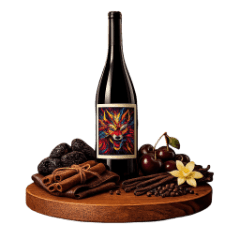
Dealu Mare Red
Romania's answer to Bordeaux offers rich textures and spicy kicks without the hefty price tag. Fetească Neagră leads the charge here, delivering a velvety experience that feels like wrapping yourself in a warm, fruit-stained blanket.
Romania's answer to Bordeaux offers rich textures and spicy kicks without the hefty price tag. Fetească Neagră leads the charge here, delivering a velvety experience that feels like wrapping yourself in a warm, fruit-stained blanket.
Romania's answer to Bordeaux offers rich textures and spicy kicks without the hefty price tag. Fetească Neagră leads the charge here, delivering a velvety experience that feels like wrapping yourself in a warm, fruit-stained blanket.
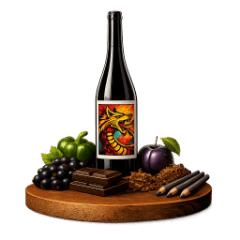
Dealu Mare Cabernet Sauvignon
Imagine Bordeaux went backpacking in Eastern Europe and decided to stay forever. This region sits on the same latitude as France’s famous vineyards, producing bold reds that offer serious structure without the intimidating price tag.
Imagine Bordeaux went backpacking in Eastern Europe and decided to stay forever. This region sits on the same latitude as France’s famous vineyards, producing bold reds that offer serious structure without the intimidating price tag.
Imagine Bordeaux went backpacking in Eastern Europe and decided to stay forever. This region sits on the same latitude as France’s famous vineyards, producing bold reds that offer serious structure without the intimidating price tag.
LATEST REVIEWS