«
Spain

Toro
Toro
Toro
Bold Red Territory
Imagine a glass that punches you in the mouth with flavor but hugs you afterwards. This Zamora zone creates legendary reds that are dark, intense, and unapologetically massive. It is Spain's raw power in a bottle.
Imagine a glass that punches you in the mouth with flavor but hugs you afterwards. This Zamora zone creates legendary reds that are dark, intense, and unapologetically massive. It is Spain's raw power in a bottle.
Imagine a glass that punches you in the mouth with flavor but hugs you afterwards. This Zamora zone creates legendary reds that are dark, intense, and unapologetically massive. It is Spain's raw power in a bottle.


Why it's unique
Ungrafted vines
Thick skins
Massive power
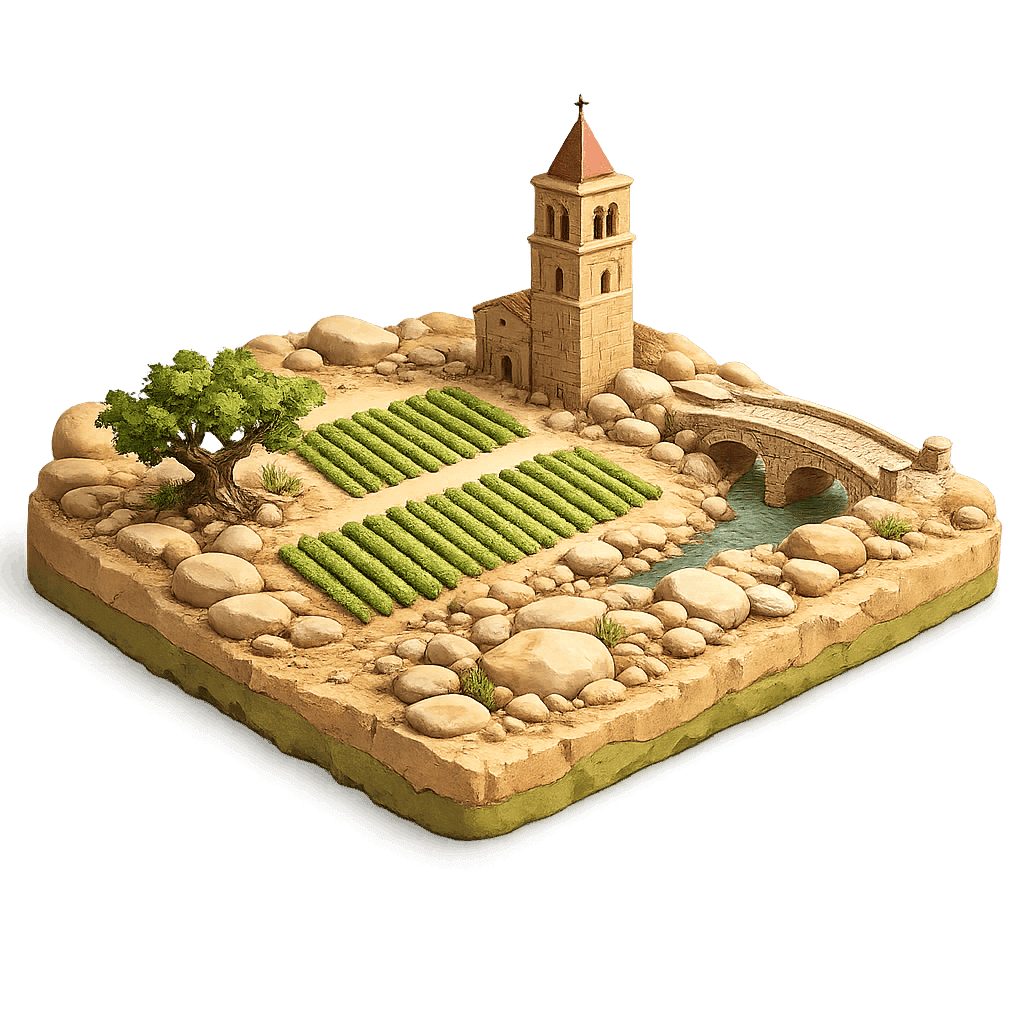
These wines don't apologize for their strength. Tinta de Toro has evolved thicker skins here than its Rioja cousin to survive the heat. Consequently, you get incredible concentration and longevity. It is one of the few places in Europe where pre-phylloxera vines still thrive on their original roots because the louse hates sand. You are literally drinking living history that survived the great wine plague.
These wines don't apologize for their strength. Tinta de Toro has evolved thicker skins here than its Rioja cousin to survive the heat. Consequently, you get incredible concentration and longevity. It is one of the few places in Europe where pre-phylloxera vines still thrive on their original roots because the louse hates sand. You are literally drinking living history that survived the great wine plague.
These wines don't apologize for their strength. Tinta de Toro has evolved thicker skins here than its Rioja cousin to survive the heat. Consequently, you get incredible concentration and longevity. It is one of the few places in Europe where pre-phylloxera vines still thrive on their original roots because the louse hates sand. You are literally drinking living history that survived the great wine plague.
Terroir
Extreme heat
River stones
Sandy soils
Located in the province of Zamora, this area defines extreme continental climate. Summers bake the fruit while winters could freeze a polar bear. Sandy soils and stony gravel cover the ground, reflecting heat back onto the bushes at night. Rainfall is scarce, forcing roots to dig deep into the sandy clay subsoil for survival. This stress creates small berries packed with concentrated flavor.
Located in the province of Zamora, this area defines extreme continental climate. Summers bake the fruit while winters could freeze a polar bear. Sandy soils and stony gravel cover the ground, reflecting heat back onto the bushes at night. Rainfall is scarce, forcing roots to dig deep into the sandy clay subsoil for survival. This stress creates small berries packed with concentrated flavor.
Located in the province of Zamora, this area defines extreme continental climate. Summers bake the fruit while winters could freeze a polar bear. Sandy soils and stony gravel cover the ground, reflecting heat back onto the bushes at night. Rainfall is scarce, forcing roots to dig deep into the sandy clay subsoil for survival. This stress creates small berries packed with concentrated flavor.
You gotta try
Tinta de Toro
Aged Reds
Rare sweets
Grab a bottle of Tinta de Toro marked 'Roble' if you want a fruit bomb that barely touched oak. For the full experience, hunt down a Reserva or Gran Reserva. These giants need time in the barrel to tame their wild tannins. If you see 'Vino de Licor' on a label, snag it. It is a rare sweet treat that dates back to medieval times but is hard to find now.
Grab a bottle of Tinta de Toro marked 'Roble' if you want a fruit bomb that barely touched oak. For the full experience, hunt down a Reserva or Gran Reserva. These giants need time in the barrel to tame their wild tannins. If you see 'Vino de Licor' on a label, snag it. It is a rare sweet treat that dates back to medieval times but is hard to find now.
Grab a bottle of Tinta de Toro marked 'Roble' if you want a fruit bomb that barely touched oak. For the full experience, hunt down a Reserva or Gran Reserva. These giants need time in the barrel to tame their wild tannins. If you see 'Vino de Licor' on a label, snag it. It is a rare sweet treat that dates back to medieval times but is hard to find now.
LOCAL TALES
Fueling the New World
Fueling the New World
Fueling the New World
While everyone talks about Rioja, Toro was actually the fuel for discovering the New World. Christopher Columbus knew better than to load his ships with weak juice that would turn to vinegar halfway across the Atlantic. He stocked the Santa Maria with barrels of Toro because its high alcohol content and robust structure acted as a natural preservative. Royal decrees proved that wine from this region was specifically requested for the journey. So when you sip this dark red nectar, you are tasting the same fortitude that kept sailors sane while they wondered if they were about to fall off the edge of the map.
While everyone talks about Rioja, Toro was actually the fuel for discovering the New World. Christopher Columbus knew better than to load his ships with weak juice that would turn to vinegar halfway across the Atlantic. He stocked the Santa Maria with barrels of Toro because its high alcohol content and robust structure acted as a natural preservative. Royal decrees proved that wine from this region was specifically requested for the journey. So when you sip this dark red nectar, you are tasting the same fortitude that kept sailors sane while they wondered if they were about to fall off the edge of the map.
While everyone talks about Rioja, Toro was actually the fuel for discovering the New World. Christopher Columbus knew better than to load his ships with weak juice that would turn to vinegar halfway across the Atlantic. He stocked the Santa Maria with barrels of Toro because its high alcohol content and robust structure acted as a natural preservative. Royal decrees proved that wine from this region was specifically requested for the journey. So when you sip this dark red nectar, you are tasting the same fortitude that kept sailors sane while they wondered if they were about to fall off the edge of the map.
The Louse That Failed
The Louse That Failed
The Louse That Failed
During the late 19th century, a tiny louse called phylloxera murdered nearly every vineyard in Europe. France was devastated and Rioja was panic-planting American rootstocks. Yet the farmers in Toro just shrugged. The pest tries to move through the soil to eat roots, but it cannot tunnel through Toro's sandy terrain. The tunnels collapse. It is like trying to build a sandcastle with dry sand. Because of this geological luck, many vines here are 'pie franco' or own-rooted. Some of these gnarly survivors are over 140 years old, producing microscopic yields of juice that is more like distinct, liquid gold than standard wine.
During the late 19th century, a tiny louse called phylloxera murdered nearly every vineyard in Europe. France was devastated and Rioja was panic-planting American rootstocks. Yet the farmers in Toro just shrugged. The pest tries to move through the soil to eat roots, but it cannot tunnel through Toro's sandy terrain. The tunnels collapse. It is like trying to build a sandcastle with dry sand. Because of this geological luck, many vines here are 'pie franco' or own-rooted. Some of these gnarly survivors are over 140 years old, producing microscopic yields of juice that is more like distinct, liquid gold than standard wine.
During the late 19th century, a tiny louse called phylloxera murdered nearly every vineyard in Europe. France was devastated and Rioja was panic-planting American rootstocks. Yet the farmers in Toro just shrugged. The pest tries to move through the soil to eat roots, but it cannot tunnel through Toro's sandy terrain. The tunnels collapse. It is like trying to build a sandcastle with dry sand. Because of this geological luck, many vines here are 'pie franco' or own-rooted. Some of these gnarly survivors are over 140 years old, producing microscopic yields of juice that is more like distinct, liquid gold than standard wine.
Scholars and Drunkards
Scholars and Drunkards
Scholars and Drunkards
King Alfonso IX of Leon was a man of priorities. When he conceded privileges to the University of Salamanca in the 13th century, he included a very specific clause. The professors were granted exclusive rights to sell Toro wine within the city. Apparently, higher learning required high-octane beverages. The bond between the university and this region remained strong for centuries. It was believed that the intense structure of the wine stimulated intellectual debate - or perhaps it just made the dry lectures more bearable. Even today, the academic history adds a layer of prestige to a region that was once considered merely a source of bulk wine for blending.
King Alfonso IX of Leon was a man of priorities. When he conceded privileges to the University of Salamanca in the 13th century, he included a very specific clause. The professors were granted exclusive rights to sell Toro wine within the city. Apparently, higher learning required high-octane beverages. The bond between the university and this region remained strong for centuries. It was believed that the intense structure of the wine stimulated intellectual debate - or perhaps it just made the dry lectures more bearable. Even today, the academic history adds a layer of prestige to a region that was once considered merely a source of bulk wine for blending.
King Alfonso IX of Leon was a man of priorities. When he conceded privileges to the University of Salamanca in the 13th century, he included a very specific clause. The professors were granted exclusive rights to sell Toro wine within the city. Apparently, higher learning required high-octane beverages. The bond between the university and this region remained strong for centuries. It was believed that the intense structure of the wine stimulated intellectual debate - or perhaps it just made the dry lectures more bearable. Even today, the academic history adds a layer of prestige to a region that was once considered merely a source of bulk wine for blending.
LOCAL WINE STYLES
Spanish Toro Red
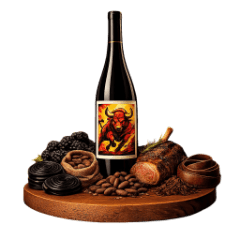
This isn't your polite dinner guest. It is a full-throttle experience packed with dense fruit and serious grip. Think of a heavyweight boxer in a silk robe delivering a knockout of flavor that lingers forever.
This isn't your polite dinner guest. It is a full-throttle experience packed with dense fruit and serious grip. Think of a heavyweight boxer in a silk robe delivering a knockout of flavor that lingers forever.
This isn't your polite dinner guest. It is a full-throttle experience packed with dense fruit and serious grip. Think of a heavyweight boxer in a silk robe delivering a knockout of flavor that lingers forever.
Spanish Tempranillo
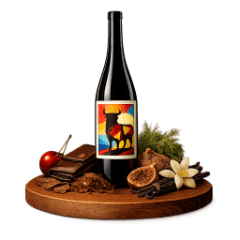
Think of a well-worn leather jacket that smells like strawberries. This classic Spanish pour balances juicy fruit with earthy spice, making it the ultimate food partner for everything from tapas to tacos without being too heavy or aggressive.
Think of a well-worn leather jacket that smells like strawberries. This classic Spanish pour balances juicy fruit with earthy spice, making it the ultimate food partner for everything from tapas to tacos without being too heavy or aggressive.
Think of a well-worn leather jacket that smells like strawberries. This classic Spanish pour balances juicy fruit with earthy spice, making it the ultimate food partner for everything from tapas to tacos without being too heavy or aggressive.
LATEST REVIEWS