«
Hungary

Szekszárd
Szekszárd
Szekszárd
Spicy Elegant Reds
Think of this spot as the sophisticated cousin to the heavier red regions nearby. It is famous for reviving historic blends and keeping things zesty rather than heavy, perfect for wine lovers who prefer finesse over brute force.
Think of this spot as the sophisticated cousin to the heavier red regions nearby. It is famous for reviving historic blends and keeping things zesty rather than heavy, perfect for wine lovers who prefer finesse over brute force.
Think of this spot as the sophisticated cousin to the heavier red regions nearby. It is famous for reviving historic blends and keeping things zesty rather than heavy, perfect for wine lovers who prefer finesse over brute force.







Why it's unique
Bikavér rivalry
Spicy elegance
Velvety texture
Szekszárd battles Eger for the title of the true home of Bikavér. What makes it stand out is the focus on Kékfrankos and Kadarka as the backbone of their reds. Unlike heavy international styles found elsewhere, the wines here retain a distinct spiciness and velvety texture that feels incredibly sophisticated yet easy to drink. It is red wine country with a soul that refuses to be weighed down by oak.
Szekszárd battles Eger for the title of the true home of Bikavér. What makes it stand out is the focus on Kékfrankos and Kadarka as the backbone of their reds. Unlike heavy international styles found elsewhere, the wines here retain a distinct spiciness and velvety texture that feels incredibly sophisticated yet easy to drink. It is red wine country with a soul that refuses to be weighed down by oak.
Szekszárd battles Eger for the title of the true home of Bikavér. What makes it stand out is the focus on Kékfrankos and Kadarka as the backbone of their reds. Unlike heavy international styles found elsewhere, the wines here retain a distinct spiciness and velvety texture that feels incredibly sophisticated yet easy to drink. It is red wine country with a soul that refuses to be weighed down by oak.
Terroir
Deep loess
Sunny gullies
Heat traps
Loess soil is the magic ingredient here. Deep layers of wind-blown dust accumulated over millennia act like a sponge, retaining just enough water while encouraging roots to dig deep. The climate is warm and sunny, but the unique gullies and valleys create microclimates that trap heat during the day and cool down at night. This combination preserves acidity in Kékfrankos, ensuring the wines never feel flabby or overcooked.
Loess soil is the magic ingredient here. Deep layers of wind-blown dust accumulated over millennia act like a sponge, retaining just enough water while encouraging roots to dig deep. The climate is warm and sunny, but the unique gullies and valleys create microclimates that trap heat during the day and cool down at night. This combination preserves acidity in Kékfrankos, ensuring the wines never feel flabby or overcooked.
Loess soil is the magic ingredient here. Deep layers of wind-blown dust accumulated over millennia act like a sponge, retaining just enough water while encouraging roots to dig deep. The climate is warm and sunny, but the unique gullies and valleys create microclimates that trap heat during the day and cool down at night. This combination preserves acidity in Kékfrankos, ensuring the wines never feel flabby or overcooked.
You gotta try
Elegant Bikavér
Pure Kadarka
Zesty Kékfrankos
You absolutely must taste a local Bikavér to understand how elegant this blend can be. If you want something singular, hunt down a pure Kadarka. This picky variety produces a pale red wine that tastes like a spice bazaar exploded inside a strawberry patch. For a trusty everyday drinker, Kékfrankos offers bright cherry notes and a peppery kick that pairs with just about anything on a dinner plate.
You absolutely must taste a local Bikavér to understand how elegant this blend can be. If you want something singular, hunt down a pure Kadarka. This picky variety produces a pale red wine that tastes like a spice bazaar exploded inside a strawberry patch. For a trusty everyday drinker, Kékfrankos offers bright cherry notes and a peppery kick that pairs with just about anything on a dinner plate.
You absolutely must taste a local Bikavér to understand how elegant this blend can be. If you want something singular, hunt down a pure Kadarka. This picky variety produces a pale red wine that tastes like a spice bazaar exploded inside a strawberry patch. For a trusty everyday drinker, Kékfrankos offers bright cherry notes and a peppery kick that pairs with just about anything on a dinner plate.
LOCAL TALES
The Real Origin of the Bull
The Real Origin of the Bull
The Real Origin of the Bull
Most people think the legend of Bull's Blood belongs entirely to Eger and their brave soldiers fighting the Ottomans, but Szekszárd has the receipts to prove otherwise. The term actually appeared here first in a poem by János Garay in 1846. He described the deep red wine of the region as a drink that transforms the consumer, pouring fire and patriotism into their veins. While Eger has the dramatic castle siege story, this region has the literary copyright. Locals will happily remind you - usually over a glass or two - that while others might have the legend, they have the original documentation and the spicy kick to back it up.
Most people think the legend of Bull's Blood belongs entirely to Eger and their brave soldiers fighting the Ottomans, but Szekszárd has the receipts to prove otherwise. The term actually appeared here first in a poem by János Garay in 1846. He described the deep red wine of the region as a drink that transforms the consumer, pouring fire and patriotism into their veins. While Eger has the dramatic castle siege story, this region has the literary copyright. Locals will happily remind you - usually over a glass or two - that while others might have the legend, they have the original documentation and the spicy kick to back it up.
Most people think the legend of Bull's Blood belongs entirely to Eger and their brave soldiers fighting the Ottomans, but Szekszárd has the receipts to prove otherwise. The term actually appeared here first in a poem by János Garay in 1846. He described the deep red wine of the region as a drink that transforms the consumer, pouring fire and patriotism into their veins. While Eger has the dramatic castle siege story, this region has the literary copyright. Locals will happily remind you - usually over a glass or two - that while others might have the legend, they have the original documentation and the spicy kick to back it up.
Liszt's Liquid Inspiration
Liszt's Liquid Inspiration
Liszt's Liquid Inspiration
Ferenc Liszt, the 19th-century piano rockstar, was a frequent visitor to Szekszárd. He wasn't just there for the scenery - he was allegedly obsessed with the local red wine. He visited his friend Baron Antal Augusz often and claimed the wine healed his spirit and fueled his creativity. He loved the place so much that he composed the Szekszárd Mass for the dedication of the town's new church. It is said that he sent shipments of this wine to the Pope in Rome, calling it a nectar worthy of holy consumption. If it was good enough to fuel the Hungarian Rhapsodies, it is certainly good enough for your Tuesday night dinner.
Ferenc Liszt, the 19th-century piano rockstar, was a frequent visitor to Szekszárd. He wasn't just there for the scenery - he was allegedly obsessed with the local red wine. He visited his friend Baron Antal Augusz often and claimed the wine healed his spirit and fueled his creativity. He loved the place so much that he composed the Szekszárd Mass for the dedication of the town's new church. It is said that he sent shipments of this wine to the Pope in Rome, calling it a nectar worthy of holy consumption. If it was good enough to fuel the Hungarian Rhapsodies, it is certainly good enough for your Tuesday night dinner.
Ferenc Liszt, the 19th-century piano rockstar, was a frequent visitor to Szekszárd. He wasn't just there for the scenery - he was allegedly obsessed with the local red wine. He visited his friend Baron Antal Augusz often and claimed the wine healed his spirit and fueled his creativity. He loved the place so much that he composed the Szekszárd Mass for the dedication of the town's new church. It is said that he sent shipments of this wine to the Pope in Rome, calling it a nectar worthy of holy consumption. If it was good enough to fuel the Hungarian Rhapsodies, it is certainly good enough for your Tuesday night dinner.
The stubborn survival of Kadarka
The stubborn survival of Kadarka
The stubborn survival of Kadarka
During the communist era, quantity was king, and difficult vines were public enemy number one. Kadarka is notoriously thin-skinned, prone to rot, and ripens late, making it a nightmare for industrial farming. State cooperatives ripped out acres of these ancient vines to plant reliable, high-yield workhorses. The variety almost went extinct in the region that made it famous. Thankfully, a few stubborn winemakers hid parcels of old vines or replanted them in secret, knowing that the soul of Szekszárd resided in that finicky plant. Today, it is back in the spotlight, celebrated as the 'Pinot Noir of the East' and serving as the spicy signature of the region.
During the communist era, quantity was king, and difficult vines were public enemy number one. Kadarka is notoriously thin-skinned, prone to rot, and ripens late, making it a nightmare for industrial farming. State cooperatives ripped out acres of these ancient vines to plant reliable, high-yield workhorses. The variety almost went extinct in the region that made it famous. Thankfully, a few stubborn winemakers hid parcels of old vines or replanted them in secret, knowing that the soul of Szekszárd resided in that finicky plant. Today, it is back in the spotlight, celebrated as the 'Pinot Noir of the East' and serving as the spicy signature of the region.
During the communist era, quantity was king, and difficult vines were public enemy number one. Kadarka is notoriously thin-skinned, prone to rot, and ripens late, making it a nightmare for industrial farming. State cooperatives ripped out acres of these ancient vines to plant reliable, high-yield workhorses. The variety almost went extinct in the region that made it famous. Thankfully, a few stubborn winemakers hid parcels of old vines or replanted them in secret, knowing that the soul of Szekszárd resided in that finicky plant. Today, it is back in the spotlight, celebrated as the 'Pinot Noir of the East' and serving as the spicy signature of the region.
LOCAL WINE STYLES
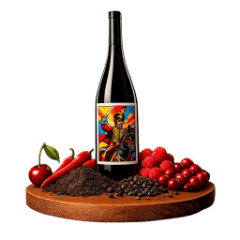
Hungarian Kadarka
Think of this as the moody but brilliant artist of Hungarian reds. It offers a vibrantly spicy kick mixed with elegant red fruit that dances on your tongue without weighing you down like a heavy blanket.
Think of this as the moody but brilliant artist of Hungarian reds. It offers a vibrantly spicy kick mixed with elegant red fruit that dances on your tongue without weighing you down like a heavy blanket.
Think of this as the moody but brilliant artist of Hungarian reds. It offers a vibrantly spicy kick mixed with elegant red fruit that dances on your tongue without weighing you down like a heavy blanket.
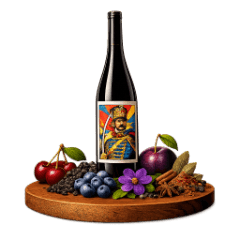
Hungarian Kékfrankos
Kékfrankos acts like the reliable best friend who always brings great snacks to the party. It balances bright fruitiness with a peppery kick that wakes up your palate without overwhelming it, making every sip feel like a fresh start.
Kékfrankos acts like the reliable best friend who always brings great snacks to the party. It balances bright fruitiness with a peppery kick that wakes up your palate without overwhelming it, making every sip feel like a fresh start.
Kékfrankos acts like the reliable best friend who always brings great snacks to the party. It balances bright fruitiness with a peppery kick that wakes up your palate without overwhelming it, making every sip feel like a fresh start.
LATEST REVIEWS