«
Austria

Steiermark
Steiermark
Steiermark
Green Sauvignon Hills
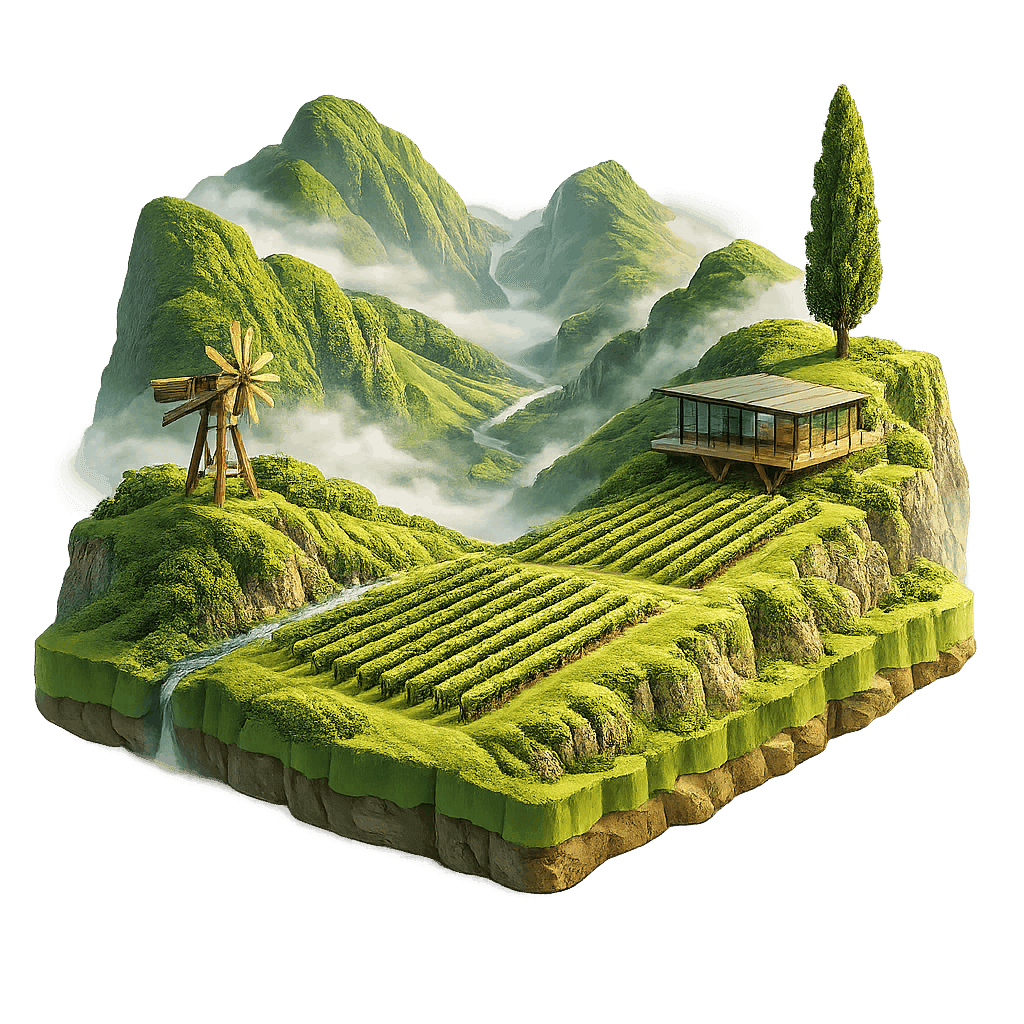
Rolling hillsides covered in lush vegetation set the stage for some of the planet's crispest whites. It is like New Zealand crashed into the Alps, bringing a zest for life that is impossible to ignore.
Rolling hillsides covered in lush vegetation set the stage for some of the planet's crispest whites. It is like New Zealand crashed into the Alps, bringing a zest for life that is impossible to ignore.
Rolling hillsides covered in lush vegetation set the stage for some of the planet's crispest whites. It is like New Zealand crashed into the Alps, bringing a zest for life that is impossible to ignore.
LEADERS




HELPERS








Why it's unique
Steep slopes
Extreme viticulture
Mineral intensity
Nowhere else does Sauvignon Blanc taste quite like this. Steep slopes here are so vertical you almost need climbing gear to harvest. It is a land of extreme viticulture where hand-harvesting is not a marketing gimmick but a survival necessity. The wines scream with mineral intensity and an herbal spice that makes other white wines feel a bit lazy by comparison.
Nowhere else does Sauvignon Blanc taste quite like this. Steep slopes here are so vertical you almost need climbing gear to harvest. It is a land of extreme viticulture where hand-harvesting is not a marketing gimmick but a survival necessity. The wines scream with mineral intensity and an herbal spice that makes other white wines feel a bit lazy by comparison.
Nowhere else does Sauvignon Blanc taste quite like this. Steep slopes here are so vertical you almost need climbing gear to harvest. It is a land of extreme viticulture where hand-harvesting is not a marketing gimmick but a survival necessity. The wines scream with mineral intensity and an herbal spice that makes other white wines feel a bit lazy by comparison.
Terroir
High rainfall
Opok clay
Cool climate
Rainfall is abundant here, keeping everything ridiculously green and the acidity razor-sharp. Soils vary dramatically from limestone to volcanic rock and the famous Opok clay. This combination creates stress for the roots, forcing them deep into the earth. The result is pure liquid electricity in the glass - intense, structured, and vibrant enough to wake up your palate instantly.
Rainfall is abundant here, keeping everything ridiculously green and the acidity razor-sharp. Soils vary dramatically from limestone to volcanic rock and the famous Opok clay. This combination creates stress for the roots, forcing them deep into the earth. The result is pure liquid electricity in the glass - intense, structured, and vibrant enough to wake up your palate instantly.
Rainfall is abundant here, keeping everything ridiculously green and the acidity razor-sharp. Soils vary dramatically from limestone to volcanic rock and the famous Opok clay. This combination creates stress for the roots, forcing them deep into the earth. The result is pure liquid electricity in the glass - intense, structured, and vibrant enough to wake up your palate instantly.
You gotta try
Sauvignon Blanc
Gelber Muskateller
Morillon
Grab a bottle of Sauvignon Blanc immediately to understand why the world is obsessed with this region. For something playful, sip on Gelber Muskateller, which smells like a floral explosion but tastes bone-dry. Don't overlook Morillon either - that is just the local alias for Chardonnay, often made with a distinct nutty character that pairs perfectly with the local fried chicken.
Grab a bottle of Sauvignon Blanc immediately to understand why the world is obsessed with this region. For something playful, sip on Gelber Muskateller, which smells like a floral explosion but tastes bone-dry. Don't overlook Morillon either - that is just the local alias for Chardonnay, often made with a distinct nutty character that pairs perfectly with the local fried chicken.
Grab a bottle of Sauvignon Blanc immediately to understand why the world is obsessed with this region. For something playful, sip on Gelber Muskateller, which smells like a floral explosion but tastes bone-dry. Don't overlook Morillon either - that is just the local alias for Chardonnay, often made with a distinct nutty character that pairs perfectly with the local fried chicken.
LOCAL TALES
The Royal Influencer
The Royal Influencer
The Royal Influencer
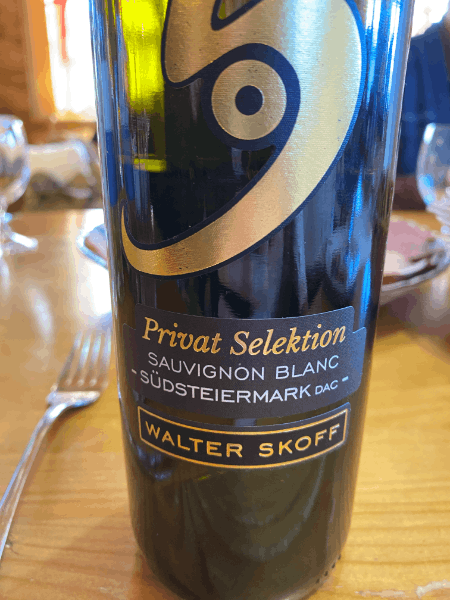
Back in the 19th century, Archduke Johann was the ultimate influencer before Instagram existed. He fell in love with a local postmaster's daughter and the region itself, deciding that the local farming methods needed a serious upgrade. He established a model farm and introduced new agricultural techniques, effectively dragging Styrian winemaking out of the dark ages. Without his royal intervention and passion for viticulture, we might still be drinking rustic field blends instead of world-class whites. He proved that even royalty can get their hands dirty for the sake of good wine, forever changing the landscape of Austrian viticulture.
Back in the 19th century, Archduke Johann was the ultimate influencer before Instagram existed. He fell in love with a local postmaster's daughter and the region itself, deciding that the local farming methods needed a serious upgrade. He established a model farm and introduced new agricultural techniques, effectively dragging Styrian winemaking out of the dark ages. Without his royal intervention and passion for viticulture, we might still be drinking rustic field blends instead of world-class whites. He proved that even royalty can get their hands dirty for the sake of good wine, forever changing the landscape of Austrian viticulture.
Back in the 19th century, Archduke Johann was the ultimate influencer before Instagram existed. He fell in love with a local postmaster's daughter and the region itself, deciding that the local farming methods needed a serious upgrade. He established a model farm and introduced new agricultural techniques, effectively dragging Styrian winemaking out of the dark ages. Without his royal intervention and passion for viticulture, we might still be drinking rustic field blends instead of world-class whites. He proved that even royalty can get their hands dirty for the sake of good wine, forever changing the landscape of Austrian viticulture.
The Sauvignon Surprise
The Sauvignon Surprise
The Sauvignon Surprise
For decades, Styria was Austria's best-kept secret, consumed mostly by locals at Buschenschanks (wine taverns). Then, the Sauvignon Blanc boom hit. Suddenly, critics realized that this damp, green corner of Europe was producing wines that could rival the Loire Valley and Marlborough. It wasn't about copying those styles, though. It was about a distinct, spicy savoriness that stunned blind tasters. Winemakers here went from humble farmers to rockstars overnight, proving that cool climates and steep hills are the secret ingredients for white wines that actually have a personality and distinct sense of place.
For decades, Styria was Austria's best-kept secret, consumed mostly by locals at Buschenschanks (wine taverns). Then, the Sauvignon Blanc boom hit. Suddenly, critics realized that this damp, green corner of Europe was producing wines that could rival the Loire Valley and Marlborough. It wasn't about copying those styles, though. It was about a distinct, spicy savoriness that stunned blind tasters. Winemakers here went from humble farmers to rockstars overnight, proving that cool climates and steep hills are the secret ingredients for white wines that actually have a personality and distinct sense of place.
For decades, Styria was Austria's best-kept secret, consumed mostly by locals at Buschenschanks (wine taverns). Then, the Sauvignon Blanc boom hit. Suddenly, critics realized that this damp, green corner of Europe was producing wines that could rival the Loire Valley and Marlborough. It wasn't about copying those styles, though. It was about a distinct, spicy savoriness that stunned blind tasters. Winemakers here went from humble farmers to rockstars overnight, proving that cool climates and steep hills are the secret ingredients for white wines that actually have a personality and distinct sense of place.
Rattling the Birds
Rattling the Birds
Rattling the Birds
Walk through any vineyard here and you will see - and hear - the Klapotetz. It looks like a giant wooden windmill, but its job isn't to generate power. It is designed to make a racket to scare away birds hungry for sweet grapes. These rattling guardians have become the symbol of the region. Traditionally, they are taken down after harvest because even the neighbors need some peace and quiet eventually. It is a charming, low-tech solution to a pest problem, reminding everyone that nature is still the boss around here, birds included.
Walk through any vineyard here and you will see - and hear - the Klapotetz. It looks like a giant wooden windmill, but its job isn't to generate power. It is designed to make a racket to scare away birds hungry for sweet grapes. These rattling guardians have become the symbol of the region. Traditionally, they are taken down after harvest because even the neighbors need some peace and quiet eventually. It is a charming, low-tech solution to a pest problem, reminding everyone that nature is still the boss around here, birds included.
Walk through any vineyard here and you will see - and hear - the Klapotetz. It looks like a giant wooden windmill, but its job isn't to generate power. It is designed to make a racket to scare away birds hungry for sweet grapes. These rattling guardians have become the symbol of the region. Traditionally, they are taken down after harvest because even the neighbors need some peace and quiet eventually. It is a charming, low-tech solution to a pest problem, reminding everyone that nature is still the boss around here, birds included.
LOCAL WINE STYLES
Austrian Riesling
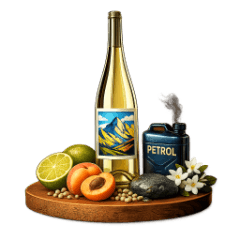
Imagine licking a wet rock while biting into a peach. This isn't the sweet German stuff your grandma kept in the fridge. It is bone-dry, fiercely elegant, and packs a punch of pure mineral energy.
Imagine licking a wet rock while biting into a peach. This isn't the sweet German stuff your grandma kept in the fridge. It is bone-dry, fiercely elegant, and packs a punch of pure mineral energy.
Imagine licking a wet rock while biting into a peach. This isn't the sweet German stuff your grandma kept in the fridge. It is bone-dry, fiercely elegant, and packs a punch of pure mineral energy.
Austrian Muskateller
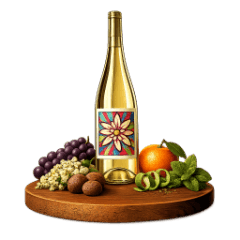
Imagine stepping into a greenhouse full of blooming jasmine and citrus trees. This juice is unapologetically aromatic and crisp, offering a sensory explosion that jumps right out of the glass before you even take a sip.
Imagine stepping into a greenhouse full of blooming jasmine and citrus trees. This juice is unapologetically aromatic and crisp, offering a sensory explosion that jumps right out of the glass before you even take a sip.
Imagine stepping into a greenhouse full of blooming jasmine and citrus trees. This juice is unapologetically aromatic and crisp, offering a sensory explosion that jumps right out of the glass before you even take a sip.
LATEST REVIEWS