«
France

Savoie
Savoie
Savoie
Alpine Cheesy Companion
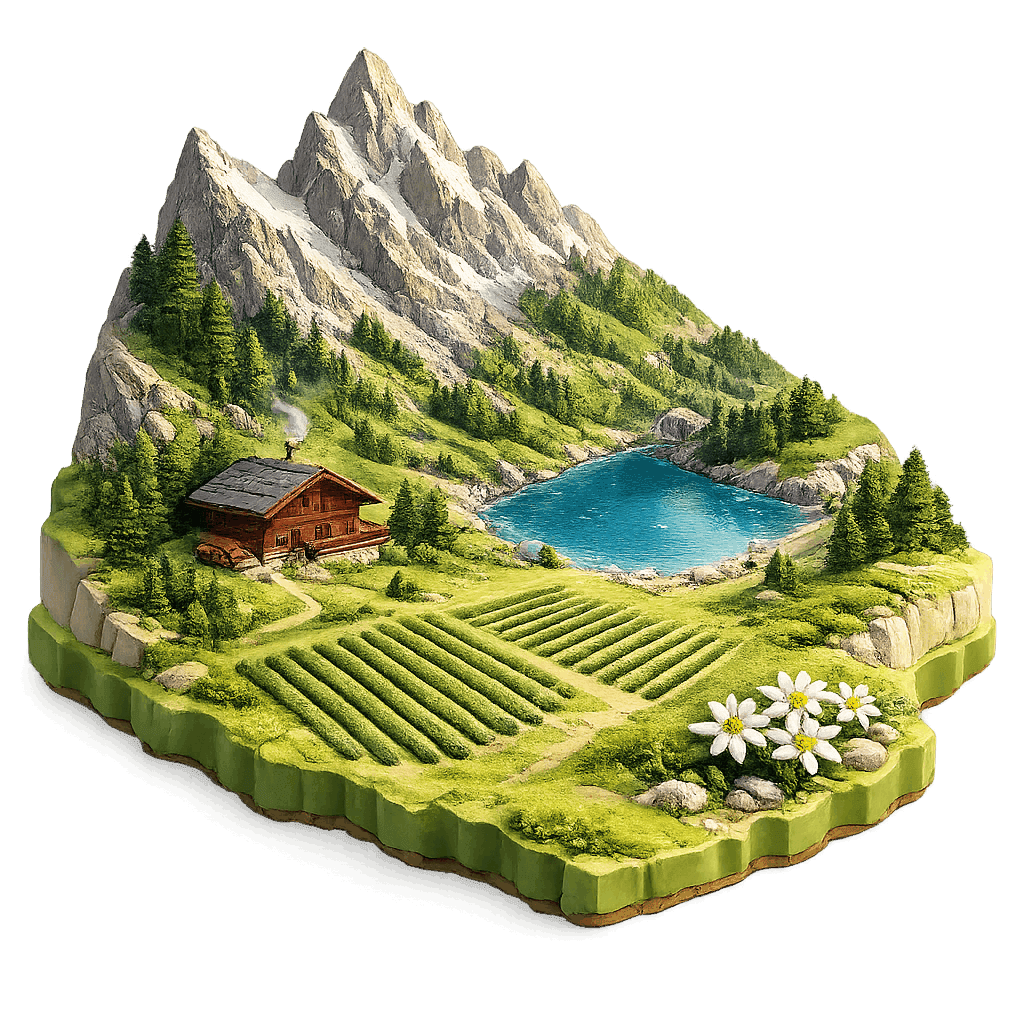
Bordering the Swiss Alps, Savoie delivers liquid skiing. Famous for bone-dry whites that cut through melted cheese like a laser, this area also surprises with crunchy, peppery reds perfect for après-ski chilling.
Bordering the Swiss Alps, Savoie delivers liquid skiing. Famous for bone-dry whites that cut through melted cheese like a laser, this area also surprises with crunchy, peppery reds perfect for après-ski chilling.
Bordering the Swiss Alps, Savoie delivers liquid skiing. Famous for bone-dry whites that cut through melted cheese like a laser, this area also surprises with crunchy, peppery reds perfect for après-ski chilling.




Why it's unique
Rare Exports
Native Grapes
Ski Culture
Most drinkers only encounter these bottles while wearing thermal underwear on a ski trip. Savoie boasts a treasure chest of indigenous grapes like Jacquère and Mondeuse Noire found almost nowhere else. Because locals and tourists drink nearly everything produced right on the slopes, finding these gems outside the mountains feels like discovering a secret club. It is exclusivity born from thirst rather than high prices.
Most drinkers only encounter these bottles while wearing thermal underwear on a ski trip. Savoie boasts a treasure chest of indigenous grapes like Jacquère and Mondeuse Noire found almost nowhere else. Because locals and tourists drink nearly everything produced right on the slopes, finding these gems outside the mountains feels like discovering a secret club. It is exclusivity born from thirst rather than high prices.
Most drinkers only encounter these bottles while wearing thermal underwear on a ski trip. Savoie boasts a treasure chest of indigenous grapes like Jacquère and Mondeuse Noire found almost nowhere else. Because locals and tourists drink nearly everything produced right on the slopes, finding these gems outside the mountains feels like discovering a secret club. It is exclusivity born from thirst rather than high prices.
Terroir
Steep Slopes
Limestone Scree
Lake Effect
Gravity does the heavy lifting here. Vineyards cling to steep, scree-covered slopes that look impossible to farm. Ancient landslides, like the one at Mount Granier, created chaotic limestone soils perfect for minerality. Nearby bodies of water like Lake Bourget act as giant radiators, moderating the freezing alpine nights so the fruit doesn't turn into a popsicle before harvest.
Gravity does the heavy lifting here. Vineyards cling to steep, scree-covered slopes that look impossible to farm. Ancient landslides, like the one at Mount Granier, created chaotic limestone soils perfect for minerality. Nearby bodies of water like Lake Bourget act as giant radiators, moderating the freezing alpine nights so the fruit doesn't turn into a popsicle before harvest.
Gravity does the heavy lifting here. Vineyards cling to steep, scree-covered slopes that look impossible to farm. Ancient landslides, like the one at Mount Granier, created chaotic limestone soils perfect for minerality. Nearby bodies of water like Lake Bourget act as giant radiators, moderating the freezing alpine nights so the fruit doesn't turn into a popsicle before harvest.
You gotta try
Zesty Jacquère
Age-worthy Altesse
Peppery Mondeuse
Start your journey with Jacquère. It is light, floral, and practically demands a pot of bubbling fondue nearby. If you want something serious and age-worthy, hunt down Altesse, often labeled as Roussette de Savoie, which brings rich nuttiness. For red lovers, Mondeuse Noire offers a spicy, peppery kick that rivals Northern Rhône Syrah but with a distinct, crunchy alpine fresh twist.
Start your journey with Jacquère. It is light, floral, and practically demands a pot of bubbling fondue nearby. If you want something serious and age-worthy, hunt down Altesse, often labeled as Roussette de Savoie, which brings rich nuttiness. For red lovers, Mondeuse Noire offers a spicy, peppery kick that rivals Northern Rhône Syrah but with a distinct, crunchy alpine fresh twist.
Start your journey with Jacquère. It is light, floral, and practically demands a pot of bubbling fondue nearby. If you want something serious and age-worthy, hunt down Altesse, often labeled as Roussette de Savoie, which brings rich nuttiness. For red lovers, Mondeuse Noire offers a spicy, peppery kick that rivals Northern Rhône Syrah but with a distinct, crunchy alpine fresh twist.
LOCAL TALES
The Mountain That Fell
The Mountain That Fell
The Mountain That Fell
In 1248, a catastrophic event reshaped the landscape forever. A massive chunk of Mount Granier collapsed in the middle of the night, burying five parishes and thousands of people under millions of tons of limestone rock. It was a medieval tragedy of epic proportions that terrified the local population for generations. However, nature has a way of healing in strange ways. Centuries later, farmers realized that this chaotic pile of limestone debris was actually distinctively perfect for growing vines. Today, the appellations of Abymes and Apremont sit directly on top of this ancient landslide zone. The wines are crisp and mineral-driven, quite literally drawing their character from the rubble of history.
In 1248, a catastrophic event reshaped the landscape forever. A massive chunk of Mount Granier collapsed in the middle of the night, burying five parishes and thousands of people under millions of tons of limestone rock. It was a medieval tragedy of epic proportions that terrified the local population for generations. However, nature has a way of healing in strange ways. Centuries later, farmers realized that this chaotic pile of limestone debris was actually distinctively perfect for growing vines. Today, the appellations of Abymes and Apremont sit directly on top of this ancient landslide zone. The wines are crisp and mineral-driven, quite literally drawing their character from the rubble of history.
In 1248, a catastrophic event reshaped the landscape forever. A massive chunk of Mount Granier collapsed in the middle of the night, burying five parishes and thousands of people under millions of tons of limestone rock. It was a medieval tragedy of epic proportions that terrified the local population for generations. However, nature has a way of healing in strange ways. Centuries later, farmers realized that this chaotic pile of limestone debris was actually distinctively perfect for growing vines. Today, the appellations of Abymes and Apremont sit directly on top of this ancient landslide zone. The wines are crisp and mineral-driven, quite literally drawing their character from the rubble of history.
From Cafeteria to Michelin Star
From Cafeteria to Michelin Star
From Cafeteria to Michelin Star
For decades, this region suffered from a reputation as merely fuel for ski holidays. Tourists would chug simple pitchers of white after a day on the pistes, barely noticing the flavor profile. It was fun vacation juice, nothing serious, and usually consumed alongside buckets of tartiflette. That narrative has completely flipped recently. Hipster sommeliers in Paris and New York suddenly fell in love with the low alcohol levels and razor-sharp acidity that define Savoie. Now, instead of being relegated to snowy resort cafeterias, these bottles are fighting for spots on Michelin-starred wine lists. The humble mountain thirst-quencher has officially become cool, leaving the ski bum image in the powder.
For decades, this region suffered from a reputation as merely fuel for ski holidays. Tourists would chug simple pitchers of white after a day on the pistes, barely noticing the flavor profile. It was fun vacation juice, nothing serious, and usually consumed alongside buckets of tartiflette. That narrative has completely flipped recently. Hipster sommeliers in Paris and New York suddenly fell in love with the low alcohol levels and razor-sharp acidity that define Savoie. Now, instead of being relegated to snowy resort cafeterias, these bottles are fighting for spots on Michelin-starred wine lists. The humble mountain thirst-quencher has officially become cool, leaving the ski bum image in the powder.
For decades, this region suffered from a reputation as merely fuel for ski holidays. Tourists would chug simple pitchers of white after a day on the pistes, barely noticing the flavor profile. It was fun vacation juice, nothing serious, and usually consumed alongside buckets of tartiflette. That narrative has completely flipped recently. Hipster sommeliers in Paris and New York suddenly fell in love with the low alcohol levels and razor-sharp acidity that define Savoie. Now, instead of being relegated to snowy resort cafeterias, these bottles are fighting for spots on Michelin-starred wine lists. The humble mountain thirst-quencher has officially become cool, leaving the ski bum image in the powder.
The Royal Wedding Myth
The Royal Wedding Myth
The Royal Wedding Myth
A romantic legend surrounds the Altesse variety, also known as Roussette. Local lore insists that Count Amadeus VI, the Green Count, brought the cuttings back from Cyprus in the 14th century after his crusade to the East. It sounds like a perfect fairy tale involving crusades and royal weddings. Unfortunately, modern DNA profiling came along to ruin the party. Scientists discovered that Altesse is actually native to the French Alps and closely related to Chasselas. While the exotic backstory was great for marketing, the truth proves that Altesse is a true-born mountaineer, adapted perfectly to the harsh winters and short summers of the region without any Mediterranean help.
A romantic legend surrounds the Altesse variety, also known as Roussette. Local lore insists that Count Amadeus VI, the Green Count, brought the cuttings back from Cyprus in the 14th century after his crusade to the East. It sounds like a perfect fairy tale involving crusades and royal weddings. Unfortunately, modern DNA profiling came along to ruin the party. Scientists discovered that Altesse is actually native to the French Alps and closely related to Chasselas. While the exotic backstory was great for marketing, the truth proves that Altesse is a true-born mountaineer, adapted perfectly to the harsh winters and short summers of the region without any Mediterranean help.
A romantic legend surrounds the Altesse variety, also known as Roussette. Local lore insists that Count Amadeus VI, the Green Count, brought the cuttings back from Cyprus in the 14th century after his crusade to the East. It sounds like a perfect fairy tale involving crusades and royal weddings. Unfortunately, modern DNA profiling came along to ruin the party. Scientists discovered that Altesse is actually native to the French Alps and closely related to Chasselas. While the exotic backstory was great for marketing, the truth proves that Altesse is a true-born mountaineer, adapted perfectly to the harsh winters and short summers of the region without any Mediterranean help.
SUB-REGIONS
Chignin
(
Savoie
)
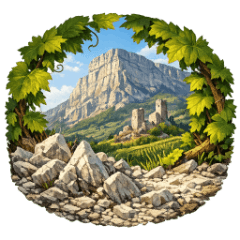
Nestled right under the terrifyingly beautiful cliffs of La Savoyarde, this spot specializes in whites that are lighter than air. It is the perfect introduction to mountain wines without needing a hiking boot permit.
Nestled right under the terrifyingly beautiful cliffs of La Savoyarde, this spot specializes in whites that are lighter than air. It is the perfect introduction to mountain wines without needing a hiking boot permit.
Apremont
(
Savoie
)
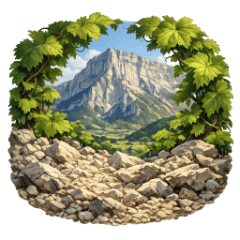
If you have ever ordered a house wine in a French ski resort, chances are you have met this legend. It sits on the rubble of a massive 13th-century mountain collapse, proving that nature’s tantrums sometimes create excellent terroir.
If you have ever ordered a house wine in a French ski resort, chances are you have met this legend. It sits on the rubble of a massive 13th-century mountain collapse, proving that nature’s tantrums sometimes create excellent terroir.
LATEST REVIEWS