«
Argentina

San Juan
San Juan
San Juan
Sun-Baked Syrah Land
Often overshadowed by its noisy neighbor Mendoza, this sun-drenched province is the historical workhorse of Argentine viticulture. It is hot, arid, and produces reds with enough personality and strength to punch you right in the palate.
Often overshadowed by its noisy neighbor Mendoza, this sun-drenched province is the historical workhorse of Argentine viticulture. It is hot, arid, and produces reds with enough personality and strength to punch you right in the palate.
Often overshadowed by its noisy neighbor Mendoza, this sun-drenched province is the historical workhorse of Argentine viticulture. It is hot, arid, and produces reds with enough personality and strength to punch you right in the palate.
LEADERS


HELPERS






Why it's unique
Desert Climate
Syrah Kingdom
Value Wines
San Juan is practically a desert where wine miracles happen thanks to ingenious snowmelt irrigation. It produces a massive chunk of the country's wine but keeps a relatively low profile. While Malbec is undisputed king elsewhere in Argentina, here Syrah is the signature star, offering a spicy and meaty profile that distinguishes it from the fruit bombs found further south. It offers incredible value for money too.
San Juan is practically a desert where wine miracles happen thanks to ingenious snowmelt irrigation. It produces a massive chunk of the country's wine but keeps a relatively low profile. While Malbec is undisputed king elsewhere in Argentina, here Syrah is the signature star, offering a spicy and meaty profile that distinguishes it from the fruit bombs found further south. It offers incredible value for money too.
San Juan is practically a desert where wine miracles happen thanks to ingenious snowmelt irrigation. It produces a massive chunk of the country's wine but keeps a relatively low profile. While Malbec is undisputed king elsewhere in Argentina, here Syrah is the signature star, offering a spicy and meaty profile that distinguishes it from the fruit bombs found further south. It offers incredible value for money too.
Terroir
Thermal Amplitude
Semi-Desert
High Altitude
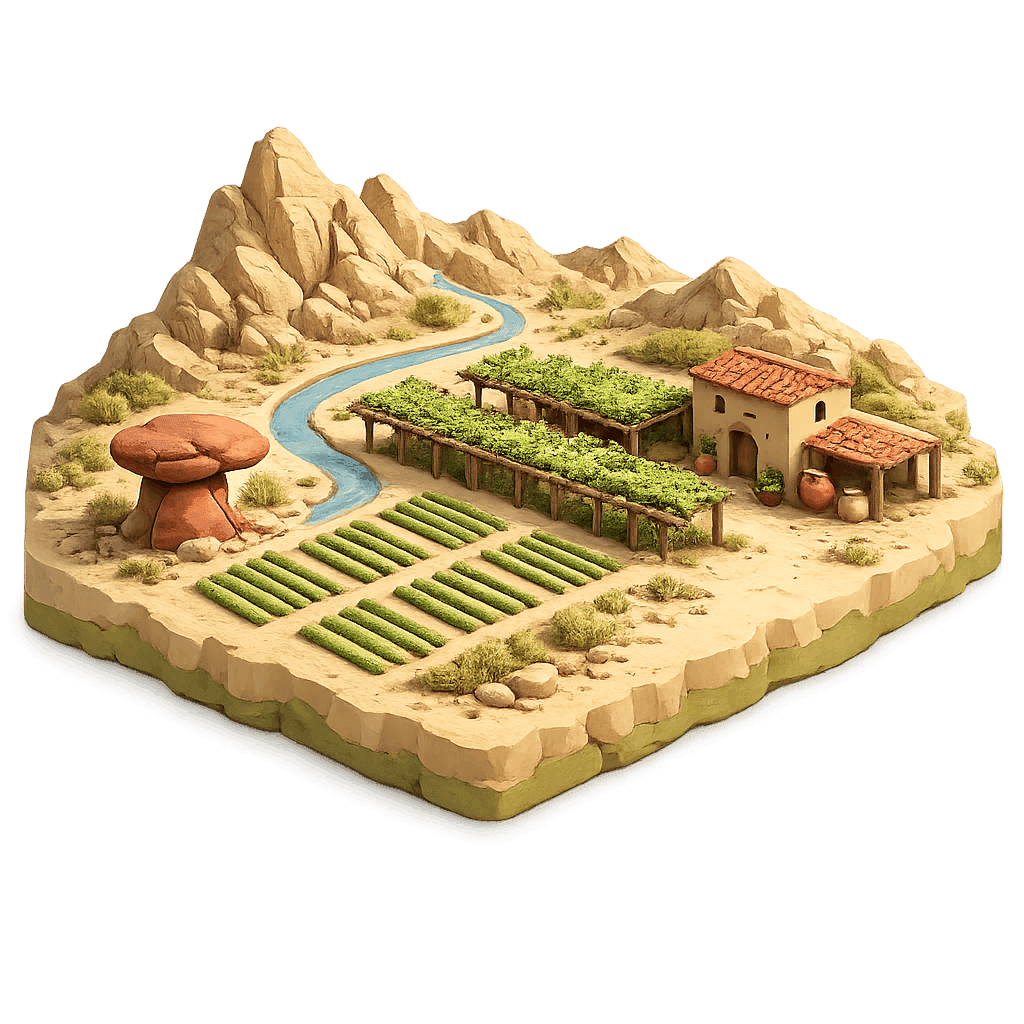
Imagine a pizza oven with a view of the Andes. We are talking semi-desert conditions with very little rain and intense heat during the day. However, the high altitude cools things down significantly at night, preserving essential acidity. This extreme thermal amplitude thickens the skins of the fruit, resulting in wines with deep color, intense concentration, and tannins that have a serious grip.
Imagine a pizza oven with a view of the Andes. We are talking semi-desert conditions with very little rain and intense heat during the day. However, the high altitude cools things down significantly at night, preserving essential acidity. This extreme thermal amplitude thickens the skins of the fruit, resulting in wines with deep color, intense concentration, and tannins that have a serious grip.
Imagine a pizza oven with a view of the Andes. We are talking semi-desert conditions with very little rain and intense heat during the day. However, the high altitude cools things down significantly at night, preserving essential acidity. This extreme thermal amplitude thickens the skins of the fruit, resulting in wines with deep color, intense concentration, and tannins that have a serious grip.
You gotta try
Spicy Syrah
Jammy Bonarda
High-Altitude Whites
Obviously, you need to grab a bottle of Syrah from the Pedernal Valley. It is the superstar here, showcasing savory notes of leather, black fruit, and spice. But do not sleep on Bonarda either, which gets jammy and delicious in this heat. If you want something white, San Juan produces surprisingly crisp Sauvignon Blanc in the higher valleys that will zap your thirst instantly.
Obviously, you need to grab a bottle of Syrah from the Pedernal Valley. It is the superstar here, showcasing savory notes of leather, black fruit, and spice. But do not sleep on Bonarda either, which gets jammy and delicious in this heat. If you want something white, San Juan produces surprisingly crisp Sauvignon Blanc in the higher valleys that will zap your thirst instantly.
Obviously, you need to grab a bottle of Syrah from the Pedernal Valley. It is the superstar here, showcasing savory notes of leather, black fruit, and spice. But do not sleep on Bonarda either, which gets jammy and delicious in this heat. If you want something white, San Juan produces surprisingly crisp Sauvignon Blanc in the higher valleys that will zap your thirst instantly.
LOCAL TALES
The President's Vines
The President's Vines
The President's Vines
Before Malbec became the poster child for Argentina, a guy named Domingo Faustino Sarmiento decided the country needed to up its agricultural game. He was born here and eventually became President of Argentina, but his real legacy might be the cuttings he brought from Europe. In the mid-nineteenth century, he pushed for the cultivation of Malbec and other French vines across the Andes foothills. He believed that fine wine could civilize the nation - a theory I am personally testing every Friday night. His vision transformed a desolate landscape into a viticultural haven, proving that with enough irrigation and determination, you can grow anything anywhere. He is basically the godfather of Argentine wine.
Before Malbec became the poster child for Argentina, a guy named Domingo Faustino Sarmiento decided the country needed to up its agricultural game. He was born here and eventually became President of Argentina, but his real legacy might be the cuttings he brought from Europe. In the mid-nineteenth century, he pushed for the cultivation of Malbec and other French vines across the Andes foothills. He believed that fine wine could civilize the nation - a theory I am personally testing every Friday night. His vision transformed a desolate landscape into a viticultural haven, proving that with enough irrigation and determination, you can grow anything anywhere. He is basically the godfather of Argentine wine.
Before Malbec became the poster child for Argentina, a guy named Domingo Faustino Sarmiento decided the country needed to up its agricultural game. He was born here and eventually became President of Argentina, but his real legacy might be the cuttings he brought from Europe. In the mid-nineteenth century, he pushed for the cultivation of Malbec and other French vines across the Andes foothills. He believed that fine wine could civilize the nation - a theory I am personally testing every Friday night. His vision transformed a desolate landscape into a viticultural haven, proving that with enough irrigation and determination, you can grow anything anywhere. He is basically the godfather of Argentine wine.
From Bulk to Beauty
From Bulk to Beauty
From Bulk to Beauty
For decades, San Juan was the engine room of bulk wine - quantity over quality was the motto. Farmers were growing pink-skinned commodity grapes designed to fill tetra-paks, basically. Then, winemakers realized the heat here does something magical to Syrah. Instead of turning into jam, the altitude kept it fresh but the sun gave it a spicy kick. It was a revelation. Suddenly, this workhorse region had a thoroughbred racehorse. Vintners started isolating the best plots in valleys like Pedernal, and boom - San Juan wasn't just making juice for boxes anymore. They were crafting world-class reds that could stand toe-to-toe with the Rhône Valley, just with a thicker Spanish accent and a much lower price tag.
For decades, San Juan was the engine room of bulk wine - quantity over quality was the motto. Farmers were growing pink-skinned commodity grapes designed to fill tetra-paks, basically. Then, winemakers realized the heat here does something magical to Syrah. Instead of turning into jam, the altitude kept it fresh but the sun gave it a spicy kick. It was a revelation. Suddenly, this workhorse region had a thoroughbred racehorse. Vintners started isolating the best plots in valleys like Pedernal, and boom - San Juan wasn't just making juice for boxes anymore. They were crafting world-class reds that could stand toe-to-toe with the Rhône Valley, just with a thicker Spanish accent and a much lower price tag.
For decades, San Juan was the engine room of bulk wine - quantity over quality was the motto. Farmers were growing pink-skinned commodity grapes designed to fill tetra-paks, basically. Then, winemakers realized the heat here does something magical to Syrah. Instead of turning into jam, the altitude kept it fresh but the sun gave it a spicy kick. It was a revelation. Suddenly, this workhorse region had a thoroughbred racehorse. Vintners started isolating the best plots in valleys like Pedernal, and boom - San Juan wasn't just making juice for boxes anymore. They were crafting world-class reds that could stand toe-to-toe with the Rhône Valley, just with a thicker Spanish accent and a much lower price tag.
The Flint Fortress
The Flint Fortress
The Flint Fortress
Everyone thought the valley floor was the place to be until some crazy pioneers looked up at the Pedernal Valley. It is situated at a staggering 1,400 meters above sea level and protected by a natural barrier of flint stone. It is a geological fortress. When they first planted there, locals thought the frost would kill everything. Instead, the distinct microclimate produced grapes with thicker skins and wilder aromatics. The flint in the soil - locally called pedernal - acts like a mirror for heat and gives the wines a mineral edge that you just don't get in the clay-heavy flatlands. It is now the crown jewel of the province and proves that looking up is always a good idea.
Everyone thought the valley floor was the place to be until some crazy pioneers looked up at the Pedernal Valley. It is situated at a staggering 1,400 meters above sea level and protected by a natural barrier of flint stone. It is a geological fortress. When they first planted there, locals thought the frost would kill everything. Instead, the distinct microclimate produced grapes with thicker skins and wilder aromatics. The flint in the soil - locally called pedernal - acts like a mirror for heat and gives the wines a mineral edge that you just don't get in the clay-heavy flatlands. It is now the crown jewel of the province and proves that looking up is always a good idea.
Everyone thought the valley floor was the place to be until some crazy pioneers looked up at the Pedernal Valley. It is situated at a staggering 1,400 meters above sea level and protected by a natural barrier of flint stone. It is a geological fortress. When they first planted there, locals thought the frost would kill everything. Instead, the distinct microclimate produced grapes with thicker skins and wilder aromatics. The flint in the soil - locally called pedernal - acts like a mirror for heat and gives the wines a mineral edge that you just don't get in the clay-heavy flatlands. It is now the crown jewel of the province and proves that looking up is always a good idea.
SUB-REGIONS
Tulum Valley
(
San Juan
)
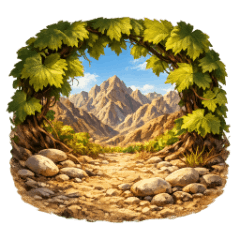
Nestled at the Andean foothills, this arid landscape serves as the pumping heart of San Juan's production. It is relentless heat and sunshine here, churning out intense reds that prove high volume and high quality can happily coexist.
Nestled at the Andean foothills, this arid landscape serves as the pumping heart of San Juan's production. It is relentless heat and sunshine here, churning out intense reds that prove high volume and high quality can happily coexist.
Ullum Valley
(
San Juan
)
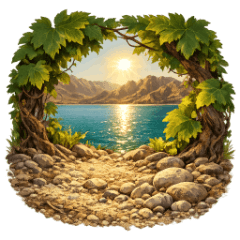
Imagine a giant battery of water powering a thirsty vineyard. That is basically this place. Dominated by a massive reservoir, it creates a unique microclimate where intense heat meets cooling breezes, perfect for ripening reds.
Imagine a giant battery of water powering a thirsty vineyard. That is basically this place. Dominated by a massive reservoir, it creates a unique microclimate where intense heat meets cooling breezes, perfect for ripening reds.
LOCAL WINE STYLES
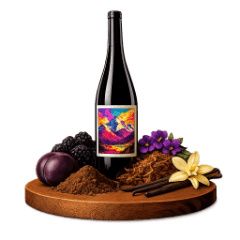
Argentinian Malbec
Imagine climbing a mountain just to jump into a pool of blackberry jam. High-altitude vineyards pump these bottles full of intense fruit flavors and velvety textures that practically scream for a slice of grilled beef.
Imagine climbing a mountain just to jump into a pool of blackberry jam. High-altitude vineyards pump these bottles full of intense fruit flavors and velvety textures that practically scream for a slice of grilled beef.
Imagine climbing a mountain just to jump into a pool of blackberry jam. High-altitude vineyards pump these bottles full of intense fruit flavors and velvety textures that practically scream for a slice of grilled beef.
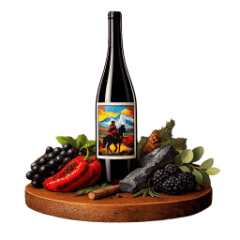
Argentinian Cabernet Sauvignon
Living next door to a superstar isn't easy, yet this bold red holds its own with impressive swagger. Expect darker fruits and savory spices that prove Argentina isn't just a one-trick pony.
Living next door to a superstar isn't easy, yet this bold red holds its own with impressive swagger. Expect darker fruits and savory spices that prove Argentina isn't just a one-trick pony.
Living next door to a superstar isn't easy, yet this bold red holds its own with impressive swagger. Expect darker fruits and savory spices that prove Argentina isn't just a one-trick pony.
LATEST REVIEWS