«
BROWSE ALL
Argentina
Argentina

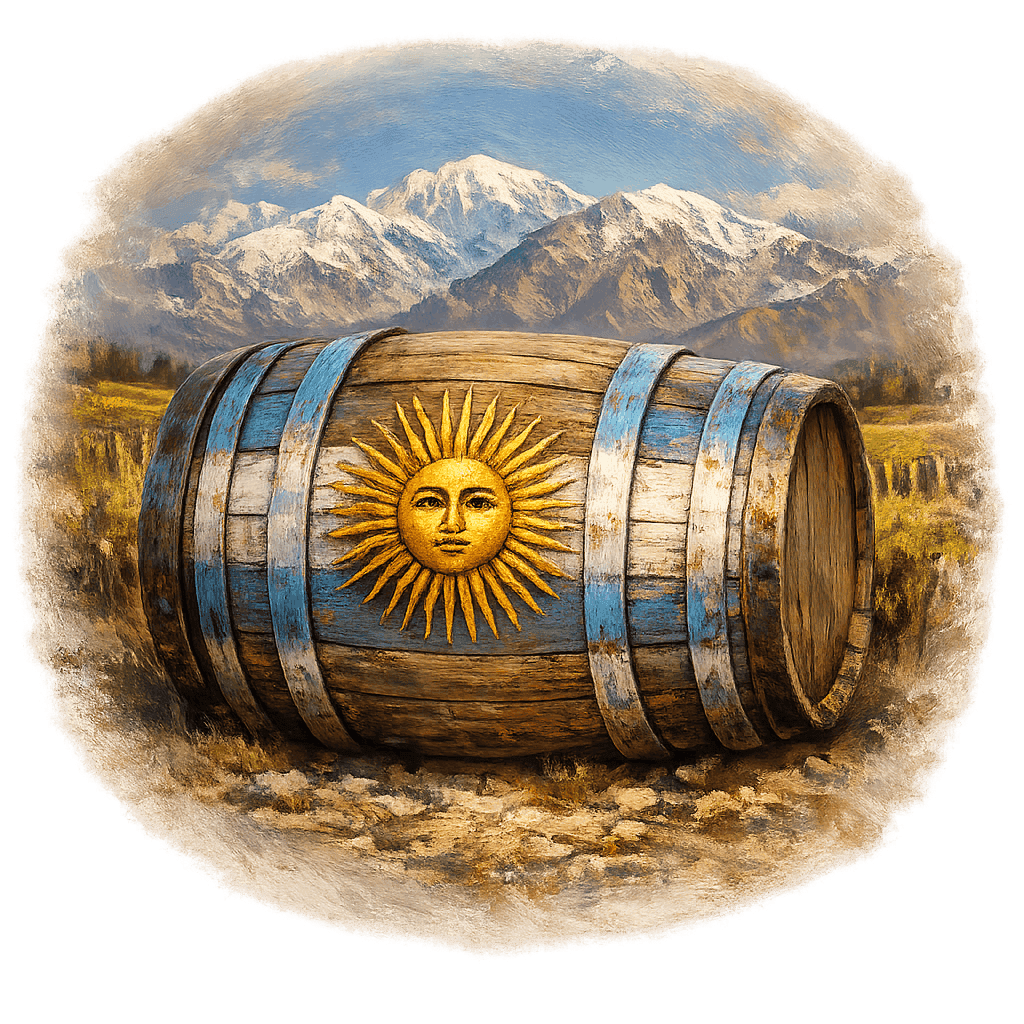
Home to some of the highest vineyards on Earth, this South American giant took a rejected French grape and turned it into a global superstar, all while farming at the foot of snow-capped mountains.
Home to some of the highest vineyards on Earth, this South American giant took a rejected French grape and turned it into a global superstar, all while farming at the foot of snow-capped mountains.
Home to some of the highest vineyards on Earth, this South American giant took a rejected French grape and turned it into a global superstar, all while farming at the foot of snow-capped mountains.
What it's about
Global Powerhouse
Domestic Thirst
High Elevation
Ranking as the seventh-largest producer globally, this nation is an absolute powerhouse that relies heavily on a single star performer to drive its international fame. While domestic consumption remains remarkably high - locals drink nearly 80% of what they make - exports are booming thanks to an unbeatable price-to-quality ratio. It is a land of desert climates, snowmelt irrigation, and viticulture that pushes the limits of elevation.
Ranking as the seventh-largest producer globally, this nation is an absolute powerhouse that relies heavily on a single star performer to drive its international fame. While domestic consumption remains remarkably high - locals drink nearly 80% of what they make - exports are booming thanks to an unbeatable price-to-quality ratio. It is a land of desert climates, snowmelt irrigation, and viticulture that pushes the limits of elevation.
Ranking as the seventh-largest producer globally, this nation is an absolute powerhouse that relies heavily on a single star performer to drive its international fame. While domestic consumption remains remarkably high - locals drink nearly 80% of what they make - exports are booming thanks to an unbeatable price-to-quality ratio. It is a land of desert climates, snowmelt irrigation, and viticulture that pushes the limits of elevation.
What they're proud of
Extreme Altitude
Rescued Malbec
Intense Sun
Nothing swells their chests quite like their mastery of extreme verticality. They boast vineyards planted at dizzying heights - some over 3,000 meters above sea level in the north - which allows grapes to retain razor-sharp acidity despite the intense sunshine. They are also famously smug about rescuing Malbec from obscurity and proving to the world that high-quality wine isn't exclusively a European concept.
Nothing swells their chests quite like their mastery of extreme verticality. They boast vineyards planted at dizzying heights - some over 3,000 meters above sea level in the north - which allows grapes to retain razor-sharp acidity despite the intense sunshine. They are also famously smug about rescuing Malbec from obscurity and proving to the world that high-quality wine isn't exclusively a European concept.
Nothing swells their chests quite like their mastery of extreme verticality. They boast vineyards planted at dizzying heights - some over 3,000 meters above sea level in the north - which allows grapes to retain razor-sharp acidity despite the intense sunshine. They are also famously smug about rescuing Malbec from obscurity and proving to the world that high-quality wine isn't exclusively a European concept.
WHAT'S TRENDING
Lighter Styles
Cabernet Franc
Patagonian Expansion
Winemakers are finally easing off the heavy oak and extraction to showcase fresh, 'naked' wines that actually taste like fruit rather than vanilla planks. Cabernet Franc is exploding in popularity, threatening to steal the spotlight, while the search for cooler terroirs has pushed pioneers further south into the windswept plains of Patagonia. White blends and high-end Chardonnays are also having a serious moment.
Winemakers are finally easing off the heavy oak and extraction to showcase fresh, 'naked' wines that actually taste like fruit rather than vanilla planks. Cabernet Franc is exploding in popularity, threatening to steal the spotlight, while the search for cooler terroirs has pushed pioneers further south into the windswept plains of Patagonia. White blends and high-end Chardonnays are also having a serious moment.
Winemakers are finally easing off the heavy oak and extraction to showcase fresh, 'naked' wines that actually taste like fruit rather than vanilla planks. Cabernet Franc is exploding in popularity, threatening to steal the spotlight, while the search for cooler terroirs has pushed pioneers further south into the windswept plains of Patagonia. White blends and high-end Chardonnays are also having a serious moment.
LOCAL TALES
The French Rejection
The French Rejection
The French Rejection
Before it became the national mascot of Argentina, Malbec was having a terrible time in France. Known as Côt, it was prone to rot and generally treated like the ugly duckling of Bordeaux. Enter Michel Aimé Pouget, a French agronomist hired by the Argentine government, who arrived in Mendoza on April 17, 1853 - a date now celebrated globally as Malbec World Day. He brought cuttings of this 'failed' grape, suspecting the dry Andean heat might suit it better. He was right. While phylloxera wiped out the vines back in Europe, the Argentine plants thrived on their own roots, eventually becoming the swan that France never saw coming.
Before it became the national mascot of Argentina, Malbec was having a terrible time in France. Known as Côt, it was prone to rot and generally treated like the ugly duckling of Bordeaux. Enter Michel Aimé Pouget, a French agronomist hired by the Argentine government, who arrived in Mendoza on April 17, 1853 - a date now celebrated globally as Malbec World Day. He brought cuttings of this 'failed' grape, suspecting the dry Andean heat might suit it better. He was right. While phylloxera wiped out the vines back in Europe, the Argentine plants thrived on their own roots, eventually becoming the swan that France never saw coming.
The California Epiphany
The California Epiphany
The California Epiphany
In the early 1980s, Nicolás Catena Zapata visited Napa Valley and was shocked to see Californian wines beating French legends in blind tastings. He returned home with a crazy idea: maybe Argentina shouldn't just make cheap table wine for thirsty locals. Ignoring advice to stick to the warmer lowlands, he looked up at the freezing, barren heights of the Gualtallary district and decided to plant there. Locals thought he had lost his mind due to the cold, but the intensity of the sunlight at that altitude created thick-skinned grapes with incredible structure. That 'madness' essentially birthed the modern era of South American fine wine.
In the early 1980s, Nicolás Catena Zapata visited Napa Valley and was shocked to see Californian wines beating French legends in blind tastings. He returned home with a crazy idea: maybe Argentina shouldn't just make cheap table wine for thirsty locals. Ignoring advice to stick to the warmer lowlands, he looked up at the freezing, barren heights of the Gualtallary district and decided to plant there. Locals thought he had lost his mind due to the cold, but the intensity of the sunlight at that altitude created thick-skinned grapes with incredible structure. That 'madness' essentially birthed the modern era of South American fine wine.
Winds of Otronia
Winds of Otronia
Winds of Otronia
If you think Mendoza is extreme, try Chubut. In the deep south of Patagonia, there is a vineyard called Otronia that sits at latitude 45° South, making it the southernmost commercial vineyard in Argentina. The conditions here are borderline masochistic: winds howl at 100 kilometers per hour, creating skins so thick the grapes are practically wearing armor. To stop the vines from literally blowing away, they use netting not just for hail, but to keep the canopy attached to the earth. The result? Pinot Noir and Chardonnay with an electric natural acidity that tastes like biting into a live wire, proving wine can grow almost anywhere if you're stubborn enough.
If you think Mendoza is extreme, try Chubut. In the deep south of Patagonia, there is a vineyard called Otronia that sits at latitude 45° South, making it the southernmost commercial vineyard in Argentina. The conditions here are borderline masochistic: winds howl at 100 kilometers per hour, creating skins so thick the grapes are practically wearing armor. To stop the vines from literally blowing away, they use netting not just for hail, but to keep the canopy attached to the earth. The result? Pinot Noir and Chardonnay with an electric natural acidity that tastes like biting into a live wire, proving wine can grow almost anywhere if you're stubborn enough.
REGIONS
Mendoza
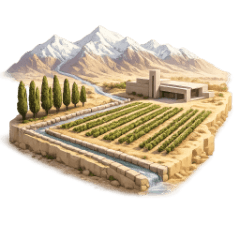
Welcome to the land where vineyards touch the clouds and breathing gets a little harder. This isn't just about red wine, it's about pushing winemaking to dizzying vertical limits where the air is thin but the flavor is thick.
Welcome to the land where vineyards touch the clouds and breathing gets a little harder. This isn't just about red wine, it's about pushing winemaking to dizzying vertical limits where the air is thin but the flavor is thick.

Salta
Pack your hiking boots and maybe an oxygen tank because we are heading to the stratospheric upper limits of the wine world. Here, viticulture happens at altitudes that would make a mountain goat dizzy.
Pack your hiking boots and maybe an oxygen tank because we are heading to the stratospheric upper limits of the wine world. Here, viticulture happens at altitudes that would make a mountain goat dizzy.
SUB-REGIONS
Luján de Cuyo
(
Mendoza
)
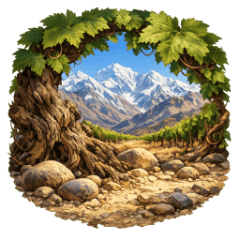
If Mendoza had a VIP lounge, this would be it. Revered as the cradle of Argentine quality, it is where history meets modernity, boasting old vines that have survived everything but an empty glass.
If Mendoza had a VIP lounge, this would be it. Revered as the cradle of Argentine quality, it is where history meets modernity, boasting old vines that have survived everything but an empty glass.
Maipú
(
Mendoza
)
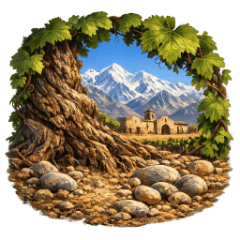
Don't call it a comeback because it never left. This zone is the grandfather of Argentine wine, boasting ancient vines and olive groves that have seen it all. It is pure tradition in a glass.
Don't call it a comeback because it never left. This zone is the grandfather of Argentine wine, boasting ancient vines and olive groves that have seen it all. It is pure tradition in a glass.
WINE STYLES
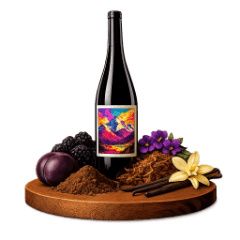
Argentinian Malbec
Imagine climbing a mountain just to jump into a pool of blackberry jam. High-altitude vineyards pump these bottles full of intense fruit flavors and velvety textures that practically scream for a slice of grilled beef.
Imagine climbing a mountain just to jump into a pool of blackberry jam. High-altitude vineyards pump these bottles full of intense fruit flavors and velvety textures that practically scream for a slice of grilled beef.
Imagine climbing a mountain just to jump into a pool of blackberry jam. High-altitude vineyards pump these bottles full of intense fruit flavors and velvety textures that practically scream for a slice of grilled beef.
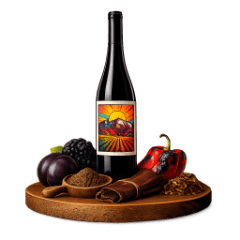
Argentinian Mendoza Red Blend
While Malbec often steals the spotlight, these concoctions prove that teamwork makes the dream work. Winemakers mix Cabernet Sauvignon, Petit Verdot, and Cabernet Franc to create a symphony that is louder, bolder, and arguably more complex than the soloist.
While Malbec often steals the spotlight, these concoctions prove that teamwork makes the dream work. Winemakers mix Cabernet Sauvignon, Petit Verdot, and Cabernet Franc to create a symphony that is louder, bolder, and arguably more complex than the soloist.
While Malbec often steals the spotlight, these concoctions prove that teamwork makes the dream work. Winemakers mix Cabernet Sauvignon, Petit Verdot, and Cabernet Franc to create a symphony that is louder, bolder, and arguably more complex than the soloist.
LATEST REVIEWS