«
Uruguay

San José
San José
San José
Granite Rolling Hills
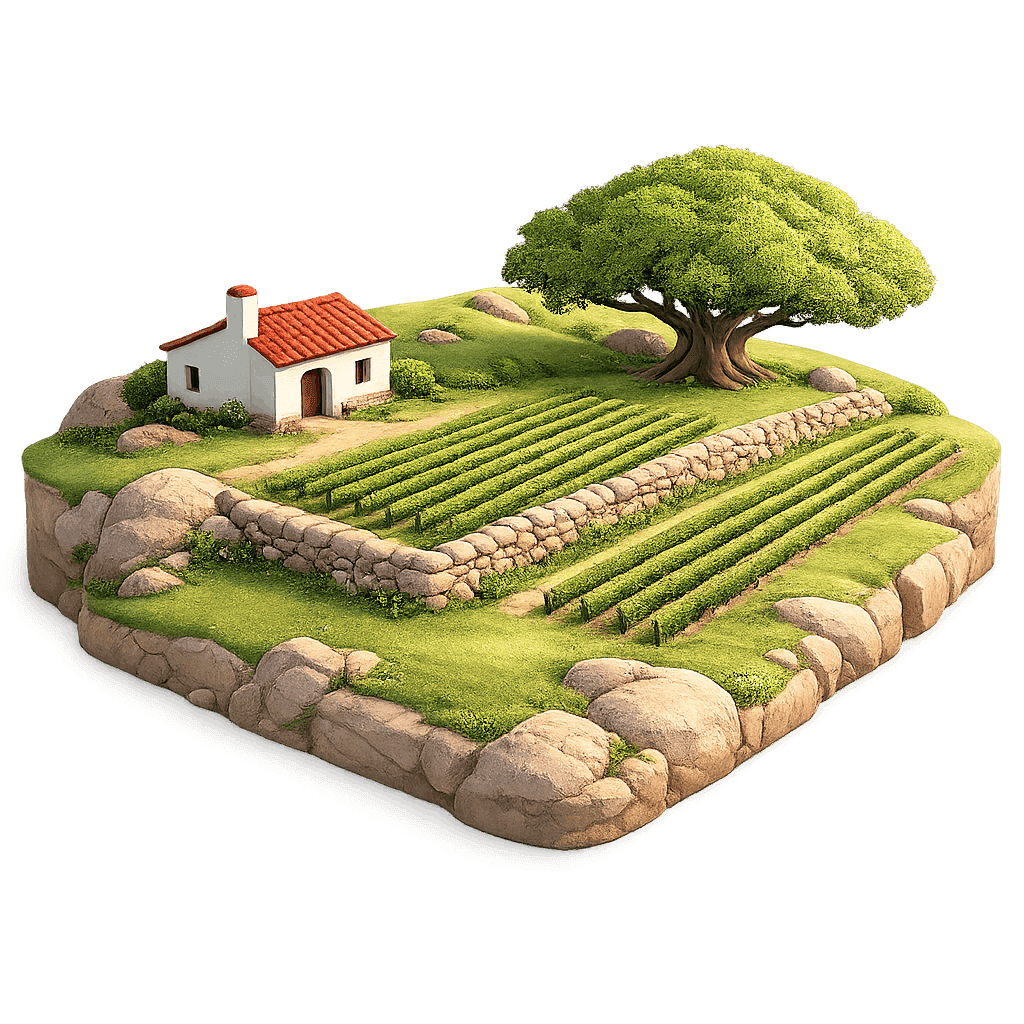
While neighbors plow deep clay fields, San José hugs ancient granite boulders and undulating topography. It offers a cooler, breezier escape, producing wines that feel like a refreshing splash of cold water on a hot humid day.
While neighbors plow deep clay fields, San José hugs ancient granite boulders and undulating topography. It offers a cooler, breezier escape, producing wines that feel like a refreshing splash of cold water on a hot humid day.
While neighbors plow deep clay fields, San José hugs ancient granite boulders and undulating topography. It offers a cooler, breezier escape, producing wines that feel like a refreshing splash of cold water on a hot humid day.
LEADERS

Why it's unique
Ancient geology
Pink granite
Oldest rock
Geology geeks, assemble! Here lies the Craton del Rio de la Plata, comprising some of the oldest rock on the planet. Unlike the heavy clays found elsewhere in Uruguay, San José boasts sandy loam, vertical schist, and granite that make vines struggle just enough. It’s a prehistoric playground where dinosaur-era soils meet modern farming to create reds with serious backbone and white wines that snap with electricity.
Geology geeks, assemble! Here lies the Craton del Rio de la Plata, comprising some of the oldest rock on the planet. Unlike the heavy clays found elsewhere in Uruguay, San José boasts sandy loam, vertical schist, and granite that make vines struggle just enough. It’s a prehistoric playground where dinosaur-era soils meet modern farming to create reds with serious backbone and white wines that snap with electricity.
Geology geeks, assemble! Here lies the Craton del Rio de la Plata, comprising some of the oldest rock on the planet. Unlike the heavy clays found elsewhere in Uruguay, San José boasts sandy loam, vertical schist, and granite that make vines struggle just enough. It’s a prehistoric playground where dinosaur-era soils meet modern farming to create reds with serious backbone and white wines that snap with electricity.
Terroir
Estuary breeze
Sandy loam
Mineral crunch
Gently undulating slopes interact with the maritime influence coming off the Rio de la Plata estuary. Those granite outcrops retain heat during the day and radiate it back at night, preventing frost, while the sandy texture ensures roots go deep rather than getting lazy. It’s a brilliant setup for preserving acidity while ensuring ripeness, giving the final bottles a distinctive mineral crunch that heavier soils just can't replicate.
Gently undulating slopes interact with the maritime influence coming off the Rio de la Plata estuary. Those granite outcrops retain heat during the day and radiate it back at night, preventing frost, while the sandy texture ensures roots go deep rather than getting lazy. It’s a brilliant setup for preserving acidity while ensuring ripeness, giving the final bottles a distinctive mineral crunch that heavier soils just can't replicate.
Gently undulating slopes interact with the maritime influence coming off the Rio de la Plata estuary. Those granite outcrops retain heat during the day and radiate it back at night, preventing frost, while the sandy texture ensures roots go deep rather than getting lazy. It’s a brilliant setup for preserving acidity while ensuring ripeness, giving the final bottles a distinctive mineral crunch that heavier soils just can't replicate.
You gotta try
Smoky whites
Vibrant Cab Franc
Flinty Sauvignon
Grab a glass of Sauvignon Blanc immediately. In these granite soils, Sauvignon Blanc develops a flinty, smoky character that rivals the Loire Valley. If red is non-negotiable, hunt down a Cabernet Franc. Yes, really. The stony soil allows Cabernet Franc to ripen without turning into jam, offering spicy herbal notes and vibrant fruit that are shockingly sophisticated for this latitude.
Grab a glass of Sauvignon Blanc immediately. In these granite soils, Sauvignon Blanc develops a flinty, smoky character that rivals the Loire Valley. If red is non-negotiable, hunt down a Cabernet Franc. Yes, really. The stony soil allows Cabernet Franc to ripen without turning into jam, offering spicy herbal notes and vibrant fruit that are shockingly sophisticated for this latitude.
Grab a glass of Sauvignon Blanc immediately. In these granite soils, Sauvignon Blanc develops a flinty, smoky character that rivals the Loire Valley. If red is non-negotiable, hunt down a Cabernet Franc. Yes, really. The stony soil allows Cabernet Franc to ripen without turning into jam, offering spicy herbal notes and vibrant fruit that are shockingly sophisticated for this latitude.
LOCAL TALES
The Stone Zoo
The Stone Zoo
The Stone Zoo
The Sierras de Mahoma aren't just hills, they act like a massive Rorschach test made of granite. Locals and visitors wander through this "sea of stone" pointing out boulders shaped remarkably like giant turtles, houses, and grumpy faces. It creates a surreal backdrop for viticulture. While you sip your wine, you are essentially sitting on rock formations that watched continents drift apart. It adds a layer of mysticism to the terroir-believing that the energy of these ancient stone guardians somehow seeps into the vines isn't hard science, but after a few glasses of the local red, it starts to make perfect sense to everyone involved.
The Sierras de Mahoma aren't just hills, they act like a massive Rorschach test made of granite. Locals and visitors wander through this "sea of stone" pointing out boulders shaped remarkably like giant turtles, houses, and grumpy faces. It creates a surreal backdrop for viticulture. While you sip your wine, you are essentially sitting on rock formations that watched continents drift apart. It adds a layer of mysticism to the terroir-believing that the energy of these ancient stone guardians somehow seeps into the vines isn't hard science, but after a few glasses of the local red, it starts to make perfect sense to everyone involved.
The Sierras de Mahoma aren't just hills, they act like a massive Rorschach test made of granite. Locals and visitors wander through this "sea of stone" pointing out boulders shaped remarkably like giant turtles, houses, and grumpy faces. It creates a surreal backdrop for viticulture. While you sip your wine, you are essentially sitting on rock formations that watched continents drift apart. It adds a layer of mysticism to the terroir-believing that the energy of these ancient stone guardians somehow seeps into the vines isn't hard science, but after a few glasses of the local red, it starts to make perfect sense to everyone involved.
Beating the Clay
Beating the Clay
Beating the Clay
For decades, Uruguayan wine was synonymous with the heavy clay soils of neighboring Canelones, which produce muscular, broad-shouldered reds. San José was the quiet rebel next door. Farmers here noticed their ox plows hit sandy patches and granite snags. Instead of cursing the ground, they realized these poorer soils made the vines fight harder for survival. This natural stress meant smaller berries and concentrated flavors. While the big regions were pumping out quantity, this quiet corner was accidentally perfecting quality, waiting patiently for the rest of the world to realize that struggling vines make the most interesting juice.
For decades, Uruguayan wine was synonymous with the heavy clay soils of neighboring Canelones, which produce muscular, broad-shouldered reds. San José was the quiet rebel next door. Farmers here noticed their ox plows hit sandy patches and granite snags. Instead of cursing the ground, they realized these poorer soils made the vines fight harder for survival. This natural stress meant smaller berries and concentrated flavors. While the big regions were pumping out quantity, this quiet corner was accidentally perfecting quality, waiting patiently for the rest of the world to realize that struggling vines make the most interesting juice.
For decades, Uruguayan wine was synonymous with the heavy clay soils of neighboring Canelones, which produce muscular, broad-shouldered reds. San José was the quiet rebel next door. Farmers here noticed their ox plows hit sandy patches and granite snags. Instead of cursing the ground, they realized these poorer soils made the vines fight harder for survival. This natural stress meant smaller berries and concentrated flavors. While the big regions were pumping out quantity, this quiet corner was accidentally perfecting quality, waiting patiently for the rest of the world to realize that struggling vines make the most interesting juice.
The Estuary Effect
The Estuary Effect
The Estuary Effect
Everyone talks about the Atlantic Ocean, but the Rio de la Plata estuary is the unsung hero here. It is so wide it looks like the sea, yet it behaves differently. In San José, the breeze off this massive body of water acts like a natural air conditioner. There is a story about a visiting French winemaker who swore his thermometer was broken because the nights were so much cooler than the days. He didn't believe a region this humid could have such thermal amplitude until he tasted the crisp acidity in the local white wines. He stopped complaining about the equipment and immediately asked for a second pour.
Everyone talks about the Atlantic Ocean, but the Rio de la Plata estuary is the unsung hero here. It is so wide it looks like the sea, yet it behaves differently. In San José, the breeze off this massive body of water acts like a natural air conditioner. There is a story about a visiting French winemaker who swore his thermometer was broken because the nights were so much cooler than the days. He didn't believe a region this humid could have such thermal amplitude until he tasted the crisp acidity in the local white wines. He stopped complaining about the equipment and immediately asked for a second pour.
Everyone talks about the Atlantic Ocean, but the Rio de la Plata estuary is the unsung hero here. It is so wide it looks like the sea, yet it behaves differently. In San José, the breeze off this massive body of water acts like a natural air conditioner. There is a story about a visiting French winemaker who swore his thermometer was broken because the nights were so much cooler than the days. He didn't believe a region this humid could have such thermal amplitude until he tasted the crisp acidity in the local white wines. He stopped complaining about the equipment and immediately asked for a second pour.
LOCAL WINE STYLES
Uruguayan Tannat
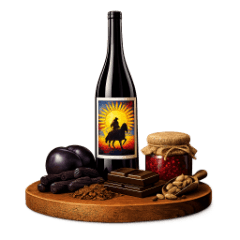
Forget everything you know about aggressive French tannins because Uruguay has tamed this beast into something remarkably approachable. These wines offer power without the pain, delivering lush dark fruit wrapped in a surprisingly velvety texture.
Forget everything you know about aggressive French tannins because Uruguay has tamed this beast into something remarkably approachable. These wines offer power without the pain, delivering lush dark fruit wrapped in a surprisingly velvety texture.
Forget everything you know about aggressive French tannins because Uruguay has tamed this beast into something remarkably approachable. These wines offer power without the pain, delivering lush dark fruit wrapped in a surprisingly velvety texture.
Uruguayan Albariño
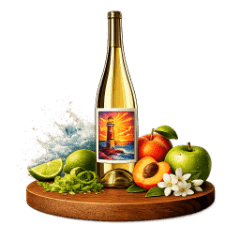
Everyone thinks Spain owns this crisp white, but Uruguay said "hold my mate" and made it their own. It is like biting into a peach while surfing Atlantic waves. Refreshing, surprising, and totally electric.
Everyone thinks Spain owns this crisp white, but Uruguay said "hold my mate" and made it their own. It is like biting into a peach while surfing Atlantic waves. Refreshing, surprising, and totally electric.
Everyone thinks Spain owns this crisp white, but Uruguay said "hold my mate" and made it their own. It is like biting into a peach while surfing Atlantic waves. Refreshing, surprising, and totally electric.
LATEST REVIEWS