«
Mexico
Querétaro
Querétaro
Querétaro
High Desert Fizz
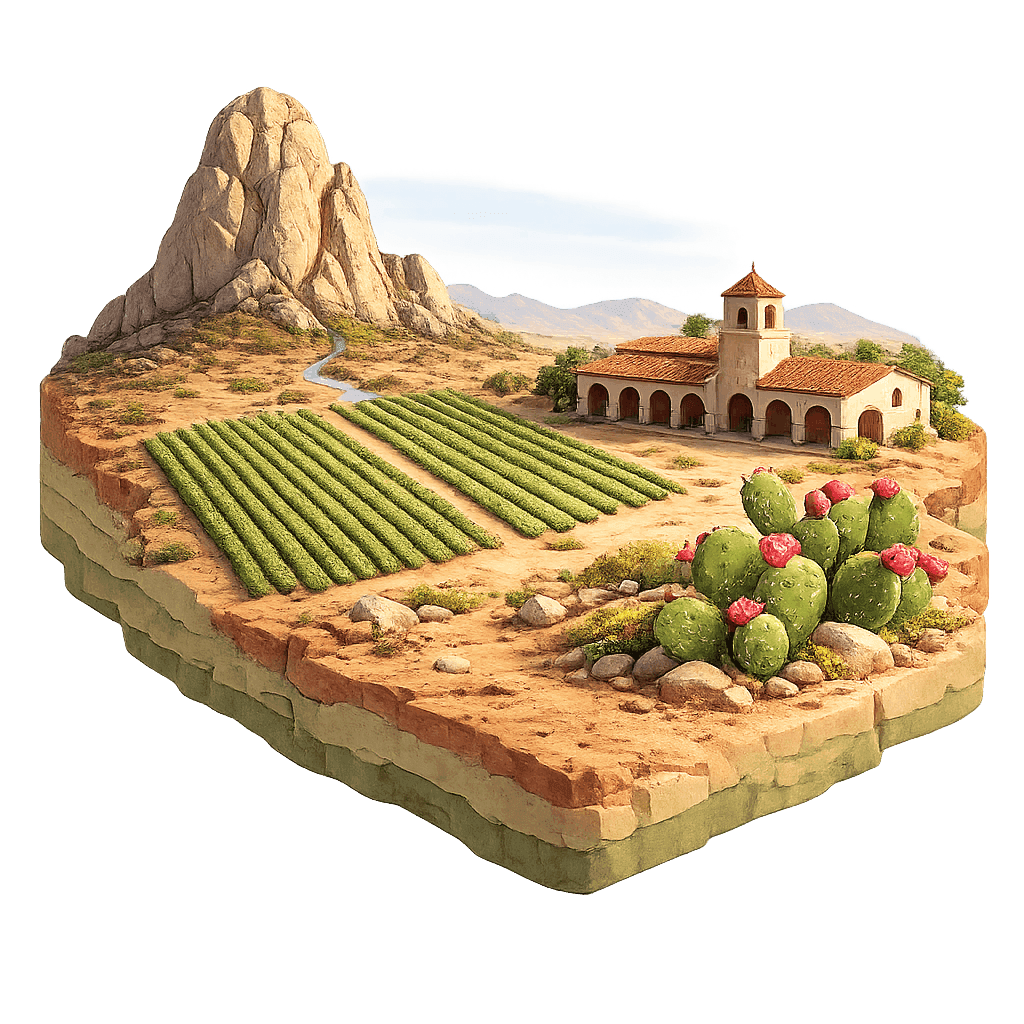
Just a quick hop from Mexico City, this semi-arid playground is where wine lovers go to pop corks. It might look like cactus country, but the high altitude keeps things cool enough for a region totally obsessed with sparkling wines.
Just a quick hop from Mexico City, this semi-arid playground is where wine lovers go to pop corks. It might look like cactus country, but the high altitude keeps things cool enough for a region totally obsessed with sparkling wines.
Just a quick hop from Mexico City, this semi-arid playground is where wine lovers go to pop corks. It might look like cactus country, but the high altitude keeps things cool enough for a region totally obsessed with sparkling wines.
Why it's unique
Bubble Capital
Extreme Zone
Equator Proximity
Freixenet set up shop here for a reason, effectively crowning this area the undisputed bubble capital of Mexico. While other regions chase big, heavy reds, producers here are laser-focused on Cava-style sparklers and crisp whites. It is also an extreme winegrowing zone, sitting in a tropical latitude that defies conventional logic, yet surviving thanks to insane elevation.
Freixenet set up shop here for a reason, effectively crowning this area the undisputed bubble capital of Mexico. While other regions chase big, heavy reds, producers here are laser-focused on Cava-style sparklers and crisp whites. It is also an extreme winegrowing zone, sitting in a tropical latitude that defies conventional logic, yet surviving thanks to insane elevation.
Freixenet set up shop here for a reason, effectively crowning this area the undisputed bubble capital of Mexico. While other regions chase big, heavy reds, producers here are laser-focused on Cava-style sparklers and crisp whites. It is also an extreme winegrowing zone, sitting in a tropical latitude that defies conventional logic, yet surviving thanks to insane elevation.
Terroir
High Elevation
Volcanic Soil
Tropical Latitude
Growing fruit in this tropical latitude sounds like a recipe for raisins, but the elevation saves the day. Sitting at around 2,000 meters above sea level, the nights are chilly enough to let berries rest and keep their acidity razor-sharp. The soil is largely clay and calcareous tepetate, creating a tough environment where roots have to work hard to survive.
Growing fruit in this tropical latitude sounds like a recipe for raisins, but the elevation saves the day. Sitting at around 2,000 meters above sea level, the nights are chilly enough to let berries rest and keep their acidity razor-sharp. The soil is largely clay and calcareous tepetate, creating a tough environment where roots have to work hard to survive.
Growing fruit in this tropical latitude sounds like a recipe for raisins, but the elevation saves the day. Sitting at around 2,000 meters above sea level, the nights are chilly enough to let berries rest and keep their acidity razor-sharp. The soil is largely clay and calcareous tepetate, creating a tough environment where roots have to work hard to survive.
You gotta try
Sparkling Wine
Sauvignon Blanc
Light Malbec
Grab a bottle of Sala Vivé or any traditional method sparkling wine because that is what put this place on the map. If bubbles aren't your jam, hunt down a crisp Sauvignon Blanc or even a light Malbec. These wines tend to be fresh and lean rather than big and jammy, perfect for sipping on a sunny patio with some local artisanal cheese.
Grab a bottle of Sala Vivé or any traditional method sparkling wine because that is what put this place on the map. If bubbles aren't your jam, hunt down a crisp Sauvignon Blanc or even a light Malbec. These wines tend to be fresh and lean rather than big and jammy, perfect for sipping on a sunny patio with some local artisanal cheese.
Grab a bottle of Sala Vivé or any traditional method sparkling wine because that is what put this place on the map. If bubbles aren't your jam, hunt down a crisp Sauvignon Blanc or even a light Malbec. These wines tend to be fresh and lean rather than big and jammy, perfect for sipping on a sunny patio with some local artisanal cheese.
LOCAL TALES
The Spanish Invasion
The Spanish Invasion
The Spanish Invasion
Back in the late 70s, the Spanish sparkling giant Freixenet was scouting for a place to expand. They needed somewhere with specific conditions to replicate their famous Cava style. They stumbled upon the San Juan del Río valley and realized the high altitude created the perfect cool temperatures. They dug massive cellars twenty-five meters underground to maintain a constant temperature for aging bubbles. Today, that decision sparked a revolution, making this spot the largest producer of sparkling wine in the country. It’s a little slice of Catalonia in central Mexico.
Back in the late 70s, the Spanish sparkling giant Freixenet was scouting for a place to expand. They needed somewhere with specific conditions to replicate their famous Cava style. They stumbled upon the San Juan del Río valley and realized the high altitude created the perfect cool temperatures. They dug massive cellars twenty-five meters underground to maintain a constant temperature for aging bubbles. Today, that decision sparked a revolution, making this spot the largest producer of sparkling wine in the country. It’s a little slice of Catalonia in central Mexico.
Back in the late 70s, the Spanish sparkling giant Freixenet was scouting for a place to expand. They needed somewhere with specific conditions to replicate their famous Cava style. They stumbled upon the San Juan del Río valley and realized the high altitude created the perfect cool temperatures. They dug massive cellars twenty-five meters underground to maintain a constant temperature for aging bubbles. Today, that decision sparked a revolution, making this spot the largest producer of sparkling wine in the country. It’s a little slice of Catalonia in central Mexico.
Cheese Meets Grape
Cheese Meets Grape
Cheese Meets Grape
You cannot talk about wine here without mentioning the dairy. The region created the famous "Route of Art, Cheese, and Wine," turning a simple agricultural zone into a weekend tourism mecca for stressed-out Mexico City residents. It turns out that the same semi-desert conditions that struggle to support lush crops are perfect for happy goats and cows. The local creameries started pairing their aged cheeses with the acidic, fresh wines from their neighbors. Now, visiting a winery without a cheese board in hand is practically considered a crime against gastronomy.
You cannot talk about wine here without mentioning the dairy. The region created the famous "Route of Art, Cheese, and Wine," turning a simple agricultural zone into a weekend tourism mecca for stressed-out Mexico City residents. It turns out that the same semi-desert conditions that struggle to support lush crops are perfect for happy goats and cows. The local creameries started pairing their aged cheeses with the acidic, fresh wines from their neighbors. Now, visiting a winery without a cheese board in hand is practically considered a crime against gastronomy.
You cannot talk about wine here without mentioning the dairy. The region created the famous "Route of Art, Cheese, and Wine," turning a simple agricultural zone into a weekend tourism mecca for stressed-out Mexico City residents. It turns out that the same semi-desert conditions that struggle to support lush crops are perfect for happy goats and cows. The local creameries started pairing their aged cheeses with the acidic, fresh wines from their neighbors. Now, visiting a winery without a cheese board in hand is practically considered a crime against gastronomy.
Defying The Latitude
Defying The Latitude
Defying The Latitude
By all logic, viticulture shouldn't work here. The vineyards sit at a latitude that usually screams "tropical jungle" or "unbearable heat." If this were sea level, you would be drinking coconut water, not Merlot. But because the plateau sits a staggering 6,500 feet high, the climate flips the script. During the growing season, a microclimate forms where days are warm but nights drop significantly in temperature. This diurnal shift traps acidity in the berries, allowing winemakers to craft fresh, zesty whites in a place where the sun is incredibly intense.
By all logic, viticulture shouldn't work here. The vineyards sit at a latitude that usually screams "tropical jungle" or "unbearable heat." If this were sea level, you would be drinking coconut water, not Merlot. But because the plateau sits a staggering 6,500 feet high, the climate flips the script. During the growing season, a microclimate forms where days are warm but nights drop significantly in temperature. This diurnal shift traps acidity in the berries, allowing winemakers to craft fresh, zesty whites in a place where the sun is incredibly intense.
By all logic, viticulture shouldn't work here. The vineyards sit at a latitude that usually screams "tropical jungle" or "unbearable heat." If this were sea level, you would be drinking coconut water, not Merlot. But because the plateau sits a staggering 6,500 feet high, the climate flips the script. During the growing season, a microclimate forms where days are warm but nights drop significantly in temperature. This diurnal shift traps acidity in the berries, allowing winemakers to craft fresh, zesty whites in a place where the sun is incredibly intense.
LOCAL WINE STYLES
Querétaro Sparkling Wine
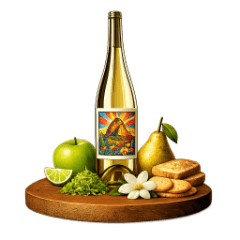
Think high-altitude party juice that defies the laws of latitude. This central Mexican region sits way up in the sky, delivering surprising acidity and freshness that rivals big European names, proving bubbles aren't just for fancy French cellars.
Think high-altitude party juice that defies the laws of latitude. This central Mexican region sits way up in the sky, delivering surprising acidity and freshness that rivals big European names, proving bubbles aren't just for fancy French cellars.
Think high-altitude party juice that defies the laws of latitude. This central Mexican region sits way up in the sky, delivering surprising acidity and freshness that rivals big European names, proving bubbles aren't just for fancy French cellars.
Mexican Chardonnay
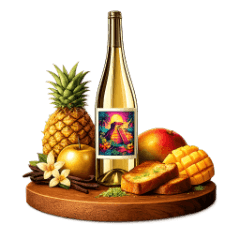
Imagine sipping liquid sunshine while digging your toes into sand. This wine captures the intense solar energy of Baja California, transforming it into ripe tropical fruit flavors balanced by just enough refreshing coastal breeze.
Imagine sipping liquid sunshine while digging your toes into sand. This wine captures the intense solar energy of Baja California, transforming it into ripe tropical fruit flavors balanced by just enough refreshing coastal breeze.
Imagine sipping liquid sunshine while digging your toes into sand. This wine captures the intense solar energy of Baja California, transforming it into ripe tropical fruit flavors balanced by just enough refreshing coastal breeze.
LATEST REVIEWS