«
Canada
Québec
Québec
Québec
Ice Cold Gold
Forget maple syrup for a second. This province takes sub-zero temperatures and turns them into a superpower, crafting intense elixirs that actually benefit from weather that would make a polar bear shiver.
Forget maple syrup for a second. This province takes sub-zero temperatures and turns them into a superpower, crafting intense elixirs that actually benefit from weather that would make a polar bear shiver.
Forget maple syrup for a second. This province takes sub-zero temperatures and turns them into a superpower, crafting intense elixirs that actually benefit from weather that would make a polar bear shiver.



Why it's unique
Extreme Viticulture
Hybrid Heroes
Piercing Acidity
While California worries about heatwaves, winemakers here worry about frostbite. You won't find delicate Merlot surviving the winter easily. Instead, Québec champions tough-as-nails hybrids like Frontenac and Vidal that laugh in the face of snow. It is extreme viticulture where the struggle against the elements creates wines with piercing acidity and intense aromatics that you simply cannot replicate in a cozy, warm valley.
While California worries about heatwaves, winemakers here worry about frostbite. You won't find delicate Merlot surviving the winter easily. Instead, Québec champions tough-as-nails hybrids like Frontenac and Vidal that laugh in the face of snow. It is extreme viticulture where the struggle against the elements creates wines with piercing acidity and intense aromatics that you simply cannot replicate in a cozy, warm valley.
While California worries about heatwaves, winemakers here worry about frostbite. You won't find delicate Merlot surviving the winter easily. Instead, Québec champions tough-as-nails hybrids like Frontenac and Vidal that laugh in the face of snow. It is extreme viticulture where the struggle against the elements creates wines with piercing acidity and intense aromatics that you simply cannot replicate in a cozy, warm valley.
Terroir
Snow Insulation
River Effect
Short Summers
Think of the St. Lawrence River as a giant hot water bottle keeping the vines from freezing to death. While soils vary from glacial drift to ancient seabeds, the real MVP is the snow. It acts as a fluffy insulating blanket, protecting roots from the killing cold. Short, humid summers force a frantic sprint to ripeness, locking in electric acidity and crunchy fruit profiles.
Think of the St. Lawrence River as a giant hot water bottle keeping the vines from freezing to death. While soils vary from glacial drift to ancient seabeds, the real MVP is the snow. It acts as a fluffy insulating blanket, protecting roots from the killing cold. Short, humid summers force a frantic sprint to ripeness, locking in electric acidity and crunchy fruit profiles.
Think of the St. Lawrence River as a giant hot water bottle keeping the vines from freezing to death. While soils vary from glacial drift to ancient seabeds, the real MVP is the snow. It acts as a fluffy insulating blanket, protecting roots from the killing cold. Short, humid summers force a frantic sprint to ripeness, locking in electric acidity and crunchy fruit profiles.
You gotta try
Vidal Icewine
Seyval Blanc
Rustic Reds
You obviously need to sip the liquid gold that is Vidal Icewine, but the dry whites are the real plot twist. Grab a bottle of Seyval Blanc for a citrusy slap to the palate that pairs perfectly with fondue. For reds, hunt down Marquette or Frontenac Noir. They offer rustic, wild berry notes that taste like a hike through a boreal forest.
You obviously need to sip the liquid gold that is Vidal Icewine, but the dry whites are the real plot twist. Grab a bottle of Seyval Blanc for a citrusy slap to the palate that pairs perfectly with fondue. For reds, hunt down Marquette or Frontenac Noir. They offer rustic, wild berry notes that taste like a hike through a boreal forest.
You obviously need to sip the liquid gold that is Vidal Icewine, but the dry whites are the real plot twist. Grab a bottle of Seyval Blanc for a citrusy slap to the palate that pairs perfectly with fondue. For reds, hunt down Marquette or Frontenac Noir. They offer rustic, wild berry notes that taste like a hike through a boreal forest.
LOCAL TALES
The Island of Bacchus
The Island of Bacchus
The Island of Bacchus
Back in 1535, explorer Jacques Cartier sailed up the St. Lawrence and spotted an island absolutely covered in wild vines. He was so hyped he named it l'Île de Bacchus, expecting free-flowing booze for his crew. Spoiler alert: Vitis riparia makes absolutely terrible wine. It took centuries of trial, error, and spitting out sour grape juice before locals realized they needed European hybrids to make something drinkable. But hey, Cartier's misguided optimism set the historical stage for a region that simply refuses to quit.
Back in 1535, explorer Jacques Cartier sailed up the St. Lawrence and spotted an island absolutely covered in wild vines. He was so hyped he named it l'Île de Bacchus, expecting free-flowing booze for his crew. Spoiler alert: Vitis riparia makes absolutely terrible wine. It took centuries of trial, error, and spitting out sour grape juice before locals realized they needed European hybrids to make something drinkable. But hey, Cartier's misguided optimism set the historical stage for a region that simply refuses to quit.
Back in 1535, explorer Jacques Cartier sailed up the St. Lawrence and spotted an island absolutely covered in wild vines. He was so hyped he named it l'Île de Bacchus, expecting free-flowing booze for his crew. Spoiler alert: Vitis riparia makes absolutely terrible wine. It took centuries of trial, error, and spitting out sour grape juice before locals realized they needed European hybrids to make something drinkable. But hey, Cartier's misguided optimism set the historical stage for a region that simply refuses to quit.
The Prohibition Rebellion
The Prohibition Rebellion
The Prohibition Rebellion
While the rest of North America dried out during Prohibition, Québec famously rejected the dry life. In 1919, locals voted to keep beer and wine legal, making the province a boozy oasis for thirsty Americans. There was no need to hide in rectory basements; this open defiance cemented a distinct culture of joie de vivre that kept the appreciation for good drink alive. When modern viticulture finally took root, the Québécois were ready to fill a proper wine glass.
While the rest of North America dried out during Prohibition, Québec famously rejected the dry life. In 1919, locals voted to keep beer and wine legal, making the province a boozy oasis for thirsty Americans. There was no need to hide in rectory basements; this open defiance cemented a distinct culture of joie de vivre that kept the appreciation for good drink alive. When modern viticulture finally took root, the Québécois were ready to fill a proper wine glass.
While the rest of North America dried out during Prohibition, Québec famously rejected the dry life. In 1919, locals voted to keep beer and wine legal, making the province a boozy oasis for thirsty Americans. There was no need to hide in rectory basements; this open defiance cemented a distinct culture of joie de vivre that kept the appreciation for good drink alive. When modern viticulture finally took root, the Québécois were ready to fill a proper wine glass.
The Big Buried Secret
The Big Buried Secret
The Big Buried Secret
Ever wonder how delicate Vitis vinifera survives -30°C? They literally bury the vines. It is called geotextile covering or 'buttage' in some cases. Every autumn, growers rush to cover their delicate Chardonnay and Pinot Noir with mounds of earth or thermal blankets before the ground freezes solid. It is back-breaking labor that involves turning the vineyard into a muddy burial ground. In spring, they have to carefully dig them back out without snapping the buds. If that is not love for wine, I don't know what is.
Ever wonder how delicate Vitis vinifera survives -30°C? They literally bury the vines. It is called geotextile covering or 'buttage' in some cases. Every autumn, growers rush to cover their delicate Chardonnay and Pinot Noir with mounds of earth or thermal blankets before the ground freezes solid. It is back-breaking labor that involves turning the vineyard into a muddy burial ground. In spring, they have to carefully dig them back out without snapping the buds. If that is not love for wine, I don't know what is.
Ever wonder how delicate Vitis vinifera survives -30°C? They literally bury the vines. It is called geotextile covering or 'buttage' in some cases. Every autumn, growers rush to cover their delicate Chardonnay and Pinot Noir with mounds of earth or thermal blankets before the ground freezes solid. It is back-breaking labor that involves turning the vineyard into a muddy burial ground. In spring, they have to carefully dig them back out without snapping the buds. If that is not love for wine, I don't know what is.
LOCAL WINE STYLES
Canadian Icewine
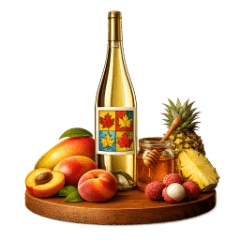
Imagine sipping liquid gold harvested in the dead of winter. Grapes freeze solid on the vine, concentrating sugars into a luscious, sticky syrup that explodes with tropical fruit flavors. It is dessert in a glass.
Imagine sipping liquid gold harvested in the dead of winter. Grapes freeze solid on the vine, concentrating sugars into a luscious, sticky syrup that explodes with tropical fruit flavors. It is dessert in a glass.
Imagine sipping liquid gold harvested in the dead of winter. Grapes freeze solid on the vine, concentrating sugars into a luscious, sticky syrup that explodes with tropical fruit flavors. It is dessert in a glass.
Canadian Vidal Icewine
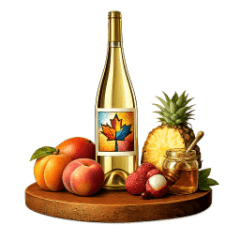
Vidal Blanc is the workhorse of the north that thrives where delicate vinifera shivers. This liquid gold offers an intense tropical fruit salad in a glass, balancing massive sugar with **bracing** acidity that keeps it refreshing.
Vidal Blanc is the workhorse of the north that thrives where delicate vinifera shivers. This liquid gold offers an intense tropical fruit salad in a glass, balancing massive sugar with **bracing** acidity that keeps it refreshing.
Vidal Blanc is the workhorse of the north that thrives where delicate vinifera shivers. This liquid gold offers an intense tropical fruit salad in a glass, balancing massive sugar with **bracing** acidity that keeps it refreshing.
LATEST REVIEWS