«
BROWSE ALL
Canada
Canada
Think beyond maple syrup and hockey, this vast nation is a sleeping giant of cool-climate viticulture. While winter does define their most famous export, the real magic happens when the snow melts and serious terroir emerges.
Think beyond maple syrup and hockey, this vast nation is a sleeping giant of cool-climate viticulture. While winter does define their most famous export, the real magic happens when the snow melts and serious terroir emerges.
Think beyond maple syrup and hockey, this vast nation is a sleeping giant of cool-climate viticulture. While winter does define their most famous export, the real magic happens when the snow melts and serious terroir emerges.
What it's about
Vast Diversity
Small Production
Premium Focus
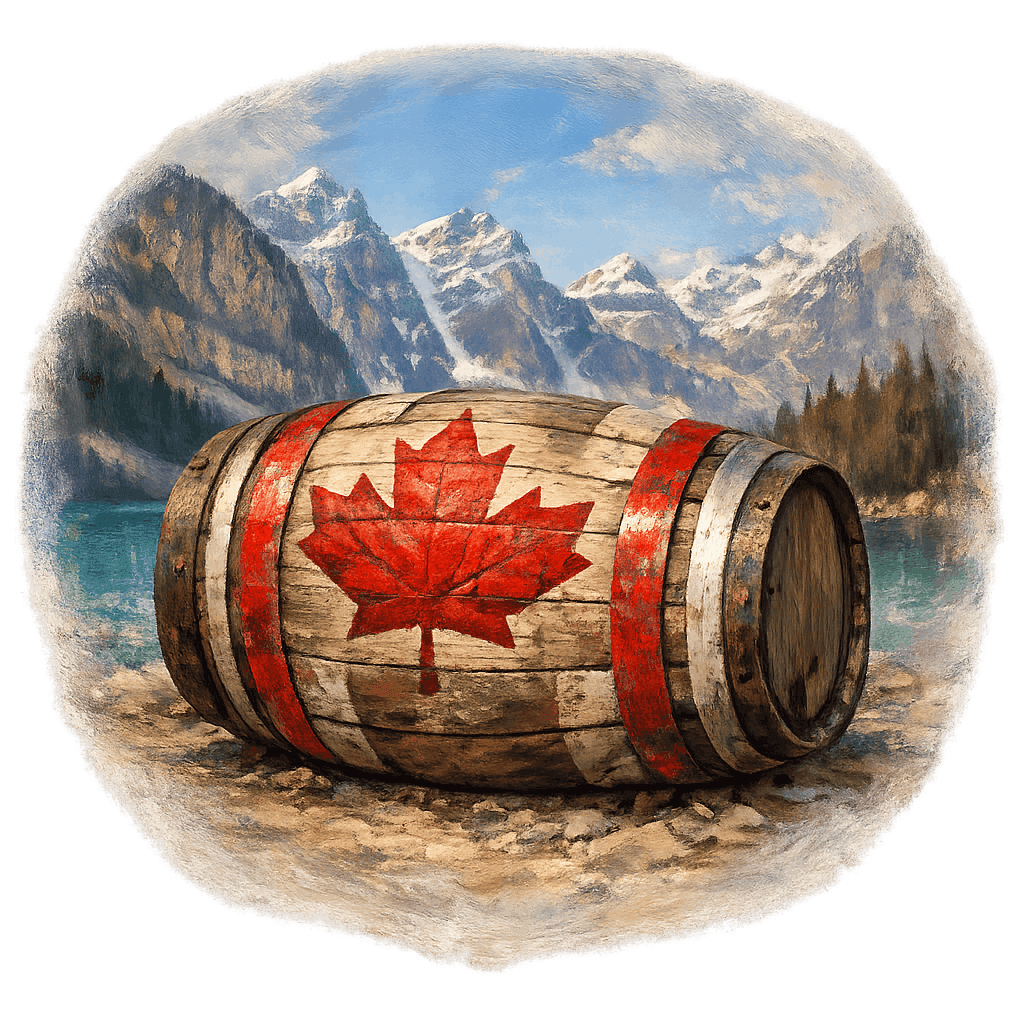
Stretching from the humid, limestone-rich soils of the east to the arid, desert-like valleys of the west, this nation punches well above its weight in quality. Production is small compared to global giants - around 7 million cases - but the focus is strictly on premium VQA standards. It is a tale of two main characters: the damp, Burgundy-aligned Niagara region and the sun-soaked, transparency-filled Okanagan Valley.
Stretching from the humid, limestone-rich soils of the east to the arid, desert-like valleys of the west, this nation punches well above its weight in quality. Production is small compared to global giants - around 7 million cases - but the focus is strictly on premium VQA standards. It is a tale of two main characters: the damp, Burgundy-aligned Niagara region and the sun-soaked, transparency-filled Okanagan Valley.
Stretching from the humid, limestone-rich soils of the east to the arid, desert-like valleys of the west, this nation punches well above its weight in quality. Production is small compared to global giants - around 7 million cases - but the focus is strictly on premium VQA standards. It is a tale of two main characters: the damp, Burgundy-aligned Niagara region and the sun-soaked, transparency-filled Okanagan Valley.
What they're proud of
World-Class Icewine
Electric Riesling
Cabernet Franc
Naturally, the conversation starts with liquid gold. They perfected the art of freezing grapes on the growth when others viewed it as a disaster, creating the world's most awarded sweet nectar. But beyond the sugar, they boast a fierce mastery of cool-climate varieties. You will find bone-dry, electric Riesling and world-class Cabernet Franc that prove they don't need heat to make bold, complex statements.
Naturally, the conversation starts with liquid gold. They perfected the art of freezing grapes on the growth when others viewed it as a disaster, creating the world's most awarded sweet nectar. But beyond the sugar, they boast a fierce mastery of cool-climate varieties. You will find bone-dry, electric Riesling and world-class Cabernet Franc that prove they don't need heat to make bold, complex statements.
Naturally, the conversation starts with liquid gold. They perfected the art of freezing grapes on the growth when others viewed it as a disaster, creating the world's most awarded sweet nectar. But beyond the sugar, they boast a fierce mastery of cool-climate varieties. You will find bone-dry, electric Riesling and world-class Cabernet Franc that prove they don't need heat to make bold, complex statements.
WHAT'S TRENDING
Sparkling Boom
Fresh Reds
Low Intervention
Bubbles are absolutely exploding right now. The cool weather provides the perfect natural acidity for traditional-method sparkling wines that rival Champagne in tension and finesse. Furthermore, there is a massive shift toward fresh, low-intervention reds. Varieties like Gamay and Pinot Noir are being vinified with a lighter touch, embracing the 'glou-glou' movement and proving that lighter wines can still have serious soul.
Bubbles are absolutely exploding right now. The cool weather provides the perfect natural acidity for traditional-method sparkling wines that rival Champagne in tension and finesse. Furthermore, there is a massive shift toward fresh, low-intervention reds. Varieties like Gamay and Pinot Noir are being vinified with a lighter touch, embracing the 'glou-glou' movement and proving that lighter wines can still have serious soul.
Bubbles are absolutely exploding right now. The cool weather provides the perfect natural acidity for traditional-method sparkling wines that rival Champagne in tension and finesse. Furthermore, there is a massive shift toward fresh, low-intervention reds. Varieties like Gamay and Pinot Noir are being vinified with a lighter touch, embracing the 'glou-glou' movement and proving that lighter wines can still have serious soul.
LOCAL TALES
The Golden Gamble
The Golden Gamble
The Golden Gamble
In the 1970s, the idea of Canadian fine wine was a punchline. Local production was dominated by harsh, grape-jelly-tasting native vines. Enter Karl Kaiser and Donald Ziraldo of Inniskillin, who had a crazy notion to plant European vines in the freezing north. Their first attempt at Icewine in 1983 ended in heartbreak when hungry birds devoured the entire crop before harvest. Undeterred, they tried again. In 1991, they sent their 1989 vintage to Vinexpo in Bordeaux, the world’s most snobbish wine stage. To everyone’s shock, it won the Grand Prix d’Honneur. That single bottle silenced the critics and instantly put the entire country on the fine wine map.
In the 1970s, the idea of Canadian fine wine was a punchline. Local production was dominated by harsh, grape-jelly-tasting native vines. Enter Karl Kaiser and Donald Ziraldo of Inniskillin, who had a crazy notion to plant European vines in the freezing north. Their first attempt at Icewine in 1983 ended in heartbreak when hungry birds devoured the entire crop before harvest. Undeterred, they tried again. In 1991, they sent their 1989 vintage to Vinexpo in Bordeaux, the world’s most snobbish wine stage. To everyone’s shock, it won the Grand Prix d’Honneur. That single bottle silenced the critics and instantly put the entire country on the fine wine map.
The Prohibition Paradox
The Prohibition Paradox
The Prohibition Paradox
While the United States went completely dry in the 1920s, its northern neighbor took a more... polite approach to Prohibition. In Ontario, the law banned spirits but conveniently exempted the sale of local wine. Wineries exploded in number, churning out oceans of questionable booze to thirsty citizens. Since it was legal to buy, wineries sold massive jugs directly to households. It was a chaotic era where quantity reigned supreme, and it took decades to recover from the hangover of bad hybrids that this loophole encouraged.
While the United States went completely dry in the 1920s, its northern neighbor took a more... polite approach to Prohibition. In Ontario, the law banned spirits but conveniently exempted the sale of local wine. Wineries exploded in number, churning out oceans of questionable booze to thirsty citizens. Since it was legal to buy, wineries sold massive jugs directly to households. It was a chaotic era where quantity reigned supreme, and it took decades to recover from the hangover of bad hybrids that this loophole encouraged.
Desert of the North
Desert of the North
Desert of the North
Most visitors arrive in British Columbia expecting ski slopes and pine trees, so the shock is palpable when they land in the Okanagan Valley. Here, you are greeted by shrub-steppe desert, cactus, and yes, actual rattlesnakes. It is the northern tip of the Great Basin shrub-steppe, creating a bizarre climatic paradox. You have scorching days reaching 40°C that ripen big reds like Syrah and Merlot, followed by freezing nights that lock in acidity. It’s one of the only places on Earth where you can ski in the morning and taste a sun-baked, full-bodied red in the afternoon, all within a focused 100-mile stretch.
Most visitors arrive in British Columbia expecting ski slopes and pine trees, so the shock is palpable when they land in the Okanagan Valley. Here, you are greeted by shrub-steppe desert, cactus, and yes, actual rattlesnakes. It is the northern tip of the Great Basin shrub-steppe, creating a bizarre climatic paradox. You have scorching days reaching 40°C that ripen big reds like Syrah and Merlot, followed by freezing nights that lock in acidity. It’s one of the only places on Earth where you can ski in the morning and taste a sun-baked, full-bodied red in the afternoon, all within a focused 100-mile stretch.
REGIONS

Niagara Peninsula, ON
Think of this place as nature's refrigerator where magic happens. It isn't just about shivering tourists looking at a waterfall - it is a serious hub for cool-climate masterpieces that balance razor-sharp acidity with intense fruit flavors.
Think of this place as nature's refrigerator where magic happens. It isn't just about shivering tourists looking at a waterfall - it is a serious hub for cool-climate masterpieces that balance razor-sharp acidity with intense fruit flavors.
Okanagan Valley, BC
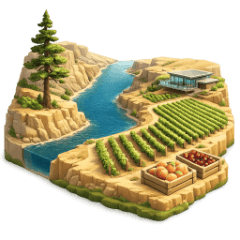
Imagine a place where bears eat peaches and rattlesnakes sunbathe next to Pinot Noir. This stunning stretch of British Columbia is a climatic paradox that proves Canada isn't just one giant igloo, delivering serious sun-drenched wines.
Imagine a place where bears eat peaches and rattlesnakes sunbathe next to Pinot Noir. This stunning stretch of British Columbia is a climatic paradox that proves Canada isn't just one giant igloo, delivering serious sun-drenched wines.
WINE STYLES
Niagara Icewine
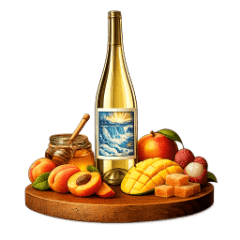
Imagine grapes left to freeze on the vine until they turn into marbles of concentrated sugar. This Canadian specialty delivers an explosion of tropical fruit and honey that balances perfectly with zippy acidity, preventing it from being cloying.
Imagine grapes left to freeze on the vine until they turn into marbles of concentrated sugar. This Canadian specialty delivers an explosion of tropical fruit and honey that balances perfectly with zippy acidity, preventing it from being cloying.
Imagine grapes left to freeze on the vine until they turn into marbles of concentrated sugar. This Canadian specialty delivers an explosion of tropical fruit and honey that balances perfectly with zippy acidity, preventing it from being cloying.
Niagara Riesling
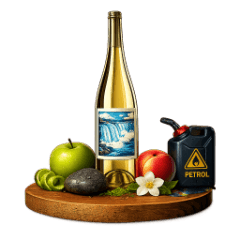
Niagara Riesling is like biting into a crisp Granny Smith apple while standing in a snowstorm. It is piercingly fresh, incredibly vibrant, and packs a mineral punch that wakes up your entire palate instantly.
Niagara Riesling is like biting into a crisp Granny Smith apple while standing in a snowstorm. It is piercingly fresh, incredibly vibrant, and packs a mineral punch that wakes up your entire palate instantly.
Niagara Riesling is like biting into a crisp Granny Smith apple while standing in a snowstorm. It is piercingly fresh, incredibly vibrant, and packs a mineral punch that wakes up your entire palate instantly.
LATEST REVIEWS