«
Romania

Oltenia
Oltenia
Oltenia
Rustic Southern Charm
Tucked between the Southern Carpathians and the Danube, this area delivers bold flavors without the pretense. It is where ancient traditions meet blazing heat to create wines that feel like a warm hug from a Romanian grandmother.
Tucked between the Southern Carpathians and the Danube, this area delivers bold flavors without the pretense. It is where ancient traditions meet blazing heat to create wines that feel like a warm hug from a Romanian grandmother.
Tucked between the Southern Carpathians and the Danube, this area delivers bold flavors without the pretense. It is where ancient traditions meet blazing heat to create wines that feel like a warm hug from a Romanian grandmother.





Why it's unique
Indigenous heroes
Rare DNA
Spicy profiles
Forget everything you know about standard international reds. Here, local champions like Negru de Drăgășani and Novac rule the roost. It is a sanctuary for rare DNA that refuses to taste like generic supermarket juice, offering spicy, earthy, and peppery profiles that you literally cannot find anywhere else on the planet. The region combines a wild, untamed spirit with a history of aristocratic winemaking that is finally waking up again.
Forget everything you know about standard international reds. Here, local champions like Negru de Drăgășani and Novac rule the roost. It is a sanctuary for rare DNA that refuses to taste like generic supermarket juice, offering spicy, earthy, and peppery profiles that you literally cannot find anywhere else on the planet. The region combines a wild, untamed spirit with a history of aristocratic winemaking that is finally waking up again.
Forget everything you know about standard international reds. Here, local champions like Negru de Drăgășani and Novac rule the roost. It is a sanctuary for rare DNA that refuses to taste like generic supermarket juice, offering spicy, earthy, and peppery profiles that you literally cannot find anywhere else on the planet. The region combines a wild, untamed spirit with a history of aristocratic winemaking that is finally waking up again.
Terroir
Diverse playground
River breezes
Structural backbone
Rolling hills near the mountains and flat, sandy plains closer to the Danube create a diverse playground for roots to explore. Summers bake the fruit to perfection while cool river breezes from the Olt keep acidity fresh, ensuring the final glass isn't just fruit jam but actually has some serious structural backbone. The mix of clay, limestone, and sand allows for both powerful reds and surprisingly zesty whites.
Rolling hills near the mountains and flat, sandy plains closer to the Danube create a diverse playground for roots to explore. Summers bake the fruit to perfection while cool river breezes from the Olt keep acidity fresh, ensuring the final glass isn't just fruit jam but actually has some serious structural backbone. The mix of clay, limestone, and sand allows for both powerful reds and surprisingly zesty whites.
Rolling hills near the mountains and flat, sandy plains closer to the Danube create a diverse playground for roots to explore. Summers bake the fruit to perfection while cool river breezes from the Olt keep acidity fresh, ensuring the final glass isn't just fruit jam but actually has some serious structural backbone. The mix of clay, limestone, and sand allows for both powerful reds and surprisingly zesty whites.
You gotta try
Spicy reds
Crisp refreshing
Local legends
Do yourself a favor and hunt down a bottle of Negru de Drăgășani immediately. It’s a velvety, deep-purple stunner, bursting with black cherry, violet, and a peppery kick. If you prefer white, Crâmpoșie Selecționată offers crisp, green apple vibes that pair perfectly with a hot summer afternoon and a plate of salty cheese. These bottles are conversation starters that knock the socks off unsuspecting dinner guests.
Do yourself a favor and hunt down a bottle of Negru de Drăgășani immediately. It’s a velvety, deep-purple stunner, bursting with black cherry, violet, and a peppery kick. If you prefer white, Crâmpoșie Selecționată offers crisp, green apple vibes that pair perfectly with a hot summer afternoon and a plate of salty cheese. These bottles are conversation starters that knock the socks off unsuspecting dinner guests.
Do yourself a favor and hunt down a bottle of Negru de Drăgășani immediately. It’s a velvety, deep-purple stunner, bursting with black cherry, violet, and a peppery kick. If you prefer white, Crâmpoșie Selecționată offers crisp, green apple vibes that pair perfectly with a hot summer afternoon and a plate of salty cheese. These bottles are conversation starters that knock the socks off unsuspecting dinner guests.
LOCAL TALES
The Princess Returns
The Princess Returns
The Princess Returns
In the communist era, great estates were seized and turned into mass-production factories, but the Stirbey family history didn't die. Baroness Ileana Kripp-Costinescu returned to Drăgășani years later to reclaim her legacy. She didn't just want the land back, she wanted to restore the soul of the region. Reviving old clones and focusing on local stars, she proved that nobility here isn't just about titles, but about the soil. It is a classic Count of Monte Cristo moment, but with fewer swords and much better beverages. Today, her winery stands as a beacon of quality, proving that heritage matters and that sometimes, you really can go home again.
In the communist era, great estates were seized and turned into mass-production factories, but the Stirbey family history didn't die. Baroness Ileana Kripp-Costinescu returned to Drăgășani years later to reclaim her legacy. She didn't just want the land back, she wanted to restore the soul of the region. Reviving old clones and focusing on local stars, she proved that nobility here isn't just about titles, but about the soil. It is a classic Count of Monte Cristo moment, but with fewer swords and much better beverages. Today, her winery stands as a beacon of quality, proving that heritage matters and that sometimes, you really can go home again.
In the communist era, great estates were seized and turned into mass-production factories, but the Stirbey family history didn't die. Baroness Ileana Kripp-Costinescu returned to Drăgășani years later to reclaim her legacy. She didn't just want the land back, she wanted to restore the soul of the region. Reviving old clones and focusing on local stars, she proved that nobility here isn't just about titles, but about the soil. It is a classic Count of Monte Cristo moment, but with fewer swords and much better beverages. Today, her winery stands as a beacon of quality, proving that heritage matters and that sometimes, you really can go home again.
The Outlaw's Choice
The Outlaw's Choice
The Outlaw's Choice
Oltenia was once the land of Haiduks, the Romanian Robin Hoods who roamed the thick forests. The most famous, Iancu Jianu, wasn't just good with a pistol, he had excellent taste in fermentation. Legend says he would plan his raids on the wealthy boyars over mugs of local red, fueling his bravery and perhaps slightly impairing his aim. The locals loved him, hiding him in deep cellars where, presumably, he did quality control on the barrels. Drinking these wines today feels like a rebellious act, a toast to the wild spirits who refused to be tamed by empires, tax collectors, or boring beverage trends.
Oltenia was once the land of Haiduks, the Romanian Robin Hoods who roamed the thick forests. The most famous, Iancu Jianu, wasn't just good with a pistol, he had excellent taste in fermentation. Legend says he would plan his raids on the wealthy boyars over mugs of local red, fueling his bravery and perhaps slightly impairing his aim. The locals loved him, hiding him in deep cellars where, presumably, he did quality control on the barrels. Drinking these wines today feels like a rebellious act, a toast to the wild spirits who refused to be tamed by empires, tax collectors, or boring beverage trends.
Oltenia was once the land of Haiduks, the Romanian Robin Hoods who roamed the thick forests. The most famous, Iancu Jianu, wasn't just good with a pistol, he had excellent taste in fermentation. Legend says he would plan his raids on the wealthy boyars over mugs of local red, fueling his bravery and perhaps slightly impairing his aim. The locals loved him, hiding him in deep cellars where, presumably, he did quality control on the barrels. Drinking these wines today feels like a rebellious act, a toast to the wild spirits who refused to be tamed by empires, tax collectors, or boring beverage trends.
The Sandy Miracle
The Sandy Miracle
The Sandy Miracle
When the nasty phylloxera bug destroyed Europe's vineyards in the late 19th century, it hit hard everywhere, except for the deep south of this region. Down in the Dăbuleni area, something magical happened. The louse couldn't survive in the fine sand dunes. While famous French regions wept and replanted on American rootstocks, peasant farmers here kept pouring glasses from old, ungrafted vines. It is a geological superpower. Those sandy dunes, which look more like a beach than a vineyard, acted as a natural shield. It reminds us that sometimes, the humblest ground protects the most precious treasures, preserving ancient flavors that were wiped out everywhere else on the continent.
When the nasty phylloxera bug destroyed Europe's vineyards in the late 19th century, it hit hard everywhere, except for the deep south of this region. Down in the Dăbuleni area, something magical happened. The louse couldn't survive in the fine sand dunes. While famous French regions wept and replanted on American rootstocks, peasant farmers here kept pouring glasses from old, ungrafted vines. It is a geological superpower. Those sandy dunes, which look more like a beach than a vineyard, acted as a natural shield. It reminds us that sometimes, the humblest ground protects the most precious treasures, preserving ancient flavors that were wiped out everywhere else on the continent.
When the nasty phylloxera bug destroyed Europe's vineyards in the late 19th century, it hit hard everywhere, except for the deep south of this region. Down in the Dăbuleni area, something magical happened. The louse couldn't survive in the fine sand dunes. While famous French regions wept and replanted on American rootstocks, peasant farmers here kept pouring glasses from old, ungrafted vines. It is a geological superpower. Those sandy dunes, which look more like a beach than a vineyard, acted as a natural shield. It reminds us that sometimes, the humblest ground protects the most precious treasures, preserving ancient flavors that were wiped out everywhere else on the continent.
LOCAL WINE STYLES
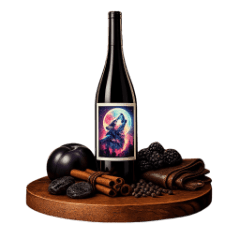
Romanian Feteasca Neagra
Imagine biting into a ripe plum while sitting in a worn leather armchair. This red offers a deep, textured experience that balances savory spice with lush black fruit, making it Romania's proudest ambassador in the glass.
Imagine biting into a ripe plum while sitting in a worn leather armchair. This red offers a deep, textured experience that balances savory spice with lush black fruit, making it Romania's proudest ambassador in the glass.
Imagine biting into a ripe plum while sitting in a worn leather armchair. This red offers a deep, textured experience that balances savory spice with lush black fruit, making it Romania's proudest ambassador in the glass.
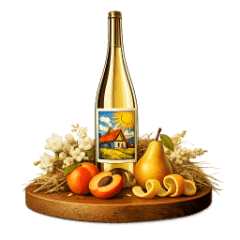
Romanian Feteasca Alba
Gentle and unassuming, this white offers a delicate touch rather than a punch. Feteasca Alba delivers waves of blossoming acacia and ripe orchard fruit, creating a texture that feels like silk sliding over your tongue.
Gentle and unassuming, this white offers a delicate touch rather than a punch. Feteasca Alba delivers waves of blossoming acacia and ripe orchard fruit, creating a texture that feels like silk sliding over your tongue.
Gentle and unassuming, this white offers a delicate touch rather than a punch. Feteasca Alba delivers waves of blossoming acacia and ripe orchard fruit, creating a texture that feels like silk sliding over your tongue.
LATEST REVIEWS