«
Japan
Nagano
Nagano
Nagano
Roof Of Japan
Scaling heights is the name of the game here. While neighbors go low, this prefecture climbs high into the Japanese Alps to produce wines that are as crisp as the mountain air and sharp as a ski jumper.
Scaling heights is the name of the game here. While neighbors go low, this prefecture climbs high into the Japanese Alps to produce wines that are as crisp as the mountain air and sharp as a ski jumper.
Scaling heights is the name of the game here. While neighbors go low, this prefecture climbs high into the Japanese Alps to produce wines that are as crisp as the mountain air and sharp as a ski jumper.




Why it's unique
Little Bordeaux
Merlot King
European Obsession
Everyone usually thinks of Koshu when talking Japanese wine, but this spot is essentially Little Bordeaux tucked into Asia. Famous for the Kikyogahara Wine Valley, it has established itself as the undisputed king of Merlot in Japan. Growers here are obsessed with European grapes, proving they can stand toe-to-toe with the big French names while keeping a distinct, elegant Japanese soul.
Everyone usually thinks of Koshu when talking Japanese wine, but this spot is essentially Little Bordeaux tucked into Asia. Famous for the Kikyogahara Wine Valley, it has established itself as the undisputed king of Merlot in Japan. Growers here are obsessed with European grapes, proving they can stand toe-to-toe with the big French names while keeping a distinct, elegant Japanese soul.
Everyone usually thinks of Koshu when talking Japanese wine, but this spot is essentially Little Bordeaux tucked into Asia. Famous for the Kikyogahara Wine Valley, it has established itself as the undisputed king of Merlot in Japan. Growers here are obsessed with European grapes, proving they can stand toe-to-toe with the big French names while keeping a distinct, elegant Japanese soul.
Terroir
Rain Shadow
High Elevation
Rocky Soils
Elevation dictates everything in these vineyards. Being surrounded by 3,000-meter peaks creates a massive rain shadow effect, meaning vines stay drier than in other humid parts of Japan. Cold nights lock in acidity while sunny days ripen sugars, creating a textbook continental climate. Soils are rocky and free-draining, forcing roots to dig deep for nutrients rather than getting lazy on the surface.
Elevation dictates everything in these vineyards. Being surrounded by 3,000-meter peaks creates a massive rain shadow effect, meaning vines stay drier than in other humid parts of Japan. Cold nights lock in acidity while sunny days ripen sugars, creating a textbook continental climate. Soils are rocky and free-draining, forcing roots to dig deep for nutrients rather than getting lazy on the surface.
Elevation dictates everything in these vineyards. Being surrounded by 3,000-meter peaks creates a massive rain shadow effect, meaning vines stay drier than in other humid parts of Japan. Cold nights lock in acidity while sunny days ripen sugars, creating a textbook continental climate. Soils are rocky and free-draining, forcing roots to dig deep for nutrients rather than getting lazy on the surface.
You gotta try
Shiojiri Merlot
Tropical Chardonnay
Crisp Ryugan
You absolutely must taste the Merlot from the Shiojiri area - it is sleek, savory, and surprisingly complex. For white wine fans, Chardonnay here gets plenty of tropical fruit notes without losing tension. If you want something truly indigenous, hunt down Ryugan. It is crisp, light, and pairs perfectly with sashimi when you need a break from the heavier international styles.
You absolutely must taste the Merlot from the Shiojiri area - it is sleek, savory, and surprisingly complex. For white wine fans, Chardonnay here gets plenty of tropical fruit notes without losing tension. If you want something truly indigenous, hunt down Ryugan. It is crisp, light, and pairs perfectly with sashimi when you need a break from the heavier international styles.
You absolutely must taste the Merlot from the Shiojiri area - it is sleek, savory, and surprisingly complex. For white wine fans, Chardonnay here gets plenty of tropical fruit notes without losing tension. If you want something truly indigenous, hunt down Ryugan. It is crisp, light, and pairs perfectly with sashimi when you need a break from the heavier international styles.
LOCAL TALES
The Frozen Merlot Miracle
The Frozen Merlot Miracle
The Frozen Merlot Miracle
Back in the day, farmers in the Kikyogahara plain were struggling. They planted concord and other American hybrids just to get by, selling juice rather than fine wine. But a few stubborn pioneers, specifically at Mercian, decided that Merlot had potential despite the brutal winters. It was not smooth sailing - vines frequently froze to death, and critics laughed at the idea of serious red wine here. But in 1989, a Nagano Merlot won a grand gold medal in a major European competition, shocking the entire industry. Suddenly, nobody was laughing. The region went from a juice factory to a world-class terroir overnight, proving that suffering vines really do make the best wine.
Back in the day, farmers in the Kikyogahara plain were struggling. They planted concord and other American hybrids just to get by, selling juice rather than fine wine. But a few stubborn pioneers, specifically at Mercian, decided that Merlot had potential despite the brutal winters. It was not smooth sailing - vines frequently froze to death, and critics laughed at the idea of serious red wine here. But in 1989, a Nagano Merlot won a grand gold medal in a major European competition, shocking the entire industry. Suddenly, nobody was laughing. The region went from a juice factory to a world-class terroir overnight, proving that suffering vines really do make the best wine.
Back in the day, farmers in the Kikyogahara plain were struggling. They planted concord and other American hybrids just to get by, selling juice rather than fine wine. But a few stubborn pioneers, specifically at Mercian, decided that Merlot had potential despite the brutal winters. It was not smooth sailing - vines frequently froze to death, and critics laughed at the idea of serious red wine here. But in 1989, a Nagano Merlot won a grand gold medal in a major European competition, shocking the entire industry. Suddenly, nobody was laughing. The region went from a juice factory to a world-class terroir overnight, proving that suffering vines really do make the best wine.
From Apples To Alcohol
From Apples To Alcohol
From Apples To Alcohol
If you drive through the Chikumagawa Wine Valley, you might notice something odd. Many trellises look suspiciously like they were designed for apples, not grapes. That is because Nagano is actually a massive apple powerhouse. As the demand for premium wine skyrocketed, many farmers realized that fermenting fruit was more profitable than just selling it in a crate. They swapped their Fujis for Chardonnay and Pinot Noir. This agricultural pivot was not easy, but the existing knowledge of fruit cultivation helped immensely. These farmers already knew how to pamper plants to get the perfect sugar balance, so the transition from crunching apples to crushing grapes was surprisingly natural.
If you drive through the Chikumagawa Wine Valley, you might notice something odd. Many trellises look suspiciously like they were designed for apples, not grapes. That is because Nagano is actually a massive apple powerhouse. As the demand for premium wine skyrocketed, many farmers realized that fermenting fruit was more profitable than just selling it in a crate. They swapped their Fujis for Chardonnay and Pinot Noir. This agricultural pivot was not easy, but the existing knowledge of fruit cultivation helped immensely. These farmers already knew how to pamper plants to get the perfect sugar balance, so the transition from crunching apples to crushing grapes was surprisingly natural.
If you drive through the Chikumagawa Wine Valley, you might notice something odd. Many trellises look suspiciously like they were designed for apples, not grapes. That is because Nagano is actually a massive apple powerhouse. As the demand for premium wine skyrocketed, many farmers realized that fermenting fruit was more profitable than just selling it in a crate. They swapped their Fujis for Chardonnay and Pinot Noir. This agricultural pivot was not easy, but the existing knowledge of fruit cultivation helped immensely. These farmers already knew how to pamper plants to get the perfect sugar balance, so the transition from crunching apples to crushing grapes was surprisingly natural.
The Valley Branding Mastermind
The Valley Branding Mastermind
The Valley Branding Mastermind
Most regions grow organically, but Nagano decided to engineer its success with military precision. The local government launched the Shinshu Wine Valley plan to designate specific zones like Chikumagawa, Kikyogahara, Nihon Alps, and Tenryugawa. It sounds like a marketing gimmick, but it actually revolutionized the local industry. By clustering wineries together, they created distinct tourism routes that attract city slickers from Tokyo. Before this, wineries were lonely outposts in the mountains. Now, it is a coordinated ecosystem where growers share equipment, knowledge, and even gossip. It turned a scattered collection of farmers into a powerhouse region that rivals any structured appellation system in Europe.
Most regions grow organically, but Nagano decided to engineer its success with military precision. The local government launched the Shinshu Wine Valley plan to designate specific zones like Chikumagawa, Kikyogahara, Nihon Alps, and Tenryugawa. It sounds like a marketing gimmick, but it actually revolutionized the local industry. By clustering wineries together, they created distinct tourism routes that attract city slickers from Tokyo. Before this, wineries were lonely outposts in the mountains. Now, it is a coordinated ecosystem where growers share equipment, knowledge, and even gossip. It turned a scattered collection of farmers into a powerhouse region that rivals any structured appellation system in Europe.
Most regions grow organically, but Nagano decided to engineer its success with military precision. The local government launched the Shinshu Wine Valley plan to designate specific zones like Chikumagawa, Kikyogahara, Nihon Alps, and Tenryugawa. It sounds like a marketing gimmick, but it actually revolutionized the local industry. By clustering wineries together, they created distinct tourism routes that attract city slickers from Tokyo. Before this, wineries were lonely outposts in the mountains. Now, it is a coordinated ecosystem where growers share equipment, knowledge, and even gossip. It turned a scattered collection of farmers into a powerhouse region that rivals any structured appellation system in Europe.
LOCAL WINE STYLES
Nagano Merlot
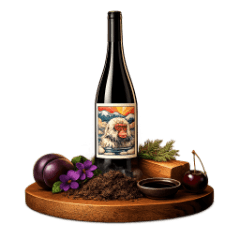
High-altitude farming meets meticulous Japanese craftsmanship here. You get a red that trades aggression for elegance, offering a smooth texture that feels like slipping into a warm bath after a long hike in the mountains.
High-altitude farming meets meticulous Japanese craftsmanship here. You get a red that trades aggression for elegance, offering a smooth texture that feels like slipping into a warm bath after a long hike in the mountains.
High-altitude farming meets meticulous Japanese craftsmanship here. You get a red that trades aggression for elegance, offering a smooth texture that feels like slipping into a warm bath after a long hike in the mountains.
Japanese Muscat Bailey A
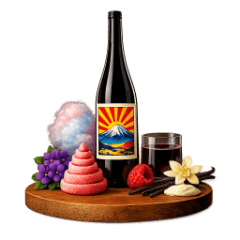
Think of a fruit stand exploding in your mouth. This hybrid delivers an intense burst of candied strawberries and sweet floral notes that feel like chewing bubblegum while walking through a Kyoto garden during cherry blossom season.
Think of a fruit stand exploding in your mouth. This hybrid delivers an intense burst of candied strawberries and sweet floral notes that feel like chewing bubblegum while walking through a Kyoto garden during cherry blossom season.
Think of a fruit stand exploding in your mouth. This hybrid delivers an intense burst of candied strawberries and sweet floral notes that feel like chewing bubblegum while walking through a Kyoto garden during cherry blossom season.
LATEST REVIEWS