«
BROWSE ALL
Japan
Japan

It's not just sake anymore - this archipelago is crafting some of the most delicate, precision-engineered bottles on the planet. It is a masterclass in overcoming humidity with obsessive care to create wines that whisper rather than shout.
It's not just sake anymore - this archipelago is crafting some of the most delicate, precision-engineered bottles on the planet. It is a masterclass in overcoming humidity with obsessive care to create wines that whisper rather than shout.
It's not just sake anymore - this archipelago is crafting some of the most delicate, precision-engineered bottles on the planet. It is a masterclass in overcoming humidity with obsessive care to create wines that whisper rather than shout.
What it's about
Meticulous farming
monsoon rains
Small-scale
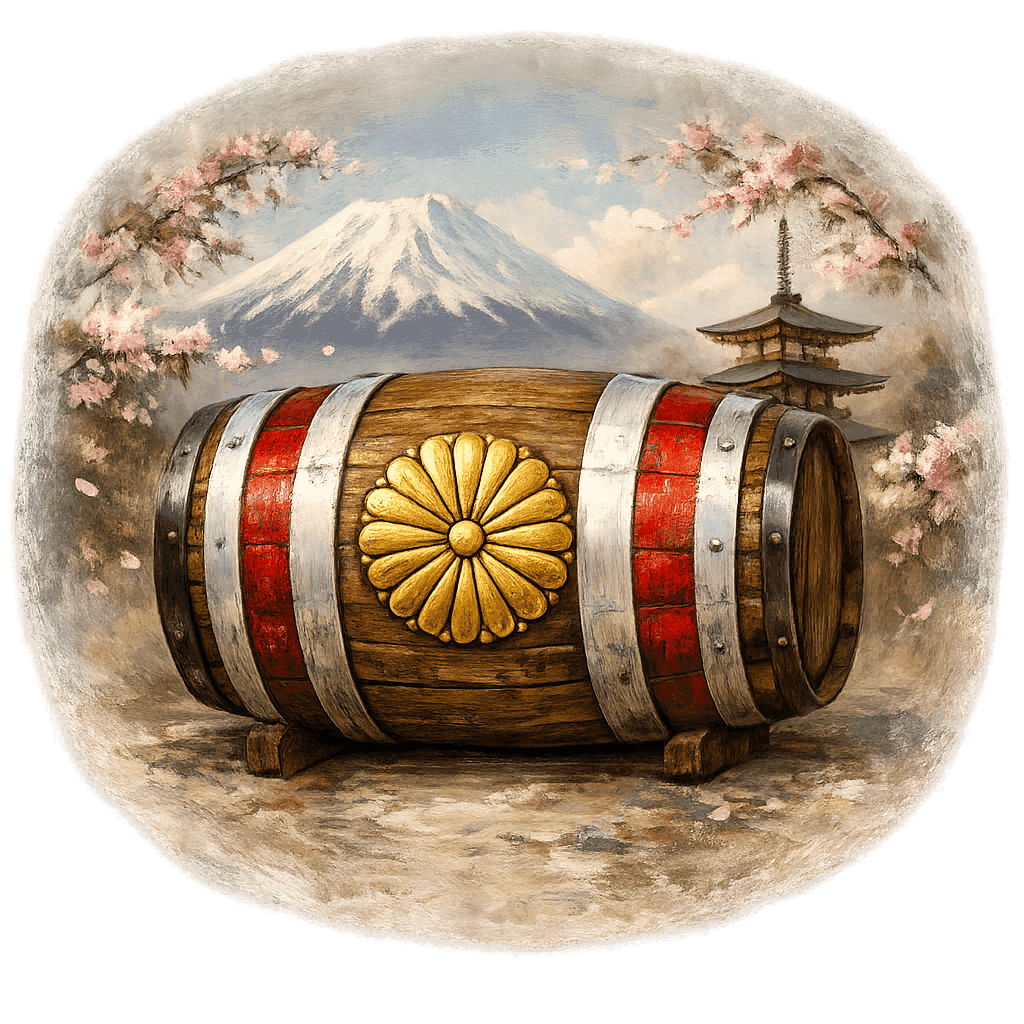
Picture a wine scene that operates with the discipline of a tea ceremony. For years, the market was flooded with 'domestic' bottles actually blended from imported bulk juice, but a strict 2018 law created the authentic 'Japan Wine' category. The industry is small, expensive, and centered largely in Yamanashi, where growers battle monsoon rains by treating every single cluster of fruit like a fragile, prize-winning bonsai tree.
Picture a wine scene that operates with the discipline of a tea ceremony. For years, the market was flooded with 'domestic' bottles actually blended from imported bulk juice, but a strict 2018 law created the authentic 'Japan Wine' category. The industry is small, expensive, and centered largely in Yamanashi, where growers battle monsoon rains by treating every single cluster of fruit like a fragile, prize-winning bonsai tree.
Picture a wine scene that operates with the discipline of a tea ceremony. For years, the market was flooded with 'domestic' bottles actually blended from imported bulk juice, but a strict 2018 law created the authentic 'Japan Wine' category. The industry is small, expensive, and centered largely in Yamanashi, where growers battle monsoon rains by treating every single cluster of fruit like a fragile, prize-winning bonsai tree.
What they're proud of
Indigenous koshu
fun red hybrid
japanese culture
Locals have successfully tamed Koshu, a pink-skinned indigenous survivor that defies the wet climate with its thick skin. Instead of replacing it with international superstars, they refined it into a crisp, yuzu-scented white that is basically the holy grail for sashimi pairings. They are also unapologetically fond of Muscat Bailey A, a funky hybrid created here that smells like strawberry candy and tastes like pure nostalgia.
Locals have successfully tamed Koshu, a pink-skinned indigenous survivor that defies the wet climate with its thick skin. Instead of replacing it with international superstars, they refined it into a crisp, yuzu-scented white that is basically the holy grail for sashimi pairings. They are also unapologetically fond of Muscat Bailey A, a funky hybrid created here that smells like strawberry candy and tastes like pure nostalgia.
Locals have successfully tamed Koshu, a pink-skinned indigenous survivor that defies the wet climate with its thick skin. Instead of replacing it with international superstars, they refined it into a crisp, yuzu-scented white that is basically the holy grail for sashimi pairings. They are also unapologetically fond of Muscat Bailey A, a funky hybrid created here that smells like strawberry candy and tastes like pure nostalgia.
WHAT'S TRENDING
Hokkaido
Natural wine
Orange koshu
Hokkaido is the new cool-kid frontier. The northern island offers a chilly climate similar to Alsace or Germany, attracting a wave of natural winemakers and Pinot Noir obsessives who want to escape the humidity of the south. Orange wines are also exploding, as producers realize Koshu’s thick, bitter skins are actually perfect for long maceration, creating textured, savory pours that hipsters in Tokyo can't get enough of.
Hokkaido is the new cool-kid frontier. The northern island offers a chilly climate similar to Alsace or Germany, attracting a wave of natural winemakers and Pinot Noir obsessives who want to escape the humidity of the south. Orange wines are also exploding, as producers realize Koshu’s thick, bitter skins are actually perfect for long maceration, creating textured, savory pours that hipsters in Tokyo can't get enough of.
Hokkaido is the new cool-kid frontier. The northern island offers a chilly climate similar to Alsace or Germany, attracting a wave of natural winemakers and Pinot Noir obsessives who want to escape the humidity of the south. Orange wines are also exploding, as producers realize Koshu’s thick, bitter skins are actually perfect for long maceration, creating textured, savory pours that hipsters in Tokyo can't get enough of.
LOCAL TALES
The Samurai Sommelier Mission
The Samurai Sommelier Mission
The Samurai Sommelier Mission
Back in 1877, during the Meiji Restoration, the government decided they needed to be good at everything the West did, including booze. They sent two young guys, Masanari Takano and Ryuken Tsuchiya, all the way to France to learn the dark arts of viticulture. They returned to Yamanashi with heads full of knowledge and suitcases full of vines, launching the country's first proper winery. There was just one snag: the locals hated the sour, dry taste of authentic French-style wine. To save the industry, producers started adding honey and sweeteners, creating a sweet, grape-juice style that dominated for decades until modern dry tastes finally caught up.
Back in 1877, during the Meiji Restoration, the government decided they needed to be good at everything the West did, including booze. They sent two young guys, Masanari Takano and Ryuken Tsuchiya, all the way to France to learn the dark arts of viticulture. They returned to Yamanashi with heads full of knowledge and suitcases full of vines, launching the country's first proper winery. There was just one snag: the locals hated the sour, dry taste of authentic French-style wine. To save the industry, producers started adding honey and sweeteners, creating a sweet, grape-juice style that dominated for decades until modern dry tastes finally caught up.
Hats for Grapes
Hats for Grapes
Hats for Grapes
If you walk through a vineyard in Yamanashi, you might think the vines are attending a garden party. Millions of bunches are wearing tiny little white wax-paper hats. This isn't a fashion statement, it's a desperate war against rain. Koshu, the star local variety, has thick skins, but the relentless humidity of the growing season is a fungal nightmare. To prevent rot, obsessive farmers manually staple these little umbrellas over every individual bunch. It is a labor-intensive madness that would make a French vigneron faint, but it is the only reason you get that pristine, clean acidity in your glass instead of mildew soup.
If you walk through a vineyard in Yamanashi, you might think the vines are attending a garden party. Millions of bunches are wearing tiny little white wax-paper hats. This isn't a fashion statement, it's a desperate war against rain. Koshu, the star local variety, has thick skins, but the relentless humidity of the growing season is a fungal nightmare. To prevent rot, obsessive farmers manually staple these little umbrellas over every individual bunch. It is a labor-intensive madness that would make a French vigneron faint, but it is the only reason you get that pristine, clean acidity in your glass instead of mildew soup.
The Truth in Labeling
The Truth in Labeling
The Truth in Labeling
For the longest time, buying 'Japanese' wine was a game of Russian Roulette. You could legally import a tanker of cheap grape juice from South America, ferment it in Tokyo, and slap a 'Made in Japan' sticker on the bottle. It was a loophole the size of Mount Fuji. Authentic producers were furious. Finally, in 2018, the government cracked down with new labeling laws. Now, the term 'Japan Wine' is legally protected and restricted to bottles made 100% from domestic grapes. Everything else was demoted to 'Domestically Produced,' forcing the imposters to admit their origins. It was a quiet revolution that finally gave the real artisans the respect they deserved.
For the longest time, buying 'Japanese' wine was a game of Russian Roulette. You could legally import a tanker of cheap grape juice from South America, ferment it in Tokyo, and slap a 'Made in Japan' sticker on the bottle. It was a loophole the size of Mount Fuji. Authentic producers were furious. Finally, in 2018, the government cracked down with new labeling laws. Now, the term 'Japan Wine' is legally protected and restricted to bottles made 100% from domestic grapes. Everything else was demoted to 'Domestically Produced,' forcing the imposters to admit their origins. It was a quiet revolution that finally gave the real artisans the respect they deserved.
REGIONS

Yamanashi
Welcome to the spiritual home of Japanese viticulture, where vineyards gaze up at an iconic snowy peak. It is less about sake here and more about delicate, food-friendly whites that handle sushi like a pro.
Welcome to the spiritual home of Japanese viticulture, where vineyards gaze up at an iconic snowy peak. It is less about sake here and more about delicate, food-friendly whites that handle sushi like a pro.

Nagano
Scaling heights is the name of the game here. While neighbors go low, this prefecture climbs high into the Japanese Alps to produce wines that are as crisp as the mountain air and sharp as a ski jumper.
Scaling heights is the name of the game here. While neighbors go low, this prefecture climbs high into the Japanese Alps to produce wines that are as crisp as the mountain air and sharp as a ski jumper.
WINE STYLES
Yamanashi Koshu
Think of this as the sushi of the wine world: clean, minimalist, and incredibly fresh. Koshu delivers a delicate whisper of flavor rather than a shout, perfectly capturing the elegant simplicity of Japanese aesthetics.
Think of this as the sushi of the wine world: clean, minimalist, and incredibly fresh. Koshu delivers a delicate whisper of flavor rather than a shout, perfectly capturing the elegant simplicity of Japanese aesthetics.
Think of this as the sushi of the wine world: clean, minimalist, and incredibly fresh. Koshu delivers a delicate whisper of flavor rather than a shout, perfectly capturing the elegant simplicity of Japanese aesthetics.
Yamanashi Muscat Bailey A
Imagine biting into a fresh strawberry while walking through a carnival. This Japanese creation delivers a burst of bright red fruit and a distinctly sugary nose, yet tastes dry on the palate. It is playful and confusingly delicious.
Imagine biting into a fresh strawberry while walking through a carnival. This Japanese creation delivers a burst of bright red fruit and a distinctly sugary nose, yet tastes dry on the palate. It is playful and confusingly delicious.
Imagine biting into a fresh strawberry while walking through a carnival. This Japanese creation delivers a burst of bright red fruit and a distinctly sugary nose, yet tastes dry on the palate. It is playful and confusingly delicious.
LATEST REVIEWS