«
Argentina

La Rioja
La Rioja
La Rioja
Argentina's Oldest Cellar
While Mendoza usually hogs the spotlight, this northern powerhouse has been crushing vintages long before it was cool. It brings a rustic, sun-baked charm to the table that feels less like a corporate boardroom and more like a family reunion.
While Mendoza usually hogs the spotlight, this northern powerhouse has been crushing vintages long before it was cool. It brings a rustic, sun-baked charm to the table that feels less like a corporate boardroom and more like a family reunion.
While Mendoza usually hogs the spotlight, this northern powerhouse has been crushing vintages long before it was cool. It brings a rustic, sun-baked charm to the table that feels less like a corporate boardroom and more like a family reunion.



Why it's unique
Historical roots
Cooperative spirit
Torrontés kingdom
Everyone assumes the wine scene started further south, but La Rioja is actually one of the historic pioneers of Argentine viticulture. It is the spiritual home of the aromatic Torrontés Riojano, a native variety that reigns supreme here. Additionally, the region is defined by a massive cooperative spirit - literally. The local community bands together to produce fair-trade wines that support schools and hospitals, making every sip feel surprisingly virtuous.
Everyone assumes the wine scene started further south, but La Rioja is actually one of the historic pioneers of Argentine viticulture. It is the spiritual home of the aromatic Torrontés Riojano, a native variety that reigns supreme here. Additionally, the region is defined by a massive cooperative spirit - literally. The local community bands together to produce fair-trade wines that support schools and hospitals, making every sip feel surprisingly virtuous.
Everyone assumes the wine scene started further south, but La Rioja is actually one of the historic pioneers of Argentine viticulture. It is the spiritual home of the aromatic Torrontés Riojano, a native variety that reigns supreme here. Additionally, the region is defined by a massive cooperative spirit - literally. The local community bands together to produce fair-trade wines that support schools and hospitals, making every sip feel surprisingly virtuous.
Terroir
Desert heat
Sandy soils
High altitude
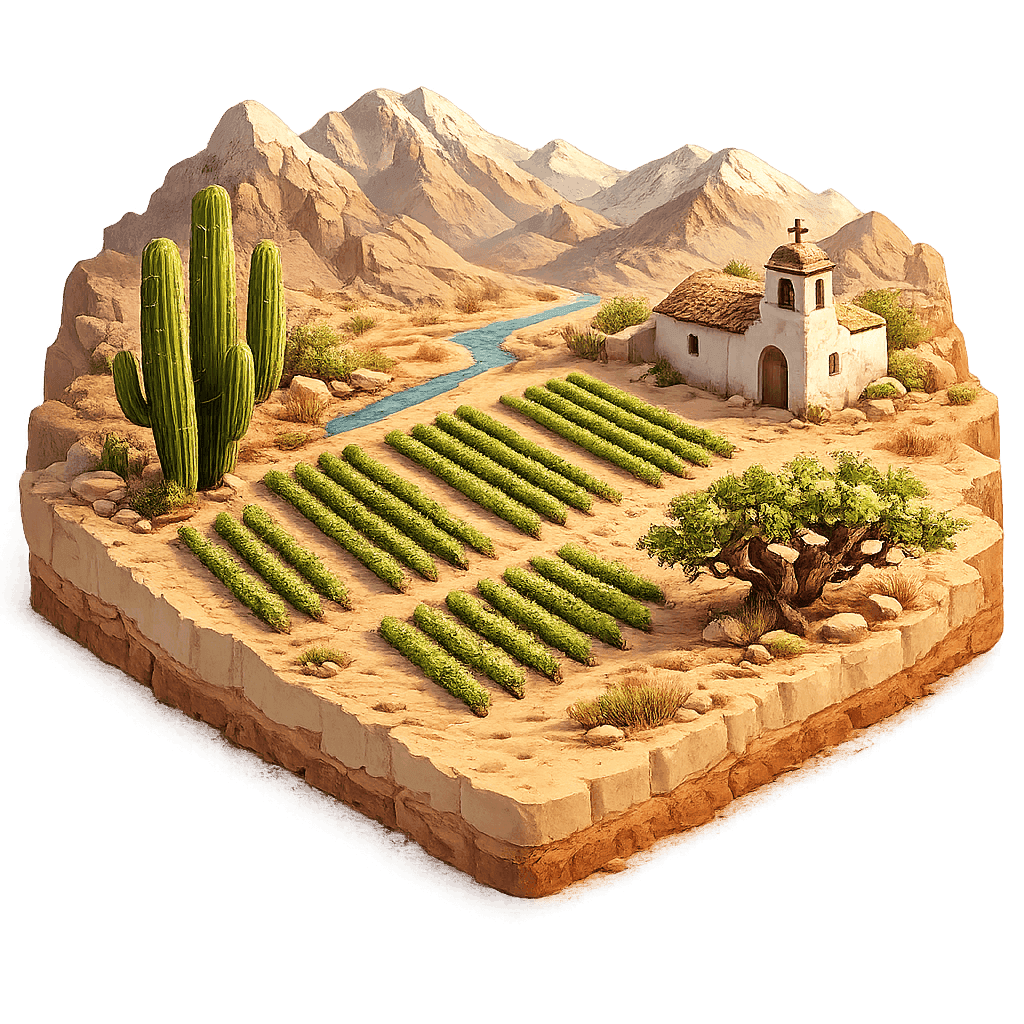
Located in the Famatina Valleys, this area is basically a high-altitude desert frying pan. The sun beats down mercilessly, forcing skins to thicken up for protection, which packs a punch of flavor. However, the nights are shivering cold, preserving zesty acidity. The dry, sandy soils mean bugs and mold have a terrible time trying to survive here, making organic farming a walk in the park.
Located in the Famatina Valleys, this area is basically a high-altitude desert frying pan. The sun beats down mercilessly, forcing skins to thicken up for protection, which packs a punch of flavor. However, the nights are shivering cold, preserving zesty acidity. The dry, sandy soils mean bugs and mold have a terrible time trying to survive here, making organic farming a walk in the park.
Located in the Famatina Valleys, this area is basically a high-altitude desert frying pan. The sun beats down mercilessly, forcing skins to thicken up for protection, which packs a punch of flavor. However, the nights are shivering cold, preserving zesty acidity. The dry, sandy soils mean bugs and mold have a terrible time trying to survive here, making organic farming a walk in the park.
You gotta try
Torrontés Riojano
Juicy Bonarda
Relaxed Malbec
You simply cannot visit without drowning in Torrontés Riojano. It smells like a perfume factory but hits the palate bone-dry and crisp. If you prefer reds, grab a Bonarda - it is juicy, unpretentious, and fun. Malbec here is also worth a spin, as the hotter climate makes it softer and more relaxed than the intense versions found in the Uco Valley.
You simply cannot visit without drowning in Torrontés Riojano. It smells like a perfume factory but hits the palate bone-dry and crisp. If you prefer reds, grab a Bonarda - it is juicy, unpretentious, and fun. Malbec here is also worth a spin, as the hotter climate makes it softer and more relaxed than the intense versions found in the Uco Valley.
You simply cannot visit without drowning in Torrontés Riojano. It smells like a perfume factory but hits the palate bone-dry and crisp. If you prefer reds, grab a Bonarda - it is juicy, unpretentious, and fun. Malbec here is also worth a spin, as the hotter climate makes it softer and more relaxed than the intense versions found in the Uco Valley.
LOCAL TALES
The Rebel Vines
The Rebel Vines
The Rebel Vines
Back in the colonial days, the Spanish Crown banned commercial wine production in the Americas to protect their own exports. They wanted colonists buying wine from the motherland, not making their own. While many obeyed, the stubborn folks in La Rioja were not having it. They simply ignored the royal decree, continuing to crush grapes and drink their own supply in these remote valleys. Thanks to their refusal to listen to authority, the region kept its winemaking tradition alive, proving that locals have always been excellent at ignoring bad advice.
Back in the colonial days, the Spanish Crown banned commercial wine production in the Americas to protect their own exports. They wanted colonists buying wine from the motherland, not making their own. While many obeyed, the stubborn folks in La Rioja were not having it. They simply ignored the royal decree, continuing to crush grapes and drink their own supply in these remote valleys. Thanks to their refusal to listen to authority, the region kept its winemaking tradition alive, proving that locals have always been excellent at ignoring bad advice.
Back in the colonial days, the Spanish Crown banned commercial wine production in the Americas to protect their own exports. They wanted colonists buying wine from the motherland, not making their own. While many obeyed, the stubborn folks in La Rioja were not having it. They simply ignored the royal decree, continuing to crush grapes and drink their own supply in these remote valleys. Thanks to their refusal to listen to authority, the region kept its winemaking tradition alive, proving that locals have always been excellent at ignoring bad advice.
Power in Numbers
Power in Numbers
Power in Numbers
In 1940, a group of Italian immigrants looked at the harsh economic landscape and decided that going solo was a terrible idea. They banded together to form La Riojana, a cooperative that has since become a behemoth of fair trade. It is not just a winery, it is the lifeblood of the province. We are talking about hundreds of small families pooling their harvest to take on the big guys. They use the profits to build high schools, health centers, and water infrastructure. When you drink a bottle from here, you are literally helping fix a pothole or teach a kid math. It is socialism that actually tastes delicious.
In 1940, a group of Italian immigrants looked at the harsh economic landscape and decided that going solo was a terrible idea. They banded together to form La Riojana, a cooperative that has since become a behemoth of fair trade. It is not just a winery, it is the lifeblood of the province. We are talking about hundreds of small families pooling their harvest to take on the big guys. They use the profits to build high schools, health centers, and water infrastructure. When you drink a bottle from here, you are literally helping fix a pothole or teach a kid math. It is socialism that actually tastes delicious.
In 1940, a group of Italian immigrants looked at the harsh economic landscape and decided that going solo was a terrible idea. They banded together to form La Riojana, a cooperative that has since become a behemoth of fair trade. It is not just a winery, it is the lifeblood of the province. We are talking about hundreds of small families pooling their harvest to take on the big guys. They use the profits to build high schools, health centers, and water infrastructure. When you drink a bottle from here, you are literally helping fix a pothole or teach a kid math. It is socialism that actually tastes delicious.
The Accidental Native
The Accidental Native
The Accidental Native
For decades, winemakers were scratching their heads about Torrontés. It smelled like Muscat but acted completely different in the tank. Was it brought over by Jesuits? Was it a mutation? Genetic testing finally solved the mystery: it is a native Argentine baby, born from a spontaneous romance between the Muscat of Alexandria and the obscure Criolla Chica right here in the vineyards. Nature just decided to create a new masterpiece while nobody was looking. It is the only variety that is 100% Argentine, with no European passport to fall back on. La Rioja proved to be the perfect nursery for this floral powerhouse, and it refuses to grow as well anywhere else - except Cafayate region in Salta.
For decades, winemakers were scratching their heads about Torrontés. It smelled like Muscat but acted completely different in the tank. Was it brought over by Jesuits? Was it a mutation? Genetic testing finally solved the mystery: it is a native Argentine baby, born from a spontaneous romance between the Muscat of Alexandria and the obscure Criolla Chica right here in the vineyards. Nature just decided to create a new masterpiece while nobody was looking. It is the only variety that is 100% Argentine, with no European passport to fall back on. La Rioja proved to be the perfect nursery for this floral powerhouse, and it refuses to grow as well anywhere else - except Cafayate region in Salta.
For decades, winemakers were scratching their heads about Torrontés. It smelled like Muscat but acted completely different in the tank. Was it brought over by Jesuits? Was it a mutation? Genetic testing finally solved the mystery: it is a native Argentine baby, born from a spontaneous romance between the Muscat of Alexandria and the obscure Criolla Chica right here in the vineyards. Nature just decided to create a new masterpiece while nobody was looking. It is the only variety that is 100% Argentine, with no European passport to fall back on. La Rioja proved to be the perfect nursery for this floral powerhouse, and it refuses to grow as well anywhere else - except Cafayate region in Salta.
SUB-REGIONS

Famatina Valley
(
La Rioja
)
Tucked away in northern La Rioja, this valley sits in the shadow of massive snow-capped peaks. It is an isolated paradise where Torrontés thrives effortlessly in thin air and the sun shines with absolute ferocity.
Tucked away in northern La Rioja, this valley sits in the shadow of massive snow-capped peaks. It is an isolated paradise where Torrontés thrives effortlessly in thin air and the sun shines with absolute ferocity.
Chilecito
(
La Rioja
)
Situated right in the heart of the action, this sun-drenched valley acts as the engine room for the entire province. While neighbors get fancy, this workhorse region churns out aromatic whites and spicy reds that keep the lights on.
Situated right in the heart of the action, this sun-drenched valley acts as the engine room for the entire province. While neighbors get fancy, this workhorse region churns out aromatic whites and spicy reds that keep the lights on.
LOCAL WINE STYLES
Argentinian Malbec
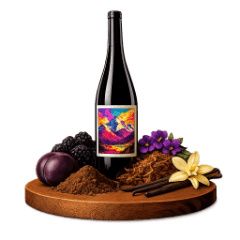
Imagine climbing a mountain just to jump into a pool of blackberry jam. High-altitude vineyards pump these bottles full of intense fruit flavors and velvety textures that practically scream for a slice of grilled beef.
Imagine climbing a mountain just to jump into a pool of blackberry jam. High-altitude vineyards pump these bottles full of intense fruit flavors and velvety textures that practically scream for a slice of grilled beef.
Imagine climbing a mountain just to jump into a pool of blackberry jam. High-altitude vineyards pump these bottles full of intense fruit flavors and velvety textures that practically scream for a slice of grilled beef.
Argentinian Cabernet Sauvignon
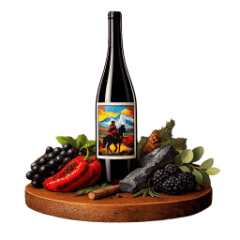
Living next door to a superstar isn't easy, yet this bold red holds its own with impressive swagger. Expect darker fruits and savory spices that prove Argentina isn't just a one-trick pony.
Living next door to a superstar isn't easy, yet this bold red holds its own with impressive swagger. Expect darker fruits and savory spices that prove Argentina isn't just a one-trick pony.
Living next door to a superstar isn't easy, yet this bold red holds its own with impressive swagger. Expect darker fruits and savory spices that prove Argentina isn't just a one-trick pony.
LATEST REVIEWS