«
Russia
Krasnodar Krai
Krasnodar Krai
Krasnodar Krai
Black Sea Playground
Forget snow and bears because we are talking about a place where people wear bikinis. This massive southern stretch produces the lion's share of the country's bottles, ranging from fancy sparkling bubbles to heavy, sun-baked reds.
Forget snow and bears because we are talking about a place where people wear bikinis. This massive southern stretch produces the lion's share of the country's bottles, ranging from fancy sparkling bubbles to heavy, sun-baked reds.
Forget snow and bears because we are talking about a place where people wear bikinis. This massive southern stretch produces the lion's share of the country's bottles, ranging from fancy sparkling bubbles to heavy, sun-baked reds.







Why it's unique
45th Parallel
Soviet Legacy
Indigenous Mix
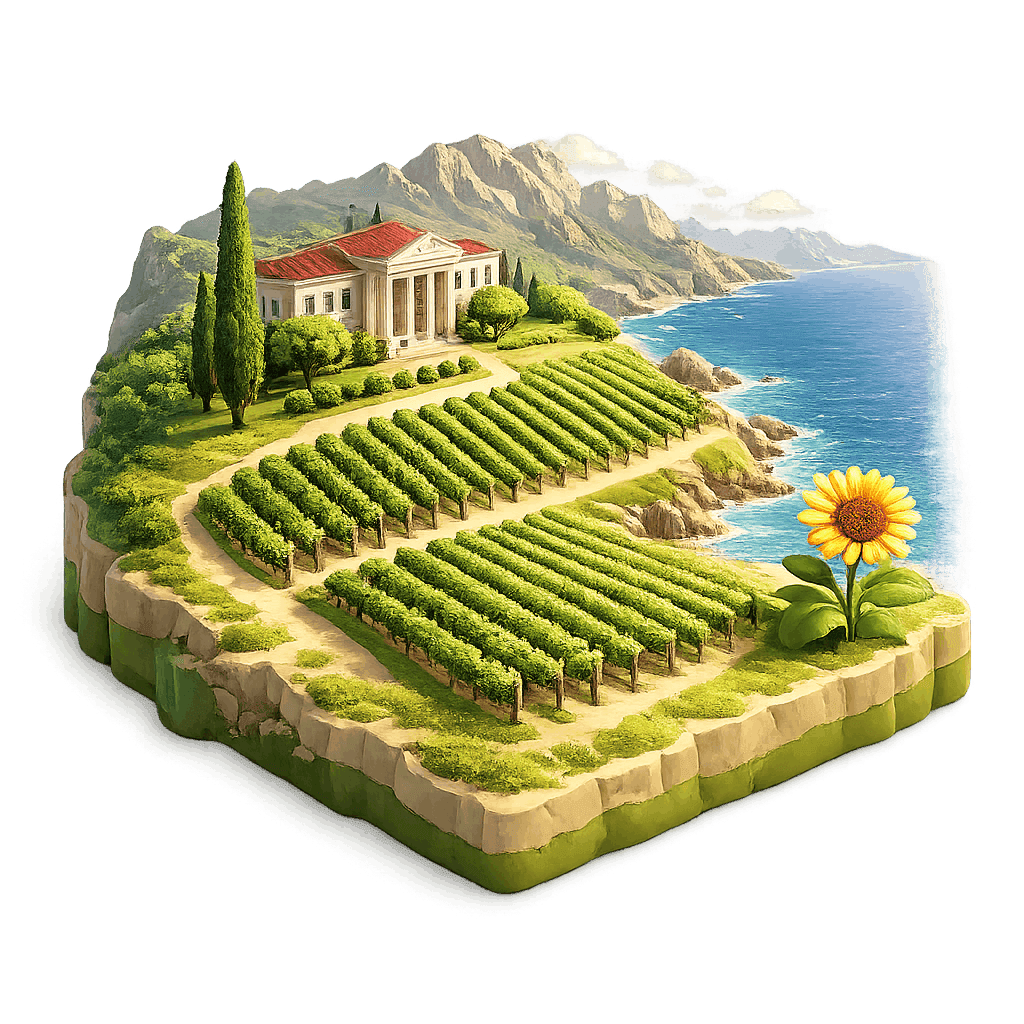
Situated squarely on the 45th parallel - yes, just like Bordeaux and Piedmont - this place defies every stereotype you have about freezing Russian tundras. It is the powerhouse of Russian winemaking, balancing massive Soviet-era legacy estates with trendy, boutique garages run by hipsters. You get a bizarre mix of international superstars growing alongside ancient indigenous berries that survived the iron curtain.
Situated squarely on the 45th parallel - yes, just like Bordeaux and Piedmont - this place defies every stereotype you have about freezing Russian tundras. It is the powerhouse of Russian winemaking, balancing massive Soviet-era legacy estates with trendy, boutique garages run by hipsters. You get a bizarre mix of international superstars growing alongside ancient indigenous berries that survived the iron curtain.
Situated squarely on the 45th parallel - yes, just like Bordeaux and Piedmont - this place defies every stereotype you have about freezing Russian tundras. It is the powerhouse of Russian winemaking, balancing massive Soviet-era legacy estates with trendy, boutique garages run by hipsters. You get a bizarre mix of international superstars growing alongside ancient indigenous berries that survived the iron curtain.
Terroir
Mountain Shield
Sea Influence
Limestone Buffet
Protection is the name of the game here, thanks to the Caucasus Mountains shielding everything from those nasty Siberian winds. The Black Sea acts like a giant hot water bottle, regulating temperatures so vines don't freeze to death. Beneath the dirt, you will find a buffet of limestone, marl, and sandstone that gives the wines a surprising amount of mineral kick and structure.
Protection is the name of the game here, thanks to the Caucasus Mountains shielding everything from those nasty Siberian winds. The Black Sea acts like a giant hot water bottle, regulating temperatures so vines don't freeze to death. Beneath the dirt, you will find a buffet of limestone, marl, and sandstone that gives the wines a surprising amount of mineral kick and structure.
Protection is the name of the game here, thanks to the Caucasus Mountains shielding everything from those nasty Siberian winds. The Black Sea acts like a giant hot water bottle, regulating temperatures so vines don't freeze to death. Beneath the dirt, you will find a buffet of limestone, marl, and sandstone that gives the wines a surprising amount of mineral kick and structure.
You gotta try
Krasnostop Zolotovsky
Abrau-Durso Sparklers
Saperavi
Krasnostop Zolotovsky is the absolute must-try here, it is an indigenous heavy-hitter that tastes like chewing on dark cherries and peppercorns. If you want something sparkling, grab a bottle of Abrau-Durso, which has been getting people tipsy since the Tsars. Don't ignore Saperavi either, as this Georgian transplant thrives in the local heat and delivers a massive punch of color and tannin.
Krasnostop Zolotovsky is the absolute must-try here, it is an indigenous heavy-hitter that tastes like chewing on dark cherries and peppercorns. If you want something sparkling, grab a bottle of Abrau-Durso, which has been getting people tipsy since the Tsars. Don't ignore Saperavi either, as this Georgian transplant thrives in the local heat and delivers a massive punch of color and tannin.
Krasnostop Zolotovsky is the absolute must-try here, it is an indigenous heavy-hitter that tastes like chewing on dark cherries and peppercorns. If you want something sparkling, grab a bottle of Abrau-Durso, which has been getting people tipsy since the Tsars. Don't ignore Saperavi either, as this Georgian transplant thrives in the local heat and delivers a massive punch of color and tannin.
LOCAL TALES
Bubbles for the Tsars
Bubbles for the Tsars
Bubbles for the Tsars
Back in the late 19th century, the Russian Imperial family wanted their own Champagne to rival French imports. In 1891, they appointed Prince Lev Golitsyn to manage the Abrau-Durso estate near Lake Abrau. While the unique limestone terroir had been identified years earlier by agronomist Feodor Geyduk, it was Golitsyn who brought in French experts to perfect the method. They built deep tunnels into the mountains to age the bottles. It worked so well that even the Bolsheviks, who hated everything royal, kept the winery running. They just rebranded the luxury bubbles as a drink for the proletariat, proving that everyone enjoys a little fizz regardless of their politics.
Back in the late 19th century, the Russian Imperial family wanted their own Champagne to rival French imports. In 1891, they appointed Prince Lev Golitsyn to manage the Abrau-Durso estate near Lake Abrau. While the unique limestone terroir had been identified years earlier by agronomist Feodor Geyduk, it was Golitsyn who brought in French experts to perfect the method. They built deep tunnels into the mountains to age the bottles. It worked so well that even the Bolsheviks, who hated everything royal, kept the winery running. They just rebranded the luxury bubbles as a drink for the proletariat, proving that everyone enjoys a little fizz regardless of their politics.
Back in the late 19th century, the Russian Imperial family wanted their own Champagne to rival French imports. In 1891, they appointed Prince Lev Golitsyn to manage the Abrau-Durso estate near Lake Abrau. While the unique limestone terroir had been identified years earlier by agronomist Feodor Geyduk, it was Golitsyn who brought in French experts to perfect the method. They built deep tunnels into the mountains to age the bottles. It worked so well that even the Bolsheviks, who hated everything royal, kept the winery running. They just rebranded the luxury bubbles as a drink for the proletariat, proving that everyone enjoys a little fizz regardless of their politics.
The Garage Rebellion
The Garage Rebellion
The Garage Rebellion
During the Soviet era, quantity was the only metric that mattered. If you could turn water into wine, the state would give you a medal. But recently, a "garage wine" revolution kicked off in Krasnodar. It started with enthusiasts making wine in actual car garages because getting a license was a bureaucratic nightmare designed for giant factories. These rebels focused on quality over quantity, experimenting with blends that would give a traditional Soviet agronomist a heart attack. Eventually, the laws caught up, but the spirit remains, and now these micro-wineries are producing some of the most exciting, expensive, and sought-after bottles in the entire country.
During the Soviet era, quantity was the only metric that mattered. If you could turn water into wine, the state would give you a medal. But recently, a "garage wine" revolution kicked off in Krasnodar. It started with enthusiasts making wine in actual car garages because getting a license was a bureaucratic nightmare designed for giant factories. These rebels focused on quality over quantity, experimenting with blends that would give a traditional Soviet agronomist a heart attack. Eventually, the laws caught up, but the spirit remains, and now these micro-wineries are producing some of the most exciting, expensive, and sought-after bottles in the entire country.
During the Soviet era, quantity was the only metric that mattered. If you could turn water into wine, the state would give you a medal. But recently, a "garage wine" revolution kicked off in Krasnodar. It started with enthusiasts making wine in actual car garages because getting a license was a bureaucratic nightmare designed for giant factories. These rebels focused on quality over quantity, experimenting with blends that would give a traditional Soviet agronomist a heart attack. Eventually, the laws caught up, but the spirit remains, and now these micro-wineries are producing some of the most exciting, expensive, and sought-after bottles in the entire country.
Greeks Did It First
Greeks Did It First
Greeks Did It First
Long before Cossacks or Tsars roamed these hills, ancient Greeks were throwing toga parties here. This region was part of the Bosporan Kingdom, and archeologists keep tripping over ancient amphorae while trying to plant new Cabernet vines. The town of Phanagoria was a major hub for wine trade thousands of years ago. It turns out the Greeks knew exactly what they were doing regarding terroir. Modern winemakers love this connection, often claiming their heritage goes back to antiquity, even if their specific winery was built five years ago using stainless steel tanks and a hefty loan from a Moscow bank.
Long before Cossacks or Tsars roamed these hills, ancient Greeks were throwing toga parties here. This region was part of the Bosporan Kingdom, and archeologists keep tripping over ancient amphorae while trying to plant new Cabernet vines. The town of Phanagoria was a major hub for wine trade thousands of years ago. It turns out the Greeks knew exactly what they were doing regarding terroir. Modern winemakers love this connection, often claiming their heritage goes back to antiquity, even if their specific winery was built five years ago using stainless steel tanks and a hefty loan from a Moscow bank.
Long before Cossacks or Tsars roamed these hills, ancient Greeks were throwing toga parties here. This region was part of the Bosporan Kingdom, and archeologists keep tripping over ancient amphorae while trying to plant new Cabernet vines. The town of Phanagoria was a major hub for wine trade thousands of years ago. It turns out the Greeks knew exactly what they were doing regarding terroir. Modern winemakers love this connection, often claiming their heritage goes back to antiquity, even if their specific winery was built five years ago using stainless steel tanks and a hefty loan from a Moscow bank.
LOCAL WINE STYLES
Krasnodar Cabernet Sauvignon
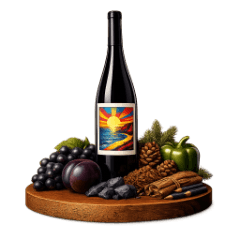
Russia’s southern coast isn’t just for sunbathing tourists. It is also home to big, bold reds that rival serious international contenders. Think dark fruit power meeting a surprisingly fresh, salty sea breeze finish.
Russia’s southern coast isn’t just for sunbathing tourists. It is also home to big, bold reds that rival serious international contenders. Think dark fruit power meeting a surprisingly fresh, salty sea breeze finish.
Russia’s southern coast isn’t just for sunbathing tourists. It is also home to big, bold reds that rival serious international contenders. Think dark fruit power meeting a surprisingly fresh, salty sea breeze finish.

Krasnodar Merlot
Imagine a plush blanket woven from dark berries and savory spices, warmed by the southern Russian sun. It brings a surprisingly soft touch from a region usually associated with harsher elements, offering comfort in every glass.
Imagine a plush blanket woven from dark berries and savory spices, warmed by the southern Russian sun. It brings a surprisingly soft touch from a region usually associated with harsher elements, offering comfort in every glass.
Imagine a plush blanket woven from dark berries and savory spices, warmed by the southern Russian sun. It brings a surprisingly soft touch from a region usually associated with harsher elements, offering comfort in every glass.
LATEST REVIEWS