«
BROWSE ALL
Russia
Russia
Imagine a land where vines battle snowdrifts and win. It is not just vodka territory, this massive nation boasts a booming wine industry with ancient roots, imperial sparkling ambition, and indigenous grapes that survive freezing winters.
Imagine a land where vines battle snowdrifts and win. It is not just vodka territory, this massive nation boasts a booming wine industry with ancient roots, imperial sparkling ambition, and indigenous grapes that survive freezing winters.
Imagine a land where vines battle snowdrifts and win. It is not just vodka territory, this massive nation boasts a booming wine industry with ancient roots, imperial sparkling ambition, and indigenous grapes that survive freezing winters.

What it's about
Sleeping giant
Black Sea
Market pivot
Historically dismissed as a vodka empire, this country is actually a sleeping wine giant waking up. With production concentrated in the warm south - near the Black Sea and the Don River - it is pivoting from Soviet-era bulk sweet plonk to premium dry wines. It produces massive volumes, ranking near the top 10 globally. This explosion in quality is fueled by a massive surge in local wine tourism and a newfound obsession with discovering unique home-grown flavors.
Historically dismissed as a vodka empire, this country is actually a sleeping wine giant waking up. With production concentrated in the warm south - near the Black Sea and the Don River - it is pivoting from Soviet-era bulk sweet plonk to premium dry wines. It produces massive volumes, ranking near the top 10 globally. This explosion in quality is fueled by a massive surge in local wine tourism and a newfound obsession with discovering unique home-grown flavors.
Historically dismissed as a vodka empire, this country is actually a sleeping wine giant waking up. With production concentrated in the warm south - near the Black Sea and the Don River - it is pivoting from Soviet-era bulk sweet plonk to premium dry wines. It produces massive volumes, ranking near the top 10 globally. This explosion in quality is fueled by a massive surge in local wine tourism and a newfound obsession with discovering unique home-grown flavors.
What they're proud of
Krasnostop Zolotovsky
Imperial bubbles
Burying vines
Local winemakers are obsessed with their indigenous survivor, Krasnostop Zolotovsky, a grape that makes powerful, dark reds. They also cherish the imperial legacy of Abrau-Durso, a sparkling wine house founded by the Tsar, and the legend of Prince Golitsyn, who once beat the French at their own game. The sheer ability to cultivate vines in the "Risky Farming Zone" of the Don Valley by burying them underground every winter is a badge of honor.
Local winemakers are obsessed with their indigenous survivor, Krasnostop Zolotovsky, a grape that makes powerful, dark reds. They also cherish the imperial legacy of Abrau-Durso, a sparkling wine house founded by the Tsar, and the legend of Prince Golitsyn, who once beat the French at their own game. The sheer ability to cultivate vines in the "Risky Farming Zone" of the Don Valley by burying them underground every winter is a badge of honor.
Local winemakers are obsessed with their indigenous survivor, Krasnostop Zolotovsky, a grape that makes powerful, dark reds. They also cherish the imperial legacy of Abrau-Durso, a sparkling wine house founded by the Tsar, and the legend of Prince Golitsyn, who once beat the French at their own game. The sheer ability to cultivate vines in the "Risky Farming Zone" of the Don Valley by burying them underground every winter is a badge of honor.
WHAT'S TRENDING
Wine tourism
Garage movement
Dry shift
Domestic wine tourism is exploding, with chic wineries in Krasnodar resembling Napa Valley estates. There is a massive shift towards autochthonous varieties like Sibirkovy and Tsimlyansky Cherny as drinkers seek unique local identities. "Garage wines" (small artisanal batches) are gaining cult status, challenging the industrial giants, while the market sees a decisive move from semi-sweet traditional blends to high-quality dry wines.
Domestic wine tourism is exploding, with chic wineries in Krasnodar resembling Napa Valley estates. There is a massive shift towards autochthonous varieties like Sibirkovy and Tsimlyansky Cherny as drinkers seek unique local identities. "Garage wines" (small artisanal batches) are gaining cult status, challenging the industrial giants, while the market sees a decisive move from semi-sweet traditional blends to high-quality dry wines.
Domestic wine tourism is exploding, with chic wineries in Krasnodar resembling Napa Valley estates. There is a massive shift towards autochthonous varieties like Sibirkovy and Tsimlyansky Cherny as drinkers seek unique local identities. "Garage wines" (small artisanal batches) are gaining cult status, challenging the industrial giants, while the market sees a decisive move from semi-sweet traditional blends to high-quality dry wines.
LOCAL TALES
The Prince Who Fooled Paris
The Prince Who Fooled Paris
The Prince Who Fooled Paris
Lev Golitsyn was an eccentric Russian prince with a magnificent beard and an even bigger ambition: to prove Russian sparkling wine could defeat French Champagne. In the late 19th century, he founded the Novy Svet winery in Crimea and obsessed over quality. In 1900, he pulled off the ultimate prank at the Paris World Exhibition. During a blind tasting dinner for the judges, a particular sparkling wine was unanimously voted the best, with the French experts praising its "unsurpassed French elegance." When the bottle was revealed, the room gasped-it was Golitsyn's Paradisio. He had beaten the French on their home turf, securing a legendary Grand Prix that Russians still brag about today.
Lev Golitsyn was an eccentric Russian prince with a magnificent beard and an even bigger ambition: to prove Russian sparkling wine could defeat French Champagne. In the late 19th century, he founded the Novy Svet winery in Crimea and obsessed over quality. In 1900, he pulled off the ultimate prank at the Paris World Exhibition. During a blind tasting dinner for the judges, a particular sparkling wine was unanimously voted the best, with the French experts praising its "unsurpassed French elegance." When the bottle was revealed, the room gasped-it was Golitsyn's Paradisio. He had beaten the French on their home turf, securing a legendary Grand Prix that Russians still brag about today.
The Zombie Vines of the Don
The Zombie Vines of the Don
The Zombie Vines of the Don
In the Rostov region, specifically the Don Valley, winemaking is an extreme sport. The winters here are so brutal that temperatures can drop to -30°C, which would instantly kill a standard European grapevine. To survive, locals practice *ukryvnoy* viticulture - literally burying the vineyard. Every late autumn, before the frost hits, workers detach the vines from the trellis and bury them under mounds of earth. It is backbreaking labor that turns the vineyard into a flat field of dirt mounds. In spring, they must carefully dig them out, hoping the plants haven't rotted or frozen. It is essentially zombie viticulture: the vines rise from their earthen graves every year to bear fruit.
In the Rostov region, specifically the Don Valley, winemaking is an extreme sport. The winters here are so brutal that temperatures can drop to -30°C, which would instantly kill a standard European grapevine. To survive, locals practice *ukryvnoy* viticulture - literally burying the vineyard. Every late autumn, before the frost hits, workers detach the vines from the trellis and bury them under mounds of earth. It is backbreaking labor that turns the vineyard into a flat field of dirt mounds. In spring, they must carefully dig them out, hoping the plants haven't rotted or frozen. It is essentially zombie viticulture: the vines rise from their earthen graves every year to bear fruit.
The Tunnels of Abrau-Durso
The Tunnels of Abrau-Durso
The Tunnels of Abrau-Durso
Deep in the mountains near Novorossiysk lies the Abrau-Durso estate, established by decree of Tsar Alexander II. While the surface looks like a picturesque resort, the real magic is underground. The estate boasts miles of mountain tunnels dug specifically to age sparkling wine at the perfect constant temperature. During the chaotic years of the Russian Revolution and later World War II, these tunnels became hiding spots not just for precious vintages, but for people and secrets. Today, they are a labyrinth of millions of bottles. Legend says there are still hidden recesses bricked up decades ago, containing wines that were too precious to let the Bolsheviks - or the Nazis - drink.
Deep in the mountains near Novorossiysk lies the Abrau-Durso estate, established by decree of Tsar Alexander II. While the surface looks like a picturesque resort, the real magic is underground. The estate boasts miles of mountain tunnels dug specifically to age sparkling wine at the perfect constant temperature. During the chaotic years of the Russian Revolution and later World War II, these tunnels became hiding spots not just for precious vintages, but for people and secrets. Today, they are a labyrinth of millions of bottles. Legend says there are still hidden recesses bricked up decades ago, containing wines that were too precious to let the Bolsheviks - or the Nazis - drink.
REGIONS

Krasnodar Krai
Forget snow and bears because we are talking about a place where people wear bikinis. This massive southern stretch produces the lion's share of the country's bottles, ranging from fancy sparkling bubbles to heavy, sun-baked reds.
Forget snow and bears because we are talking about a place where people wear bikinis. This massive southern stretch produces the lion's share of the country's bottles, ranging from fancy sparkling bubbles to heavy, sun-baked reds.

Rostov Oblast
Making wine here feels like an extreme sport because winters get brutal. Locals literally bury their vines under soil to keep them alive until spring, proving just how stubborn and dedicated these Cossack descendants are.
Making wine here feels like an extreme sport because winters get brutal. Locals literally bury their vines under soil to keep them alive until spring, proving just how stubborn and dedicated these Cossack descendants are.
WINE STYLES
Krasnodar Cabernet Sauvignon
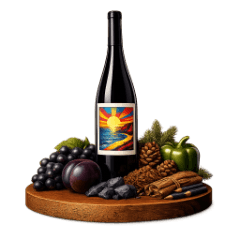
Russia’s southern coast isn’t just for sunbathing tourists. It is also home to big, bold reds that rival serious international contenders. Think dark fruit power meeting a surprisingly fresh, salty sea breeze finish.
Russia’s southern coast isn’t just for sunbathing tourists. It is also home to big, bold reds that rival serious international contenders. Think dark fruit power meeting a surprisingly fresh, salty sea breeze finish.
Russia’s southern coast isn’t just for sunbathing tourists. It is also home to big, bold reds that rival serious international contenders. Think dark fruit power meeting a surprisingly fresh, salty sea breeze finish.

Krasnodar Merlot
Imagine a plush blanket woven from dark berries and savory spices, warmed by the southern Russian sun. It brings a surprisingly soft touch from a region usually associated with harsher elements, offering comfort in every glass.
Imagine a plush blanket woven from dark berries and savory spices, warmed by the southern Russian sun. It brings a surprisingly soft touch from a region usually associated with harsher elements, offering comfort in every glass.
Imagine a plush blanket woven from dark berries and savory spices, warmed by the southern Russian sun. It brings a surprisingly soft touch from a region usually associated with harsher elements, offering comfort in every glass.
LATEST REVIEWS