«
Georgia

Kakheti
Kakheti
Kakheti
Qvevri Kingdom Capital
Imagine a place where wine has been flowing for 8,000 years, buried underground in big clay pots. This is the heartbeat of Georgian winemaking, producing styles that range from crisp whites to grippy, tannic ambers.
Imagine a place where wine has been flowing for 8,000 years, buried underground in big clay pots. This is the heartbeat of Georgian winemaking, producing styles that range from crisp whites to grippy, tannic ambers.
Imagine a place where wine has been flowing for 8,000 years, buried underground in big clay pots. This is the heartbeat of Georgian winemaking, producing styles that range from crisp whites to grippy, tannic ambers.





Why it's unique
Ancient Techniques
Buried Clay
Amber Wine
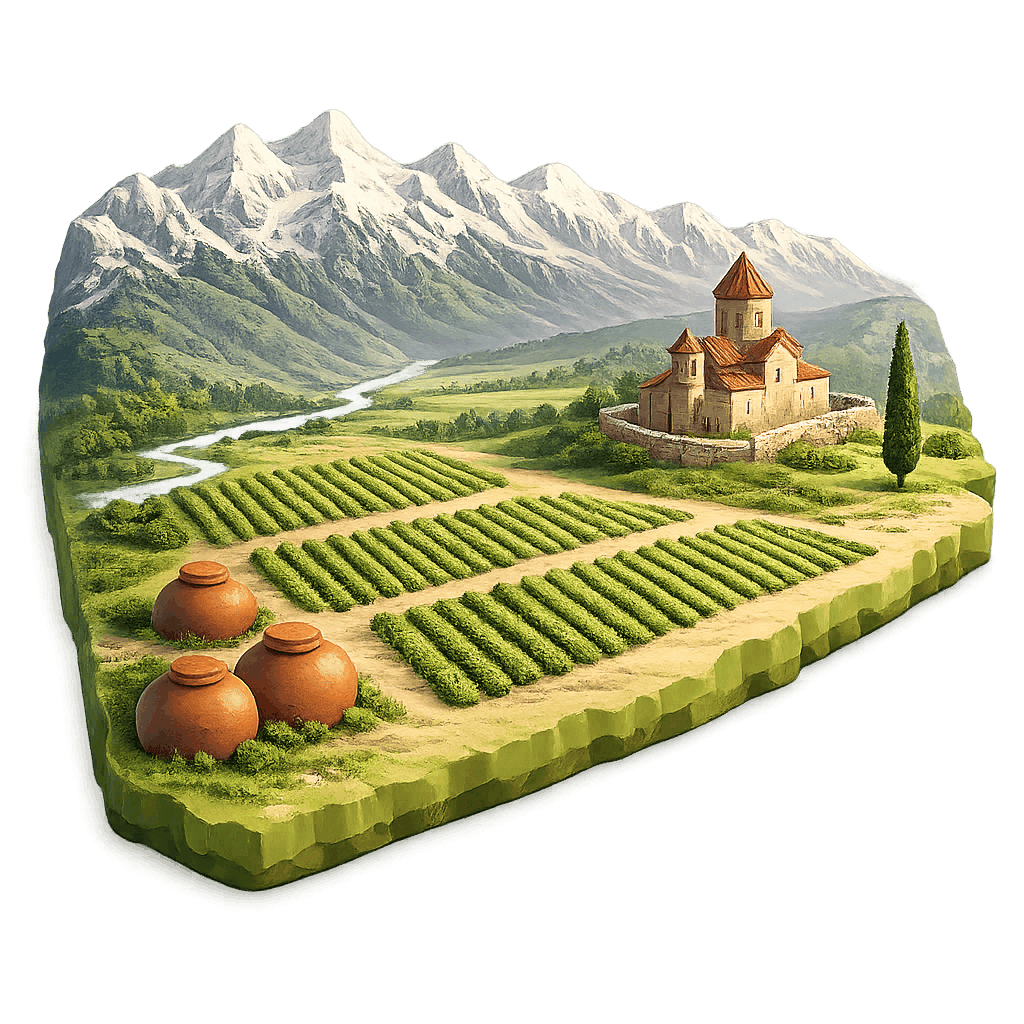
It is basically the Jurassic Park of the wine world, but way safer and much tastier. Winemakers here still use techniques that date back to the Stone Age. Instead of shiny steel tanks, they ferment juice with skins and stems in beeswax-lined clay vessels buried in the earth. The result is "amber wine" - orange in color, wild in flavor, and absolutely unforgettable.
It is basically the Jurassic Park of the wine world, but way safer and much tastier. Winemakers here still use techniques that date back to the Stone Age. Instead of shiny steel tanks, they ferment juice with skins and stems in beeswax-lined clay vessels buried in the earth. The result is "amber wine" - orange in color, wild in flavor, and absolutely unforgettable.
It is basically the Jurassic Park of the wine world, but way safer and much tastier. Winemakers here still use techniques that date back to the Stone Age. Instead of shiny steel tanks, they ferment juice with skins and stems in beeswax-lined clay vessels buried in the earth. The result is "amber wine" - orange in color, wild in flavor, and absolutely unforgettable.
Terroir
Caucasus Foothills
River Valley
Hot Summers
Nestled at the foothills of the Caucasus Mountains, this area gets protection from harsh winds while basking in a continental climate. The Alazani River valley provides fertile, alluvial soils, while higher slopes offer limestone. It’s hot and dry in the summer, which allows Saperavi and Rkatsiteli to ripen fully, developing thick skins that are crucial for that intense, long maceration process.
Nestled at the foothills of the Caucasus Mountains, this area gets protection from harsh winds while basking in a continental climate. The Alazani River valley provides fertile, alluvial soils, while higher slopes offer limestone. It’s hot and dry in the summer, which allows Saperavi and Rkatsiteli to ripen fully, developing thick skins that are crucial for that intense, long maceration process.
Nestled at the foothills of the Caucasus Mountains, this area gets protection from harsh winds while basking in a continental climate. The Alazani River valley provides fertile, alluvial soils, while higher slopes offer limestone. It’s hot and dry in the summer, which allows Saperavi and Rkatsiteli to ripen fully, developing thick skins that are crucial for that intense, long maceration process.
You gotta try
Amber Rkatsiteli
Inky Saperavi
Tannic Whites
Grab a bottle of qvevri-aged Rkatsiteli immediately. It looks like apricot juice and tastes like dried fruits with a tannic slap that wakes you up. If you prefer red, Saperavi is a non-negotiable must. It is an inky, dark monster of a drink with notes of blackberry and spice that will stain your teeth and steal your heart.
Grab a bottle of qvevri-aged Rkatsiteli immediately. It looks like apricot juice and tastes like dried fruits with a tannic slap that wakes you up. If you prefer red, Saperavi is a non-negotiable must. It is an inky, dark monster of a drink with notes of blackberry and spice that will stain your teeth and steal your heart.
Grab a bottle of qvevri-aged Rkatsiteli immediately. It looks like apricot juice and tastes like dried fruits with a tannic slap that wakes you up. If you prefer red, Saperavi is a non-negotiable must. It is an inky, dark monster of a drink with notes of blackberry and spice that will stain your teeth and steal your heart.
LOCAL TALES
Eight Thousand Birthdays
Eight Thousand Birthdays
Eight Thousand Birthdays
While France and Italy were still figuring out basic agriculture, the people of this region were already partying. Archaeologists found pottery fragments in Georgia dating back to 6000 BC containing tartaric acid - the chemical fingerprint of grapes. That means this country has been hosting happy hour for 8,000 years straight. They realized early on that burying grape juice in the ground kept it cool and stable. This isn't just a trend meant to impress hipsters. It is the literal birthplace of viticulture. When you sip a glass here, you aren't just drinking alcohol. You are drinking history that predates the wheel. Talk about vintage cred.
While France and Italy were still figuring out basic agriculture, the people of this region were already partying. Archaeologists found pottery fragments in Georgia dating back to 6000 BC containing tartaric acid - the chemical fingerprint of grapes. That means this country has been hosting happy hour for 8,000 years straight. They realized early on that burying grape juice in the ground kept it cool and stable. This isn't just a trend meant to impress hipsters. It is the literal birthplace of viticulture. When you sip a glass here, you aren't just drinking alcohol. You are drinking history that predates the wheel. Talk about vintage cred.
While France and Italy were still figuring out basic agriculture, the people of this region were already partying. Archaeologists found pottery fragments in Georgia dating back to 6000 BC containing tartaric acid - the chemical fingerprint of grapes. That means this country has been hosting happy hour for 8,000 years straight. They realized early on that burying grape juice in the ground kept it cool and stable. This isn't just a trend meant to impress hipsters. It is the literal birthplace of viticulture. When you sip a glass here, you aren't just drinking alcohol. You are drinking history that predates the wheel. Talk about vintage cred.
The Gentle Giant
The Gentle Giant
The Gentle Giant
Making a qvevri is not a weekend DIY project. These massive clay egg-shaped vessels are hand-built, ring by ring, over weeks because the clay needs to dry slowly or it will crack. Once fired, they are lined with beeswax for hygiene and buried to the rim in the cellar, or *marani*. They act as fermentation tanks and aging vessels all in one. Because they are buried, the earth regulates the temperature naturally. Cleaning them is a job for the smallest person in the family, who has to physically crawl inside with a scrub brush. It is a claustrophobic nightmare for some, but a holy duty for a Georgian winemaker.
Making a qvevri is not a weekend DIY project. These massive clay egg-shaped vessels are hand-built, ring by ring, over weeks because the clay needs to dry slowly or it will crack. Once fired, they are lined with beeswax for hygiene and buried to the rim in the cellar, or *marani*. They act as fermentation tanks and aging vessels all in one. Because they are buried, the earth regulates the temperature naturally. Cleaning them is a job for the smallest person in the family, who has to physically crawl inside with a scrub brush. It is a claustrophobic nightmare for some, but a holy duty for a Georgian winemaker.
Making a qvevri is not a weekend DIY project. These massive clay egg-shaped vessels are hand-built, ring by ring, over weeks because the clay needs to dry slowly or it will crack. Once fired, they are lined with beeswax for hygiene and buried to the rim in the cellar, or *marani*. They act as fermentation tanks and aging vessels all in one. Because they are buried, the earth regulates the temperature naturally. Cleaning them is a job for the smallest person in the family, who has to physically crawl inside with a scrub brush. It is a claustrophobic nightmare for some, but a holy duty for a Georgian winemaker.
The Dictator of Toasts
The Dictator of Toasts
The Dictator of Toasts
You cannot visit without encountering a *supra*, a feast that defies physics in the amount of food served. But the real boss is the *Tamada*, the toastmaster. This isn't a casual "cheers" situation. The Tamada leads a structured ritual of poetic toasts - to God, peace, ancestors, children, and women. You only drink when he says so, and you usually drain the glass. It is a marathon, not a sprint, and Saperavi flows like water. The goal isn't just to get tipsy. It is to open your heart and share deep emotional connections with strangers who become family by the tenth toast.
You cannot visit without encountering a *supra*, a feast that defies physics in the amount of food served. But the real boss is the *Tamada*, the toastmaster. This isn't a casual "cheers" situation. The Tamada leads a structured ritual of poetic toasts - to God, peace, ancestors, children, and women. You only drink when he says so, and you usually drain the glass. It is a marathon, not a sprint, and Saperavi flows like water. The goal isn't just to get tipsy. It is to open your heart and share deep emotional connections with strangers who become family by the tenth toast.
You cannot visit without encountering a *supra*, a feast that defies physics in the amount of food served. But the real boss is the *Tamada*, the toastmaster. This isn't a casual "cheers" situation. The Tamada leads a structured ritual of poetic toasts - to God, peace, ancestors, children, and women. You only drink when he says so, and you usually drain the glass. It is a marathon, not a sprint, and Saperavi flows like water. The goal isn't just to get tipsy. It is to open your heart and share deep emotional connections with strangers who become family by the tenth toast.
LOCAL WINE STYLES
Kakheti Saperavi
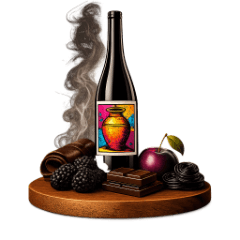
This wine isn't just red, it is practically black. Saperavi delivers a massive wall of texture that wraps around your tongue like a heavy velvet blanket, bringing ancient traditions straight into your modern glass.
This wine isn't just red, it is practically black. Saperavi delivers a massive wall of texture that wraps around your tongue like a heavy velvet blanket, bringing ancient traditions straight into your modern glass.
This wine isn't just red, it is practically black. Saperavi delivers a massive wall of texture that wraps around your tongue like a heavy velvet blanket, bringing ancient traditions straight into your modern glass.
Kakheti Rkatsiteli Qvevri White
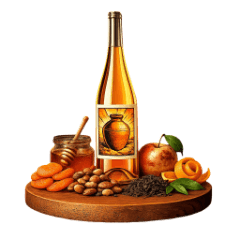
Imagine burying Rkatsiteli underground in clay jars for months until it transforms into a gripping, textural beast. It is white wine made like red wine, resulting in a savory, structured beverage that refuses to be ignored.
Imagine burying Rkatsiteli underground in clay jars for months until it transforms into a gripping, textural beast. It is white wine made like red wine, resulting in a savory, structured beverage that refuses to be ignored.
Imagine burying Rkatsiteli underground in clay jars for months until it transforms into a gripping, textural beast. It is white wine made like red wine, resulting in a savory, structured beverage that refuses to be ignored.
LATEST REVIEWS