«
New Zealand

Gisborne
Gisborne
Gisborne
Golden Chardonnay Coast
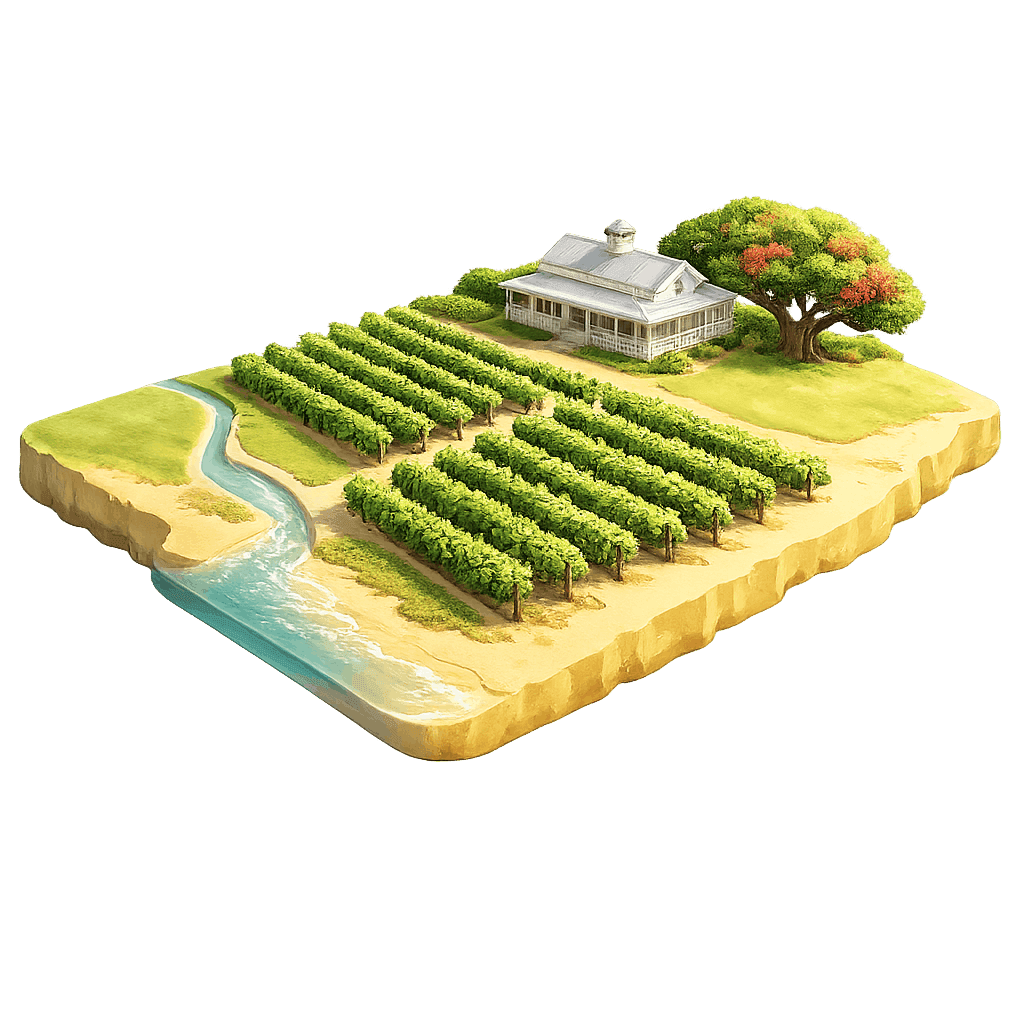
East Coast vibes meet buttery goodness here. As the very first wine region in the world to greet the morning sun, it wakes up early to ensure your glass remains perpetually half-full of lush, tropical whites.
East Coast vibes meet buttery goodness here. As the very first wine region in the world to greet the morning sun, it wakes up early to ensure your glass remains perpetually half-full of lush, tropical whites.
East Coast vibes meet buttery goodness here. As the very first wine region in the world to greet the morning sun, it wakes up early to ensure your glass remains perpetually half-full of lush, tropical whites.





Why it's unique
Chardonnay Capital
First Light
Cook's Landing
It is practically the spiritual home of Kiwi Chardonnay. While other spots chase Sauvignon Blanc fame, Gisborne doubles down on textural, fruit-forward whites that feel like a warm hug. It holds the title of the first place Captain Cook landed in New Zealand, meaning it has been welcoming confused tourists and thirsty sailors for centuries.
It is practically the spiritual home of Kiwi Chardonnay. While other spots chase Sauvignon Blanc fame, Gisborne doubles down on textural, fruit-forward whites that feel like a warm hug. It holds the title of the first place Captain Cook landed in New Zealand, meaning it has been welcoming confused tourists and thirsty sailors for centuries.
It is practically the spiritual home of Kiwi Chardonnay. While other spots chase Sauvignon Blanc fame, Gisborne doubles down on textural, fruit-forward whites that feel like a warm hug. It holds the title of the first place Captain Cook landed in New Zealand, meaning it has been welcoming confused tourists and thirsty sailors for centuries.
Terroir
High Sunshine
Fertile Clay
Coastal Warmth
Sunshine hours here are legendary, rivalling the best Mediterranean holidays. Fertile clay and silt loam soils, combined with warm summers and mild winters, create a greenhouse effect that pumps flavor into the berries. This lush environment means fruit ripens effortlessly, resulting in bold, tropical profiles that don't need to apologize for being intense.
Sunshine hours here are legendary, rivalling the best Mediterranean holidays. Fertile clay and silt loam soils, combined with warm summers and mild winters, create a greenhouse effect that pumps flavor into the berries. This lush environment means fruit ripens effortlessly, resulting in bold, tropical profiles that don't need to apologize for being intense.
Sunshine hours here are legendary, rivalling the best Mediterranean holidays. Fertile clay and silt loam soils, combined with warm summers and mild winters, create a greenhouse effect that pumps flavor into the berries. This lush environment means fruit ripens effortlessly, resulting in bold, tropical profiles that don't need to apologize for being intense.
You gotta try
Oaky Chardonnay
Aromatic Gewürztraminer
Salty Albariño
Grab a bottle of classic, oak-aged Chardonnay to understand why this region creates the benchmark for creamy whites. If you want something aromatic, Gewürztraminer from here is basically perfume in a glass - lychee and spice notes explode on the palate. For the adventurous, Albariño is making waves, pairing perfectly with the local surf.
Grab a bottle of classic, oak-aged Chardonnay to understand why this region creates the benchmark for creamy whites. If you want something aromatic, Gewürztraminer from here is basically perfume in a glass - lychee and spice notes explode on the palate. For the adventurous, Albariño is making waves, pairing perfectly with the local surf.
Grab a bottle of classic, oak-aged Chardonnay to understand why this region creates the benchmark for creamy whites. If you want something aromatic, Gewürztraminer from here is basically perfume in a glass - lychee and spice notes explode on the palate. For the adventurous, Albariño is making waves, pairing perfectly with the local surf.
LOCAL TALES
The Great Misnomer
The Great Misnomer
The Great Misnomer
In 1769, Captain James Cook dropped anchor here, becoming the first European to set foot on New Zealand soil. Things didn't go exactly to plan - there was a misunderstanding with the local Maori, no trade happened, and Cook left in a huff. He grumpily named the area "Poverty Bay" because he couldn't get the supplies he wanted. This is arguably the worst misnomer in history considering the region is essentially a giant fruit bowl bursting with fertile soils, lush vineyards, and enough produce to feed an army. It just goes to show that even famous explorers can be a bit dramatic when they are hungry.
In 1769, Captain James Cook dropped anchor here, becoming the first European to set foot on New Zealand soil. Things didn't go exactly to plan - there was a misunderstanding with the local Maori, no trade happened, and Cook left in a huff. He grumpily named the area "Poverty Bay" because he couldn't get the supplies he wanted. This is arguably the worst misnomer in history considering the region is essentially a giant fruit bowl bursting with fertile soils, lush vineyards, and enough produce to feed an army. It just goes to show that even famous explorers can be a bit dramatic when they are hungry.
In 1769, Captain James Cook dropped anchor here, becoming the first European to set foot on New Zealand soil. Things didn't go exactly to plan - there was a misunderstanding with the local Maori, no trade happened, and Cook left in a huff. He grumpily named the area "Poverty Bay" because he couldn't get the supplies he wanted. This is arguably the worst misnomer in history considering the region is essentially a giant fruit bowl bursting with fertile soils, lush vineyards, and enough produce to feed an army. It just goes to show that even famous explorers can be a bit dramatic when they are hungry.
Partying in the Vines
Partying in the Vines
Partying in the Vines
If you hate waiting for the New Year's countdown, this is your spot. Gisborne is the first city in New Zealand to see the sun rise each day due to its longitude. This geographical quirk gave birth to "Rhythm and Vines," a massive music festival held right in the vineyards. Every December, thousands of revelers descend upon the rows of vines to catch the very first rays of the new year while nursing a glass of something cold. It is a surreal mix of bass drops, canopy management, and sunrises that turned a sleepy farming district into the global headquarters for partying among the grapes.
If you hate waiting for the New Year's countdown, this is your spot. Gisborne is the first city in New Zealand to see the sun rise each day due to its longitude. This geographical quirk gave birth to "Rhythm and Vines," a massive music festival held right in the vineyards. Every December, thousands of revelers descend upon the rows of vines to catch the very first rays of the new year while nursing a glass of something cold. It is a surreal mix of bass drops, canopy management, and sunrises that turned a sleepy farming district into the global headquarters for partying among the grapes.
If you hate waiting for the New Year's countdown, this is your spot. Gisborne is the first city in New Zealand to see the sun rise each day due to its longitude. This geographical quirk gave birth to "Rhythm and Vines," a massive music festival held right in the vineyards. Every December, thousands of revelers descend upon the rows of vines to catch the very first rays of the new year while nursing a glass of something cold. It is a surreal mix of bass drops, canopy management, and sunrises that turned a sleepy farming district into the global headquarters for partying among the grapes.
The Moon Farmer
The Moon Farmer
The Moon Farmer
Back in the eighties, James Millton decided to start burying cow horns filled with manure and planting by the phases of the moon. His neighbors probably thought he had been enjoying too much of his own product. However, Millton Vineyards became the first producer in New Zealand to gain biodynamic certification. While the industry raised eyebrows initially, the quality of his Chenin Blanc and Chardonnay silenced the skeptics pretty quickly. Today, that "crazy hippie farming" is standard practice for top-tier estates globally, proving that sometimes you have to be a little bit eccentric to be truly ahead of the curve.
Back in the eighties, James Millton decided to start burying cow horns filled with manure and planting by the phases of the moon. His neighbors probably thought he had been enjoying too much of his own product. However, Millton Vineyards became the first producer in New Zealand to gain biodynamic certification. While the industry raised eyebrows initially, the quality of his Chenin Blanc and Chardonnay silenced the skeptics pretty quickly. Today, that "crazy hippie farming" is standard practice for top-tier estates globally, proving that sometimes you have to be a little bit eccentric to be truly ahead of the curve.
Back in the eighties, James Millton decided to start burying cow horns filled with manure and planting by the phases of the moon. His neighbors probably thought he had been enjoying too much of his own product. However, Millton Vineyards became the first producer in New Zealand to gain biodynamic certification. While the industry raised eyebrows initially, the quality of his Chenin Blanc and Chardonnay silenced the skeptics pretty quickly. Today, that "crazy hippie farming" is standard practice for top-tier estates globally, proving that sometimes you have to be a little bit eccentric to be truly ahead of the curve.
LOCAL WINE STYLES
New Zealand Chardonnay
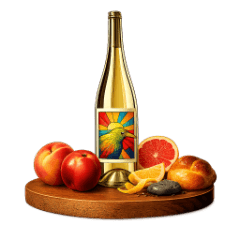
Forget everything you know about heavy butter bombs. Kiwi producers have mastered a lean, mean, fighting machine that balances crisp acidity with ripe stone fruit. It is clean, precise, and dangerously drinkable on a sunny patio.
Forget everything you know about heavy butter bombs. Kiwi producers have mastered a lean, mean, fighting machine that balances crisp acidity with ripe stone fruit. It is clean, precise, and dangerously drinkable on a sunny patio.
Forget everything you know about heavy butter bombs. Kiwi producers have mastered a lean, mean, fighting machine that balances crisp acidity with ripe stone fruit. It is clean, precise, and dangerously drinkable on a sunny patio.
New Zealand Aromatic White
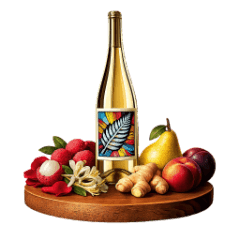
Think of walking into a florist shop while eating a fruit salad. These bottles define intensity, offering an explosion of smells that practically jump out of the glass to smack you in the face with joy.
Think of walking into a florist shop while eating a fruit salad. These bottles define intensity, offering an explosion of smells that practically jump out of the glass to smack you in the face with joy.
Think of walking into a florist shop while eating a fruit salad. These bottles define intensity, offering an explosion of smells that practically jump out of the glass to smack you in the face with joy.
LATEST REVIEWS