«
Romania

Dobrogea
Dobrogea
Dobrogea
Sunny Coastal Classics
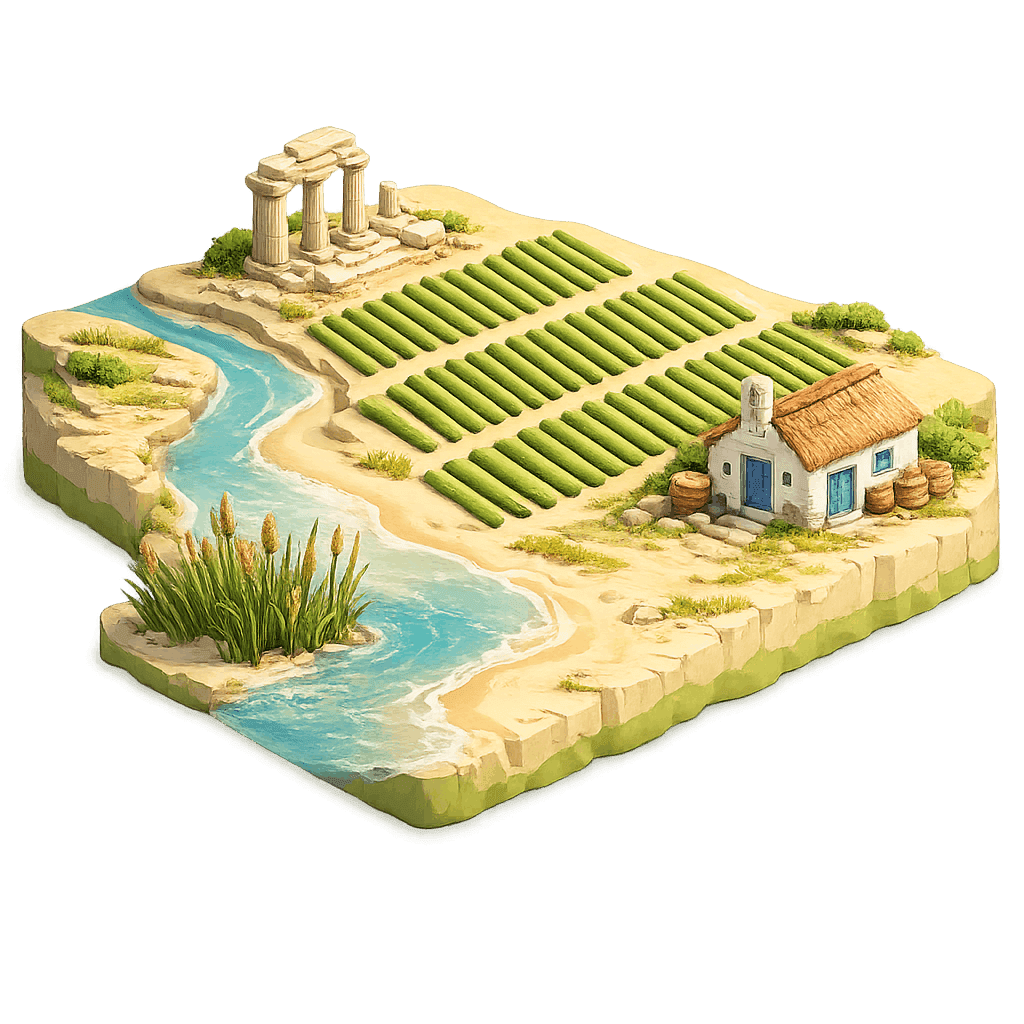
Imagine a place where the sun refuses to quit and the Black Sea breeze keeps things chill. This is Romania's holiday hotspot where ancient history meets serious viticulture, delivering wines that taste like summer vacation in a glass.
Imagine a place where the sun refuses to quit and the Black Sea breeze keeps things chill. This is Romania's holiday hotspot where ancient history meets serious viticulture, delivering wines that taste like summer vacation in a glass.
Imagine a place where the sun refuses to quit and the Black Sea breeze keeps things chill. This is Romania's holiday hotspot where ancient history meets serious viticulture, delivering wines that taste like summer vacation in a glass.
LEADERS

HELPERS







Why it's unique
Ancient History
Maritime Climate
Oldest Region
This spot is basically Romania's oldest winemaking playground, boasting history that goes back thousands of years before cool wine bars were a thing. Located between the Danube and the Black Sea, it is a sun-soaked plateau where Greek traders were partying with Dionysus way back in the day. It is the only place in the country with a climate heavily moderated by the Black Sea, meaning endless sunshine and very happy grapes.
This spot is basically Romania's oldest winemaking playground, boasting history that goes back thousands of years before cool wine bars were a thing. Located between the Danube and the Black Sea, it is a sun-soaked plateau where Greek traders were partying with Dionysus way back in the day. It is the only place in the country with a climate heavily moderated by the Black Sea, meaning endless sunshine and very happy grapes.
This spot is basically Romania's oldest winemaking playground, boasting history that goes back thousands of years before cool wine bars were a thing. Located between the Danube and the Black Sea, it is a sun-soaked plateau where Greek traders were partying with Dionysus way back in the day. It is the only place in the country with a climate heavily moderated by the Black Sea, meaning endless sunshine and very happy grapes.
Terroir
Limestone Soils
Sea Breeze
Long Autumns
Sunshine here is abundant, with over 300 days of vitamin D per year. The Black Sea acts as a massive air conditioner, tempering the scorching summer heat and keeping autumns long and warm to ensure perfect ripening. Soils are a chaotic mix of limestone and loess, which forces roots to dig deep for nutrients. This combination creates ripe, fruit-forward wines that still manage to keep their acidity intact.
Sunshine here is abundant, with over 300 days of vitamin D per year. The Black Sea acts as a massive air conditioner, tempering the scorching summer heat and keeping autumns long and warm to ensure perfect ripening. Soils are a chaotic mix of limestone and loess, which forces roots to dig deep for nutrients. This combination creates ripe, fruit-forward wines that still manage to keep their acidity intact.
Sunshine here is abundant, with over 300 days of vitamin D per year. The Black Sea acts as a massive air conditioner, tempering the scorching summer heat and keeping autumns long and warm to ensure perfect ripening. Soils are a chaotic mix of limestone and loess, which forces roots to dig deep for nutrients. This combination creates ripe, fruit-forward wines that still manage to keep their acidity intact.
You gotta try
Crisp Aligote
Sweet Murfatlar
Velvety Reds
Grab a glass of Murfatlar's sweet wines if you have a sweet tooth, as the late harvest here is legendary. For something lighter, Aligote loves this soil and produces zesty, crisp whites perfect for seafood. Don't skip Feteasca Neagra from here either, the warm climate turns it into a velvety, soft red that pairs perfectly with a beach sunset and grilled meats.
Grab a glass of Murfatlar's sweet wines if you have a sweet tooth, as the late harvest here is legendary. For something lighter, Aligote loves this soil and produces zesty, crisp whites perfect for seafood. Don't skip Feteasca Neagra from here either, the warm climate turns it into a velvety, soft red that pairs perfectly with a beach sunset and grilled meats.
Grab a glass of Murfatlar's sweet wines if you have a sweet tooth, as the late harvest here is legendary. For something lighter, Aligote loves this soil and produces zesty, crisp whites perfect for seafood. Don't skip Feteasca Neagra from here either, the warm climate turns it into a velvety, soft red that pairs perfectly with a beach sunset and grilled meats.
LOCAL TALES
The Frozen Wine Complaint
The Frozen Wine Complaint
The Frozen Wine Complaint
The Roman poet Ovid got kicked out of Rome and sent to Tomis (modern-day Constanta) around 8 AD for being a bit too scandalous. He spent his time writing sad letters home, complaining endlessly about the "barbarians" and the freezing winters. One of his biggest gripes was that the wine would freeze in the amphorae, requiring the locals to chip off chunks of frozen wine to eat rather than drink. While he was miserable, his writings prove that winemaking was already a massive industry here two thousand years ago. Today, the climate is much warmer, so you thankfully won't need an ice pick to drink your Merlot.
The Roman poet Ovid got kicked out of Rome and sent to Tomis (modern-day Constanta) around 8 AD for being a bit too scandalous. He spent his time writing sad letters home, complaining endlessly about the "barbarians" and the freezing winters. One of his biggest gripes was that the wine would freeze in the amphorae, requiring the locals to chip off chunks of frozen wine to eat rather than drink. While he was miserable, his writings prove that winemaking was already a massive industry here two thousand years ago. Today, the climate is much warmer, so you thankfully won't need an ice pick to drink your Merlot.
The Roman poet Ovid got kicked out of Rome and sent to Tomis (modern-day Constanta) around 8 AD for being a bit too scandalous. He spent his time writing sad letters home, complaining endlessly about the "barbarians" and the freezing winters. One of his biggest gripes was that the wine would freeze in the amphorae, requiring the locals to chip off chunks of frozen wine to eat rather than drink. While he was miserable, his writings prove that winemaking was already a massive industry here two thousand years ago. Today, the climate is much warmer, so you thankfully won't need an ice pick to drink your Merlot.
Dionysus Was Here
Dionysus Was Here
Dionysus Was Here
Legend has it that the god of wine himself, Dionysus, spent his childhood roaming these hills when the area was known as Scythia Minor. The ancient Greeks established colonies like Histria explicitly for trade along the coast, and wine was their main currency. Archaeologists keep digging up amphorae stamped with Greek seals and complex coin systems based on grapes, proving that while the rest of Europe was figuring out how to build huts, the folks in Dobrogea were already debating vintages and export tariffs. It is essentially the cradle of Romanian viticulture where the party started first.
Legend has it that the god of wine himself, Dionysus, spent his childhood roaming these hills when the area was known as Scythia Minor. The ancient Greeks established colonies like Histria explicitly for trade along the coast, and wine was their main currency. Archaeologists keep digging up amphorae stamped with Greek seals and complex coin systems based on grapes, proving that while the rest of Europe was figuring out how to build huts, the folks in Dobrogea were already debating vintages and export tariffs. It is essentially the cradle of Romanian viticulture where the party started first.
Legend has it that the god of wine himself, Dionysus, spent his childhood roaming these hills when the area was known as Scythia Minor. The ancient Greeks established colonies like Histria explicitly for trade along the coast, and wine was their main currency. Archaeologists keep digging up amphorae stamped with Greek seals and complex coin systems based on grapes, proving that while the rest of Europe was figuring out how to build huts, the folks in Dobrogea were already debating vintages and export tariffs. It is essentially the cradle of Romanian viticulture where the party started first.
Liquid Gold Rush
Liquid Gold Rush
Liquid Gold Rush
In the late 19th century, after phylloxera had ravaged European vineyards, researchers realized Dobrogea was a goldmine waiting to happen. The Murfatlar vineyard station was established and quickly became the darling of the industry. During the communist era, this place was pumping out sweet, botrytized wines that were so good they were used to pay off national debts and impress foreign dignitaries. King Carol II was a confirmed superfan, even seizing the vineyards for the royal domain in 1939. The combination of chalky soil and humidity created a sweet wine phenomenon that put Romania on the global map.
In the late 19th century, after phylloxera had ravaged European vineyards, researchers realized Dobrogea was a goldmine waiting to happen. The Murfatlar vineyard station was established and quickly became the darling of the industry. During the communist era, this place was pumping out sweet, botrytized wines that were so good they were used to pay off national debts and impress foreign dignitaries. King Carol II was a confirmed superfan, even seizing the vineyards for the royal domain in 1939. The combination of chalky soil and humidity created a sweet wine phenomenon that put Romania on the global map.
In the late 19th century, after phylloxera had ravaged European vineyards, researchers realized Dobrogea was a goldmine waiting to happen. The Murfatlar vineyard station was established and quickly became the darling of the industry. During the communist era, this place was pumping out sweet, botrytized wines that were so good they were used to pay off national debts and impress foreign dignitaries. King Carol II was a confirmed superfan, even seizing the vineyards for the royal domain in 1939. The combination of chalky soil and humidity created a sweet wine phenomenon that put Romania on the global map.
LOCAL WINE STYLES
Romanian Feteasca Neagra
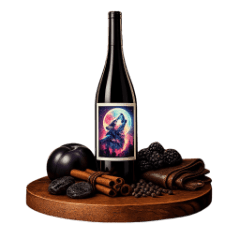
Imagine biting into a ripe plum while sitting in a worn leather armchair. This red offers a deep, textured experience that balances savory spice with lush black fruit, making it Romania's proudest ambassador in the glass.
Imagine biting into a ripe plum while sitting in a worn leather armchair. This red offers a deep, textured experience that balances savory spice with lush black fruit, making it Romania's proudest ambassador in the glass.
Imagine biting into a ripe plum while sitting in a worn leather armchair. This red offers a deep, textured experience that balances savory spice with lush black fruit, making it Romania's proudest ambassador in the glass.
Romanian Feteasca Alba
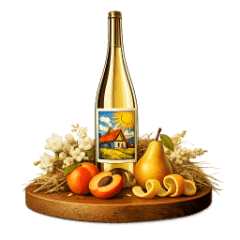
Gentle and unassuming, this white offers a delicate touch rather than a punch. Feteasca Alba delivers waves of blossoming acacia and ripe orchard fruit, creating a texture that feels like silk sliding over your tongue.
Gentle and unassuming, this white offers a delicate touch rather than a punch. Feteasca Alba delivers waves of blossoming acacia and ripe orchard fruit, creating a texture that feels like silk sliding over your tongue.
Gentle and unassuming, this white offers a delicate touch rather than a punch. Feteasca Alba delivers waves of blossoming acacia and ripe orchard fruit, creating a texture that feels like silk sliding over your tongue.
LATEST REVIEWS