«
Chile

Curicó Valley
Curicó Valley
Curicó Valley
Reliable Wine Engine
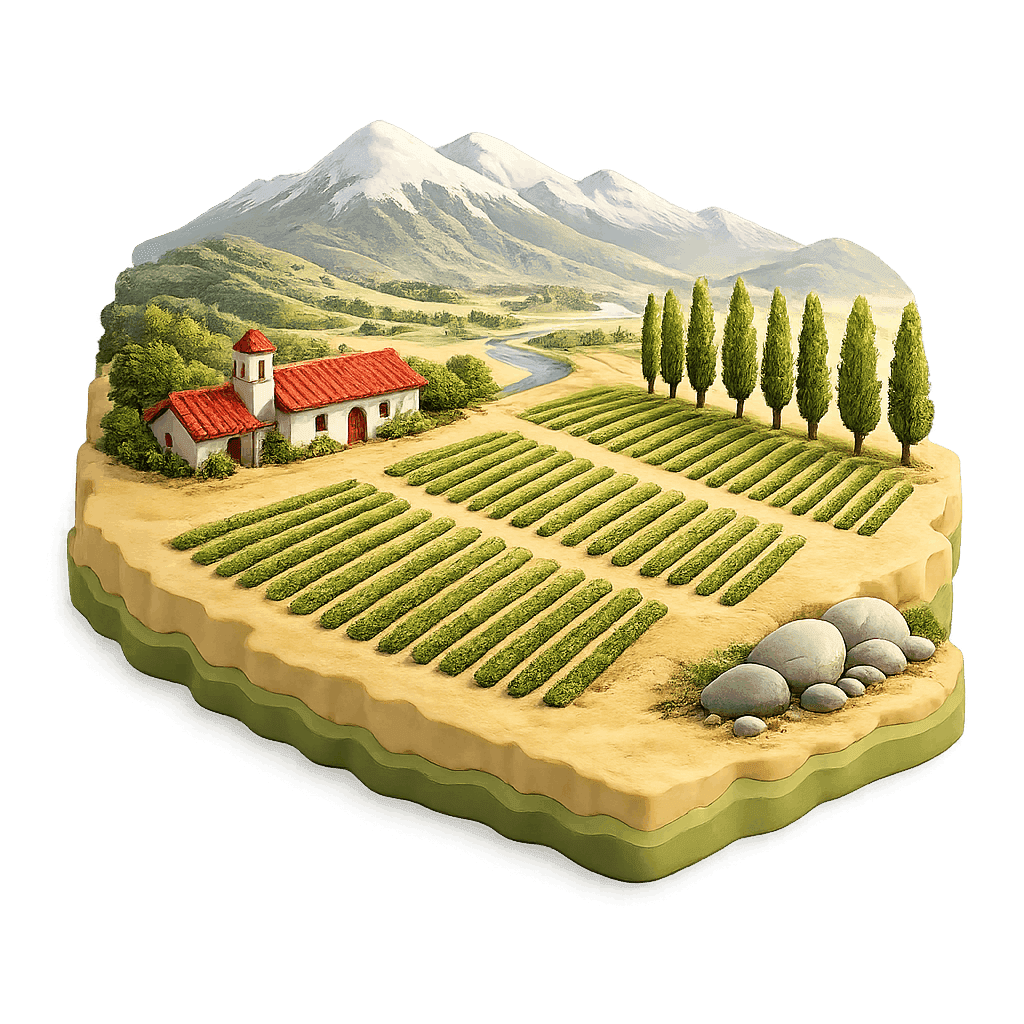
Forget the hype trains and boutique prices because this sprawling valley is where the real work happens. It produces more wine than almost anywhere else in the country while quietly holding onto some serious viticultural treasures.
Forget the hype trains and boutique prices because this sprawling valley is where the real work happens. It produces more wine than almost anywhere else in the country while quietly holding onto some serious viticultural treasures.
Forget the hype trains and boutique prices because this sprawling valley is where the real work happens. It produces more wine than almost anywhere else in the country while quietly holding onto some serious viticultural treasures.





Why it's unique
Modern history
Massive scale
Authentic vibes
Most people drive right past it on their way to Santiago, but they are making a huge mistake. This valley was the launchpad for modern Chilean winemaking in the late seventies. It combines massive production power with pockets of old-vine heritage that smaller regions would kill for. It is unpretentious, authentic, and incredibly productive.
Most people drive right past it on their way to Santiago, but they are making a huge mistake. This valley was the launchpad for modern Chilean winemaking in the late seventies. It combines massive production power with pockets of old-vine heritage that smaller regions would kill for. It is unpretentious, authentic, and incredibly productive.
Most people drive right past it on their way to Santiago, but they are making a huge mistake. This valley was the launchpad for modern Chilean winemaking in the late seventies. It combines massive production power with pockets of old-vine heritage that smaller regions would kill for. It is unpretentious, authentic, and incredibly productive.
Terroir
Volcanic east
Clay center
Coastal breeze
Diversity rules this land. The eastern part near the Andes enjoys cooler breezes and volcanic soils, while the central valley heats up with clay and loam. As you move west toward the coast, things get fresh again. This mix allows almost anything to grow here, giving winemakers a massive spice rack of climates to play with.
Diversity rules this land. The eastern part near the Andes enjoys cooler breezes and volcanic soils, while the central valley heats up with clay and loam. As you move west toward the coast, things get fresh again. This mix allows almost anything to grow here, giving winemakers a massive spice rack of climates to play with.
Diversity rules this land. The eastern part near the Andes enjoys cooler breezes and volcanic soils, while the central valley heats up with clay and loam. As you move west toward the coast, things get fresh again. This mix allows almost anything to grow here, giving winemakers a massive spice rack of climates to play with.
You gotta try
Zesty whites
Value Cab
Bold fruit
Sauvignon Blanc is the absolute star here, offering zesty citrus notes that wake up your palate instantly. But you should also dig for Cabernet Sauvignon from the cooler pockets. These wines deliver classic structure and bold fruit flavors at a price that will make your wallet want to hug you.
Sauvignon Blanc is the absolute star here, offering zesty citrus notes that wake up your palate instantly. But you should also dig for Cabernet Sauvignon from the cooler pockets. These wines deliver classic structure and bold fruit flavors at a price that will make your wallet want to hug you.
Sauvignon Blanc is the absolute star here, offering zesty citrus notes that wake up your palate instantly. But you should also dig for Cabernet Sauvignon from the cooler pockets. These wines deliver classic structure and bold fruit flavors at a price that will make your wallet want to hug you.
LOCAL TALES
The Spanish Revolution
The Spanish Revolution
The Spanish Revolution
Back in the late seventies, Chilean wine was a bit like a sleeping giant-massive potential but snoring loudly in old wooden vats. Then came Miguel Torres from Spain. He chose this specific valley to set up shop in 1979 and brought a piece of technology that changed everything: stainless steel tanks. It sounds boring now, but at the time, temperature-controlled fermentation was like landing a spaceship in the vineyard. He proved that Chile could make fresh, crisp whites and clean, fruity reds. The locals watched, learned, and soon the entire country followed suit. Curicó isn't just a valley-it is the laboratory where modern Chilean wine was invented.
Back in the late seventies, Chilean wine was a bit like a sleeping giant-massive potential but snoring loudly in old wooden vats. Then came Miguel Torres from Spain. He chose this specific valley to set up shop in 1979 and brought a piece of technology that changed everything: stainless steel tanks. It sounds boring now, but at the time, temperature-controlled fermentation was like landing a spaceship in the vineyard. He proved that Chile could make fresh, crisp whites and clean, fruity reds. The locals watched, learned, and soon the entire country followed suit. Curicó isn't just a valley-it is the laboratory where modern Chilean wine was invented.
Back in the late seventies, Chilean wine was a bit like a sleeping giant-massive potential but snoring loudly in old wooden vats. Then came Miguel Torres from Spain. He chose this specific valley to set up shop in 1979 and brought a piece of technology that changed everything: stainless steel tanks. It sounds boring now, but at the time, temperature-controlled fermentation was like landing a spaceship in the vineyard. He proved that Chile could make fresh, crisp whites and clean, fruity reds. The locals watched, learned, and soon the entire country followed suit. Curicó isn't just a valley-it is the laboratory where modern Chilean wine was invented.
The Party Capital
The Party Capital
The Party Capital
If you think wine tasting is just swirling glasses in silence, you have clearly never been to the Fiesta de la Vendimia de Chile. Curicó hosts the oldest and arguably the wildest wine harvest festival in the country. Every March, the main square transforms into a massive celebration of culture, food, and obviously, lots of fermented grape juice. They have grape stomping competitions where people get purple up to their knees, live music that blasts until late, and a fountain that literally pumps out wine. It is a reminder that wine here is not a luxury product for the elite-it is the lifeblood of the community and a reason to dance in the streets.
If you think wine tasting is just swirling glasses in silence, you have clearly never been to the Fiesta de la Vendimia de Chile. Curicó hosts the oldest and arguably the wildest wine harvest festival in the country. Every March, the main square transforms into a massive celebration of culture, food, and obviously, lots of fermented grape juice. They have grape stomping competitions where people get purple up to their knees, live music that blasts until late, and a fountain that literally pumps out wine. It is a reminder that wine here is not a luxury product for the elite-it is the lifeblood of the community and a reason to dance in the streets.
If you think wine tasting is just swirling glasses in silence, you have clearly never been to the Fiesta de la Vendimia de Chile. Curicó hosts the oldest and arguably the wildest wine harvest festival in the country. Every March, the main square transforms into a massive celebration of culture, food, and obviously, lots of fermented grape juice. They have grape stomping competitions where people get purple up to their knees, live music that blasts until late, and a fountain that literally pumps out wine. It is a reminder that wine here is not a luxury product for the elite-it is the lifeblood of the community and a reason to dance in the streets.
The Merlot Imposter
The Merlot Imposter
The Merlot Imposter
For decades, growers in the valley were proud of their spicy, late-ripening Merlot. It was different from the stuff in France, but they shrugged and kept farming. It grew aggressively and tasted unique. Then, in 1994, French ampelographer Jean-Michel Boursiquot uncovered a secret in the Maipo Valley that changed everything. He realized that "Chilean Merlot" was actually Carmenère, a type thought to be extinct in Bordeaux since the phylloxera plague. While this shockwave hit all of Chile, Curicó was full of these hidden gems, suddenly finding itself with a lost treasure growing right in plain sight.
For decades, growers in the valley were proud of their spicy, late-ripening Merlot. It was different from the stuff in France, but they shrugged and kept farming. It grew aggressively and tasted unique. Then, in 1994, French ampelographer Jean-Michel Boursiquot uncovered a secret in the Maipo Valley that changed everything. He realized that "Chilean Merlot" was actually Carmenère, a type thought to be extinct in Bordeaux since the phylloxera plague. While this shockwave hit all of Chile, Curicó was full of these hidden gems, suddenly finding itself with a lost treasure growing right in plain sight.
For decades, growers in the valley were proud of their spicy, late-ripening Merlot. It was different from the stuff in France, but they shrugged and kept farming. It grew aggressively and tasted unique. Then, in 1994, French ampelographer Jean-Michel Boursiquot uncovered a secret in the Maipo Valley that changed everything. He realized that "Chilean Merlot" was actually Carmenère, a type thought to be extinct in Bordeaux since the phylloxera plague. While this shockwave hit all of Chile, Curicó was full of these hidden gems, suddenly finding itself with a lost treasure growing right in plain sight.
SUB-REGIONS
Molina
(
Curicó Valley
)
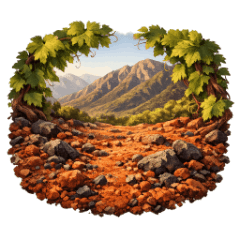
Don't let the industrial capacity fool you completely. While this area pumps out massive amounts of supermarket favorites, there are hidden pockets of old-vine magic waiting for anyone brave enough to look past the giant fermentation tanks.
Don't let the industrial capacity fool you completely. While this area pumps out massive amounts of supermarket favorites, there are hidden pockets of old-vine magic waiting for anyone brave enough to look past the giant fermentation tanks.
Romeral
(
Curicó Valley
)
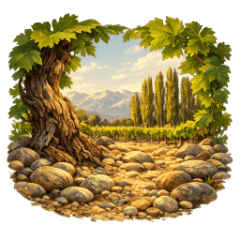
Sitting pretty at the northern tip of the valley, this area serves as the gateway to freshness. While neighbors sweat in the heat, Romeral enjoys a natural air conditioning system that keeps Sauvignon Blanc zippy and energetic.
Sitting pretty at the northern tip of the valley, this area serves as the gateway to freshness. While neighbors sweat in the heat, Romeral enjoys a natural air conditioning system that keeps Sauvignon Blanc zippy and energetic.
LOCAL WINE STYLES
Chilean Cabernet Sauvignon
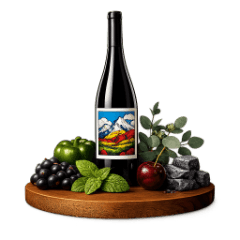
Imagine sipping a glass of bold dark fruit while standing in a eucalyptus forest. It brings serious structure without the hefty price tag found in Napa, mixing savory green pepper notes with ripe blackcurrants effortlessly.
Imagine sipping a glass of bold dark fruit while standing in a eucalyptus forest. It brings serious structure without the hefty price tag found in Napa, mixing savory green pepper notes with ripe blackcurrants effortlessly.
Imagine sipping a glass of bold dark fruit while standing in a eucalyptus forest. It brings serious structure without the hefty price tag found in Napa, mixing savory green pepper notes with ripe blackcurrants effortlessly.
Chilean Carménère
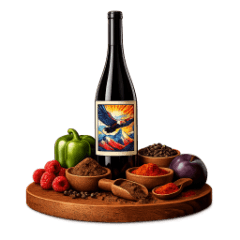
Once thought extinct in Europe, this red found a secret hideout in South America. It is famous for mixing savory herbal notes with plush red fruit, making it the ultimate barbecue wingman for veggies and meats alike.
Once thought extinct in Europe, this red found a secret hideout in South America. It is famous for mixing savory herbal notes with plush red fruit, making it the ultimate barbecue wingman for veggies and meats alike.
Once thought extinct in Europe, this red found a secret hideout in South America. It is famous for mixing savory herbal notes with plush red fruit, making it the ultimate barbecue wingman for veggies and meats alike.
LATEST REVIEWS