«
South Africa

Constantia
Constantia
Constantia
Napoleon's Sweet Tooth
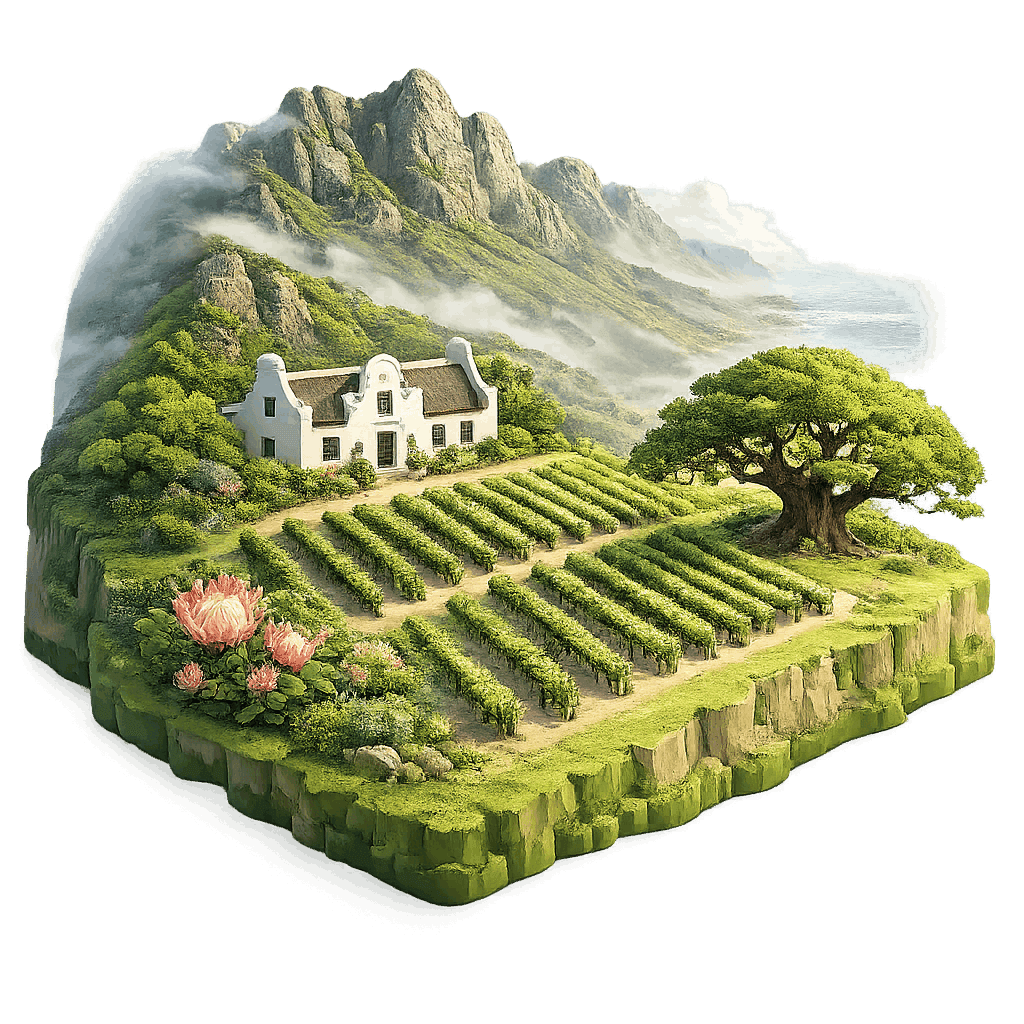
Consider this the great-grandparent of New World wine regions. Tucked right behind Table Mountain, this wealthy suburb manages to produce some of the Southern Hemisphere's most legendary bottles while fighting off urban sprawl and thieving baboons.
Consider this the great-grandparent of New World wine regions. Tucked right behind Table Mountain, this wealthy suburb manages to produce some of the Southern Hemisphere's most legendary bottles while fighting off urban sprawl and thieving baboons.
Consider this the great-grandparent of New World wine regions. Tucked right behind Table Mountain, this wealthy suburb manages to produce some of the Southern Hemisphere's most legendary bottles while fighting off urban sprawl and thieving baboons.

Why it's unique
Living Museum
Emperor Approved
Historic Icon
Let's be real, how many wine regions can claim they got Napoleon through his exile? Constantia is home to the oldest wine estate in South Africa, dating back to 1685. It is essentially a living museum that happens to make killer juice. The famous Vin de Constance was requested by kings and emperors when the rest of the New World was still wild. It is history in a glass, quite literally, and remains iconic today.
Let's be real, how many wine regions can claim they got Napoleon through his exile? Constantia is home to the oldest wine estate in South Africa, dating back to 1685. It is essentially a living museum that happens to make killer juice. The famous Vin de Constance was requested by kings and emperors when the rest of the New World was still wild. It is history in a glass, quite literally, and remains iconic today.
Let's be real, how many wine regions can claim they got Napoleon through his exile? Constantia is home to the oldest wine estate in South Africa, dating back to 1685. It is essentially a living museum that happens to make killer juice. The famous Vin de Constance was requested by kings and emperors when the rest of the New World was still wild. It is history in a glass, quite literally, and remains iconic today.
Terroir
Ocean Breezes
Granite Soils
Steep Slopes
Picture a vineyard wearing a scarf. That is Constantia. Sandwiched between False Bay and the Atlantic, it gets bombarded by cooling sea breezes that keep everything fresh and zesty. The steep slopes of Constantiaberg cast long shadows, meaning Sauvignon Blanc ripens slowly and keeps its razor-sharp acidity. The ancient decomposed granite soils add a distinct mineral kick that makes the wines taste elegantly dusty and serious.
Picture a vineyard wearing a scarf. That is Constantia. Sandwiched between False Bay and the Atlantic, it gets bombarded by cooling sea breezes that keep everything fresh and zesty. The steep slopes of Constantiaberg cast long shadows, meaning Sauvignon Blanc ripens slowly and keeps its razor-sharp acidity. The ancient decomposed granite soils add a distinct mineral kick that makes the wines taste elegantly dusty and serious.
Picture a vineyard wearing a scarf. That is Constantia. Sandwiched between False Bay and the Atlantic, it gets bombarded by cooling sea breezes that keep everything fresh and zesty. The steep slopes of Constantiaberg cast long shadows, meaning Sauvignon Blanc ripens slowly and keeps its razor-sharp acidity. The ancient decomposed granite soils add a distinct mineral kick that makes the wines taste elegantly dusty and serious.
You gotta try
Liquid Gold
Electric Whites
Savory Reds
Obviously, you need to sip Vin de Constance at least once before you die. It is liquid gold that smells like apricots and history. But do not sleep on the dry whites. Sauvignon Blanc here is electric, often blended with Semillon for texture. For reds, cool-climate Merlot and Cabernet Sauvignon have a savory, herbal edge that feels more Old World than sunny South Africa.
Obviously, you need to sip Vin de Constance at least once before you die. It is liquid gold that smells like apricots and history. But do not sleep on the dry whites. Sauvignon Blanc here is electric, often blended with Semillon for texture. For reds, cool-climate Merlot and Cabernet Sauvignon have a savory, herbal edge that feels more Old World than sunny South Africa.
Obviously, you need to sip Vin de Constance at least once before you die. It is liquid gold that smells like apricots and history. But do not sleep on the dry whites. Sauvignon Blanc here is electric, often blended with Semillon for texture. For reds, cool-climate Merlot and Cabernet Sauvignon have a savory, herbal edge that feels more Old World than sunny South Africa.
LOCAL TALES
The Emperor's Last Request
The Emperor's Last Request
The Emperor's Last Request
When Napoleon Bonaparte was exiled to St. Helena, he was not exactly thrilled about the accommodations. To keep his spirits from completely tanking, he demanded a steady supply of Vin de Constance. We are talking about 30 bottles a month sent to a lonely island in the middle of nowhere. On his deathbed, he refused food and water, asking only for a glass of this golden nectar. It is wild to think that while the rest of Europe was fighting wars, the most feared man on the planet was soothing his ego with South African Muscat de Frontignan. If it is good enough for a deposed emperor, it is probably good enough for your Tuesday night dessert.
When Napoleon Bonaparte was exiled to St. Helena, he was not exactly thrilled about the accommodations. To keep his spirits from completely tanking, he demanded a steady supply of Vin de Constance. We are talking about 30 bottles a month sent to a lonely island in the middle of nowhere. On his deathbed, he refused food and water, asking only for a glass of this golden nectar. It is wild to think that while the rest of Europe was fighting wars, the most feared man on the planet was soothing his ego with South African Muscat de Frontignan. If it is good enough for a deposed emperor, it is probably good enough for your Tuesday night dessert.
When Napoleon Bonaparte was exiled to St. Helena, he was not exactly thrilled about the accommodations. To keep his spirits from completely tanking, he demanded a steady supply of Vin de Constance. We are talking about 30 bottles a month sent to a lonely island in the middle of nowhere. On his deathbed, he refused food and water, asking only for a glass of this golden nectar. It is wild to think that while the rest of Europe was fighting wars, the most feared man on the planet was soothing his ego with South African Muscat de Frontignan. If it is good enough for a deposed emperor, it is probably good enough for your Tuesday night dessert.
The Soil Hunter
The Soil Hunter
The Soil Hunter
Back in 1685, Governor Simon van der Stel was essentially the ultimate soil geek. He sent his guys out to dig up dirt all over the Cape Peninsula to find the perfect spot for wine. He wanted something that could rival Europe. When he found the decomposed granite behind Table Mountain, he named the farm Constantia. Some say he named it after a benefactor's daughter, others say it means 'constancy' or loyalty. Regardless of the etymology, he claimed a massive chunk of land and started pressing grapes. He was the original hipster winemaker of the Southern Hemisphere, proving that you could actually make world-class booze at the bottom of Africa before it was cool.
Back in 1685, Governor Simon van der Stel was essentially the ultimate soil geek. He sent his guys out to dig up dirt all over the Cape Peninsula to find the perfect spot for wine. He wanted something that could rival Europe. When he found the decomposed granite behind Table Mountain, he named the farm Constantia. Some say he named it after a benefactor's daughter, others say it means 'constancy' or loyalty. Regardless of the etymology, he claimed a massive chunk of land and started pressing grapes. He was the original hipster winemaker of the Southern Hemisphere, proving that you could actually make world-class booze at the bottom of Africa before it was cool.
Back in 1685, Governor Simon van der Stel was essentially the ultimate soil geek. He sent his guys out to dig up dirt all over the Cape Peninsula to find the perfect spot for wine. He wanted something that could rival Europe. When he found the decomposed granite behind Table Mountain, he named the farm Constantia. Some say he named it after a benefactor's daughter, others say it means 'constancy' or loyalty. Regardless of the etymology, he claimed a massive chunk of land and started pressing grapes. He was the original hipster winemaker of the Southern Hemisphere, proving that you could actually make world-class booze at the bottom of Africa before it was cool.
The Grape Thieves
The Grape Thieves
The Grape Thieves
One of the funniest and most frustrating things about farming here is the local wildlife. Since the vineyards are right up against a nature reserve, winemakers are in a constant battle with baboons. These primates have a serious sweet tooth and are surprisingly picky eaters. They wait until Muscat de Frontignan is perfectly ripe - high sugar, great flavor - and then descend like a furry plague to snack on the premium harvest. Vineyards have tried everything from fences to noise cannons to dedicated 'baboon monitors' who literally chase them away. It turns out that making some of the world's best wine involves outsmarting a troop of very clever monkeys who appreciate a good vintage just as much as we do.
One of the funniest and most frustrating things about farming here is the local wildlife. Since the vineyards are right up against a nature reserve, winemakers are in a constant battle with baboons. These primates have a serious sweet tooth and are surprisingly picky eaters. They wait until Muscat de Frontignan is perfectly ripe - high sugar, great flavor - and then descend like a furry plague to snack on the premium harvest. Vineyards have tried everything from fences to noise cannons to dedicated 'baboon monitors' who literally chase them away. It turns out that making some of the world's best wine involves outsmarting a troop of very clever monkeys who appreciate a good vintage just as much as we do.
One of the funniest and most frustrating things about farming here is the local wildlife. Since the vineyards are right up against a nature reserve, winemakers are in a constant battle with baboons. These primates have a serious sweet tooth and are surprisingly picky eaters. They wait until Muscat de Frontignan is perfectly ripe - high sugar, great flavor - and then descend like a furry plague to snack on the premium harvest. Vineyards have tried everything from fences to noise cannons to dedicated 'baboon monitors' who literally chase them away. It turns out that making some of the world's best wine involves outsmarting a troop of very clever monkeys who appreciate a good vintage just as much as we do.
LOCAL WINE STYLES
South African Syrah
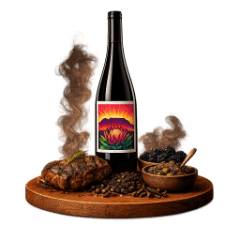
Standing somewhere between the elegance of the Rhône and the punch of Australia, this red delivers a serious kick of pepper. It is meaty, savory, and ready to dominate your next barbecue without breaking a sweat.
Standing somewhere between the elegance of the Rhône and the punch of Australia, this red delivers a serious kick of pepper. It is meaty, savory, and ready to dominate your next barbecue without breaking a sweat.
Standing somewhere between the elegance of the Rhône and the punch of Australia, this red delivers a serious kick of pepper. It is meaty, savory, and ready to dominate your next barbecue without breaking a sweat.
South African Sauvignon Blanc
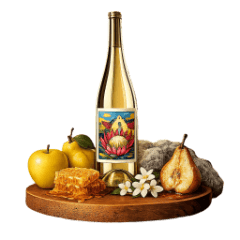
Pucker up because this white brings serious energy to the glass. It manages to balance distinct grassy notes with an explosion of tropical fruit salad, sitting perfectly between lean French styles and loud New Zealand versions.
Pucker up because this white brings serious energy to the glass. It manages to balance distinct grassy notes with an explosion of tropical fruit salad, sitting perfectly between lean French styles and loud New Zealand versions.
Pucker up because this white brings serious energy to the glass. It manages to balance distinct grassy notes with an explosion of tropical fruit salad, sitting perfectly between lean French styles and loud New Zealand versions.
LATEST REVIEWS