«
Uruguay

Colonia
Colonia
Colonia
Historic Riverside Refinement
Just across the murky Rio de la Plata from Buenos Aires lies this gem where cobblestone streets meet rolling vineyards. It is the birthplace of Uruguayan wine culture and still knows how to party like it is 1680.
Just across the murky Rio de la Plata from Buenos Aires lies this gem where cobblestone streets meet rolling vineyards. It is the birthplace of Uruguayan wine culture and still knows how to party like it is 1680.
Just across the murky Rio de la Plata from Buenos Aires lies this gem where cobblestone streets meet rolling vineyards. It is the birthplace of Uruguayan wine culture and still knows how to party like it is 1680.

LEADERS

Why it's unique
Oldest region
Tourism hub
Estuary influence
History buffs and cork dorks unite here because this is where it all began for Uruguay. You have got the oldest settlements mixed with a huge tourism vibe, meaning the cellar doors are actually open and ready for business. Unlike the heavy clay elsewhere, the influence of the massive estuary creates a cooler pocket perfect for styles that do not punch you in the face with tannins.
History buffs and cork dorks unite here because this is where it all began for Uruguay. You have got the oldest settlements mixed with a huge tourism vibe, meaning the cellar doors are actually open and ready for business. Unlike the heavy clay elsewhere, the influence of the massive estuary creates a cooler pocket perfect for styles that do not punch you in the face with tannins.
History buffs and cork dorks unite here because this is where it all began for Uruguay. You have got the oldest settlements mixed with a huge tourism vibe, meaning the cellar doors are actually open and ready for business. Unlike the heavy clay elsewhere, the influence of the massive estuary creates a cooler pocket perfect for styles that do not punch you in the face with tannins.
Terroir
River breeze
Gravel soils
Moderate temps
Sitting right on the banks of the Rio de la Plata acts like a giant air conditioner for the vineyards. This massive body of water moderates the heat, preventing the fruit from baking into raisins. Soils here lean towards gravel and sand rather than just heavy clay, allowing for excellent drainage. That means roots have to dig deep for water, resulting in concentrated flavors without excessive heaviness.
Sitting right on the banks of the Rio de la Plata acts like a giant air conditioner for the vineyards. This massive body of water moderates the heat, preventing the fruit from baking into raisins. Soils here lean towards gravel and sand rather than just heavy clay, allowing for excellent drainage. That means roots have to dig deep for water, resulting in concentrated flavors without excessive heaviness.
Sitting right on the banks of the Rio de la Plata acts like a giant air conditioner for the vineyards. This massive body of water moderates the heat, preventing the fruit from baking into raisins. Soils here lean towards gravel and sand rather than just heavy clay, allowing for excellent drainage. That means roots have to dig deep for water, resulting in concentrated flavors without excessive heaviness.
You gotta try
Sauvignon Blanc
Merlot
Fruity Tannat
Sauvignon Blanc is the secret weapon here. The river breeze keeps the acidity razor-sharp while allowing tropical fruit flavors to explode. If you need a red fix, look for Merlot or a lighter style of Tannat that focuses on fruit rather than structure. These wines are perfect for sipping by the water at sunset rather than requiring a massive steak to tame them.
Sauvignon Blanc is the secret weapon here. The river breeze keeps the acidity razor-sharp while allowing tropical fruit flavors to explode. If you need a red fix, look for Merlot or a lighter style of Tannat that focuses on fruit rather than structure. These wines are perfect for sipping by the water at sunset rather than requiring a massive steak to tame them.
Sauvignon Blanc is the secret weapon here. The river breeze keeps the acidity razor-sharp while allowing tropical fruit flavors to explode. If you need a red fix, look for Merlot or a lighter style of Tannat that focuses on fruit rather than structure. These wines are perfect for sipping by the water at sunset rather than requiring a massive steak to tame them.
LOCAL TALES
A Smuggler's Paradise
A Smuggler's Paradise
A Smuggler's Paradise
Long before fancy tasting rooms existed, Colonia del Sacramento was a hotbed for smuggling and strategic warfare. Founded by the Portuguese in 1680 to annoy the Spanish across the river in Buenos Aires, this place changed hands more times than a bottle of cheap wine at a frat party. Amidst the chaos of cannons and contraband, early settlers realized the land was actually decent for agriculture. While they were busy sneaking goods past the Spanish crown, they were likely sipping on rough local ferments. Today, the UNESCO World Heritage streets hide cellars that once stored gunpowder but now house premium vintages, proving that winemaking is the best legacy of all.
Long before fancy tasting rooms existed, Colonia del Sacramento was a hotbed for smuggling and strategic warfare. Founded by the Portuguese in 1680 to annoy the Spanish across the river in Buenos Aires, this place changed hands more times than a bottle of cheap wine at a frat party. Amidst the chaos of cannons and contraband, early settlers realized the land was actually decent for agriculture. While they were busy sneaking goods past the Spanish crown, they were likely sipping on rough local ferments. Today, the UNESCO World Heritage streets hide cellars that once stored gunpowder but now house premium vintages, proving that winemaking is the best legacy of all.
Long before fancy tasting rooms existed, Colonia del Sacramento was a hotbed for smuggling and strategic warfare. Founded by the Portuguese in 1680 to annoy the Spanish across the river in Buenos Aires, this place changed hands more times than a bottle of cheap wine at a frat party. Amidst the chaos of cannons and contraband, early settlers realized the land was actually decent for agriculture. While they were busy sneaking goods past the Spanish crown, they were likely sipping on rough local ferments. Today, the UNESCO World Heritage streets hide cellars that once stored gunpowder but now house premium vintages, proving that winemaking is the best legacy of all.
The Fortress Winery
The Fortress Winery
The Fortress Winery
You cannot talk about Colonia without tipping your hat to Los Cerros de San Juan. Established in 1854, it is the oldest winery in the country and looks more like a military outpost than a place to swirl Chardonnay. The original stone buildings were actually designated a National Historical Monument, which is a fancy way of saying you are drinking history. Legend says the founders chose this spot specifically for its stony soil which reminded them of home in Europe. They built thick walls not just for temperature control, but because the 19th-century countryside was wild and full of bandits who apparently enjoyed a good red blend as much as anyone else.
You cannot talk about Colonia without tipping your hat to Los Cerros de San Juan. Established in 1854, it is the oldest winery in the country and looks more like a military outpost than a place to swirl Chardonnay. The original stone buildings were actually designated a National Historical Monument, which is a fancy way of saying you are drinking history. Legend says the founders chose this spot specifically for its stony soil which reminded them of home in Europe. They built thick walls not just for temperature control, but because the 19th-century countryside was wild and full of bandits who apparently enjoyed a good red blend as much as anyone else.
You cannot talk about Colonia without tipping your hat to Los Cerros de San Juan. Established in 1854, it is the oldest winery in the country and looks more like a military outpost than a place to swirl Chardonnay. The original stone buildings were actually designated a National Historical Monument, which is a fancy way of saying you are drinking history. Legend says the founders chose this spot specifically for its stony soil which reminded them of home in Europe. They built thick walls not just for temperature control, but because the 19th-century countryside was wild and full of bandits who apparently enjoyed a good red blend as much as anyone else.
The Eccentric Aristocrat
The Eccentric Aristocrat
The Eccentric Aristocrat
Enter Aarón de Anchorena, an aristocratic adventurer who basically decided to turn a chunk of Colonia into his personal playground in the early 1900s. He flew across the Rio de la Plata in a hot air balloon - because why take a boat when you can float? - and fell in love with the land. He established a massive estate, planted thousands of trees, and introduced non-native species like axis deer which still roam around. While his focus was largely on the parkland, his eccentric spirit set the tone for the region. Today, the Anchorena Park is a major draw, and the surrounding vineyards benefit from the biodiversity he obsessively curated for his private eden.
Enter Aarón de Anchorena, an aristocratic adventurer who basically decided to turn a chunk of Colonia into his personal playground in the early 1900s. He flew across the Rio de la Plata in a hot air balloon - because why take a boat when you can float? - and fell in love with the land. He established a massive estate, planted thousands of trees, and introduced non-native species like axis deer which still roam around. While his focus was largely on the parkland, his eccentric spirit set the tone for the region. Today, the Anchorena Park is a major draw, and the surrounding vineyards benefit from the biodiversity he obsessively curated for his private eden.
Enter Aarón de Anchorena, an aristocratic adventurer who basically decided to turn a chunk of Colonia into his personal playground in the early 1900s. He flew across the Rio de la Plata in a hot air balloon - because why take a boat when you can float? - and fell in love with the land. He established a massive estate, planted thousands of trees, and introduced non-native species like axis deer which still roam around. While his focus was largely on the parkland, his eccentric spirit set the tone for the region. Today, the Anchorena Park is a major draw, and the surrounding vineyards benefit from the biodiversity he obsessively curated for his private eden.
LOCAL WINE STYLES
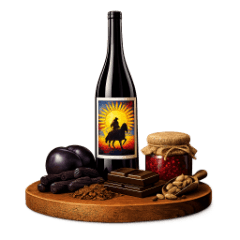
Uruguayan Tannat
Forget everything you know about aggressive French tannins because Uruguay has tamed this beast into something remarkably approachable. These wines offer power without the pain, delivering lush dark fruit wrapped in a surprisingly velvety texture.
Forget everything you know about aggressive French tannins because Uruguay has tamed this beast into something remarkably approachable. These wines offer power without the pain, delivering lush dark fruit wrapped in a surprisingly velvety texture.
Forget everything you know about aggressive French tannins because Uruguay has tamed this beast into something remarkably approachable. These wines offer power without the pain, delivering lush dark fruit wrapped in a surprisingly velvety texture.
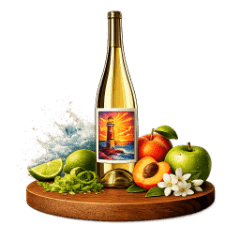
Uruguayan Albariño
Everyone thinks Spain owns this crisp white, but Uruguay said "hold my mate" and made it their own. It is like biting into a peach while surfing Atlantic waves. Refreshing, surprising, and totally electric.
Everyone thinks Spain owns this crisp white, but Uruguay said "hold my mate" and made it their own. It is like biting into a peach while surfing Atlantic waves. Refreshing, surprising, and totally electric.
Everyone thinks Spain owns this crisp white, but Uruguay said "hold my mate" and made it their own. It is like biting into a peach while surfing Atlantic waves. Refreshing, surprising, and totally electric.
LATEST REVIEWS