«
Turkey

Central Anatolia
Central Anatolia
Central Anatolia
Ancient Volcanic Heart
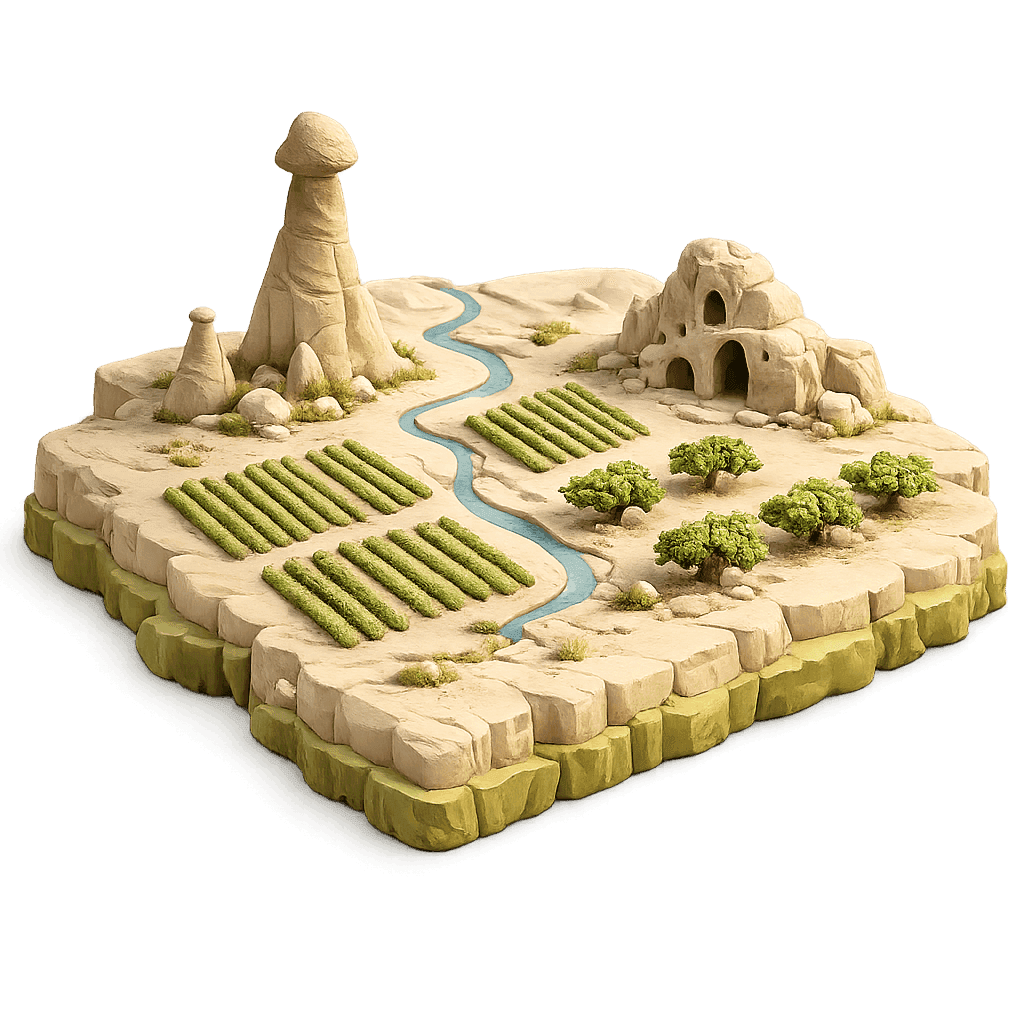
Imagine a high-altitude plateau where history dates back millennia and volcanoes shaped the land. This is Turkey's capital of indigenous grapes, surviving harsh winters and hot summers to produce wines with serious attitude.
Imagine a high-altitude plateau where history dates back millennia and volcanoes shaped the land. This is Turkey's capital of indigenous grapes, surviving harsh winters and hot summers to produce wines with serious attitude.
Imagine a high-altitude plateau where history dates back millennia and volcanoes shaped the land. This is Turkey's capital of indigenous grapes, surviving harsh winters and hot summers to produce wines with serious attitude.



Why it's unique
Moon landscape
Indigenous bank
Fairy chimneys
It is not every day you drink wine from a region that looks like the surface of the moon. Cappadocia is here, with its fairy chimneys and underground cities. But beyond the scenery, this is the genetic bank of Turkish viticulture. Indigenous superstars like Emir and Kalecik Karası reign supreme here, offering flavors you literally cannot find anywhere else on the planet.
It is not every day you drink wine from a region that looks like the surface of the moon. Cappadocia is here, with its fairy chimneys and underground cities. But beyond the scenery, this is the genetic bank of Turkish viticulture. Indigenous superstars like Emir and Kalecik Karası reign supreme here, offering flavors you literally cannot find anywhere else on the planet.
It is not every day you drink wine from a region that looks like the surface of the moon. Cappadocia is here, with its fairy chimneys and underground cities. But beyond the scenery, this is the genetic bank of Turkish viticulture. Indigenous superstars like Emir and Kalecik Karası reign supreme here, offering flavors you literally cannot find anywhere else on the planet.
Terroir
Volcanic tuff
High altitude
Continental swings
High altitude is the name of the game. We are talking vineyards sitting between 800 and 1,200 meters above sea level, enjoying a continental climate that swings wildly. Freezing winters and scorching, dry summers force the roots deep into volcanic tuff soils. This stress creates concentrated flavors and refreshing acidity, keeping the wines zesty despite the relentless summer sun.
High altitude is the name of the game. We are talking vineyards sitting between 800 and 1,200 meters above sea level, enjoying a continental climate that swings wildly. Freezing winters and scorching, dry summers force the roots deep into volcanic tuff soils. This stress creates concentrated flavors and refreshing acidity, keeping the wines zesty despite the relentless summer sun.
High altitude is the name of the game. We are talking vineyards sitting between 800 and 1,200 meters above sea level, enjoying a continental climate that swings wildly. Freezing winters and scorching, dry summers force the roots deep into volcanic tuff soils. This stress creates concentrated flavors and refreshing acidity, keeping the wines zesty despite the relentless summer sun.
You gotta try
Crisp Emir
Red fruits
Oaky Narince
Grab a bottle of Emir if you want to know what liquid refreshing tastes like - it is crisp, mineral, and perfect for hot days. For reds, Kalecik Karası is non-negotiable. Often called the Pinot Noir of Turkey, it bursts with cotton candy and red fruit notes. Also, do not skip Narince, especially if it has seen some oak aging.
Grab a bottle of Emir if you want to know what liquid refreshing tastes like - it is crisp, mineral, and perfect for hot days. For reds, Kalecik Karası is non-negotiable. Often called the Pinot Noir of Turkey, it bursts with cotton candy and red fruit notes. Also, do not skip Narince, especially if it has seen some oak aging.
Grab a bottle of Emir if you want to know what liquid refreshing tastes like - it is crisp, mineral, and perfect for hot days. For reds, Kalecik Karası is non-negotiable. Often called the Pinot Noir of Turkey, it bursts with cotton candy and red fruit notes. Also, do not skip Narince, especially if it has seen some oak aging.
LOCAL TALES
The First Somms
The First Somms
The First Somms
Long before French monks started mapping out Burgundy, the Hittites were running the show in Central Anatolia around 1600 BC. They took their wine so seriously that they actually wrote laws about it on clay tablets. These ancient wine lovers established the first known price controls for wine - talk about government intervention! They used wine for everything from religious rituals to royal banquets. Archaeological digs near Ankara and Cappadocia keep turning up golden goblets and wine vessels, proving that while empires crumble, the thirst for good fermented grape juice is eternal.
Long before French monks started mapping out Burgundy, the Hittites were running the show in Central Anatolia around 1600 BC. They took their wine so seriously that they actually wrote laws about it on clay tablets. These ancient wine lovers established the first known price controls for wine - talk about government intervention! They used wine for everything from religious rituals to royal banquets. Archaeological digs near Ankara and Cappadocia keep turning up golden goblets and wine vessels, proving that while empires crumble, the thirst for good fermented grape juice is eternal.
Long before French monks started mapping out Burgundy, the Hittites were running the show in Central Anatolia around 1600 BC. They took their wine so seriously that they actually wrote laws about it on clay tablets. These ancient wine lovers established the first known price controls for wine - talk about government intervention! They used wine for everything from religious rituals to royal banquets. Archaeological digs near Ankara and Cappadocia keep turning up golden goblets and wine vessels, proving that while empires crumble, the thirst for good fermented grape juice is eternal.
Underground Cellars
Underground Cellars
Underground Cellars
You think your wine fridge is cool? Try storing your barrels in a massive underground city carved out of soft volcanic rock. In Cappadocia, the locals realized thousands of years ago that the volcanic tuff was easy to dig but hardened upon exposure to air. They carved entire multi-level cities underground to hide from invaders. As a happy accident, these caves maintain a constant, cool temperature year-round. It turns out that a hiding spot from Roman armies doubles perfectly as a natural cellar for aging wine. To this day, local producers use these ancient caves to keep their bottles at the perfect chill.
You think your wine fridge is cool? Try storing your barrels in a massive underground city carved out of soft volcanic rock. In Cappadocia, the locals realized thousands of years ago that the volcanic tuff was easy to dig but hardened upon exposure to air. They carved entire multi-level cities underground to hide from invaders. As a happy accident, these caves maintain a constant, cool temperature year-round. It turns out that a hiding spot from Roman armies doubles perfectly as a natural cellar for aging wine. To this day, local producers use these ancient caves to keep their bottles at the perfect chill.
You think your wine fridge is cool? Try storing your barrels in a massive underground city carved out of soft volcanic rock. In Cappadocia, the locals realized thousands of years ago that the volcanic tuff was easy to dig but hardened upon exposure to air. They carved entire multi-level cities underground to hide from invaders. As a happy accident, these caves maintain a constant, cool temperature year-round. It turns out that a hiding spot from Roman armies doubles perfectly as a natural cellar for aging wine. To this day, local producers use these ancient caves to keep their bottles at the perfect chill.
The Lazarus Grape
The Lazarus Grape
The Lazarus Grape
Kalecik Karası is currently the darling of Turkish reds, but it almost vanished completely. Named after a small district near Ankara and the word for "black," this grape was on the brink of extinction a few decades ago due to neglect and phylloxera. A handful of dedicated researchers and enthusiastic professors from Ankara University refused to let it die. They isolated the best clones and convinced local farmers to replant. It was a massive gamble that paid off. Now, this thin-skinned, aromatic beauty is winning awards globally, proving that sometimes you have to fight to keep history in your glass.
Kalecik Karası is currently the darling of Turkish reds, but it almost vanished completely. Named after a small district near Ankara and the word for "black," this grape was on the brink of extinction a few decades ago due to neglect and phylloxera. A handful of dedicated researchers and enthusiastic professors from Ankara University refused to let it die. They isolated the best clones and convinced local farmers to replant. It was a massive gamble that paid off. Now, this thin-skinned, aromatic beauty is winning awards globally, proving that sometimes you have to fight to keep history in your glass.
Kalecik Karası is currently the darling of Turkish reds, but it almost vanished completely. Named after a small district near Ankara and the word for "black," this grape was on the brink of extinction a few decades ago due to neglect and phylloxera. A handful of dedicated researchers and enthusiastic professors from Ankara University refused to let it die. They isolated the best clones and convinced local farmers to replant. It was a massive gamble that paid off. Now, this thin-skinned, aromatic beauty is winning awards globally, proving that sometimes you have to fight to keep history in your glass.
LOCAL WINE STYLES
Cappadocia Emir
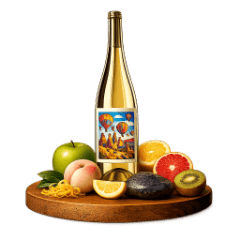
Think of biting into a green apple while standing on a volcano. This white is fierce, mineral-driven, and relentlessly fresh, channeling the stark, surreal landscapes of its home into pure liquid energy for your glass.
Think of biting into a green apple while standing on a volcano. This white is fierce, mineral-driven, and relentlessly fresh, channeling the stark, surreal landscapes of its home into pure liquid energy for your glass.
Think of biting into a green apple while standing on a volcano. This white is fierce, mineral-driven, and relentlessly fresh, channeling the stark, surreal landscapes of its home into pure liquid energy for your glass.
Anatolia Kalecik Karasi
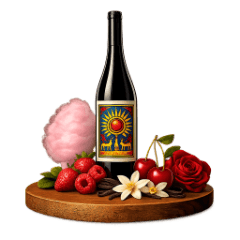
Often dubbed the Pinot Noir of Turkey, this delightful red offers a burst of red berries and a surprising whiff of cotton candy. It is light on its feet but packs serious flavor without the heavy tannins.
Often dubbed the Pinot Noir of Turkey, this delightful red offers a burst of red berries and a surprising whiff of cotton candy. It is light on its feet but packs serious flavor without the heavy tannins.
Often dubbed the Pinot Noir of Turkey, this delightful red offers a burst of red berries and a surprising whiff of cotton candy. It is light on its feet but packs serious flavor without the heavy tannins.
LATEST REVIEWS