«
Brazil

Campos de Cima da Serra
Campos de Cima da Serra
Campos de Cima da Serra
Frosty Altitude Frontier
Forget the tropical beaches you associate with this country. Up here, winter jackets are mandatory and the air is crisp enough to snap a stem. It is one of the coldest winemaking zones in all of Brazil.
Forget the tropical beaches you associate with this country. Up here, winter jackets are mandatory and the air is crisp enough to snap a stem. It is one of the coldest winemaking zones in all of Brazil.
Forget the tropical beaches you associate with this country. Up here, winter jackets are mandatory and the air is crisp enough to snap a stem. It is one of the coldest winemaking zones in all of Brazil.

Why it's unique
Extreme Altitude
Slow Ripening
Ice Cold
If you think Brazil is just Samba and sun, this place will freeze that assumption right off. It is ridiculously high up, sitting around a thousand meters above sea level. This altitude means temperatures drop significantly, creating conditions that are more European than tropical. Winemakers here play a dangerous game with frost to produce wines that possess razor-sharp acidity and elegance rarely seen elsewhere in Latin America.
If you think Brazil is just Samba and sun, this place will freeze that assumption right off. It is ridiculously high up, sitting around a thousand meters above sea level. This altitude means temperatures drop significantly, creating conditions that are more European than tropical. Winemakers here play a dangerous game with frost to produce wines that possess razor-sharp acidity and elegance rarely seen elsewhere in Latin America.
If you think Brazil is just Samba and sun, this place will freeze that assumption right off. It is ridiculously high up, sitting around a thousand meters above sea level. This altitude means temperatures drop significantly, creating conditions that are more European than tropical. Winemakers here play a dangerous game with frost to produce wines that possess razor-sharp acidity and elegance rarely seen elsewhere in Latin America.
Terroir
Basaltic Soil
Strong Winds
Cold Nights
Wind is the real boss here, though basaltic soils certainly play a supporting role. Constant breezes dry out the moisture, keeping rot away during the long, slow ripening season. Days might see some sunshine, but nights plunge into chilly depths, preserving natural freshness. This massive diurnal shift forces fruit to develop thick skins and complex aromatics without sugar levels skyrocketing, resulting in wines that are lean and wonderfully green-tinged.
Wind is the real boss here, though basaltic soils certainly play a supporting role. Constant breezes dry out the moisture, keeping rot away during the long, slow ripening season. Days might see some sunshine, but nights plunge into chilly depths, preserving natural freshness. This massive diurnal shift forces fruit to develop thick skins and complex aromatics without sugar levels skyrocketing, resulting in wines that are lean and wonderfully green-tinged.
Wind is the real boss here, though basaltic soils certainly play a supporting role. Constant breezes dry out the moisture, keeping rot away during the long, slow ripening season. Days might see some sunshine, but nights plunge into chilly depths, preserving natural freshness. This massive diurnal shift forces fruit to develop thick skins and complex aromatics without sugar levels skyrocketing, resulting in wines that are lean and wonderfully green-tinged.
You gotta try
Zesty Whites
Fragrant Reds
Brut Sparkling
Sauvignon Blanc is an absolute star here, often showing intense notes of passion fruit and fresh-cut grass that rival New Zealand. Pinot Noir also loves the chill, producing pale and perfumed reds that dance on the tongue. For something bubbly, look for sparkling wines made from Chardonnay because that natural acidity provides a backbone that makes every sip feel like diving into a cold mountain lake.
Sauvignon Blanc is an absolute star here, often showing intense notes of passion fruit and fresh-cut grass that rival New Zealand. Pinot Noir also loves the chill, producing pale and perfumed reds that dance on the tongue. For something bubbly, look for sparkling wines made from Chardonnay because that natural acidity provides a backbone that makes every sip feel like diving into a cold mountain lake.
Sauvignon Blanc is an absolute star here, often showing intense notes of passion fruit and fresh-cut grass that rival New Zealand. Pinot Noir also loves the chill, producing pale and perfumed reds that dance on the tongue. For something bubbly, look for sparkling wines made from Chardonnay because that natural acidity provides a backbone that makes every sip feel like diving into a cold mountain lake.
LOCAL TALES
Cattle Before Cabernet
Cattle Before Cabernet
Cattle Before Cabernet
Before the vines took over, this wind-swept plateau belonged entirely to the cattle and the gauchos who heralded them. For centuries, the rough terrain and biting cold were deemed unsuitable for delicate agriculture. It wasn't until the early 2000s that daring pioneers looked at the thermometer and realized this wasn't a curse - it was a blessing for cool-climate viticulture. They swapped lassos for pruning shears, betting that the very conditions that made life hard for humans would make life interesting for grapes. It was a massive gamble to plant vineyards where frost is a regular morning visitor, but that bravery turned a rugged pasture into a fine wine destination.
Before the vines took over, this wind-swept plateau belonged entirely to the cattle and the gauchos who heralded them. For centuries, the rough terrain and biting cold were deemed unsuitable for delicate agriculture. It wasn't until the early 2000s that daring pioneers looked at the thermometer and realized this wasn't a curse - it was a blessing for cool-climate viticulture. They swapped lassos for pruning shears, betting that the very conditions that made life hard for humans would make life interesting for grapes. It was a massive gamble to plant vineyards where frost is a regular morning visitor, but that bravery turned a rugged pasture into a fine wine destination.
Before the vines took over, this wind-swept plateau belonged entirely to the cattle and the gauchos who heralded them. For centuries, the rough terrain and biting cold were deemed unsuitable for delicate agriculture. It wasn't until the early 2000s that daring pioneers looked at the thermometer and realized this wasn't a curse - it was a blessing for cool-climate viticulture. They swapped lassos for pruning shears, betting that the very conditions that made life hard for humans would make life interesting for grapes. It was a massive gamble to plant vineyards where frost is a regular morning visitor, but that bravery turned a rugged pasture into a fine wine destination.
Snow in the Tropics
Snow in the Tropics
Snow in the Tropics
You probably don't associate Brazil with building snowmen, but in Campos de Cima da Serra, it actually happens. When the temperature plummets and white flakes start falling, tourists flock here not for the wine, but to see snow for the first time in their lives. Winemakers watch the cold with different priorities. While tourists take selfies, vineyard managers are often burning fires or using wind machines during spring frosts to keep the vines from freezing to death. This struggle against the elements has become part of the region's lore, proving that making wine here isn't just a job - it is an extreme sport played against Mother Nature herself.
You probably don't associate Brazil with building snowmen, but in Campos de Cima da Serra, it actually happens. When the temperature plummets and white flakes start falling, tourists flock here not for the wine, but to see snow for the first time in their lives. Winemakers watch the cold with different priorities. While tourists take selfies, vineyard managers are often burning fires or using wind machines during spring frosts to keep the vines from freezing to death. This struggle against the elements has become part of the region's lore, proving that making wine here isn't just a job - it is an extreme sport played against Mother Nature herself.
You probably don't associate Brazil with building snowmen, but in Campos de Cima da Serra, it actually happens. When the temperature plummets and white flakes start falling, tourists flock here not for the wine, but to see snow for the first time in their lives. Winemakers watch the cold with different priorities. While tourists take selfies, vineyard managers are often burning fires or using wind machines during spring frosts to keep the vines from freezing to death. This struggle against the elements has become part of the region's lore, proving that making wine here isn't just a job - it is an extreme sport played against Mother Nature herself.
The Waiting Game
The Waiting Game
The Waiting Game
Because of the chill, everything happens later here. While the rest of Brazil is celebrating the harvest in February or March, folks in these highlands are still twiddling their thumbs and watching the clouds. It boasts one of the longest vegetative cycles in the country, with harvest sometimes dragging into late April or May. This slow-motion ripening allows flavors to build up gradually, avoiding the cooked fruit taste of hotter regions. It creates a weird calendar discrepancy where a winemaker might visit a neighbor down the hill who finished months ago, only to return home to produce that is still green. It is the definition of good things coming to those who wait.
Because of the chill, everything happens later here. While the rest of Brazil is celebrating the harvest in February or March, folks in these highlands are still twiddling their thumbs and watching the clouds. It boasts one of the longest vegetative cycles in the country, with harvest sometimes dragging into late April or May. This slow-motion ripening allows flavors to build up gradually, avoiding the cooked fruit taste of hotter regions. It creates a weird calendar discrepancy where a winemaker might visit a neighbor down the hill who finished months ago, only to return home to produce that is still green. It is the definition of good things coming to those who wait.
Because of the chill, everything happens later here. While the rest of Brazil is celebrating the harvest in February or March, folks in these highlands are still twiddling their thumbs and watching the clouds. It boasts one of the longest vegetative cycles in the country, with harvest sometimes dragging into late April or May. This slow-motion ripening allows flavors to build up gradually, avoiding the cooked fruit taste of hotter regions. It creates a weird calendar discrepancy where a winemaker might visit a neighbor down the hill who finished months ago, only to return home to produce that is still green. It is the definition of good things coming to those who wait.
LOCAL WINE STYLES
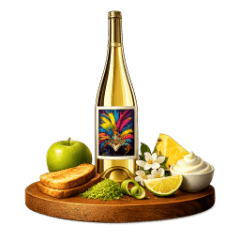
Brazilian Sparkling Wine
Get ready to dance because this bubbly is Brazil's best-kept secret that rivals the fancy French stuff. It is fresh, yeasty, and bursting with vibrant energy that screams summer vacation regardless of the actual season outside.
Get ready to dance because this bubbly is Brazil's best-kept secret that rivals the fancy French stuff. It is fresh, yeasty, and bursting with vibrant energy that screams summer vacation regardless of the actual season outside.
Get ready to dance because this bubbly is Brazil's best-kept secret that rivals the fancy French stuff. It is fresh, yeasty, and bursting with vibrant energy that screams summer vacation regardless of the actual season outside.
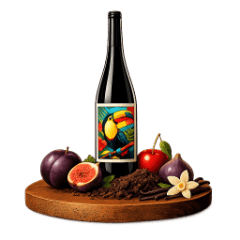
Brazilian Merlot
While you might think this nation is all about carnival bubbles and sandy beaches, this red offers a surprising, cozy hug. It delivers lush fruit and soft textures that feel like a cool evening breeze in Serra Gaúcha.
While you might think this nation is all about carnival bubbles and sandy beaches, this red offers a surprising, cozy hug. It delivers lush fruit and soft textures that feel like a cool evening breeze in Serra Gaúcha.
While you might think this nation is all about carnival bubbles and sandy beaches, this red offers a surprising, cozy hug. It delivers lush fruit and soft textures that feel like a cool evening breeze in Serra Gaúcha.
LATEST REVIEWS