«
BROWSE ALL
Idaho
Idaho

Most people equate this place with fry-ready tubers, but the volcanic soil and high-altitude sunshine are secretly producing world-class bottles. It is the Pacific Northwest’s wildest viticultural frontier, offering intense flavors without the steep price tag.
Most people equate this place with fry-ready tubers, but the volcanic soil and high-altitude sunshine are secretly producing world-class bottles. It is the Pacific Northwest’s wildest viticultural frontier, offering intense flavors without the steep price tag.
Most people equate this place with fry-ready tubers, but the volcanic soil and high-altitude sunshine are secretly producing world-class bottles. It is the Pacific Northwest’s wildest viticultural frontier, offering intense flavors without the steep price tag.

What it's about
High Altitude
Snake River
Rapid Growth
Imagine a region sharing the same latitude as Rioja but looking like a high desert movie set. Production is centered around the Snake River Valley, where vineyards sit at a dizzying 3,000 feet elevation. This extreme altitude creates massive temperature shifts — scorching days and freezing nights — that lock in acidity like a bank vault. It is a small but explosive industry, growing from a dozen wineries to over seventy in just two decades.
Imagine a region sharing the same latitude as Rioja but looking like a high desert movie set. Production is centered around the Snake River Valley, where vineyards sit at a dizzying 3,000 feet elevation. This extreme altitude creates massive temperature shifts — scorching days and freezing nights — that lock in acidity like a bank vault. It is a small but explosive industry, growing from a dozen wineries to over seventy in just two decades.
Imagine a region sharing the same latitude as Rioja but looking like a high desert movie set. Production is centered around the Snake River Valley, where vineyards sit at a dizzying 3,000 feet elevation. This extreme altitude creates massive temperature shifts — scorching days and freezing nights — that lock in acidity like a bank vault. It is a small but explosive industry, growing from a dozen wineries to over seventy in just two decades.
What they're proud of
Savory Syrah
Volcanic Soil
Historic Roots
Winemakers here champion their Syrah and Riesling, which develop incredibly thick skins and intense aromatics thanks to the harsh sun. They also boast about the Lewis-Clark Valley, which holds the title for the earliest plantings in the Inland Pacific Northwest. While neighbors get the glory, these producers know their volcanic terroir creates savory, complex reds that can stand toe-to-toe with any big-name appellation.
Winemakers here champion their Syrah and Riesling, which develop incredibly thick skins and intense aromatics thanks to the harsh sun. They also boast about the Lewis-Clark Valley, which holds the title for the earliest plantings in the Inland Pacific Northwest. While neighbors get the glory, these producers know their volcanic terroir creates savory, complex reds that can stand toe-to-toe with any big-name appellation.
Winemakers here champion their Syrah and Riesling, which develop incredibly thick skins and intense aromatics thanks to the harsh sun. They also boast about the Lewis-Clark Valley, which holds the title for the earliest plantings in the Inland Pacific Northwest. While neighbors get the glory, these producers know their volcanic terroir creates savory, complex reds that can stand toe-to-toe with any big-name appellation.
WHAT'S TRENDING
Urban Wineries
Tempranillo Rising
Dry Reds
Boise is transforming into a legitimate wine hub, with urban wineries popping up along the Greenbelt faster than you can pull a cork. There is also a massive surge of interest in Tempranillo, as the hot, dry summers mimic Spain almost perfectly. Producers are moving away from just sweet wines and proving that this high desert can yield serious, age-worthy dry reds that demand respect.
Boise is transforming into a legitimate wine hub, with urban wineries popping up along the Greenbelt faster than you can pull a cork. There is also a massive surge of interest in Tempranillo, as the hot, dry summers mimic Spain almost perfectly. Producers are moving away from just sweet wines and proving that this high desert can yield serious, age-worthy dry reds that demand respect.
Boise is transforming into a legitimate wine hub, with urban wineries popping up along the Greenbelt faster than you can pull a cork. There is also a massive surge of interest in Tempranillo, as the hot, dry summers mimic Spain almost perfectly. Producers are moving away from just sweet wines and proving that this high desert can yield serious, age-worthy dry reds that demand respect.
LOCAL TALES
The Great Dry Mistake
The Great Dry Mistake
The Great Dry Mistake
Before Washington or Oregon became household names, this state was actually the wine king of the Pacific Northwest. In the 1860s, French and German immigrants planted the first vines in the Lewis-Clark Valley, and by the turn of the century, the industry was booming with award-winning bottles. But in a tragic twist of fate, the local government shot itself in the foot by enacting state-level prohibition in 1916 — years before the rest of the country. This early ban decimated the vineyards, and farmers were forced to rip out unauthorized vines. The industry went dark for decades, leaving a gap in history that modern vintners are only now stitching back together.
Before Washington or Oregon became household names, this state was actually the wine king of the Pacific Northwest. In the 1860s, French and German immigrants planted the first vines in the Lewis-Clark Valley, and by the turn of the century, the industry was booming with award-winning bottles. But in a tragic twist of fate, the local government shot itself in the foot by enacting state-level prohibition in 1916 — years before the rest of the country. This early ban decimated the vineyards, and farmers were forced to rip out unauthorized vines. The industry went dark for decades, leaving a gap in history that modern vintners are only now stitching back together.
Ghosts of Lake Idaho
Ghosts of Lake Idaho
Ghosts of Lake Idaho
If you wonder why the soil here looks like it was scooped out of a volcano, that is because it basically was. Millions of years ago, a massive body of water known as ancient Lake Idaho covered the Snake River Valley. When you combine that aquatic history with intense volcanic activity, you get a geological layer cake of ash, sandy loam, and cobblestones that vines absolutely adore. This unique terroir, often referred to as 'cinder' by locals, forces the roots to dig deep for nutrients. It creates a distinct minerality in the glass that you just cannot replicate in standard dirt.
If you wonder why the soil here looks like it was scooped out of a volcano, that is because it basically was. Millions of years ago, a massive body of water known as ancient Lake Idaho covered the Snake River Valley. When you combine that aquatic history with intense volcanic activity, you get a geological layer cake of ash, sandy loam, and cobblestones that vines absolutely adore. This unique terroir, often referred to as 'cinder' by locals, forces the roots to dig deep for nutrients. It creates a distinct minerality in the glass that you just cannot replicate in standard dirt.
The Inversion Miracle
The Inversion Miracle
The Inversion Miracle
Farming grapes here is not for the faint of heart, mainly because winter can be brutal. However, the Snake River Valley has a secret weapon called 'thermal inversion.' In the dead of winter, cold air sinks to the valley floor while warmer air rises to the slopes where the vineyards sit. This natural phenomenon acts like an invisible blanket, often keeping the vines just warm enough to survive temperatures that would otherwise turn them into expensive firewood. It is a precarious dance with nature, but it allows delicate varieties to thrive in a region that looks like it should only be growing sagebrush.
Farming grapes here is not for the faint of heart, mainly because winter can be brutal. However, the Snake River Valley has a secret weapon called 'thermal inversion.' In the dead of winter, cold air sinks to the valley floor while warmer air rises to the slopes where the vineyards sit. This natural phenomenon acts like an invisible blanket, often keeping the vines just warm enough to survive temperatures that would otherwise turn them into expensive firewood. It is a precarious dance with nature, but it allows delicate varieties to thrive in a region that looks like it should only be growing sagebrush.

SUB-REGIONS
Eagle Foothills
(
Snake River Valley
)
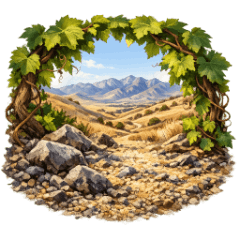
Minutes away from Boise, this spot proves you don't need to trek into the wilderness for serious terroir. It is defined by a unique granitic soil that makes vines struggle in the best way possible.
Minutes away from Boise, this spot proves you don't need to trek into the wilderness for serious terroir. It is defined by a unique granitic soil that makes vines struggle in the best way possible.

Lewis-Clark Valley
(
Snake River Valley
)
Located at the convergence of two mighty rivers, this area boasts the lowest elevation in the state. It allows big reds to ripen fully while clinging to dramatic slopes that would make a mountain goat dizzy.
Located at the convergence of two mighty rivers, this area boasts the lowest elevation in the state. It allows big reds to ripen fully while clinging to dramatic slopes that would make a mountain goat dizzy.
WINE STYLES
Idaho Snake River Valley Syrah
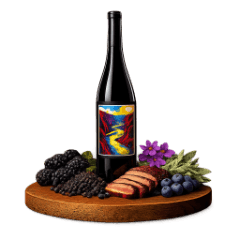
Forget potatoes for a second and grab a glass of this high-altitude stunner. It bursts with savory depth and rugged elegance, proving that the Gem State hides rubies made of fermented juice in its canyons.
Forget potatoes for a second and grab a glass of this high-altitude stunner. It bursts with savory depth and rugged elegance, proving that the Gem State hides rubies made of fermented juice in its canyons.
Forget potatoes for a second and grab a glass of this high-altitude stunner. It bursts with savory depth and rugged elegance, proving that the Gem State hides rubies made of fermented juice in its canyons.
Idaho Snake River Valley Viognier
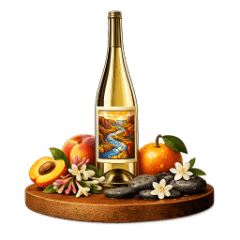
Imagine biting into a ripe apricot while standing on ancient volcanic soil. This isn't your average grocery store white, it packs a punch of floral aromatics backed by serious texture derived from intense desert sunshine.
Imagine biting into a ripe apricot while standing on ancient volcanic soil. This isn't your average grocery store white, it packs a punch of floral aromatics backed by serious texture derived from intense desert sunshine.
Imagine biting into a ripe apricot while standing on ancient volcanic soil. This isn't your average grocery store white, it packs a punch of floral aromatics backed by serious texture derived from intense desert sunshine.
LATEST REVIEWS