«
BROWSE ALL
California
California

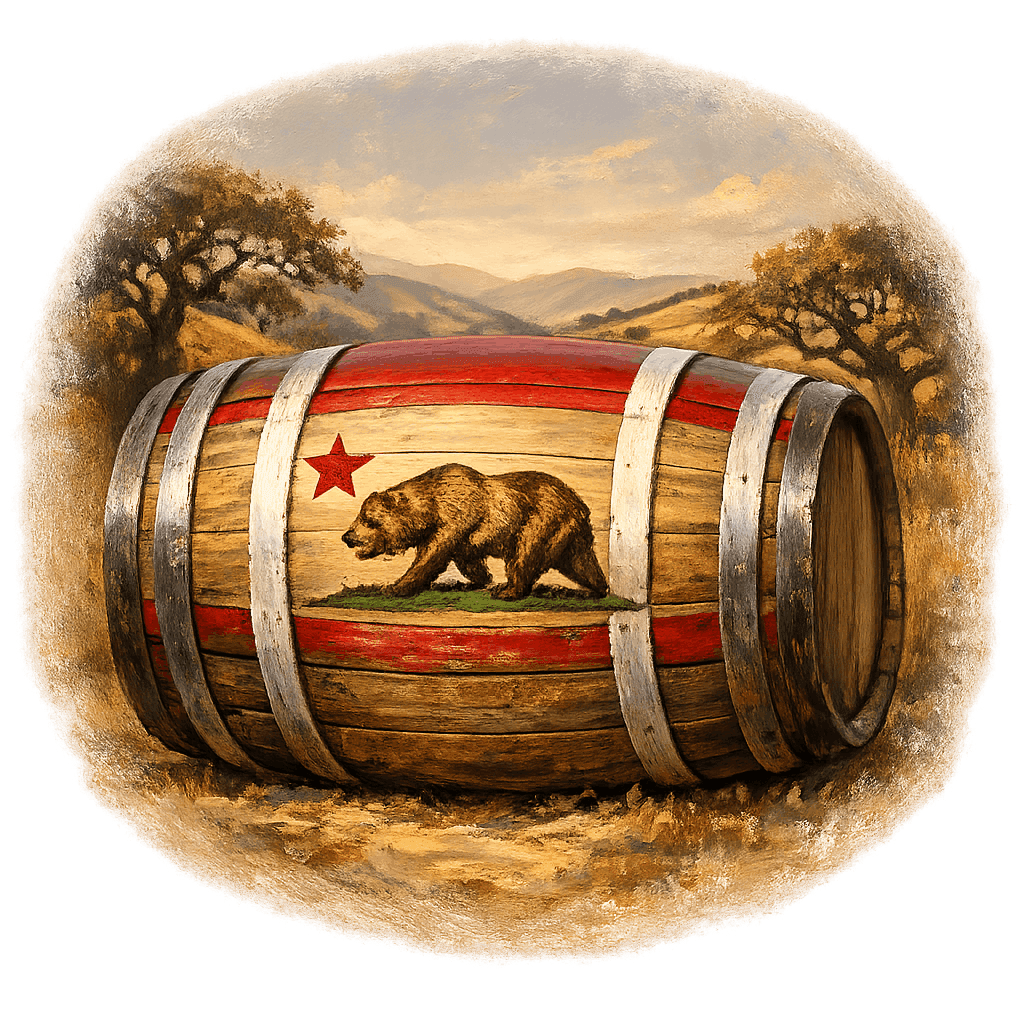
Think massive Pacific coastlines meet rolling hills of vineyards. This giant produces more juice than most nations, blending serious quality with a laid-back surfer vibe that makes every bottle feel like a holiday in a glass.
Think massive Pacific coastlines meet rolling hills of vineyards. This giant produces more juice than most nations, blending serious quality with a laid-back surfer vibe that makes every bottle feel like a holiday in a glass.
Think massive Pacific coastlines meet rolling hills of vineyards. This giant produces more juice than most nations, blending serious quality with a laid-back surfer vibe that makes every bottle feel like a holiday in a glass.
What it's about
Global Powerhouse
Diverse Climates
Economic Titan
If this state were a country, it would rank as the fourth-largest producer worldwide, churning out over eighty percent of all American production. From the foggy cliffs of Mendocino to the baking heat of Paso Robles, it’s an absolute juggernaut. We are talking about an eighty-four billion dollar economic engine that transformed global viticulture from a European monopoly into a wide-open playing field.
If this state were a country, it would rank as the fourth-largest producer worldwide, churning out over eighty percent of all American production. From the foggy cliffs of Mendocino to the baking heat of Paso Robles, it’s an absolute juggernaut. We are talking about an eighty-four billion dollar economic engine that transformed global viticulture from a European monopoly into a wide-open playing field.
If this state were a country, it would rank as the fourth-largest producer worldwide, churning out over eighty percent of all American production. From the foggy cliffs of Mendocino to the baking heat of Paso Robles, it’s an absolute juggernaut. We are talking about an eighty-four billion dollar economic engine that transformed global viticulture from a European monopoly into a wide-open playing field.
What they're proud of
Beating France
Certified Sustainable
Complex Terroir
Nothing beats the bragging rights from 1976 when Napa unknowns defeated top French estates in blind tastings, forever changing history. Beyond that legendary upset, producers here champion sustainability like nowhere else, with nearly ninety percent of production being certified sustainable. They also boast remarkably distinct AVAs that prove their soil is just as complex as anything found in Burgundy.
Nothing beats the bragging rights from 1976 when Napa unknowns defeated top French estates in blind tastings, forever changing history. Beyond that legendary upset, producers here champion sustainability like nowhere else, with nearly ninety percent of production being certified sustainable. They also boast remarkably distinct AVAs that prove their soil is just as complex as anything found in Burgundy.
Nothing beats the bragging rights from 1976 when Napa unknowns defeated top French estates in blind tastings, forever changing history. Beyond that legendary upset, producers here champion sustainability like nowhere else, with nearly ninety percent of production being certified sustainable. They also boast remarkably distinct AVAs that prove their soil is just as complex as anything found in Burgundy.
WHAT'S TRENDING
Elegance
Regenerative Farming
Obscure Finds
Restraint is the new cool kid in town. Winemakers are dialing back the alcohol and oak, trading the old-school fruit bombs for elegance and acidity. Regenerative farming is huge, with sheep grazing between rows to sequester carbon. Also, look out for unexpected plantings like Trousseau or Ribolla Gialla popping up alongside the usual Cabernet suspects.
Restraint is the new cool kid in town. Winemakers are dialing back the alcohol and oak, trading the old-school fruit bombs for elegance and acidity. Regenerative farming is huge, with sheep grazing between rows to sequester carbon. Also, look out for unexpected plantings like Trousseau or Ribolla Gialla popping up alongside the usual Cabernet suspects.
Restraint is the new cool kid in town. Winemakers are dialing back the alcohol and oak, trading the old-school fruit bombs for elegance and acidity. Regenerative farming is huge, with sheep grazing between rows to sequester carbon. Also, look out for unexpected plantings like Trousseau or Ribolla Gialla popping up alongside the usual Cabernet suspects.
LOCAL TALES
The Paris Shock
The Paris Shock
The Paris Shock
Back in 1976, a British merchant named Steven Spurrier organized a blind tasting in Paris. Far from a stunt to prove French superiority, he actually wanted to showcase the rising talent in California to celebrate the U.S. Bicentennial. He pitted top-tier Bordeaux and Burgundy against some scrappy Californian upstarts. To everyone's absolute horror - especially the French judges - the American bottles won top honors in both red and white categories. Stag’s Leap Wine Cellars and Chateau Montelena didn't just win, they shattered the myth that only Europe could make fine wine. The French press was furious, the judges tried to retract their scores, and California instantly became a legend.
Back in 1976, a British merchant named Steven Spurrier organized a blind tasting in Paris. Far from a stunt to prove French superiority, he actually wanted to showcase the rising talent in California to celebrate the U.S. Bicentennial. He pitted top-tier Bordeaux and Burgundy against some scrappy Californian upstarts. To everyone's absolute horror - especially the French judges - the American bottles won top honors in both red and white categories. Stag’s Leap Wine Cellars and Chateau Montelena didn't just win, they shattered the myth that only Europe could make fine wine. The French press was furious, the judges tried to retract their scores, and California instantly became a legend.
The Alligator Count
The Alligator Count
The Alligator Count
California winemaking owes a lot to a flamboyant Hungarian named Agoston Haraszthy, often called the self-proclaimed 'Count.' He founded Buena Vista Winery in Sonoma and was arguably the first to push for real quality, traveling to Europe to bring back hundreds of cuttings of noble European vines. His life was as wild as his ambitions: he battled sheriffs, faced fraud charges, and eventually disappeared in Nicaragua in 1869. The prevailing theory? He tried to cross a crocodile-infested river by walking along a fallen tree that snapped. He was never seen again, but his vines lived on.
California winemaking owes a lot to a flamboyant Hungarian named Agoston Haraszthy, often called the self-proclaimed 'Count.' He founded Buena Vista Winery in Sonoma and was arguably the first to push for real quality, traveling to Europe to bring back hundreds of cuttings of noble European vines. His life was as wild as his ambitions: he battled sheriffs, faced fraud charges, and eventually disappeared in Nicaragua in 1869. The prevailing theory? He tried to cross a crocodile-infested river by walking along a fallen tree that snapped. He was never seen again, but his vines lived on.
The Merlot Murder
The Merlot Murder
The Merlot Murder
In 2004, the movie 'Sideways' unintentionally caused one of the weirdest market shifts in history. The main character, a wine snob played by Paul Giamatti, famously screamed, 'I am not drinking any f***ing Merlot!' before praising Pinot Noir. The cultural impact was immediate and brutal. Merlot sales slumped across the US as consumers suddenly decided it was uncool, while Pinot Noir prices skyrocketed. Farmers literally ripped out healthy Merlot vines to plant Pinot to chase the trend. It took over a decade for the poor, unfairly maligned Bordeaux favorite to recover its reputation.
In 2004, the movie 'Sideways' unintentionally caused one of the weirdest market shifts in history. The main character, a wine snob played by Paul Giamatti, famously screamed, 'I am not drinking any f***ing Merlot!' before praising Pinot Noir. The cultural impact was immediate and brutal. Merlot sales slumped across the US as consumers suddenly decided it was uncool, while Pinot Noir prices skyrocketed. Farmers literally ripped out healthy Merlot vines to plant Pinot to chase the trend. It took over a decade for the poor, unfairly maligned Bordeaux favorite to recover its reputation.
REGIONS

Napa Valley
Welcome to America's most famous wine playground. It is small in size but absolutely massive in reputation, cranking out bottles that command serious cash and offering hospitality that feels more like a luxury resort than a farm.
Welcome to America's most famous wine playground. It is small in size but absolutely massive in reputation, cranking out bottles that command serious cash and offering hospitality that feels more like a luxury resort than a farm.
Sonoma County
If Napa is the guy in the tuxedo, Sonoma is the cool friend in designer jeans and a flannel shirt. It is huge, spanning valleys and coastlines, offering a dizzying array of styles for every palate.
If Napa is the guy in the tuxedo, Sonoma is the cool friend in designer jeans and a flannel shirt. It is huge, spanning valleys and coastlines, offering a dizzying array of styles for every palate.
SUB-REGIONS

Atlas Peak
(
Napa Valley
)
Perched way up in the Vaca Mountains, this spot offers drastic elevation changes that separate the tourists from the true adventurers. It is rough terrain where Cabernet Sauvignon develops thick skins and a serious attitude.
Perched way up in the Vaca Mountains, this spot offers drastic elevation changes that separate the tourists from the true adventurers. It is rough terrain where Cabernet Sauvignon develops thick skins and a serious attitude.

Calistoga
(
Napa Valley
)
Situated at the valley's northern peak, this area brings the heat. You have actual hot springs bubbling underfoot and summer days that roast fruit to perfection, creating a haven for anyone loving big, burly reds.
Situated at the valley's northern peak, this area brings the heat. You have actual hot springs bubbling underfoot and summer days that roast fruit to perfection, creating a haven for anyone loving big, burly reds.
WINE STYLES
Californian Cabernet Sauvignon
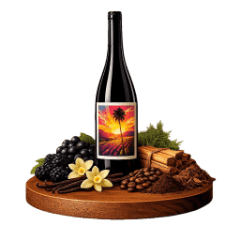
Like a blockbuster movie star, this wine demands attention with muscles on top of muscles. It is big, confident, and fills the room with intense dark fruit and lavish oak that screams success.
Like a blockbuster movie star, this wine demands attention with muscles on top of muscles. It is big, confident, and fills the room with intense dark fruit and lavish oak that screams success.
Like a blockbuster movie star, this wine demands attention with muscles on top of muscles. It is big, confident, and fills the room with intense dark fruit and lavish oak that screams success.
Californian Red Blend
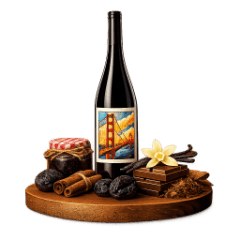
Imagine a winemaker throwing every ripe fruit they can find into a fermentation tank. These wines prioritize smoothness and rich berry flavors over strict rules, resulting in a glass that tastes like liquid red velvet cake.
Imagine a winemaker throwing every ripe fruit they can find into a fermentation tank. These wines prioritize smoothness and rich berry flavors over strict rules, resulting in a glass that tastes like liquid red velvet cake.
Imagine a winemaker throwing every ripe fruit they can find into a fermentation tank. These wines prioritize smoothness and rich berry flavors over strict rules, resulting in a glass that tastes like liquid red velvet cake.
LATEST REVIEWS